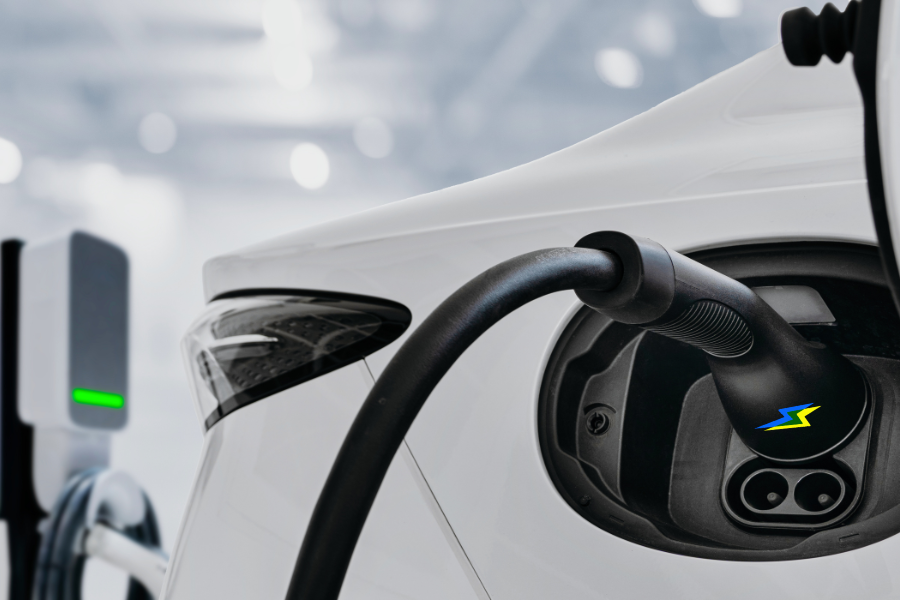
The global energy transition is entering a new phase where battery storage is emerging as a critical pillar of modern power infrastructure. As renewable energy capacity expands rapidly across the world, the need for flexible and reliable energy storage systems has intensified. From large-scale battery installations in China and Australia to solar-plus-storage projects in the United States and emerging markets like India and Brazil, energy storage is increasingly becoming central to grid stability, energy security, and decarbonisation strategies.
Falling battery costs, rising electricity demand, and growing investments in renewable energy are accelerating this transformation. At the same time, innovations in storage technologies are expanding the role batteries can play in balancing intermittent renewable power generation. As global electricity systems evolve, battery storage is no longer a complementary technology—it is becoming a foundational component of the future energy economy.
The global energy landscape is undergoing a profound transformation, with battery storage emerging as a central pillar of modern power systems. Across continents, large-scale battery installations are rapidly being deployed—from solar-rich regions like Texas to Inner Mongolia’s vast grasslands and repurposed coal plant sites near Sydney. This surge reflects a convergence of economic, technological, and geopolitical forces that are accelerating the adoption of energy storage at an unprecedented pace.
A recent report from InfoLink Consulting shows that global energy storage installations climbed to 275.3 GWh in 2025, registering a significant 61.3% increase compared to the previous year. The growth momentum is expected to continue in 2026, with an additional 353.4 GWh of capacity projected to be deployed worldwide, largely driven by rising electricity demand. The global shipments of energy storage cells surged to 612.39 GWh in 2025—nearly double the previous year’s level—and are forecast to climb further to 801 GWh in 2026. Shipments of battery energy storage systems (BESS) also rose sharply by 75.5% to 421.2 GWh in 2025, with expectations of reaching 600 GWh this year.
How solar and wind expansion is fuelling battery adoption
The rapid expansion of renewable energy—especially solar and wind—has amplified the need for storage. These energy sources are inherently variable, producing electricity intermittently depending on weather conditions. Batteries help address this challenge by storing excess power when supply is abundant and releasing it during periods of high demand or low generation. This capability enables more efficient grid management and reduces reliance on fossil fuel-based backup generation. Where coal and gas plants once filled gaps in supply, batteries are increasingly stepping in as a cleaner and more flexible alternative.
Cost trends reinforce this transition. According to BloombergNEF, average costs have fallen by around 75% between 2018 and 2025 and are projected to decline by a further 25% by 2035.
This rapid reduction contrasts with rising costs in other clean energy technologies, making batteries particularly attractive.
As a result, developers are building projects at larger scales, creating battery fleets capable of delivering substantial amounts of power. In Inner Mongolia, for example, several large installations collectively provide gigawatt-hour-scale capacity, rivaling traditional power plants for short durations. Similarly, in Scotland, major battery facilities are being developed on former coal mining sites, symbolizing the shift from fossil fuels to cleaner energy solutions.
Battery storage demand surges on renewable and economic drivers
Global battery storage installations are witnessing rapid expansion, reflecting rising demand fuelled by large-scale solar and wind investments, broader electrification, and the need for stronger grid reliability. According to Wood Mackenzie, global energy storage market grew by 43% in 2025, adding 106 GW of new capacity compared to 73 GW in 2024, reflecting strong growth and investor interest. Total installed capacity has reached over 270 GW, with projections indicating a nearly sixfold rise to 1,545 GW by 2034. This trend highlights the growing importance of energy storage in the global energy transition.
A key driver behind this boom is the dramatic decline in battery costs, coupled with rising global electricity demand—particularly from energy-intensive infrastructure such as data centers.
Analysts had already projected strong growth in installations for 2026, expecting a significant year-on-year increase led by regions such as Europe, the Middle East, Africa, and Latin America. However, geopolitical tensions—especially conflict in the Middle East—have further intensified the shift toward batteries by increasing the cost and uncertainty of fossil fuel supplies. As a result, 2026 is shaping up to be a pivotal year in which batteries take on a more influential role in the global energy system.
This momentum is already visible in market activity. Battery manufacturers, particularly in China, are reporting rising profits as global demand accelerates. In countries like Vietnam, developers are reconsidering traditional fossil fuel-based projects in favor of renewable energy systems paired with battery storage.
The economics are increasingly compelling: batteries are no longer seen merely as a complementary clean technology but as a core investment option in power infrastructure. Industry sentiment reflects this shift, with storage systems now viewed as essential components of future energy networks.
Global energy shift: The rising role of battery storage in key markets
Australia provides a compelling case study of how battery storage is reshaping national energy systems. As the world’s largest battery market on a per capita basis, the country has demonstrated how storage can enhance grid reliability and reduce dependence on gas-fired generation. The Waratah Super Battery in New South Wales, for instance, has already shown its potential by supplying more power during peak evening demand than some gas plants. Once fully operational, it is expected to play a critical role in stabilizing the grid and addressing potential energy shortages. Falling construction costs have further improved project economics, reinforcing investor confidence in large-scale storage.
China’s role in this transformation is particularly significant. The country dominates global battery manufacturing, benefiting from years of investment in its electric vehicle supply chain. This has led to an oversupply of lithium-ion batteries, driving prices down and making storage solutions more accessible worldwide. China also accounts for a substantial share of existing grid-scale installations, supported in part by past policies that encouraged renewable projects to include storage. The resulting market dynamics mirror earlier trends in the solar industry, where oversupply eventually led to widespread adoption and lower costs.
At the same time, rising electricity demand is placing additional pressure on power systems globally. In the United States, for example, the rapid growth of data centers is straining infrastructure, prompting developers to adopt solar-plus-storage solutions. Traditional power plants are often too slow to build due to supply chain constraints and regulatory hurdles, making batteries a faster and more flexible alternative. Large technology companies are already deploying battery systems to manage energy needs and prevent outages. Storage is expected to account for a significant share of new generating capacity in the coming years, highlighting its growing importance in meeting demand.
Innovation and global expansion of storage technologies
Beyond lithium-ion technology, innovation is also expanding the capabilities of energy storage. New systems are being developed to provide longer-duration storage, extending from hours to days. These technologies aim to ensure reliability during prolonged supply shortages and could eventually serve as substitutes for conventional grid power. By enabling continuous energy availability, they address one of the key limitations of current battery systems and open new possibilities for grid resilience.
In Europe, the rapid expansion of renewable energy has created a different set of challenges. Power grids designed for stable, predictable generation are now facing large fluctuations in supply, leading to price volatility and wasted energy when generation exceeds demand. Countries like Germany are experiencing significant financial losses due to curtailed renewable output. Battery storage offers a solution by capturing excess energy and redistributing it when needed, thereby reducing inefficiencies and stabilizing prices. Forecasts suggest that storage capacity in Europe could grow dramatically over the next decade, driven by both economic incentives and energy security concerns.
The global battery boom is also spreading to emerging markets. India is accelerating its energy storage initiatives through competitive auctions, aiming to balance a rapidly evolving grid with increasing renewable penetration. Brazil is preparing to launch its first large-scale battery tenders, while Egypt is advancing hybrid solar-plus-storage projects. These developments indicate that battery adoption is becoming a global phenomenon, not limited to advanced economies.
Outlook for battery storage: Strong growth amid supply chain and market challenges
Despite this strong momentum, challenges remain. The industry’s heavy reliance on China’s supply chain raises concerns about geopolitical risks and trade barriers. While some countries are developing domestic manufacturing capacity, cost differences still favor Chinese-made components.
Additionally, large-scale deployment of batteries faces the same obstacles as other energy infrastructure projects, including grid connection delays, permitting issues, and regulatory uncertainties. Rising interest rates and broader economic volatility could also affect project financing.
Other key challenges include persistent short-term price volatility, driven by fluctuations in raw material costs, ongoing disruptions in global supply chains, and evolving international trade policies.
Having said that, battery storage is poised for sustained strong growth, supported by declining costs, rising electricity demand, and the rapid expansion of renewable energy. It is increasingly viewed as a core component of modern power systems, playing a key role not only in decarbonization but also in improving grid stability, energy security, and operational efficiency.
As coal generation continues to fall and wind and solar capacity expands, electricity systems are becoming more intermittent, increasing the need for flexible and reliable storage solutions. At the same time, increasing electrification across sectors is adding further strain on power grids. Against this backdrop, batteries are well positioned to address this challenge by balancing supply and demand while enabling a cleaner, more resilient, and more integrated global energy system.
While China is likely to remain the dominant supplier of energy storage systems—particularly in lithium iron phosphate (LFP) technology due to its cost efficiency and scale advantages—the United States and Europe are increasingly pushing to expand domestic manufacturing capacity to strengthen supply chain resilience and energy security.
Read more:
Stunning growth of battery storage
ACC batteries to anchor India’s EV and storage boom
Wind power emerges as cornerstone of global energy transition
Global energy trends in 2025 Signal a faster shift toward clean energy
FAQ
- Why is battery storage important for the energy transition?
Battery storage helps balance supply and demand by storing excess electricity from renewable sources like solar and wind and releasing it when needed. This ensures grid stability, reduces reliance on fossil fuels, and supports the integration of clean energy into power systems. - What is driving the rapid growth of battery storage globally?
Key drivers include the expansion of renewable energy, falling battery costs, rising electricity demand, and the need for reliable and flexible power systems. Supportive government policies and increased private investment are also accelerating deployment. - Which countries are leading in battery storage adoption?
China and the United States lead global installations, followed by markets such as Australia, Germany, and the UK. Emerging economies like India, Brazil, and Vietnam are also witnessing rapid growth due to policy support and increasing energy needs. - What are the main challenges facing battery storage deployment?
Challenges include supply chain dependence on a few countries, high upfront costs despite declining prices, regulatory hurdles, grid connection delays, and concerns over raw material availability and price volatility. - What is the future outlook for battery storage?
Battery storage is expected to grow strongly over the next decade, driven by continued cost reductions, technological innovation, and rising demand for clean energy. It will play a key role in improving grid reliability, enhancing energy security, and enabling deeper decarbonization.