
States and distribution companies are seeking additional electricity ahead of summer 2027 as concerns rise over coal inventories and evening power supply.
Highlights:
- Coal stocks stood at 20.79 million tonnes on November 15.
- Inventories were around 55 million tonnes at the beginning of April.
- Some short-term tenders have seen prices of ₹19–20 per unit.
- Tamil Nadu, Kerala, Rajasthan and Gujarat are seeking additional power.
- Officials are discussing expanding coal storage capacity to 160 million tonnes.
- Limited energy storage and thermal capacity are adding to supply concerns.
States and electricity distribution companies are moving to secure additional power ahead of summer 2027 as falling coal stocks and concerns over dependable generation capacity increase pressure on India’s electricity system, according to a report by The Indian Express.
Short-term procurement tenders are being floated to cover demand in the coming months, particularly during evening hours when solar generation is unavailable. Some tenders have recorded prices of ₹19–20 per unit, highlighting the cost of securing additional supply.
Why are states buying more electricity?
Tamil Nadu, Kerala, Rajasthan and Gujarat are among the states seeking additional power. Uttar Pradesh is also reportedly pursuing supplies, while private distributors, including Noida Power Company and Adani Electricity Mumbai, have floated tenders.
The procurement covers different periods between January and July 2027. Utilities are seeking to reduce their exposure to potential shortages as demand rises.
The report distinguishes these tender prices from electricity exchange limits. Regular spot-market prices are capped at ₹10 per unit, while the specialised High Price Day-Ahead Market permits prices up to ₹20.
Coal inventories have declined sharply
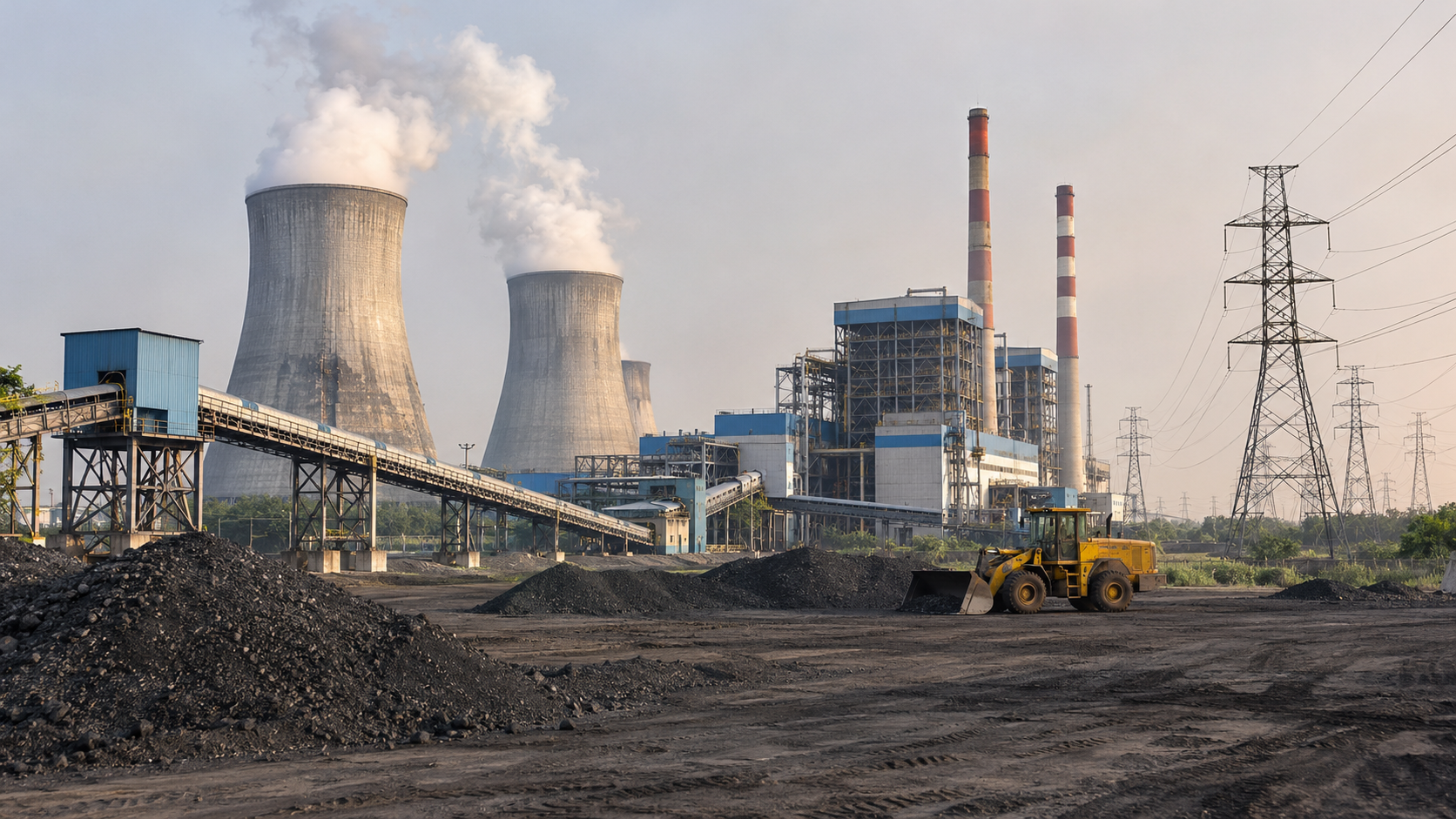
Coal stocks at domestic coal-based power plants stood at 20.79 million tonnes on November 15, compared with around 55 million tonnes at the beginning of April.
Between April and September, inventories declined by approximately 66%, against a fall of around 23% during the corresponding period last year, the report said.
Rebuilding stocks before next summer has consequently become a priority for power officials.
Discussions are underway to increase coal storage capacity at thermal plants. Existing capacity is approximately 80 million tonnes, equivalent to about 30 days of consumption. A proposed expansion to 160 million tonnes could provide roughly 60 days of stocks, although additional land and storage infrastructure would be required.
Evening supply remains a concern
The report identifies insufficient thermal capacity and limited energy storage as key challenges. Solar generation helps meet daytime demand, but dependable alternatives are needed when output falls in the evening.
Central Electricity Authority chairperson Ghanshyam Prasad reportedly flagged the need for 105–150 gigawatts of additional coal-based capacity by 2035, compared with the 97 GW currently planned.
The government’s response includes efforts to expand thermal and nuclear generation and support energy storage. For the approaching summer, however, rebuilding coal inventories and securing sufficient electricity remain the immediate priorities.