Pulses, fertilizers, technical standards and visas remain key issues as both sides push to conclude the trade deal.
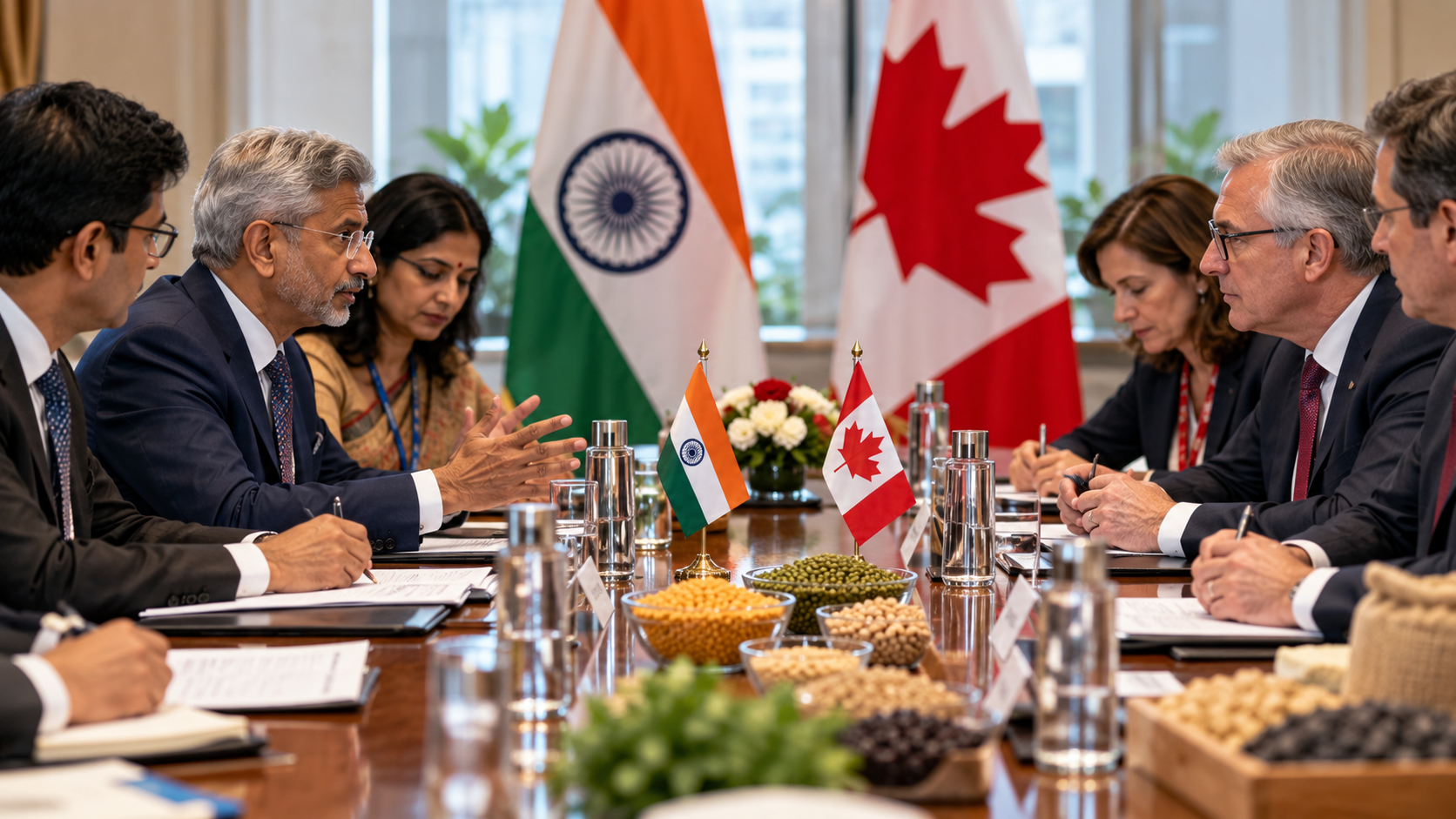
India and Canada have begun the fifth round of negotiations for a Comprehensive Economic Partnership Agreement (CEPA), with both sides seeking to resolve key issues and advance the proposed trade deal.
Predictable market access for agricultural products, including pulses and fertilizers, technical standards and adequate visas for workers are among the major issues under discussion. The negotiations also cover cooperation in areas such as energy, advanced manufacturing, artificial intelligence and critical minerals.
Agriculture remains one of the more difficult areas in the talks. Canada, a major global producer of pulses, is seeking predictable and long-term access to the Indian market, while India continues to protect the interests of its domestic farm sector.
Canada has also sought greater certainty for its agricultural exporters, including commitments that tariff measures will not be changed without adequate notice. India, meanwhile, is looking at options such as tariff-rate quotas for selected products.
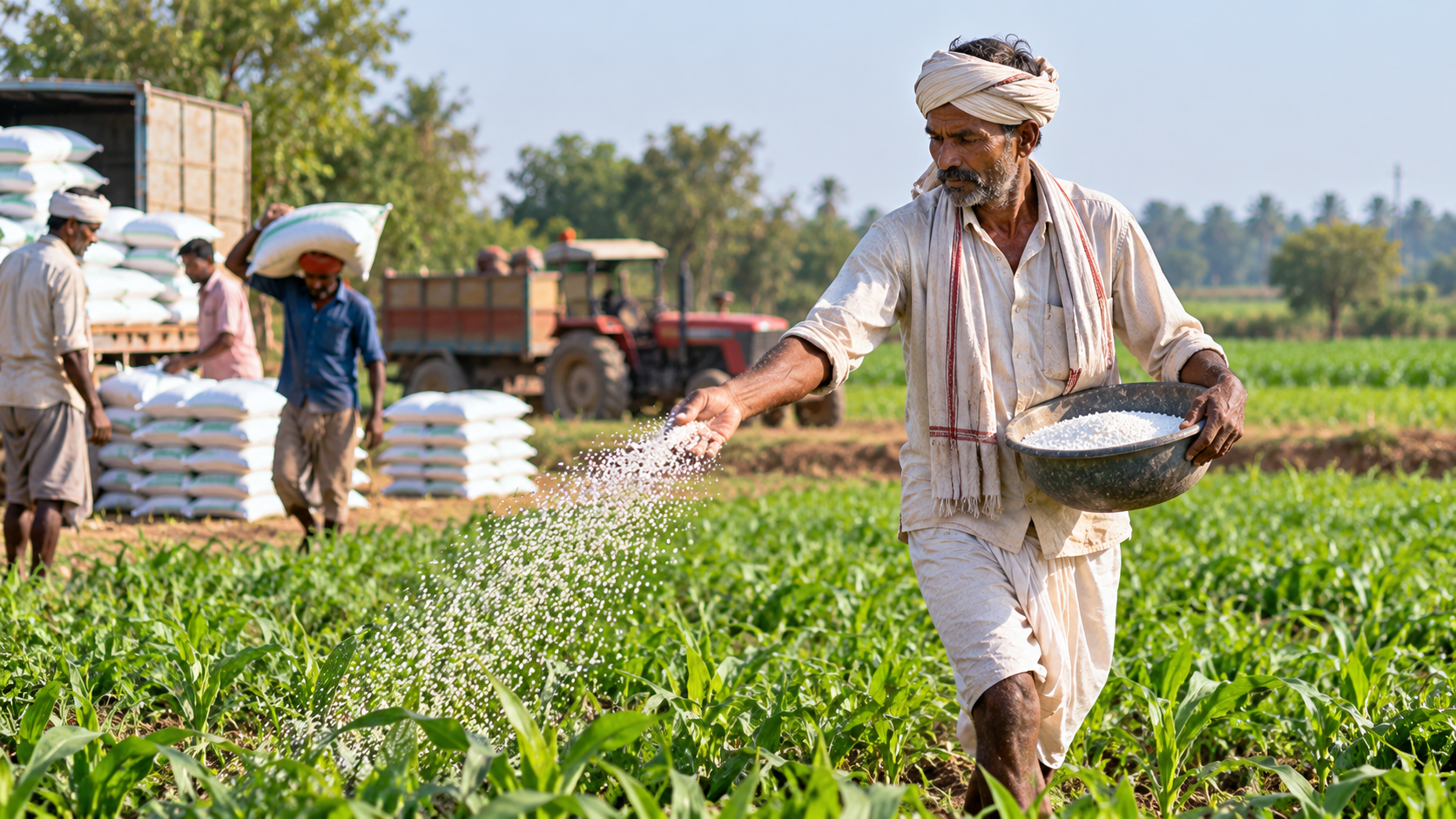
Market access for Canadian potash, one of Canada’s important exports to India, is also part of the discussions. India is seeking adequate access to key agricultural inputs while balancing the interests of domestic producers.
Technical regulations and product standards are another area of disagreement. Canada has raised concerns about standards applied to agricultural products, while India wants Canada to ease certain regulatory and product-safety requirements affecting Indian exports.
Visa access for professionals and workers is also being discussed as both countries seek to expand commercial ties and facilitate greater movement of people.
The latest round follows the previous round of negotiations held in New Delhi. Both governments are aiming to make progress towards concluding the agreement ahead of Prime Minister Narendra Modi’s expected visit to Canada in December.
The proposed CEPA is expected to cover a broad range of economic sectors. Both countries have also set an objective of more than doubling bilateral trade to $70 billion by 2030.
The negotiations are taking place amid changing global trade conditions and uncertainty over tariff policies in major markets, increasing the importance of stronger bilateral trade relationships and more diversified supply chains.