New labour codes, and the law of abundance

The new labour codes aim to boost ease of doing business, promote new enterprise & investments and also provide protection to all classes of workers, including gig and platform workers. But how implementable are these objectives in practice?

  • The Indian Parliament has introduced four labour codes to replace 44 labour laws, which pertain to industrial relations, social security, occupational safety and health conditions. 
  • The raising of threshold limit to hire and fire workers from 100 to 300 under the Industrial Relations Code is expected to remove the incentive for companies to remain small.
  • Introduction of one labour return, one licence and one registration is expected to ease compliance for businesses and promote more enterprise. 
  • A major highlight is the planned establishment of a National Social Security Board to cover all sections of workers including platform workers and gig workers. This aptly reflects the changing realities of the present day, but needs to be carefully executed to benefit both parties.
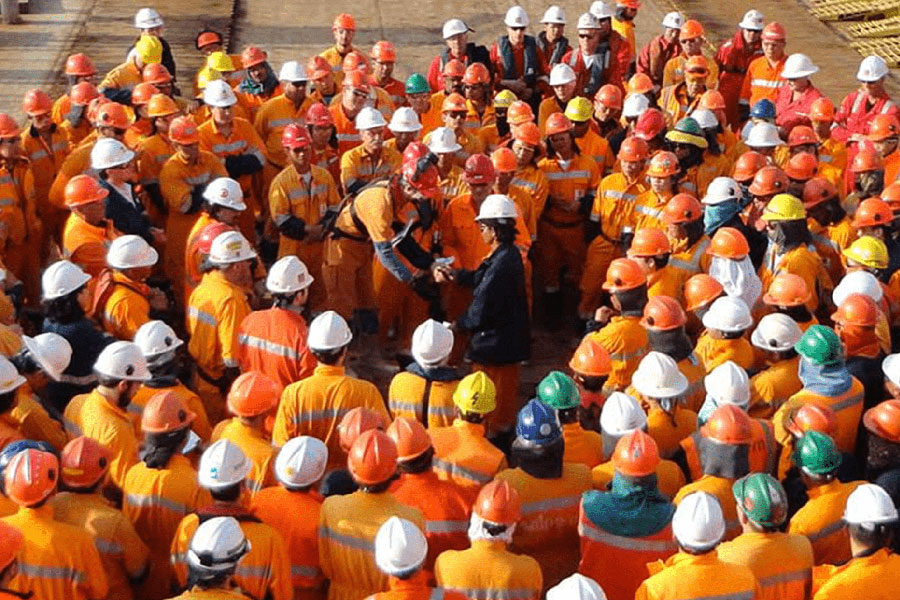
The Labour CodesThe Indian Parliament has recently passed the three labour codes: Industrial Relations Code, Social Security Code and Occupational Safety, Health and Working Conditions code. The government’s intention is to cover the 44 labour laws with these three codes and the Wage Bill Code which was passed in August 2019.

Industrial Relations Code combines the three central laws- the Industrial Employment Act, 1946, the Industrial Dispute Act 1947 and the Trade Unions Act, 1946. It includes conditions which focus on providing more relaxations to employers in hiring and firing the workers. In particular, it puts restrictions on the workers’ rights to strike and also revises the threshold for firms to freely hire and fire them.

The right to fire workers and shut down plants without government approval is now applicable to firms with upto 300 workers. The earlier threshold was 100 workers, which acted as an incentive for small firms to remain small and avoid such rules. If the government authorities do not respond, the retrenchment will be deemed to be approved. Given that 90% of workers in India still function in the informal sector, this ruling does not apply to them.

Just like the redefinition of MSMEs, the introduction of labour codes would reduce this incentive to an extent. Interestingly, 16 states have already raised the threshold to 300 without taking the central government’s permission. One evidence of positive impact of this change is Rajasthan. The state government raised the threshold to 300 workers in 2014 along with other labour laws. Post this change, the number of firms with over 100 employees has increased at a higher rate in Rajasthan (9.33%) in comparison to rest of the India (5.52%).

The code also imposes new conditions for workers to go on strike. They have to provide a 60-day advance notice, as compared to 2-6 weeks earlier. Earlier, this notice was only required by public utility industries like water, gas, electricity and telephone.

The laws are aimed at improving ease of doing business, encouraging entrepreneurship and attracting more investments into India. Besides ease of retrenchment and shutdown, the codes simplify rules for entrepreneurs; mandating ‘one labour return, one licence and one registration’ to smoothen compliance. Under the existing laws, business owners need to maintain eight registrations and four licences and file eight labour returns. With planned digitisation of the compliance process, the government further proposes to simplify matters for business. With more businesses looking to shift investments from China,

While some analysts are deeming these provisions to be decidedly pro-business and anti-worker, the IR Code Bill also proposes a worker reskilling fund for retrenched workers, with employee contribution equivalent to 15 days of the salary last drawn (sources of the same are to be clarified).

The other two codes aim to enhance the social security net and include inter-state migrant workers in the overall definition of workers. It is proposed under the Social Security Code to establish a National Social Security Board that will recommend suitable schemes for different sections of unorganised workers, gig workers and platform workers. Aggregators who utilise the services of gig workers will have to contribute 1-2% of their annual turnover for social security, with the total contribution not exceeding 5 per cent of the amount payable by these aggregators to gig and platform workers.

Enhancing the ambit of social security to all sections of the workforce would increase hiring costs for companies, particularly small and medium enterprises. But expanding the scope of labour laws to gig and platform workers is a welcome step, since it reflects the stark realities of the present day. India is one of the top 10 economies for gig workers, according to Payoneer Global Gig Economy Index in Q2, 2019, based on year-on-year revenue growth. This was evident in no uncertain terms during the COVID-19 pandemic. When people suddenly stopped taking cabs, drivers with aggregators such as Ola and Uber were in a state of panic. Due to the lack of protection, they faced heavy loss of incomes.

Legacy labour laws are based on an outdated outlook that identifies an employer/employee relationship as one which exists on a physical shopfloor/office space; with the rest classified as ‘independent contractors’. In day-to-day parlance, they are also viewed as micro entrepreneurs, who have an automatic motivation to upskill, and play a huge role in accomplishing temporary assignments for businesses. Needless to add, they automatically reduce the pressure on the employment market.

Traditional companies hiring such people for temporary assignments as well as new-age aggregators would cite the absence the physical shopfloor, as well as the fact that these employees can log in or log out of platforms and there are no fixed hours. These loopholes keeps them outside the ambit of labour laws. Therefore, devising a new framework to cover these segments has become necessary. Moreover, a number of MSME employees may not be able to get back to their pre-COVID jobs and are likely to enter the gig economy.

However, overarching legislation could have a detrimental effect. This has been observed in the state of California in the US, which has implemented a law – California Assembly Bill 5 (AB5) at the beginning of this year, which identifies most of the independent contractual workers as employees for legal and tax purposes. With that change, companies will be unable to hire them as contractors. On the flip side, those preferring contractual relations, particularly middle-aged and older workers, would be at a disadvantage. The share of people aged 55 and above who are working as independent contractors has increased by 19% between 2005 and 2017 according to the Economic Policy Institute.

A number of freelancers in California have suffered from lost work with the passage of the law, which makes them difficult to stay independent contractors. For instance, writers can deliver only upto 35 articles per year for a client to continue being identified as contractual. Companies are also subject to heavy fines if they misclassify a worker under this new legislation, which is making them reluctant to hire.

On the other hand, gig workers have a series of genuine issues to counter, like the lack of a transparent contract, delayed payments, and violation of basic rights. While formalisation of this workforce may be difficult from the state, some level of compliance can be mandated for companies. A possible idea in this regard could be contributory savings scheme outside the government legislations.

On the other hand, workers may be induced by firms for enticing contracts that may offer significant upside in the short term, but with conditions that are unfair. Proper education of workers in this regard as well as some certainty of roles and obligations in such engagements will help prevent such an eventuality.

Managing some of the inherent contradictions between business interest and labour protection have always been a tricky affair. Proponents of the theory of abundance would argue that a happy business makes for a happy employee and vice versa. By that logic, if companies are not unnecessarily hassled by regulation, it will encourage more entrepreneurs to set up and small business units to scale. This is only expected to improve the employment landscape for the citizens of India at large.

But at the same time, when businesses show that they care for the needs and aspirations of all classes of workers, productivity will also improve, leading to a win-win scenario. While the new labour codes set the course for this objective, they can only be achieved by the collective understanding, general consensus and positive intentions of employers and workers.

Previous Post
Next Post

Most Recent Posts

  • All Post
  • 8th Pay Commission
  • Aadhar
  • Aditya Birla Capital
  • Advertising Standards
  • Affordable Housing
  • Agriculture
  • Agriculture & Food
  • AI in Healthcare
  • AI Technology
  • Airlines
  • alcohol industry
  • Android
  • APEDA
  • Apple
  • Artificial Intelligence
  • Ashwini Vaishnaw
  • Asset Management
  • Atmanirbhar Bharat
  • Audio Devices
  • Audio Products
  • Auto Industry
  • Automobile
  • Automobiles
  • Automotive
  • Automotive Industry
  • Aviation
  • Bain Healthcare Report 2026
  • Bank
  • Banking
  • Banking Technology
  • Battery Industry
  • Beverage Industry
  • Beverages
  • Bihar
  • biotechnology
  • Bitcoin
  • BMW Group India
  • Brand Insight
  • BRICS
  • Bullion Market
  • Business
  • Business & Economy
  • Business & Trade
  • Business Leadership Post COVID-19
  • Business News
  • Business Terminology
  • Business Utilities
  • Buyback
  • Capital Goods
  • Capital Markets
  • CarsBusiness
  • CBIC
  • CCI
  • Child Investment
  • China
  • China technology news
  • Citizen Services
  • Clean Energy
  • Clean Technology
  • Cloud Computing
  • coal
  • Commerce
  • Commerce and Industry
  • Commercial Real Estate
  • Commercial Vehicles
  • Commodities
  • Communications
  • Companies
  • Competition Law
  • Compliance
  • Computer Accessories
  • connected cars
  • Consumer Affairs
  • Consumer Electronics
  • Consumer Finance
  • Consumer Goods
  • Consumer Health
  • Consumer Markets
  • Consumer News
  • Consumer Protection,
  • Consumer Rights
  • Consumer Spending
  • Consumer Trends
  • Content Creation
  • Copper
  • Corporate
  • corporate affairs
  • Corporate Earnings
  • Corporate Governance
  • Corporate News
  • Corporate Social Responsibility
  • Cost of Living
  • Country
  • CRED
  • Credit Cards
  • CREDIT RATING
  • Crude Oil
  • Cryptocurrency
  • CSR
  • Culture
  • Currency
  • Customs Duty
  • Cyber Security
  • Cybersecurity
  • Dairy Industry
  • Data & Analytics
  • Defence
  • Delhi Government
  • Delhi-NCR
  • Demographics
  • Derivatives
  • DGCA
  • DGFT
  • DigiLocker
  • Digital Assets
  • Digital Economy
  • Digital Health India
  • Digital Identity
  • Digital India
  • Digital Infrastructure
  • Digital passport for robots
  • Digital Payments
  • Digital Platforms
  • digital services
  • Diplomacy
  • Dixon Technologies
  • DPIIT
  • E Commerce
  • E-commerce
  • E-Governance
  • Ease of Doing Business
  • Economic Growth
  • Economy
  • Edible Oil Industry
  • Editor Choice
  • EdTech
  • Education
  • Electric Mobility
  • Electric Vehicles
  • Electronics
  • Employment
  • ENERGY
  • Engineering
  • Entertainment
  • Environment
  • EPFO
  • Ethanol Economy
  • EV Industry
  • EV Technology
  • Exports
  • EXTER
  • Farmers
  • Fashion
  • FINANCE
  • Finance Ministry,
  • Financial Marketing
  • Financial Markets
  • Financial News
  • Financial Planning
  • Financial Results
  • Financial Services
  • Fintech
  • FnTech
  • Food & Beverage
  • Food & Beverages
  • Food Exports
  • Food Industry
  • Food Manufacturing
  • Food Processing
  • Food Regulations
  • food safety
  • Foreign Exchange
  • Foreign Investment
  • Foreign Policy
  • Foreign Trade
  • Forex Reserves
  • fssai
  • FTA
  • Fuel
  • Fuel Prices
  • Future Energy
  • Gadgets
  • Gadgets & Apps
  • Gaming
  • GDP
  • Generative AI Healthcare
  • Geopolitics
  • GI Products
  • Global Brand Alliance
  • Global Economy
  • Global Markets
  • Global Politics
  • Global Tech
  • Global Trade Policy
  • Global Trends\
  • Gold
  • Gold Market
  • Gold Prices
  • Gols & Silver
  • Government
  • Government & Policy
  • Government Affairs
  • Government Bonds
  • Government Data
  • Government Initiatives
  • Government Policy
  • Government Policy & Regulation
  • Government Scheme
  • Government Schemes
  • Government Services
  • Green Energy
  • Green Mobility
  • GroupGlobal
  • GST
  • GST Council
  • GST Counsil
  • Hair Care
  • Hardware
  • Hatchback Segment
  • Health Supplements,
  • Horticulture
  • Housing
  • HSBC
  • Human Resources
  • humanoid robot market
  • Hyundai
  • IBT Infographics
  • iinvestment
  • Imports & Exports
  • Income Tax
  • India
  • India Auto Market
  • India Business News
  • India Inc
  • India News
  • India Retail
  • India-Canada Relations
  • India-China
  • India-Japan Relations
  • India-Russia Relations
  • India-South Korea Relations
  • India-US Relations
  • Indian Economy
  • Indian Navy
  • Industrial Pollution
  • Inflation
  • Infra
  • Infrastructure
  • Innovation
  • Instagram
  • Insurance
  • international
  • International Affairs
  • International Cooperation
  • International Relations
  • International Trade
  • Internet & Connectivity
  • Internet Policy
  • Internet Regulation
  • Interview
  • Investing
  • Investment News
  • Investments
  • iPhone News
  • IPO
  • IT Industry
  • Jewellery
  • Jio Platforms
  • JioBlackRock
  • Jobs & Careers
  • Joint Ventures
  • Kim Kardashian
  • Labour
  • Latest
  • Launches
  • Leadership
  • Leaderspeak
  • Lending
  • Lifestyle
  • Lifestyle Tech
  • List
  • Loans & Credit
  • Local News
  • Logistics
  • LPG
  • Luxury Cars
  • Machinery
  • Macroeconomics
  • Macroeconomy
  • maharashtra
  • Maharashtra News
  • Make in India
  • Makhana
  • Managed Workspaces
  • Manufacturing
  • Market Outlook
  • Markets
  • Maruti Suzuki
  • Mergers & Acquisitions
  • Meta
  • Microsoft
  • Middle East
  • Mobile Apps
  • Mobile Industry
  • Mobile Launch
  • Mobility
  • Monetary Policy
  • Monsoon
  • MoSPI
  • MSME
  • Mutual Funds
  • Nano Tech
  • National
  • National news
  • NEET 2026
  • NewsElectric
  • NewsTata
  • NPCI
  • NPS Vatsalya
  • Office Market
  • Oil & Gas
  • Oil and Gas
  • Others
  • OTT
  • Packaged Drinking Water
  • Packaged Foods
  • Packaging Industry
  • Packaging Innovation
  • Passenger Vehicles
  • Paytm
  • Pension & Retirement
  • Pensions
  • Personal Care
  • Personal Finance
  • Perspectives
  • Petroleum
  • PFRDA
  • Pharmaceuticals
  • PM Modi
  • PMAY-G
  • PMAY-U
  • PMAY,
  • PMI
  • policy
  • Population
  • PORTS
  • Positive News
  • PPF
  • Precious Metals
  • Pricing
  • Product Labeling
  • Product Labelling
  • Product Launch
  • Property Market
  • PSU
  • PSU Banks
  • Public Health
  • Public Policy
  • Public Safety
  • Public Sector
  • Public Services
  • Public Welfare
  • Quarterly Results
  • Railways
  • Rajasthan
  • Raksha Bandhan
  • Raksha Bandhan Gifts
  • Rare Earths
  • Ratings Agencies
  • RBI
  • Real Estate & Realty Sector
  • Recycling
  • Regulation
  • Regulatory Action
  • Regulatory Affairs
  • Regulatory Updates
  • REIT
  • Reliance Industries
  • Renewable Energy
  • RERA
  • Research
  • Retail
  • Retirement Planning
  • Road Infrastructure
  • Robotics & Automation
  • robotics standards
  • Rupee
  • Rural Development
  • Rural Housing
  • SAIL
  • Salaries
  • Samsung
  • Savings
  • Science & Technology
  • Sebi
  • Security
  • Semiconductor
  • Semiconductors
  • Services Sector,
  • SHIPPING
  • Silver Prices
  • Skill Development
  • Skills Development
  • Small Business
  • Smart Devices
  • Smart Home
  • Smart Mobility
  • Smartphones
  • Social Impact
  • Social Media
  • Society
  • Software Development
  • Solar Energy
  • Space Technology
  • Startups
  • Statistics
  • Steel Industry
  • Stock Market
  • stocks
  • streaming
  • Sugar Industry
  • Sukanya Samriddhi Yojana
  • Sustainability
  • SUV
  • Tamil Nadu Pollution Board
  • Tariffs
  • Tariffs & Duties
  • Tata Group
  • Tata Motors
  • Tata Sons
  • Tax Planning
  • Taxation
  • Tech
  • Tech Branding
  • Technology
  • Telecom & Technology
  • Telecom Industry
  • Top Story
  • Tourism
  • Trade
  • Trade Agreement
  • Trade Basket
  • Trade Partner
  • Trade Policy,
  • Transportation
  • Travel
  • Trending
  • Two-Wheelers
  • UIDAI
  • UPI
  • Urban Development
  • US-Iran Conflict Economic Impact
  • US–India Relations
  • Uttar Pradesh
  • Vaccines
  • VehiclesLuxury
  • vivo
  • Wastewater Management
  • Water Quality,
  • Wealth Management
  • Wearables
  • Wellness
  • WhatsApp
  • Wheat
  • Workplace
  • World
  • World News
  • Worldview
  • Yamaha
  • zLead Slider
    •   Back
    • Healthcare
    • Auto
    • Fmcg
    • Hospitality
    •   Back
    • Cash Crop
    • Organic
    • New Era Agri
    • Processed Food
    •   Back
    • Construction
    • Power
    • Mining
    • Telecom
    •   Back
    • ENERGY
    •   Back
    • Export/Import
    • Trade Deal
    • Trade Fair
    •   Back
    • Policies
    • Industry
    • Finance
    •   Back
    • Others technology
    • Mobile phone
    • Gadgets
    •   Back
    • Manufacturing
    • Services
    • Startup

India Business & Trade is a national media platform decoding the ideas, decisions and shifts shaping India’s growth story—across plicy, business, global commerce and a rapidly evolving marketplace.

Reach Us

India Business & Trade
M-62, Saket, New Delhi-110064, India

Subscribe To Newsletter

Stay ahead in the dynamic world of trade and commerce with India Business & Trade’s weekly newsletter.

Copyright © 2026 India Business & Trade. All Rights Reserved


Fatal error: Uncaught TypeError: Unsupported operand types: string * int in /var/www/sites/indiabusinesstrade.in/wp-content/plugins/royal-elementor-addons/admin/includes/wpr-templates-modal-popups.php:192 Stack trace: #0 /var/www/sites/indiabusinesstrade.in/wp-content/plugins/royal-elementor-addons/admin/includes/wpr-templates-modal-popups.php(128): WprAddons\Admin\Includes\WPR_Templates_Modal_Popups::get_template_settings() #1 /var/www/sites/indiabusinesstrade.in/wp-content/plugins/royal-elementor-addons/admin/includes/wpr-templates-modal-popups.php(106): WprAddons\Admin\Includes\WPR_Templates_Modal_Popups::render_popup_content() #2 /var/www/sites/indiabusinesstrade.in/wp-content/plugins/royal-elementor-addons/admin/includes/wpr-templates-modal-popups.php(64): WprAddons\Admin\Includes\WPR_Templates_Modal_Popups::display_popups_by_location() #3 /var/www/sites/indiabusinesstrade.in/wp-includes/class-wp-hook.php(341): WprAddons\Admin\Includes\WPR_Templates_Modal_Popups->render_popups() #4 /var/www/sites/indiabusinesstrade.in/wp-includes/class-wp-hook.php(365): WP_Hook->apply_filters() #5 /var/www/sites/indiabusinesstrade.in/wp-includes/plugin.php(522): WP_Hook->do_action() #6 /var/www/sites/indiabusinesstrade.in/wp-includes/general-template.php(3224): do_action() #7 /var/www/sites/indiabusinesstrade.in/wp-content/plugins/royal-elementor-addons/admin/templates/wpr-canvas.php(64): wp_footer() #8 /var/www/sites/indiabusinesstrade.in/wp-includes/template-loader.php(132): include('...') #9 /var/www/sites/indiabusinesstrade.in/wp-blog-header.php(19): require_once('...') #10 /var/www/sites/indiabusinesstrade.in/index.php(17): require('...') #11 {main} thrown in /var/www/sites/indiabusinesstrade.in/wp-content/plugins/royal-elementor-addons/admin/includes/wpr-templates-modal-popups.php on line 192