India at the crossroads: Navigating a shifting global trade order

With the US imposing steep tariffs and China tightening its grip on global supply chains, global trade is undergoing a major realignment. India, caught between these two powers, faces both challenges and opportunities. While China uses diplomacy, diversification, and logistics control to solidify its trade position, India must act fast—by boosting manufacturing competitiveness, scaling infrastructure, and aligning trade policies with industry strengths—to avoid being sidelined in the new world order.

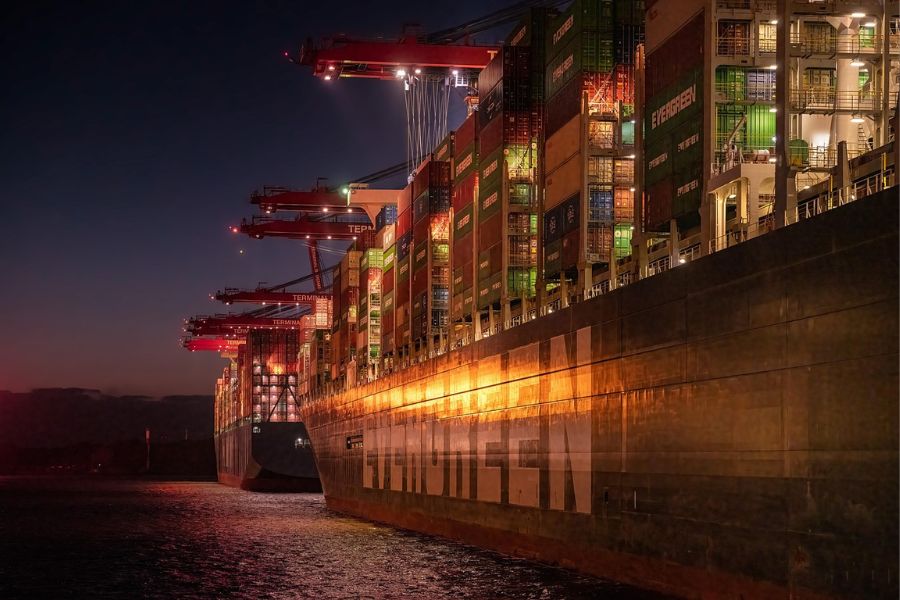
trade cargo_tpci_pixabayImage Source: Pixabay

April 2, 2025, marked a significant turning point in global trade when the US imposed a sweeping 10% tariff on all imports and higher tariffs on goods from 57 specific countries, including India. This move, aimed at rebalancing trade and revitalizing American manufacturing, has escalated trade tensions worldwide and raised concerns across markets. India now finds itself at a crossroads, with its largest export market—the US—implementing tariffs, while intensifying US-China tensions open new opportunities for the country.

Global trade is going through a shake-up. As the United States pulls back from wide-ranging trade partnerships and throws up more protectionist walls, China is quietly doing the opposite—building bridges and tightening its grip on global supply chains. “While the US has already started building the wall, China is actually trying to build bridges,” noted Prof Nilanjan Banik, Professor and Program Director, Mahindra University.

Since the Russia-Ukraine war, global alliances have been shifting. The US is now treating even long-standing allies with caution, while China is reaching out—to Canada, Mexico, Southeast Asia, and even parts of the EU. This outreach isn’t just diplomatic; it’s about building trade routes, securing investments, and locking in supply chains.

China has also found smart ways to sidestep US tariffs. It’s sourcing more from Brazil, Spain, and Germany; expanding market access for countries like Vietnam and Cambodia; and tightening trade links across Asia. These are strategic moves aimed at strengthening resilience and reducing overdependence on Western economies.

And it’s working. In 2001, just 30 countries traded more with China than with the US. Today, that number exceeds 130. “China has already positioned itself as the largest trading partner for almost 80% of WTO members,” Prof Banik observed. Much of this progress has come through massive infrastructure investments—nearly US $1 trillion on ports, railways, and power grids—to stay central to global trade.

Beyond tariffs, Chinese companies are now manufacturing abroad. Firms like BYD and Chery are setting up in Mexico and Canada, exporting to the US from there. Trade between China and Mexico alone jumped by US$ 30 billion last year. A significant chunk of Vietnamese exports also stems from Chinese investments behind the scenes.

Rewriting the rules of global manufacturing

But it’s not as simple as relocating operations and relabelling products. “If I’m a manufacturer thinking—let me import from China and export to the US—it’s just not that easy anymore,” said Dr. Arpita Mukherjee, Professor at ICRIER. “The rules of origin are kicking in. Everyone’s rerouting products, and America is watching closely.”

In complex sectors like electronics, where production spans several countries, identifying the true source of value addition is tricky. “You can’t just set up a new factory overnight. You have to track your inputs, assess value addition, and ensure you meet the origin rules,” Dr. Mukherjee added.

For manufacturers aspiring to join global value chains, especially in competitive sectors like FMCG, clarity on inputs and advantages is essential. “Which product do you have an edge in? Where are your inputs coming from? Can you climb up the value chain? That’s the kind of thinking manufacturers need to do right now,” she advised.

The good news for India is that manufacturing is largely free from regulatory restrictions and actively encouraged. But exporters face challenges—quality standards, access to raw materials, and infrastructure gaps. Addressing these is essential.

Mukherjee also highlighted that de-risking supply chains isn’t only about shifting away from China. It’s about diversification. “You’ve got to de-risk your sources of critical minerals, your logistics, and even your shipping routes,” she said. “Today it might be a container shortage, tomorrow a blocked sea route. You need multiple partners and routes.”

China’s own strategy provides some insights. It built up behind closed doors, joined the WTO when it was ready, and gradually asserted its position. Even when the US curbed access to Chinese tech firms, Beijing had built enough strength to weather the blow. “Most countries can’t do what China did, but they can be strategic—build alternatives, secure supply lines, and think long term,” Dr. Mukherjee said.

She also pointed out a lesser-known advantage: control over container logistics. “If you’re sending containers, you’ve got to bring them back. And China’s grip on global trade logistics allows it to control a huge chunk of that movement.”

So where does this leave India?

For one, it needs to be pragmatic. “You don’t respond to tariffs with more tariffs,” said Dr. Mridul Saggar, Head of the Centre for Macroeconomics, Banking & Finance at IIM Kozhikode. Instead, India must find ways to plug into supply chains and become a reliable partner.

Some of this is already underway. Dr. Banik noted that the Production-Linked Incentive (PLI) scheme, especially in mobile phones, is showing results. Still, more can be done. “We’ve spent about US$ 18 billion on PLIs so far—only 20% of what we spend annually on agriculture subsidies. Expanding PLI to other sectors could yield strong outcomes,” he said.

Tax adjustments could also help. According to Dr. Banik, reducing GST by 6–7% on select products could significantly boost exports, making Indian goods more competitive globally without needing to react to US tariff shifts.

Infrastructure is another priority. “Some southern states are already offering plug-and-play industrial zones, with utilities, finance access, and single-window clearance. That’s the kind of model India needs to scale nationwide,” Dr. Banik noted.

Even without a full Free Trade Agreement (FTA) with the US, smaller “mini-deals” remain possible. Recent trade dialogues and the first phase of the Bilateral Trade Agreement (BTA) are signs of incremental progress.

Dr. Pralok Gupta, Professor at the Centre for WTO Studies, IIFT, emphasized that India needs to think strategically and long-term. While the US and China are reshaping global trade dynamics, India must define its own path. “We need to stop being reactive and start planning from the lens of supply chain positioning,” he advised. For example, India’s trade agreements must be aligned with industry capabilities. Signing FTAs is not enough; success lies in identifying niche areas where India can lead, investing in skilling, and building ecosystems around them.

He also noted that India has to act fast. “Global supply chains are in motion. Once new linkages solidify, it’s hard to break into them.” India must prioritize becoming a dependable trade partner with a focus on ease of doing business, contract enforcement, and regulatory consistency.

In short, while the global trade chessboard is shifting, China is quietly stacking its pieces while others scramble to respond. For India, this may be a rare opportunity—if it focuses on fundamentals and rethinks how it engages with the world.

At a time when the US retreats from multilateralism and China strengthens its trade diplomacy, India must adopt a clear, proactive strategy. This isn’t about picking sides—it’s about resilience, foresight, and ensuring India isn’t left behind as the global trade map is redrawn.

Previous Post
Next Post

Most Recent Posts

  • All Post
  • 8th Pay Commission
  • Aadhar
  • Aditya Birla Capital
  • Advertising Standards
  • Affordable Housing
  • Agriculture
  • Agriculture & Food
  • AI in Healthcare
  • AI Technology
  • Airlines
  • alcohol industry
  • Android
  • APEDA
  • Apple
  • Artificial Intelligence
  • Ashwini Vaishnaw
  • Asset Management
  • Atmanirbhar Bharat
  • Audio Devices
  • Audio Products
  • Auto Industry
  • Automobile
  • Automobiles
  • Automotive
  • Automotive Industry
  • Aviation
  • Bain Healthcare Report 2026
  • Bank
  • Banking
  • Banking Technology
  • Battery Industry
  • Beverage Industry
  • Beverages
  • Bihar
  • biotechnology
  • Bitcoin
  • BMW Group India
  • Brand Insight
  • BRICS
  • Bullion Market
  • Business
  • Business & Economy
  • Business & Trade
  • Business Leadership Post COVID-19
  • Business News
  • Business Terminology
  • Business Utilities
  • Buyback
  • Capital Goods
  • Capital Markets
  • CarsBusiness
  • CBIC
  • CCI
  • chemicals
  • Child Investment
  • China
  • China technology news
  • Citizen Services
  • Clean Energy
  • Clean Technology
  • Cloud Computing
  • coal
  • Commerce
  • Commerce and Industry
  • Commercial Real Estate
  • Commercial Vehicles
  • Commodities
  • Communications
  • Companies
  • Competition Law
  • Compliance
  • Computer Accessories
  • connected cars
  • Consumer
  • Consumer Affairs
  • Consumer Electronics
  • Consumer Finance
  • Consumer Goods
  • Consumer Health
  • Consumer Markets
  • Consumer News
  • Consumer Protection,
  • Consumer Rights
  • Consumer Spending
  • Consumer Trends
  • Content Creation
  • Copper
  • Corporate
  • corporate affairs
  • Corporate Earnings
  • Corporate Governance
  • Corporate News
  • Corporate Social Responsibility
  • Cost of Living
  • Country
  • CRED
  • Credit Cards
  • CREDIT RATING
  • Crude Oil
  • Cryptocurrency
  • CSR
  • Culture
  • Currency
  • Customs Duty
  • Cyber Security
  • Cybersecurity
  • Dairy Industry
  • Data & Analytics
  • Defence
  • Delhi Government
  • Delhi-NCR
  • Demographics
  • Derivatives
  • DGCA
  • DGFT
  • DigiLocker
  • Digital Assets
  • Digital Economy
  • Digital Health India
  • Digital Identity
  • Digital India
  • Digital Infrastructure
  • Digital passport for robots
  • Digital Payments
  • Digital Platforms
  • digital services
  • Diplomacy
  • Dixon Technologies
  • DPIIT
  • E Commerce
  • E-commerce
  • E-Governance
  • Ease of Doing Business
  • Economic Growth
  • Economy
  • Edible Oil Industry
  • Editor Choice
  • EdTech
  • Education
  • Electric Mobility
  • Electric Vehicles
  • Electronics
  • Employment
  • ENERGY
  • Engineering
  • Entertainment
  • Environment
  • EPFO
  • Ethanol Economy
  • EV Industry
  • EV Technology
  • Exports
  • EXTER
  • Farmers
  • Fashion
  • FINANCE
  • Finance Ministry,
  • Financial Marketing
  • Financial Markets
  • Financial News
  • Financial Planning
  • Financial Results
  • Financial Services
  • Fintech
  • FnTech
  • Food & Beverage
  • Food & Beverages
  • Food Exports
  • Food Industry
  • Food Manufacturing
  • Food Processing
  • Food Regulations
  • food safety
  • Foreign Exchange
  • Foreign Investment
  • Foreign Policy
  • Foreign Trade
  • Forex Reserves
  • fssai
  • FTA
  • Fuel
  • Fuel Prices
  • Future Energy
  • Gadgets
  • Gadgets & Apps
  • Gaming
  • GDP
  • Generative AI Healthcare
  • Geopolitics
  • GI Products
  • Global Brand Alliance
  • Global Economy
  • Global Markets
  • Global Politics
  • Global Tech
  • Global Trade Policy
  • Global Trends\
  • Gold
  • Gold Market
  • Gold Prices
  • Gols & Silver
  • Government
  • Government & Policy
  • Government Affairs
  • Government Bonds
  • Government Data
  • Government Initiatives
  • Government Policy
  • Government Policy & Regulation
  • Government Scheme
  • Government Schemes
  • Government Services
  • Green Energy
  • Green Mobility
  • GroupGlobal
  • GST
  • GST Council
  • GST Counsil
  • Hair Care
  • Hardware
  • Hatchback Segment
  • Health Supplements,
  • Horticulture
  • Housing
  • HSBC
  • Human Resources
  • humanoid robot market
  • Hyundai
  • IBT Infographics
  • iinvestment
  • Imports & Exports
  • Income Tax
  • India
  • India Auto Market
  • India Business News
  • India Inc
  • India News
  • India Retail
  • India-Canada Relations
  • India-China
  • India-Japan Relations
  • India-Russia Relations
  • India-South Korea Relations
  • India-US Relations
  • Indian Economy
  • Indian Navy
  • Industrial Pollution
  • Inflation
  • Infra
  • Infrastructure
  • Innovation
  • Instagram
  • Insurance
  • international
  • International Affairs
  • International Cooperation
  • International Relations
  • International Trade
  • Internet & Connectivity
  • Internet Policy
  • Internet Regulation
  • Interview
  • Investing
  • Investment News
  • Investments
  • iPhone News
  • IPO
  • IT Industry
  • Jewellery
  • Jio Platforms
  • JioBlackRock
  • Jobs & Careers
  • Joint Ventures
  • Kim Kardashian
  • Labour
  • Latest
  • Launches
  • Leadership
  • Leaderspeak
  • Lending
  • Lifestyle
  • Lifestyle Tech
  • List
  • Loans & Credit
  • Local News
  • Logistics
  • LPG
  • Luxury Cars
  • Machinery
  • Macroeconomics
  • Macroeconomy
  • maharashtra
  • Maharashtra News
  • Make in India
  • Makhana
  • Manufacturing
  • Market Outlook
  • Markets
  • Maruti Suzuki
  • Mergers & Acquisitions
  • Meta
  • Microsoft
  • Middle East
  • Mobile Apps
  • Mobile Industry
  • Mobile Launch
  • Mobility
  • Monetary Policy
  • Monsoon
  • MoSPI
  • MSME
  • Mutual Funds
  • Nano Tech
  • National
  • National news
  • NEET 2026
  • NewsElectric
  • NewsTata
  • NPCI
  • NPS Vatsalya
  • Office Market
  • Oil & Gas
  • Oil and Gas
  • Others
  • OTT
  • Packaged Drinking Water
  • Packaged Foods
  • Packaging Industry
  • Packaging Innovation
  • Passenger Vehicles
  • Paytm
  • Pension & Retirement
  • Pensions
  • Personal Care
  • Personal Finance
  • Perspectives
  • Petroleum
  • PFRDA
  • Pharmaceuticals
  • PM Modi
  • PMAY-G
  • PMAY-U
  • PMAY,
  • PMI
  • policy
  • Population
  • PORTS
  • Positive News
  • PPF
  • Precious Metals
  • Pricing
  • Product Labeling
  • Product Labelling
  • Product Launch
  • Property Market
  • PSU
  • PSU Banks
  • Public Health
  • Public Policy
  • Public Safety
  • Public Sector
  • Public Services
  • Public Welfare
  • Quarterly Results
  • Railways
  • Rajasthan
  • Raksha Bandhan
  • Raksha Bandhan Gifts
  • Rare Earths
  • RBI
  • Real Estate & Realty Sector
  • Recycling
  • Regulation
  • Regulatory Action
  • Regulatory Affairs
  • Regulatory Updates
  • REIT
  • Reliance Industries
  • Renewable Energy
  • RERA
  • Research
  • Retail
  • Retirement Planning
  • Road Infrastructure
  • Robotics & Automation
  • robotics standards
  • Rupee
  • Rural Development
  • Rural Housing
  • SAIL
  • Salaries
  • Samsung
  • Savings
  • Science & Technology
  • Sebi
  • Security
  • Semiconductor
  • Services Sector,
  • SHIPPING
  • Silver Prices
  • Skill Development
  • Skills Development
  • Small Business
  • Smart Devices
  • Smart Home
  • Smart Mobility
  • Smartphones
  • Social Impact
  • Social Media
  • Society
  • Software Development
  • Solar Energy
  • Space Technology
  • Startups
  • Statistics
  • Steel Industry
  • Stock Market
  • stocks
  • streaming
  • Sugar Industry
  • Sukanya Samriddhi Yojana
  • Sustainability
  • SUV
  • Tamil Nadu Pollution Board
  • Tariffs
  • Tariffs & Duties
  • Tata Group
  • Tata Motors
  • Tata Sons
  • Tax Planning
  • Taxation
  • Tech
  • Tech Branding
  • Technology
  • Telecom & Technology
  • Telecom Industry
  • Top Story
  • Tourism
  • Trade
  • Trade Agreement
  • Trade Basket
  • Trade Partner
  • Trade Policy,
  • Transportation
  • Travel
  • Trending
  • Two-Wheelers
  • UIDAI
  • UPI
  • Urban Development
  • US-Iran Conflict Economic Impact
  • US–India Relations
  • Uttar Pradesh
  • VehiclesLuxury
  • vivo
  • Wastewater Management
  • Water Quality,
  • Wealth Management
  • Wearables
  • Wellness
  • WhatsApp
  • Wheat
  • Workplace
  • World
  • World News
  • Worldview
  • Yamaha
  • zLead Slider
    •   Back
    • Healthcare
    • Auto
    • Fmcg
    • Hospitality
    •   Back
    • Cash Crop
    • Organic
    • New Era Agri
    • Processed Food
    •   Back
    • Construction
    • Power
    • Mining
    • Telecom
    •   Back
    • ENERGY
    •   Back
    • Export/Import
    • Trade Deal
    • Trade Fair
    •   Back
    • Policies
    • Industry
    • Finance
    •   Back
    • Others technology
    • Mobile phone
    • Gadgets
    •   Back
    • Manufacturing
    • Services
    • Startup

India Business & Trade is a national media platform decoding the ideas, decisions and shifts shaping India’s growth story—across plicy, business, global commerce and a rapidly evolving marketplace.

Reach Us

India Business & Trade
M-62, Saket, New Delhi-110064, India

Subscribe To Newsletter

Stay ahead in the dynamic world of trade and commerce with India Business & Trade’s weekly newsletter.

Copyright © 2026 India Business & Trade. All Rights Reserved