Medical devices sector poised for US$ 10 billion in investments

India is one of the fastest-growing markets in the global medical devices industry, faces a significant concern as 70 to 80% of the industry relies on imports. Import dependency is particularly worrisome, with a sharp increase of 48% recorded last year from both the USA and China. 

But Rajiv Nath, Forum Coordinator, AiMed is confident that the sector is changing with corresponding strong performance in exports and emergence of some domestic champions. Moreover, with the launch of the New Medical Devices Policy 2023 and a carefully coordinated plan to attract investments, the sector is poised for a massive transformation in the coming years.
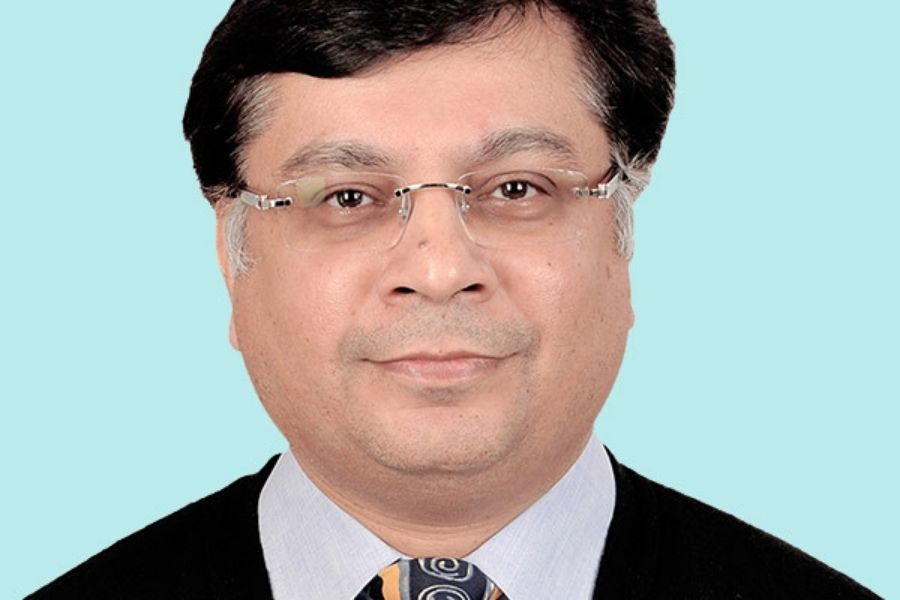
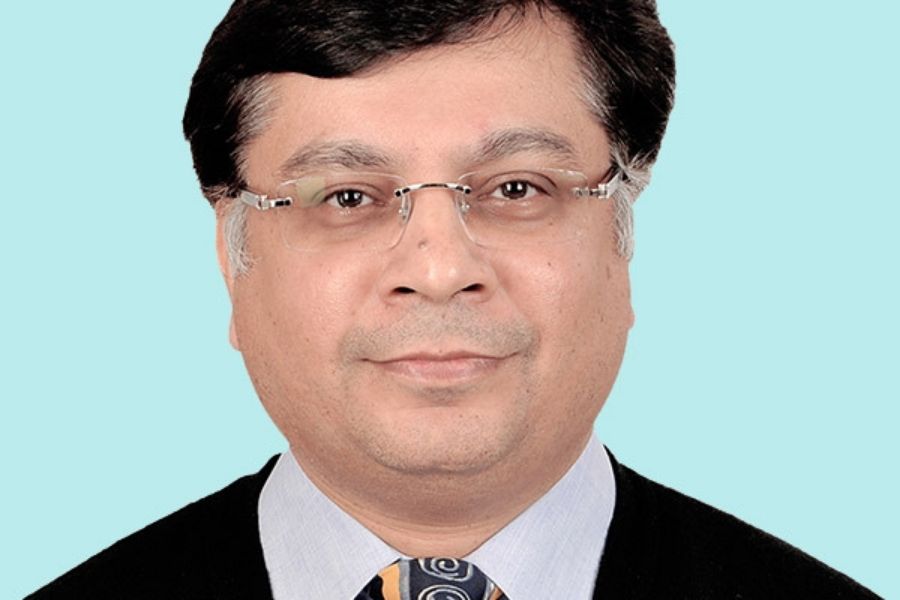
Rajiv Nath Medical Devices TPCI

India is one of the fastest-growing markets in the global medical devices industry, which is expected to grow to approximately US$ 7.97 billion by 2025. The Indian medical device market is relatively smaller than other overseas markets, but holds significant growth potential. Currently estimated at US$ 11 billion, it is expected to reach US$ 50 billion by 2025. The medical devices are divided into various segments including consumables and disposables, electronics and equipment, implants, IVD reagents, small segments of surgical instrumentation.

However, the persistent challenge for the medical devices industry has been its high import dependence. Import share over the last five years as a percentage in the various sectors has remained the same, with the dominant segment being medical electronics. Over the past five years, imports have increased from ₹ 40,000 crore to ₹ 61,000 crore (2022-23). Imports are mainly sourced from five countries – the US, Germany, China, Singapore, and Holland. It is surprising, though, that Singapore and Holland come in the top five. While they may not be very large producers by themselves, they do serve as transit points as they permit labeling of legal manufacture. Other countries like China or Ireland can use these countries to target other countries for entrance into their markets.

Imports surged by 48% last year, both from the US and China. Imports from the USA went up from ₹ 7,000 crore to ₹ 10,000 crore, and those from China went up from ₹ 9,000 crore to ₹ 13,500 crore. That’s a steep increase of ₹ 4,500 crore from one country alone last year.

Government’s Vision and Strategic point

The government has set a vision for India to be among the top five in the world for manufacturing medical devices. In fact, India aspires to be a global leader with 10-12% market share. To do this, they have put forward the New Medical Devices Policy backed by six strategic points.

The first aspect is regulatory streamlining. The government had introduced the Medical Device rules, which are harmonized with international medical device regulations. The responsibility of manufacturers is well defined in the rule book. The current punishments and disciplinary measures for manufacturers are governed by the Drugs Act, which the industry believes is not suitable. The industry has long been advocating for a separate decriminalized act similar to the Food Safety Act. However, it remains unclear how the government plans to address this issue in the future.

Secondly, enabling Infrastructure is a crucial aspect of the strategy. Medical device parks and strengthening existing clusters are the two core  components. Existing cluster hubs in India, such as the Delhi-NCR belt, Mumbai-Pune belt, Ahmedabad-Vadodara belt, Bangalore Belt, Hyderabad, Visakhapatnam, Chennai, etc need to be strengthened.

This can be achieved by helping manufacturers enhance their global competitiveness through reduced capital expenditure and providing access to shared manufacturing or testing facilities, eliminating the need for individual investments. In the realm of R&D and Innovation, the government has developed a draft R&D policy common to pharma and medical devices. The industry has been consulted on this policy, which will be applicable to both pharmaceuticals and medical devices.

Significant progress has already been made in building the ecosystem in the last decade, thanks to organizations like DSG, DBT, and BIRAC. India currently has over 80 bio-nests, along with institutions like IITs, venture centers, and the IKP Knowledge Park, which provide additional support to startups and entrepreneurs. These resources will be further strengthened in the future.

Attracting investments and having fresh talent is crucial for the sector’s growth. The government has granted approximately 2,800 licenses for factories in class A and B products and around 700 licenses for class C and D products. It is anticipated that another 500 licenses will be granted for classes A and B and 300 for classes C and D.

This will result in around 5,000 factories operated by 3,000 manufacturers in the medical devices sector. India should aim to double this investment in the next five years and it is possible. Initiatives like the PLI scheme and HR strategies, including upskilling and cross-functional courses in IITs and IISc, are in place to attract FDI. The integration of engineering and medical technology is essential, enabling engineers and doctors to become developers in the field.

For Brand Positioning and Awareness, the government has launched the Medical Device Export Commission Council, to enhance brand positioning and awareness. The council will be hosted at the Yaida Medtech Park near Noida Airport, with regional offices in Hyderabad and Visakhapatnam.

Along with Invest India, a game plan is being developed to attract an investment of approximately US$ 10 billion (Rs 80,000 crore) to tap the US$ 20 billion (Rs 1.6 lakh crore) market. The low hanging fruit is technical collaborations, and we are targeting 1,200 technical  collaborations of US$ 5 million (Rs 40 crore) each. Foreign suppliers willing to invest in joint ventures will bring in equity with around 200 projects of US$ 10 million (Rs 80 crore) each. Finally MNCs will wait for the ecosystem to develop and thrive and for the downstream ecosystem to be available before coming to India. They can bring in an additional US$ 2 billion of investments.

We are also working with various industries and trade bodies in reaching out to manufacturers and providing them with linkages for bringing this forward. This would also encourage new companies in medical device space to diversify into this sector.

While the aim  is to reduce import dependence, I would like to reiterate that we welcome the imports of high specification products.  It is something similar to the automotive industry. Companies like Maruti, Tata, and Hyundai manufacture small and mid-sized cars in the country. A discerning buyer with the money pays 150% customs duty and buys an imported Mercedes Benz or Audi. There is nothing wrong with that as they are not undermining Make in India. In fact such products motivate manufacturers to go up the value chain and manufacture higher quality products.

The bright spots

In this “import dominated” industry, India does have certain success stories of manufacturers who have broken the glass barrier and are doing well in the export market. So while India is heavily import-dependent, its export growth is faster than its import growth. Growth is encouraging across segments, led by electronics and consumables & disposables. In the last five years, exports grew from ₹ 17,000 crore to ₹ 27,000 crore in 2022-23. 

The government’s focus for the last few years has been on “Make in India” and making India Aatmaniirbhar. COVID has shown a silver lining for medical devices. The drop in imports from ₹ 63,276 crore in 2021-22 to ₹ 61,179 crore in 2022-23. This can be attributed to several factors like the significant decrease in imports of Covid-critical medical devices such as oxygen therapy equipment, diagnostic test kits, thermometers, examination gloves, and oximeters. 

Secondly, there has been an increase in the manufacturing of Made in India medical devices used in non-Covid care. Thirdly, restricted public procurement of imports and preference for Make in India devices with over 50% domestic content have also played a role. Additionally, there has been a notable increase in the imports of non-Covid medical devices due to the rebound of elective surgeries. These factors are expected to boost the market share of indigenous products in the coming years.


Rajiv Nath is Forum Coordinator, Association of Indian Medical Device Industry. Views expressed are personal.
Previous Post
Next Post

Most Recent Posts

  • All Post
  • 8th Pay Commission
  • Aadhar
  • Aditya Birla Capital
  • Advertising Standards
  • Affordable Housing
  • Agriculture
  • Agriculture & Food
  • AI in Healthcare
  • AI Technology
  • Airlines
  • alcohol industry
  • Android
  • APEDA
  • Apple
  • Artificial Intelligence
  • Ashwini Vaishnaw
  • Asset Management
  • Atmanirbhar Bharat
  • Audio Devices
  • Audio Products
  • Auto Industry
  • Automobile
  • Automobiles
  • Automotive
  • Automotive Industry
  • Aviation
  • Bain Healthcare Report 2026
  • Bank
  • Banking
  • Banking Technology
  • Battery Industry
  • Beverage Industry
  • Beverages
  • Bihar
  • biotechnology
  • Bitcoin
  • BMW Group India
  • Brand Insight
  • BRICS
  • Bullion Market
  • Business
  • Business & Economy
  • Business & Trade
  • Business Leadership Post COVID-19
  • Business News
  • Business Terminology
  • Business Utilities
  • Buyback
  • Capital Goods
  • Capital Markets
  • CarsBusiness
  • CBIC
  • CCI
  • chemicals
  • Child Investment
  • China
  • China technology news
  • Citizen Services
  • Clean Energy
  • Clean Technology
  • Cloud Computing
  • coal
  • Commerce
  • Commerce and Industry
  • Commercial Real Estate
  • Commercial Vehicles
  • Commodities
  • Communications
  • Companies
  • Competition Law
  • Compliance
  • Computer Accessories
  • connected cars
  • Consumer
  • Consumer Affairs
  • Consumer Electronics
  • Consumer Finance
  • Consumer Goods
  • Consumer Health
  • Consumer Markets
  • Consumer News
  • Consumer Protection,
  • Consumer Rights
  • Consumer Spending
  • Consumer Trends
  • Content Creation
  • Copper
  • Corporate
  • corporate affairs
  • Corporate Earnings
  • Corporate Governance
  • Corporate News
  • Corporate Social Responsibility
  • Cost of Living
  • Country
  • CRED
  • Credit Cards
  • CREDIT RATING
  • Crude Oil
  • Cryptocurrency
  • CSR
  • Culture
  • Currency
  • Customs Duty
  • Cyber Security
  • Cybersecurity
  • Dairy Industry
  • Data & Analytics
  • Defence
  • Delhi Government
  • Delhi-NCR
  • Demographics
  • Derivatives
  • DGCA
  • DGFT
  • DigiLocker
  • Digital Assets
  • Digital Economy
  • Digital Health India
  • Digital Identity
  • Digital India
  • Digital Infrastructure
  • Digital passport for robots
  • Digital Payments
  • Digital Platforms
  • digital services
  • Diplomacy
  • Dixon Technologies
  • DPIIT
  • E Commerce
  • E-commerce
  • E-Governance
  • Ease of Doing Business
  • Economic Growth
  • Economy
  • Edible Oil Industry
  • Editor Choice
  • EdTech
  • Education
  • Electric Mobility
  • Electric Vehicles
  • Electronics
  • Employment
  • ENERGY
  • Engineering
  • Entertainment
  • Environment
  • EPFO
  • Ethanol Economy
  • EV Industry
  • EV Technology
  • Exports
  • EXTER
  • Farmers
  • Fashion
  • FINANCE
  • Finance Ministry,
  • Financial Marketing
  • Financial Markets
  • Financial News
  • Financial Planning
  • Financial Results
  • Financial Services
  • Fintech
  • FnTech
  • Food & Beverage
  • Food & Beverages
  • Food Exports
  • Food Industry
  • Food Manufacturing
  • Food Processing
  • Food Regulations
  • food safety
  • Foreign Exchange
  • Foreign Investment
  • Foreign Policy
  • Foreign Trade
  • Forex Reserves
  • fssai
  • FTA
  • Fuel
  • Fuel Prices
  • Future Energy
  • Gadgets
  • Gadgets & Apps
  • Gaming
  • GDP
  • Generative AI Healthcare
  • Geopolitics
  • GI Products
  • Global Brand Alliance
  • Global Economy
  • Global Markets
  • Global Politics
  • Global Tech
  • Global Trade Policy
  • Global Trends\
  • Gold
  • Gold Market
  • Gold Prices
  • Gols & Silver
  • Government
  • Government & Policy
  • Government Affairs
  • Government Bonds
  • Government Data
  • Government Initiatives
  • Government Policy
  • Government Policy & Regulation
  • Government Scheme
  • Government Schemes
  • Government Services
  • Green Energy
  • Green Mobility
  • GroupGlobal
  • GST
  • GST Council
  • GST Counsil
  • Hair Care
  • Hardware
  • Hatchback Segment
  • Health Supplements,
  • Horticulture
  • Housing
  • HSBC
  • Human Resources
  • humanoid robot market
  • Hyundai
  • IBT Infographics
  • iinvestment
  • Imports & Exports
  • Income Tax
  • India
  • India Auto Market
  • India Business News
  • India Inc
  • India News
  • India Retail
  • India-Canada Relations
  • India-China
  • India-Japan Relations
  • India-Russia Relations
  • India-South Korea Relations
  • India-US Relations
  • Indian Economy
  • Indian Navy
  • Industrial Pollution
  • Inflation
  • Infra
  • Infrastructure
  • Innovation
  • Instagram
  • Insurance
  • international
  • International Affairs
  • International Cooperation
  • International Relations
  • International Trade
  • Internet & Connectivity
  • Internet Policy
  • Internet Regulation
  • Interview
  • Investing
  • Investment News
  • Investments
  • iPhone News
  • IPO
  • IT Industry
  • Jewellery
  • Jio Platforms
  • JioBlackRock
  • Jobs & Careers
  • Joint Ventures
  • Kim Kardashian
  • Labour
  • Latest
  • Launches
  • Leadership
  • Leaderspeak
  • Lending
  • Lifestyle
  • Lifestyle Tech
  • List
  • Loans & Credit
  • Local News
  • Logistics
  • LPG
  • Luxury Cars
  • Machinery
  • Macroeconomics
  • Macroeconomy
  • maharashtra
  • Maharashtra News
  • Make in India
  • Makhana
  • Manufacturing
  • Market Outlook
  • Markets
  • Maruti Suzuki
  • Mergers & Acquisitions
  • Meta
  • Microsoft
  • Middle East
  • Mobile Apps
  • Mobile Industry
  • Mobile Launch
  • Mobility
  • Monetary Policy
  • Monsoon
  • MoSPI
  • MSME
  • Mutual Funds
  • Nano Tech
  • National
  • National news
  • NEET 2026
  • NewsElectric
  • NewsTata
  • NPCI
  • NPS Vatsalya
  • Office Market
  • Oil & Gas
  • Oil and Gas
  • Others
  • OTT
  • Packaged Drinking Water
  • Packaged Foods
  • Packaging Industry
  • Packaging Innovation
  • Passenger Vehicles
  • Paytm
  • Pension & Retirement
  • Pensions
  • Personal Care
  • Personal Finance
  • Perspectives
  • Petroleum
  • PFRDA
  • Pharmaceuticals
  • PM Modi
  • PMAY-G
  • PMAY-U
  • PMAY,
  • PMI
  • policy
  • Population
  • PORTS
  • Positive News
  • PPF
  • Precious Metals
  • Pricing
  • Product Labeling
  • Product Labelling
  • Product Launch
  • Property Market
  • PSU
  • PSU Banks
  • Public Health
  • Public Policy
  • Public Safety
  • Public Sector
  • Public Services
  • Public Welfare
  • Quarterly Results
  • Railways
  • Rajasthan
  • Raksha Bandhan
  • Raksha Bandhan Gifts
  • Rare Earths
  • RBI
  • Real Estate & Realty Sector
  • Recycling
  • Regulation
  • Regulatory Action
  • Regulatory Affairs
  • Regulatory Updates
  • REIT
  • Reliance Industries
  • Renewable Energy
  • RERA
  • Research
  • Retail
  • Retirement Planning
  • Road Infrastructure
  • Robotics & Automation
  • robotics standards
  • Rupee
  • Rural Development
  • Rural Housing
  • SAIL
  • Salaries
  • Samsung
  • Savings
  • Science & Technology
  • Sebi
  • Security
  • Semiconductor
  • Services Sector,
  • SHIPPING
  • Silver Prices
  • Skill Development
  • Skills Development
  • Small Business
  • Smart Devices
  • Smart Home
  • Smart Mobility
  • Smartphones
  • Social Impact
  • Social Media
  • Society
  • Software Development
  • Solar Energy
  • Space Technology
  • Startups
  • Statistics
  • Steel Industry
  • Stock Market
  • stocks
  • streaming
  • Sugar Industry
  • Sukanya Samriddhi Yojana
  • Sustainability
  • SUV
  • Tamil Nadu Pollution Board
  • Tariffs
  • Tariffs & Duties
  • Tata Group
  • Tata Motors
  • Tata Sons
  • Tax Planning
  • Taxation
  • Tech
  • Tech Branding
  • Technology
  • Telecom & Technology
  • Telecom Industry
  • Top Story
  • Tourism
  • Trade
  • Trade Agreement
  • Trade Basket
  • Trade Partner
  • Trade Policy,
  • Transportation
  • Travel
  • Trending
  • Two-Wheelers
  • UIDAI
  • UPI
  • Urban Development
  • US-Iran Conflict Economic Impact
  • US–India Relations
  • Uttar Pradesh
  • VehiclesLuxury
  • vivo
  • Wastewater Management
  • Water Quality,
  • Wealth Management
  • Wearables
  • Wellness
  • WhatsApp
  • Wheat
  • Workplace
  • World
  • World News
  • Worldview
  • Yamaha
  • zLead Slider
    •   Back
    • Healthcare
    • Auto
    • Fmcg
    • Hospitality
    •   Back
    • Cash Crop
    • Organic
    • New Era Agri
    • Processed Food
    •   Back
    • Construction
    • Power
    • Mining
    • Telecom
    •   Back
    • ENERGY
    •   Back
    • Export/Import
    • Trade Deal
    • Trade Fair
    •   Back
    • Policies
    • Industry
    • Finance
    •   Back
    • Others technology
    • Mobile phone
    • Gadgets
    •   Back
    • Manufacturing
    • Services
    • Startup

India Business & Trade is a national media platform decoding the ideas, decisions and shifts shaping India’s growth story—across plicy, business, global commerce and a rapidly evolving marketplace.

Reach Us

India Business & Trade
M-62, Saket, New Delhi-110064, India

Subscribe To Newsletter

Stay ahead in the dynamic world of trade and commerce with India Business & Trade’s weekly newsletter.

Copyright © 2026 India Business & Trade. All Rights Reserved