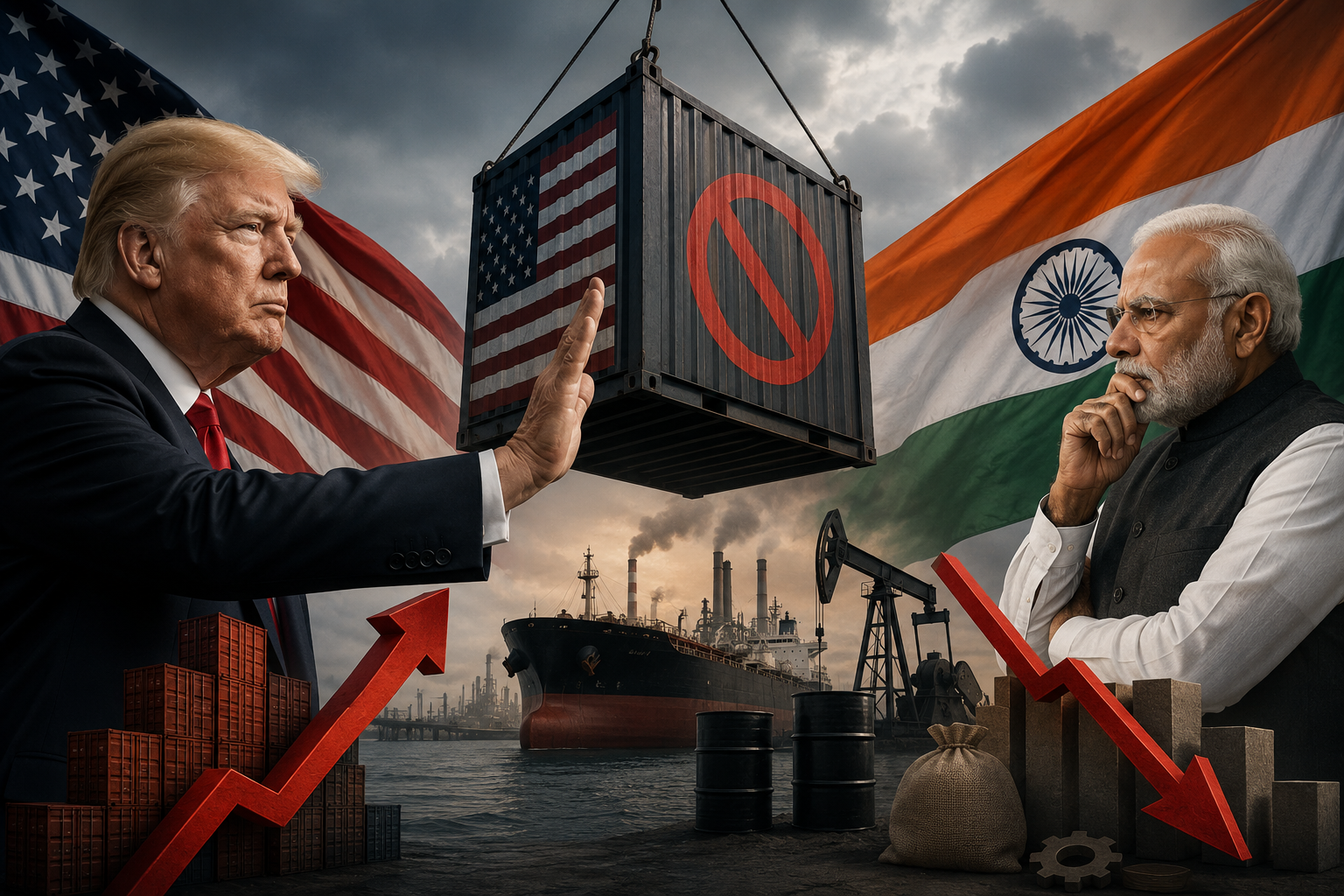
The US Senate-backed legislation could allow President Donald Trump to impose tariffs of up to 100% on goods from major buyers of Russian oil and gas, including India.
If enacted and actually applied to India, the measure could put pressure on exports, corporate earnings and New Delhi’s energy strategy.
Highlights
- The US Senate has approved the Russia sanctions legislation by an 86-11 vote.
- The bill could enable 100% tariffs on countries among the five biggest importers of Russian oil and gas.
- India is currently identified among the countries potentially exposed to the measure.
- A 100% tariff could severely weaken the price competitiveness of Indian goods in the US market.
- Export-oriented sectors such as textiles, engineering goods, gems and jewellery, chemicals and other manufactured products could face risks.
- The immediate impact is not automatic: the bill still needs House approval, and the tariff power would then have to be exercised.
India could face a fresh trade and economic challenge after the US Senate approved legislation aimed at increasing pressure on Russia and countries that continue to buy large quantities of Russian energy.
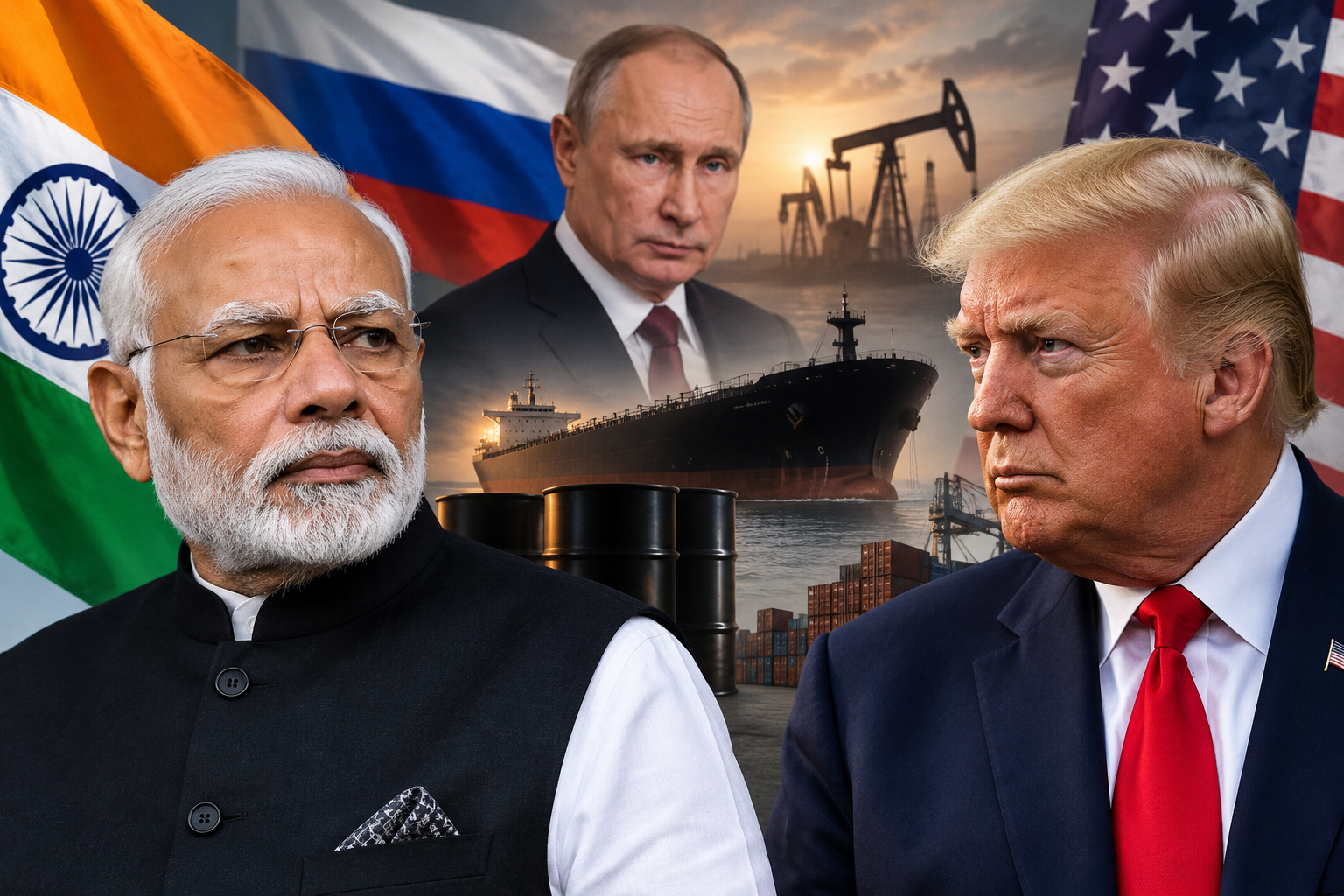
The Lindsey O. Graham Sanctioning Russia and Iran Act of 2026 was cleared by the Senate in an 86-11 vote. According to the proposed legislation, US President Donald Trump could impose tariffs of up to 100% on goods from countries that rank among the five largest importers of Russian oil and gas.
India, China, Azerbaijan, Hungary and Slovakia are currently identified in the report as the top five buyers, putting India potentially within the scope of the proposed measure.
For India, however, there is no immediate 100% tariff yet. The legislation must first clear the US House of Representatives, which is expected to reconvene on August 31. Even after becoming law, the tariff provision would need to be applied by the US administration.
If a 100% tariff were imposed on Indian goods, the biggest direct impact could be on exporters. Such a steep additional levy would effectively double the tariff component on affected products, potentially making many Indian shipments significantly less competitive in the American market.
Businesses with high dependence on US customers could face order cancellations, pricing pressure or lower margins. Export-oriented industries could also be forced to explore alternative markets or absorb part of the additional cost to retain customers.
There could be a wider impact on India’s economy as well. Any substantial decline in exports to the US could affect foreign-exchange inflows and potentially add pressure on the rupee. Companies exposed to American demand could also see greater uncertainty around earnings and investment decisions.
The bigger strategic issue concerns Russian crude. India increased purchases of discounted Russian oil after the Ukraine conflict disrupted global energy trade. Access to competitively priced crude has helped Indian refiners manage input costs.
New Delhi could therefore face a difficult balancing act if Washington ultimately activates the proposed tariffs: continuing Russian energy purchases could create trade risks in the US, while sharply reducing them could potentially increase India’s crude import bill if alternative supplies are more expensive.
For now, the development represents a potential economic risk rather than an implemented tariff, with the next major step being consideration by the US House.