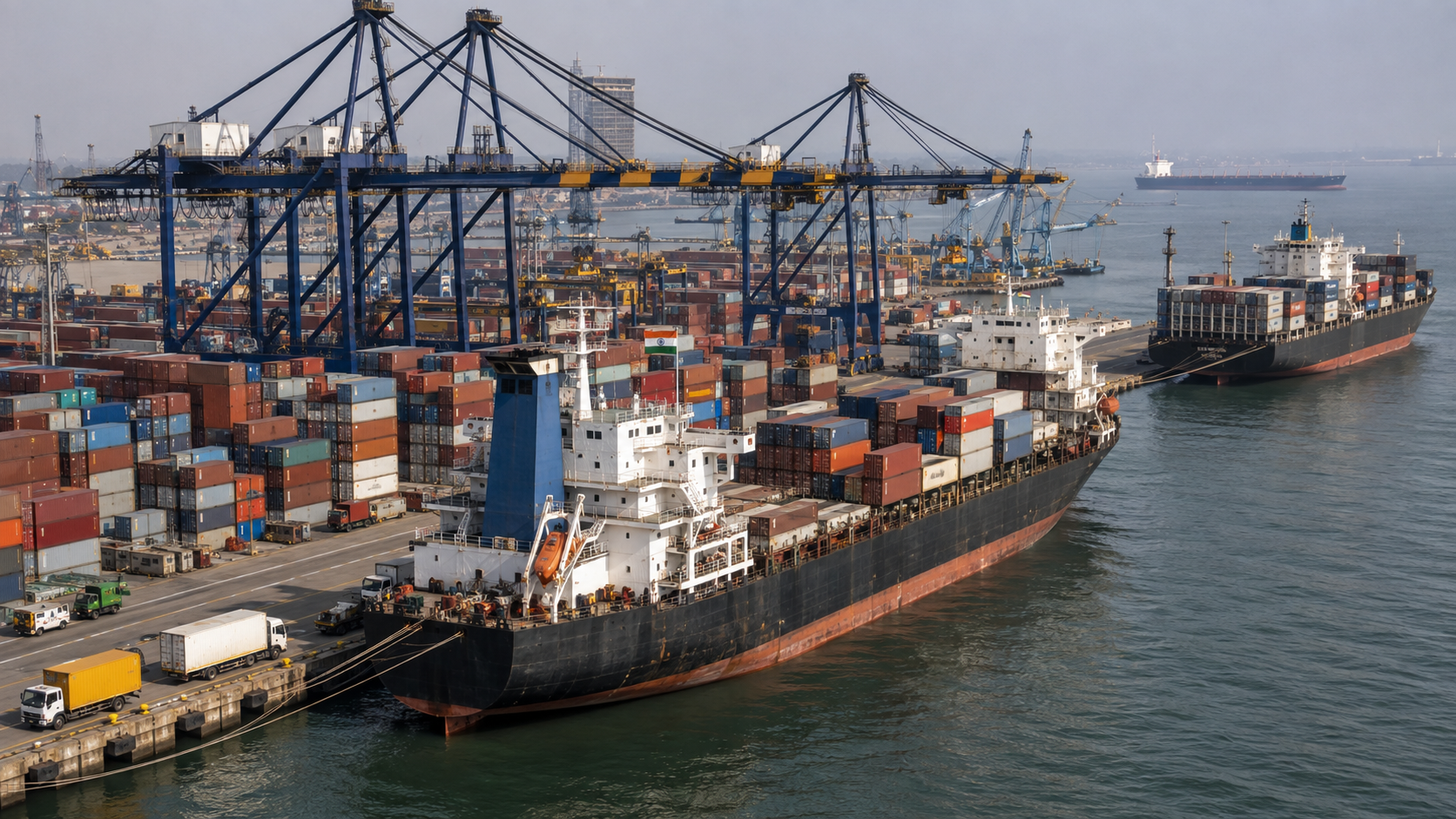
Government aims to strengthen domestic shipping capacity
Key Highlights
- India plans to add 100 vessels to its merchant fleet over the next five years.
- The country pays nearly US$75 billion annually to foreign shipping lines for transporting cargo.
- The government wants to reduce dependence on foreign vessels and strengthen domestic shipping capacity.
- A five-point roadmap proposes fiscal reforms, assured cargo support and competitive financing.
- Operating under the Indian flag is estimated to be 16-20% costlier than operating under foreign flags.
- India has allocated ₹10,000 crore for the Container Manufacturing Assistance Scheme.
- Maersk has placed orders for containers manufactured in India under the initiative.
- India aims to emerge as one of the world’s leading ship-owning nations by 2047.
New Delhi: India plans to add 100 vessels to its merchant fleet over the next five years as the government seeks to reduce the country’s dependence on foreign shipping lines and retain a larger share of freight expenditure within the domestic maritime economy.
Union Minister for Ports, Shipping and Waterways Sarbananda Sonowal outlined the plan at the National Shipping Board’s first ‘Sagar Samvad’, which brought together policymakers, shipowners, financiers and maritime stakeholders to discuss the roadmap under Maritime India Vision 2030 and Maritime Amrit Kaal Vision 2047.
Minister of State for Ports, Shipping and Waterways Shantanu Thakur said India currently pays close to US$75 billion every year in freight to foreign shipping lines. Strengthening the competitiveness and capacity of Indian shipowners could help retain a greater share of this expenditure domestically.
Five-Point Roadmap for Shipping
The National Shipping Board has proposed a five-point roadmap covering fiscal reforms, assured cargo support, access to competitive financing, regulatory streamlining and improvements in ease of doing business.
Sonowal said the measures collectively represent an effort to give India greater control over its trade flows. The expansion is particularly significant because the country continues to depend heavily on foreign shipping for transporting critical commodities such as crude oil, gas, coal and fertilisers.
However, Indian shipowners continue to face a cost disadvantage. Industry representatives said operating vessels under the Indian flag remains around 16% to 20% more expensive than operating under foreign flags. Taxes on ship imports and maintenance services, taxation involving seafarers and freight, and relatively high domestic financing costs were among the challenges highlighted.
Shipbuilding and Container Manufacturing
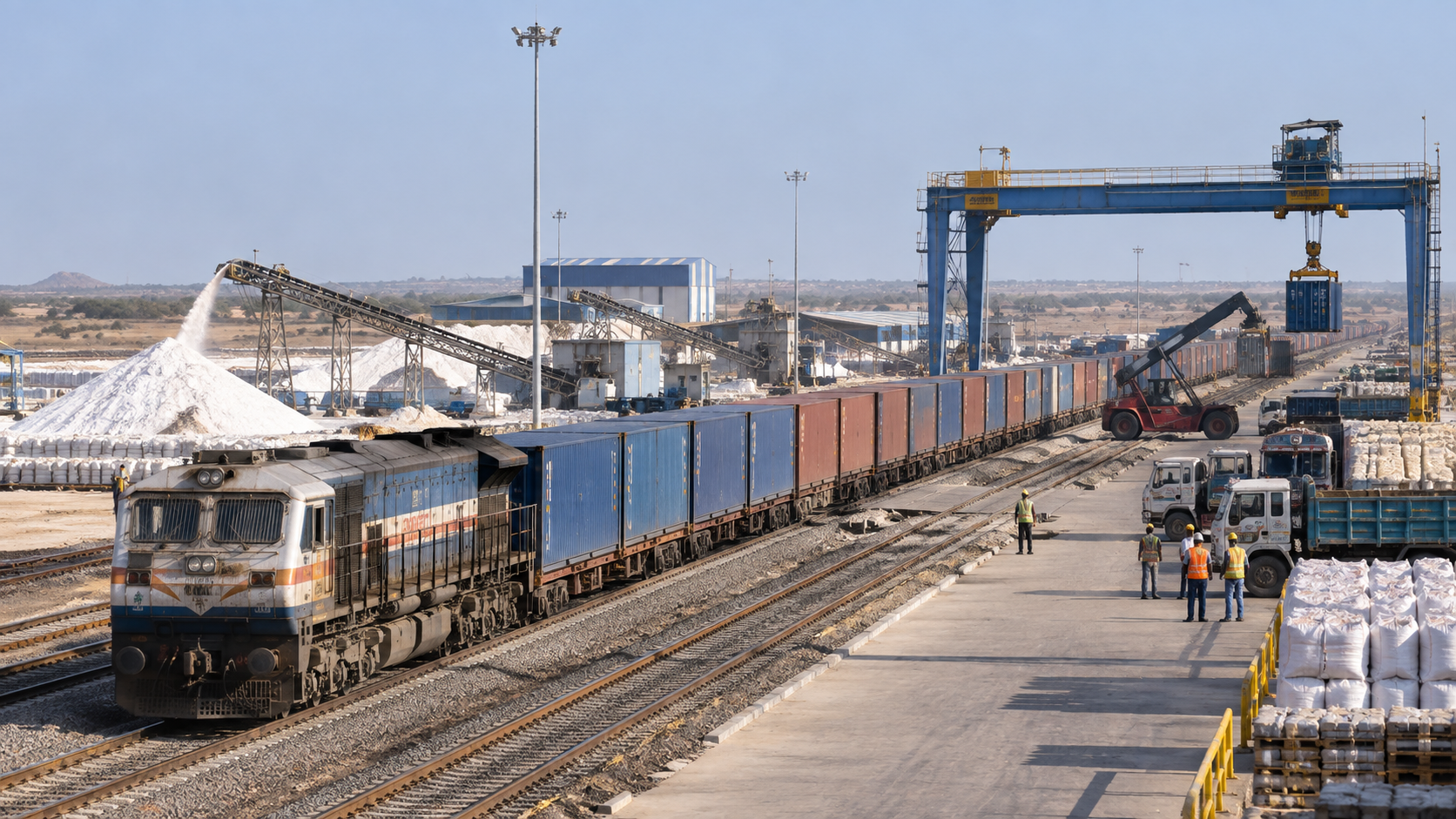
The government is simultaneously looking to strengthen India’s broader maritime manufacturing ecosystem. A ₹10,000-crore Container Manufacturing Assistance Scheme has been highlighted as part of efforts to develop domestic container production capacity. Global shipping major Maersk has already ordered containers manufactured in India under the initiative.
Expanding domestic shipbuilding and container manufacturing could also create opportunities across supporting industries, maritime services and supply chains.
Maritime Sector Could Create Jobs
Employment is another major focus of the maritime expansion strategy. Labour and Employment Minister Mansukh Mandaviya said the sector could become an important source of employment for Indian youth, including opportunities in cruise shipping and advanced shipbuilding.
The proposed 100-vessel expansion forms part of India’s longer-term ambition to strengthen its merchant fleet, reduce exposure to foreign freight providers and emerge as one of the world’s leading ship-owning nations by 2047.