India’s UPI ecosystem creates massive public value, but its growing costs raise a crucial policy question over who should ultimately pay for sustaining digital public infrastructure.
Key Highlights:
- UPI has transformed India’s digital payments ecosystem.
- The platform has reduced dependence on cash and expanded financial inclusion.
- UPI generates wider economic benefits beyond individual transactions.
- Banks, NPCI, fintech firms and payment providers incur significant operating costs.
- The debate over MDR raises questions about UPI’s long-term financial sustainability.
- Large merchants could potentially contribute while keeping UPI access free for individuals.
- A hybrid financing model could balance public interest and ecosystem sustainability.
- The larger question is who should finance India’s digital public infrastructure.
Author: Krishna Uppuluri
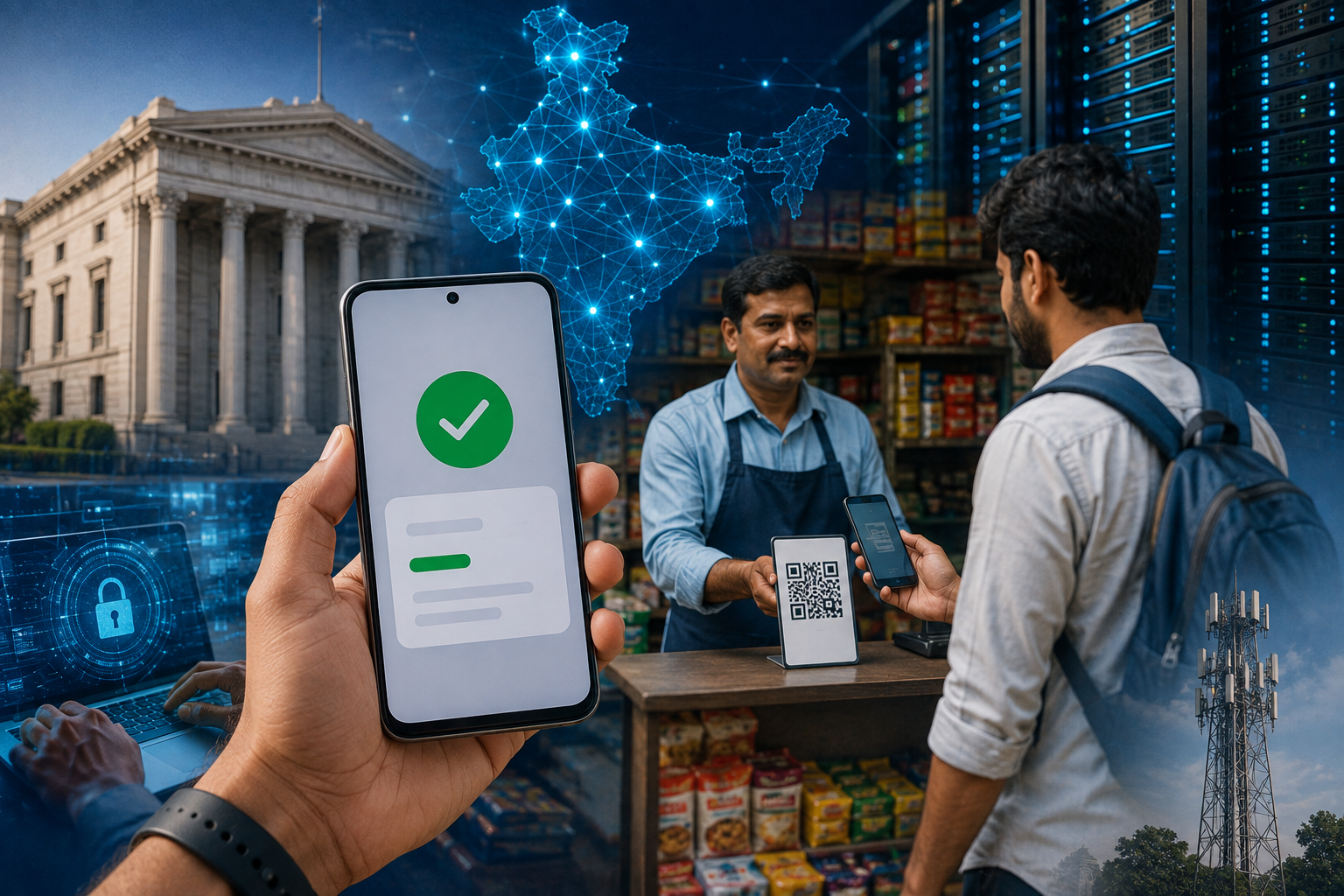
India’s Unified Payments Interface (UPI) has fundamentally changed the country’s digital economy. It has reduced dependence on cash, lowered transaction costs, expanded financial inclusion and emerged as one of the world’s most successful examples of Digital Public Infrastructure (DPI).
However, the recent debate around introducing a nominal Merchant Discount Rate (MDR) for certain merchant transactions has raised a broader public policy question: Who should pay for public digital infrastructure?
The issue goes beyond UPI itself. It reflects a larger question about how societies should finance infrastructure that creates benefits for both individual users and the wider economy.
There are broadly two approaches to financing infrastructure.
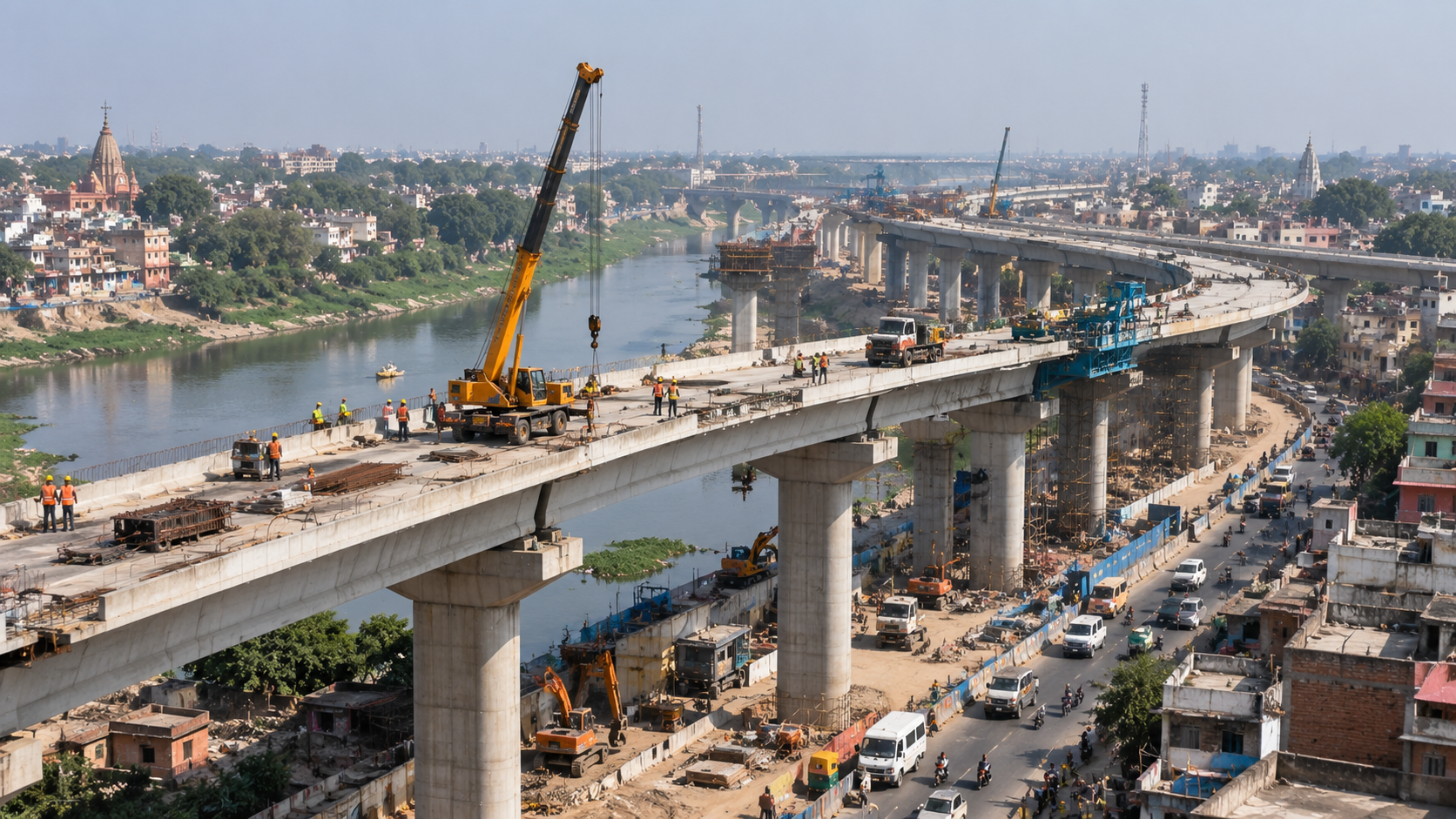
The first is the taxpayer-funded model. Roads, public parks, government schools and several public health services are financed collectively because their benefits extend beyond the people who directly use them. Economists describe these wider benefits as positive externalities.
The second is the user-pays model, where people or businesses that directly benefit from a service contribute towards its cost. Toll roads, electricity, mobile telephony and many digital services operate on this principle.
UPI, however, does not fit neatly into either model.
On one side, UPI creates significant public value. It promotes financial inclusion, encourages digital payments, reduces the cost of handling cash, improves transparency, supports formalisation of the economy and allows millions of small businesses to participate in the digital marketplace.
These broader benefits provide a strong argument for continued public investment in the ecosystem.
At the same time, operating UPI involves substantial costs. Banks, the National Payments Corporation of India (NPCI), payment service providers and fintech companies continuously invest in technology, cybersecurity, fraud prevention, customer support and system upgrades.
Expecting the entire ecosystem to operate indefinitely without a sustainable revenue model may therefore create challenges over the long term.
This has made the debate around UPI financing increasingly important.
One argument is that UPI should remain completely free because digital payments generate benefits for the economy as a whole. Another view is that the costs of operating the system must ultimately be borne by someone.
Both arguments have merit.
The more important question is who should bear which costs?
One possibility is that taxpayers continue supporting the ecosystem because digital payments create broad economic benefits. Another is that large merchants, who gain substantially from lower cash-handling costs and faster settlements, contribute through a modest MDR.
Banks could also absorb part of the cost because digital payments can reduce their own operating expenses. Alternatively, India could consider a hybrid model in which different stakeholders share the financial burden.
A public policy framework does not necessarily have to choose between keeping UPI free and making the ecosystem financially sustainable.
A carefully designed financing structure could preserve free access for individuals and small merchants while asking larger commercial users, who derive substantial business value from the platform, to make a modest contribution.
Such an approach could help protect financial inclusion while also providing the ecosystem with a more sustainable financial foundation.
India’s achievement is not limited to creating large-scale Digital Public Infrastructure. The bigger challenge is ensuring that such infrastructure remains efficient, innovative and financially sustainable over the long term.
The debate, therefore, should move beyond whether UPI should remain free.
The more fundamental question is how a nation should finance digital public infrastructure that creates value for everyone while still generating costs that must ultimately be covered.
That is the broader policy conversation India may need to have as its digital payments ecosystem continues to expand.
(Krishna Uppuluri is a development professional, educator, and research scholar whose work explores the intersection of public policy, governance, rural development, and institution building.)