Growth Must Accelerate Further
Key Highlights
- India’s economy expanded 7.3% year-on-year in the latest quarter.
- Growth has slowed from the 7.8% pace recorded a year earlier.
- India would need around 9.25% annual growth over a sustained period to achieve its developed-nation target.
- The country’s per-capita income remains considerably below the level required for high-income status.
- Higher productivity, stronger investment and improved skills will be critical to closing the growth gap.
- Consumer demand and investment activity remain important drivers of economic expansion.
- Economists say India’s demographic advantage can support faster growth if employment and productivity improve.
India’s strong economic expansion is increasingly being measured against a much more demanding benchmark: the pace of growth required to transform the country into a developed economy.
The latest data show that India’s economy expanded 7.3% year-on-year in the latest quarter, moderating from the 7.8% growth recorded a year earlier. While the pace remains among the strongest major-economy growth rates globally, economists point out that maintaining high growth for several decades will be essential if India is to achieve its long-term development ambitions.
According to the assessment highlighted in the newspaper report, India would need to sustain growth of around 9.25% annually over an extended period to reach the scale of a developed economy. That makes the difference between the current growth rate and the required pace an important policy challenge.
The issue is not simply about increasing headline GDP growth. India also needs to raise productivity, create more high-quality employment and ensure that economic expansion translates into higher incomes for households.
A key concern is India’s relatively low per-capita income. The report notes that per-capita income would need to rise substantially to reach high-income status. This requires a combination of faster economic growth, stronger productivity and a broader expansion of formal employment.
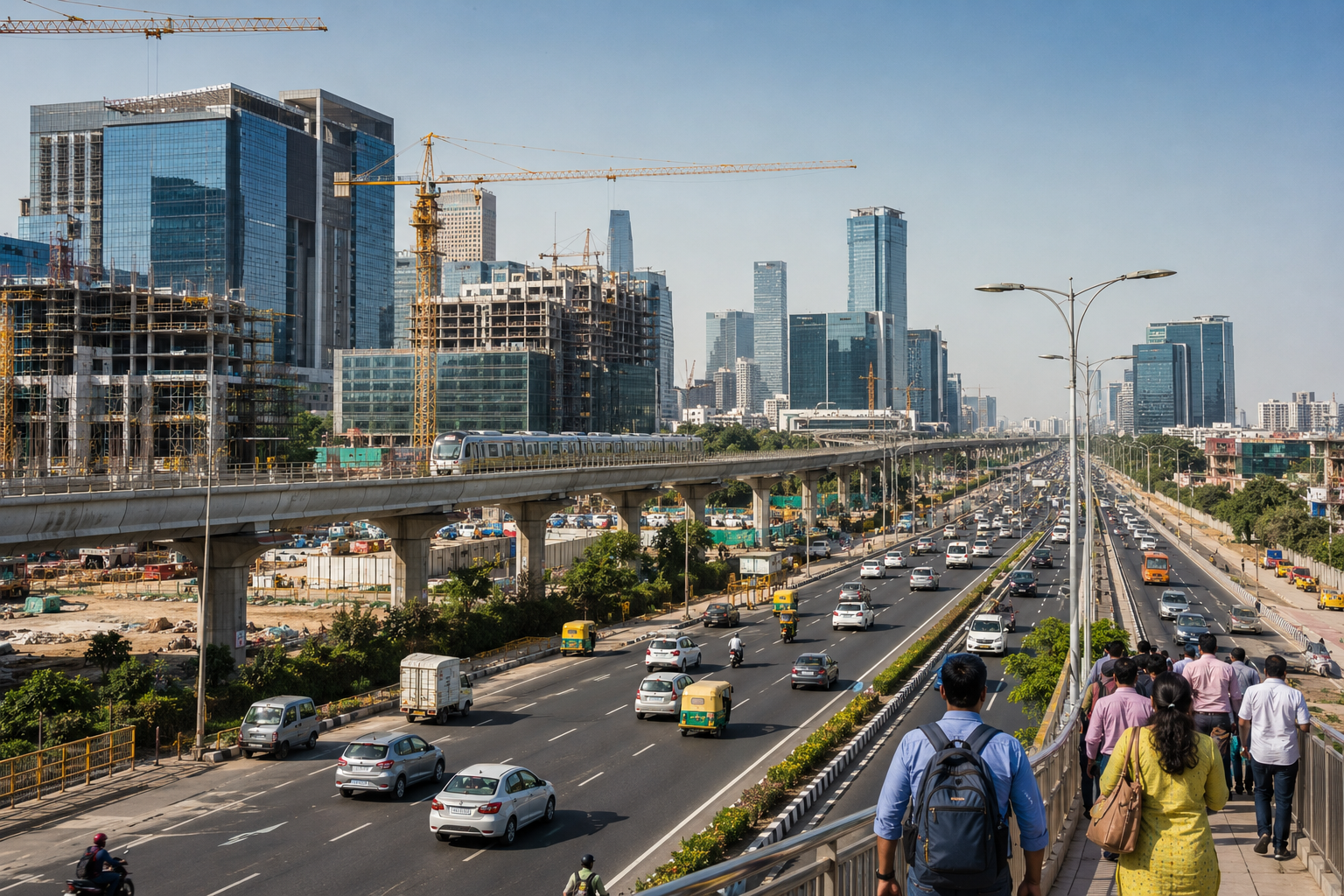
India’s large working-age population provides an important opportunity. If more people enter productive employment and businesses continue to invest in manufacturing, infrastructure, technology and services, the economy could potentially maintain a higher growth trajectory.
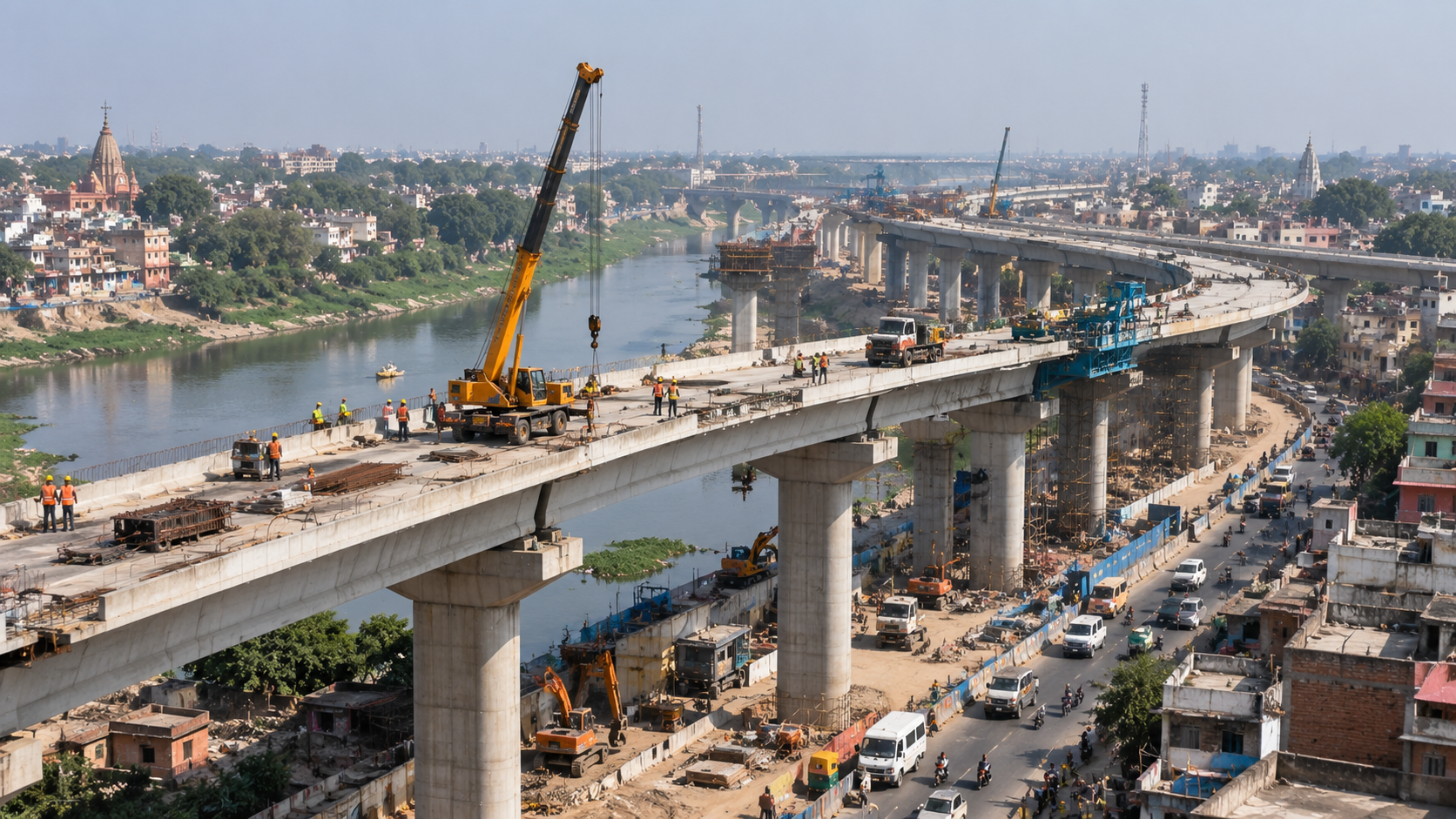
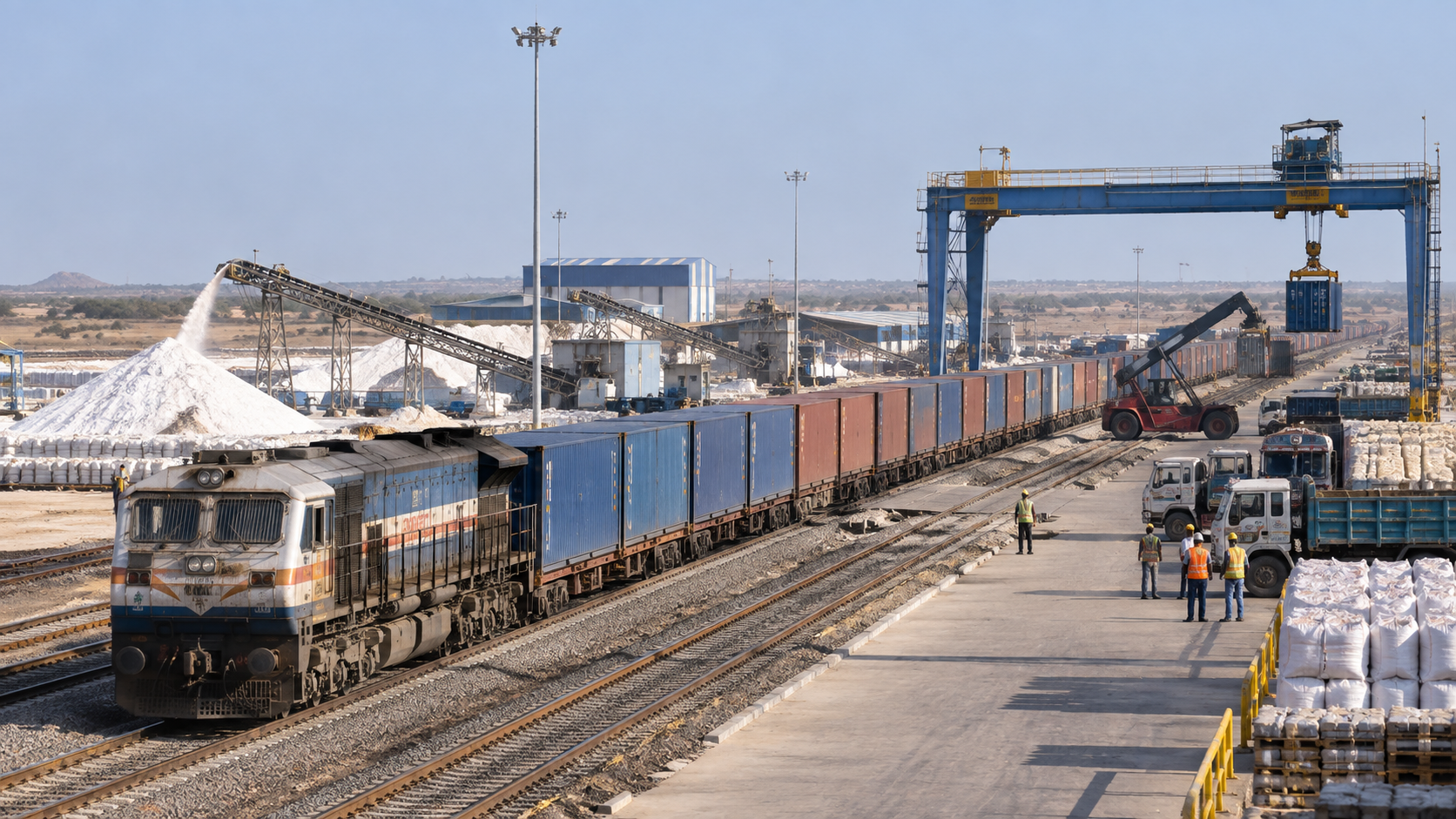
Investment is expected to remain a crucial component of this strategy. Infrastructure development, industrial capacity expansion and private-sector capital expenditure can help improve productivity while creating jobs across multiple sectors.
Consumer demand will also remain important. A growing middle class and rising household incomes can support spending on automobiles, housing, electronics, financial services and other consumer categories. However, sustained consumption growth ultimately depends on income growth and employment opportunities.
The report also points to the importance of improving productivity across the economy. India’s ability to move workers from low-productivity activities into higher-value manufacturing and services could have a significant impact on overall economic output.
Technology and digitalisation could further support this transition. Digital infrastructure, expanding internet access and the adoption of technology by businesses can improve efficiency and allow smaller enterprises to participate more effectively in formal markets.
At the same time, India faces several structural challenges. The economy needs to generate sufficient employment for its expanding workforce while improving education, vocational training and technical skills. Higher female labour-force participation and greater integration of workers into formal employment could also strengthen the country’s productive capacity.
The gap between current growth and the pace required for developed-nation ambitions therefore remains significant. Maintaining growth above 7% is a strong performance, but achieving sustained growth closer to the 9% range would require deeper reforms and continued investment.
India’s economic outlook will ultimately depend on whether the country can convert its demographic advantage, infrastructure expansion and growing domestic market into consistently higher productivity and incomes.
For policymakers, the challenge is clear: strong growth needs to become sustained, broad-based and productivity-driven growth if India is to close the income gap and move closer to its developed-economy ambitions.