India evolves into innovation hub
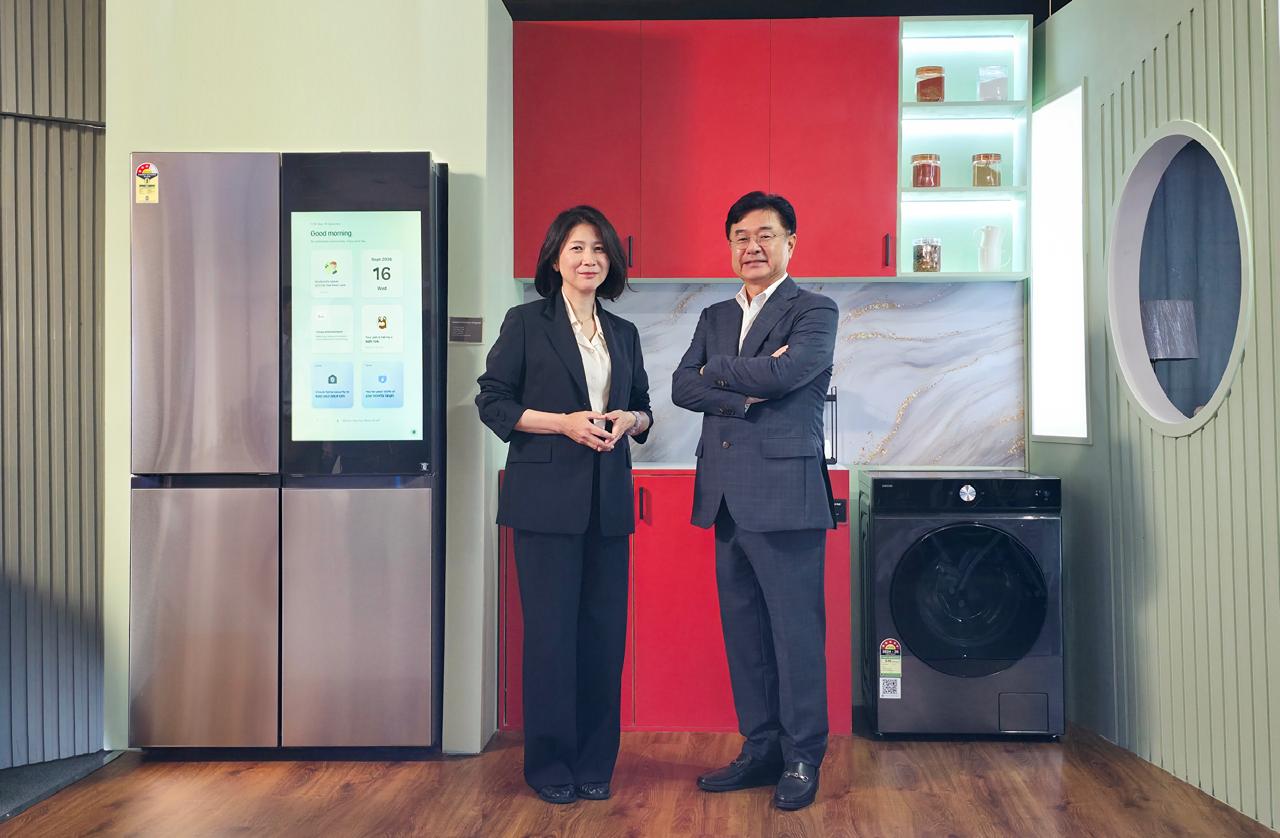
Samsung is marking 30 years of operations in India with a renewed focus on the country as a global centre for technology development, research, engineering and innovation. JB Park, President and CEO of Samsung South West Asia, said India has evolved from being primarily a market for global technologies into a country that increasingly helps Samsung imagine, develop and deliver technology for consumers worldwide.
Samsung entered India in 1995. Over the past three decades, the company has expanded its manufacturing presence, strengthened research and development capabilities and invested in talent, education and innovation programmes.
Park said the company’s relationship with India has developed beyond selling products, with the country now playing a more significant role in Samsung’s global innovation ecosystem.
“Today, we don’t look at India just as a market of 1.4 billion people. We see India as a place where the future of technology is being imagined, developed and led,” Park said.
From market to innovation base
India’s large consumer base, diverse requirements and rapidly expanding digital economy have made the country an important environment for developing technology solutions.
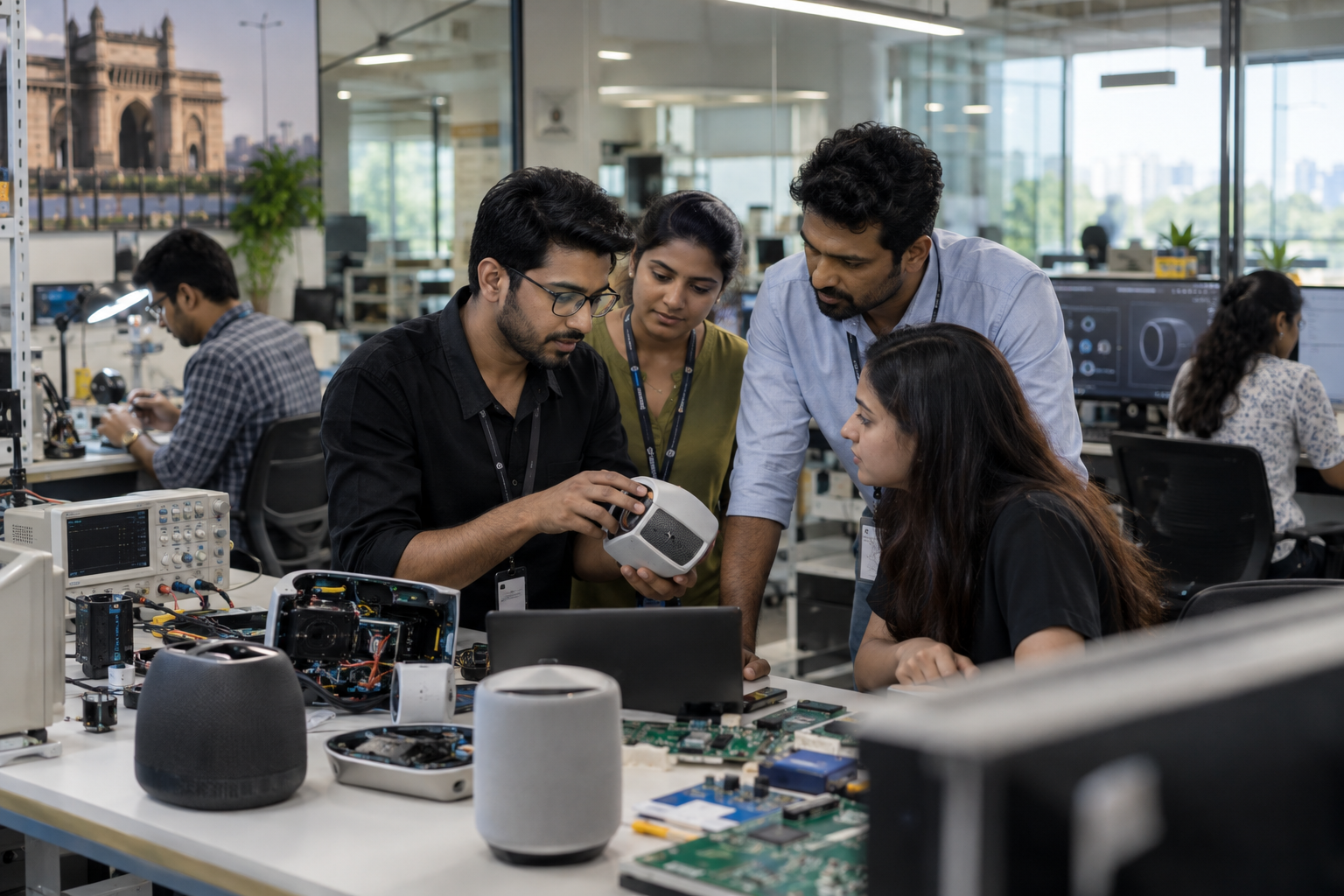
Samsung’s research and development teams in Bengaluru and Noida work with the company’s global R&D network. Their work covers technologies and consumer experiences designed not only for Indian users but also for international markets.
According to Park, the complexity and diversity of the Indian market encourage engineers to develop products that are intuitive, inclusive and relevant to consumers with different needs.
The company believes that solutions developed to address India-specific challenges can eventually have applications in other markets as well.
Artificial intelligence is becoming an increasingly important area of this innovation strategy. Samsung’s engineers in India are working with global teams on next-generation AI experiences aimed at addressing practical consumer requirements.
Park said AI will have meaningful impact when it is designed around real-world problems and the needs of consumers.
AI reshapes consumer technology
The rapid adoption of AI is changing the way technology companies approach product development. For Samsung, India provides an environment where engineers can work on AI-driven experiences for a highly diverse and digitally connected consumer population.
The company sees potential in developing technology that can simplify everyday tasks while making digital experiences more accessible.
India’s growing smartphone penetration, expanding digital infrastructure and increasingly technology-oriented consumers are also creating opportunities for companies to experiment with new products and services.
Samsung’s focus on AI therefore extends beyond hardware to the broader experience of how consumers interact with technology.
Building India’s future talent
Samsung’s investment in India also extends beyond manufacturing and research facilities. The company has been working on initiatives aimed at developing technology skills among young people and encouraging innovation.
Samsung Innovation Campus is focused on providing young people with future-oriented skills, including areas such as artificial intelligence and coding.
Another initiative, Solve for Tomorrow, provides young innovators with mentorship, resources and opportunities to develop solutions for real-world challenges.
Now in its fifth year in India, Solve for Tomorrow is increasingly being positioned as more than a competition. Samsung sees the programme as an innovation pipeline through which young people can identify problems within their communities and explore technology-based solutions.
Park said young innovators are increasingly using technology to address social and community challenges, describing this as an important part of the innovation India will need in the coming years.
Manufacturing remains key pillar
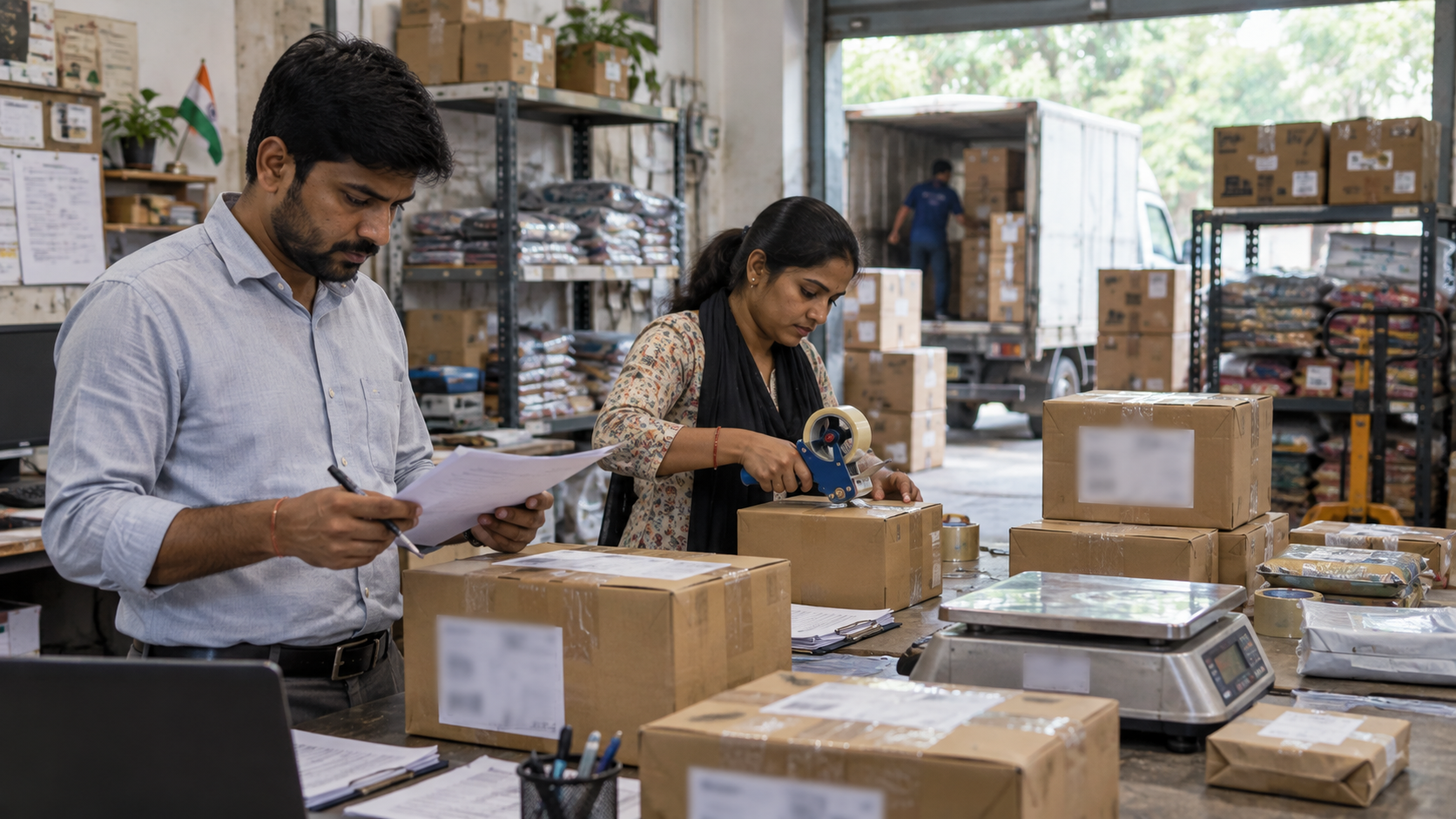
Samsung’s three-decade presence in India has also been supported by the development of a substantial manufacturing ecosystem.
The company has expanded its production capabilities in the country as India has become an increasingly important electronics manufacturing base.
The broader growth of India’s electronics sector has also encouraged global technology companies to increase local manufacturing, supply-chain capabilities and engineering investments.
For Samsung, manufacturing, research and development and talent development are increasingly interconnected parts of its India strategy.
India’s role grows globally
Samsung’s latest comments indicate that the company increasingly views India not simply as one of its largest consumer markets but as an important contributor to its global technology pipeline.
The country’s engineering talent, expanding digital economy and large-scale consumer market provide Samsung with an environment to test, develop and refine new technologies.
The company expects this role to become more important as artificial intelligence, connected devices and digital services reshape consumer technology.
Park said Samsung’s future ambition is to help India contribute to innovations that can improve lives beyond the country’s borders.
As the company marks its 30th anniversary in India, it is also looking at its long-term legacy in terms of the manufacturing ecosystem, research capabilities and talent it has helped develop.
Park said Samsung’s most lasting contribution may ultimately be measured by the people and ideas it has helped nurture rather than only by the devices it has produced.
Looking beyond the next decade
Samsung’s India strategy is therefore increasingly centred on creating technology with India rather than simply bringing technology to the country.
With AI becoming a major force in consumer electronics and digital services, the company is expected to place greater emphasis on engineering capabilities, skilled talent and locally relevant innovation.
For India, Samsung’s expanded innovation role reflects the country’s broader transition from a large technology consumption market to a growing destination for global product development and engineering.
The next phase of Samsung’s India journey could consequently be defined by how effectively the company combines its global technology capabilities with India’s talent, market scale and innovation potential.