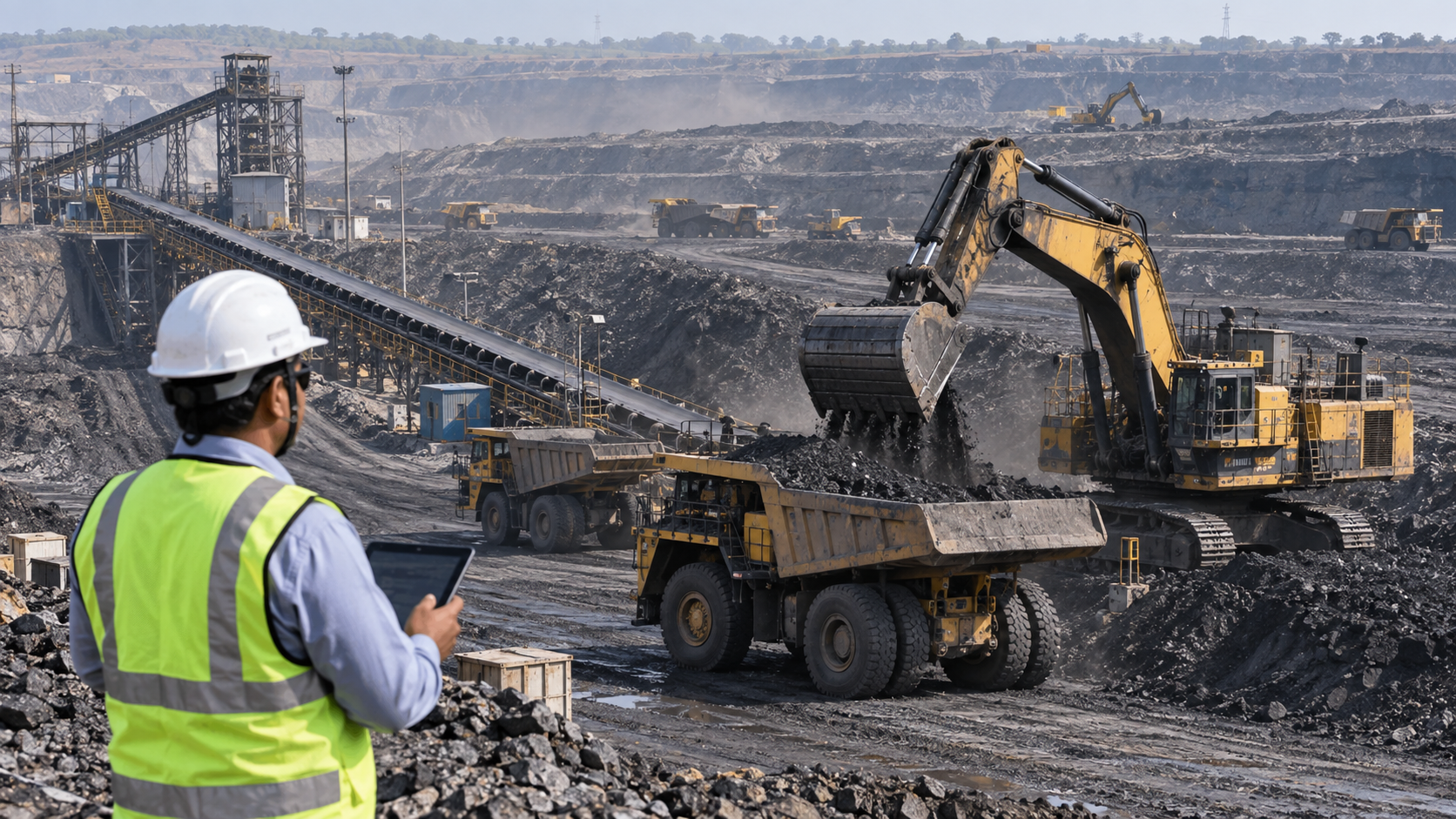
Coal India is expanding the use of AI, IoT, automation, advanced mining equipment and digital systems across exploration, opencast and underground operations to improve productivity, mine safety and coal evacuation.
Coal India Limited is accelerating the adoption of digital and automated technologies across its mining operations, integrating artificial intelligence, the Internet of Things, data analytics, autonomous equipment and advanced geological tools into exploration, production, safety and coal evacuation.
The technology shift covers both opencast and underground mining, while the company is also developing a roadmap for intelligent and lower-carbon operations.
For exploration, CIL uses 2D and 3D seismic surveys, remote sensing, GIS, LiDAR, drones and bathymetric surveys. Machine-learning techniques are being applied to geological and well-log data to improve coal-seam identification. The company has also signed an MoU with the National Remote Sensing Centre to develop an AI-powered, satellite-based geospatial dashboard for mine monitoring and environmental assessment.
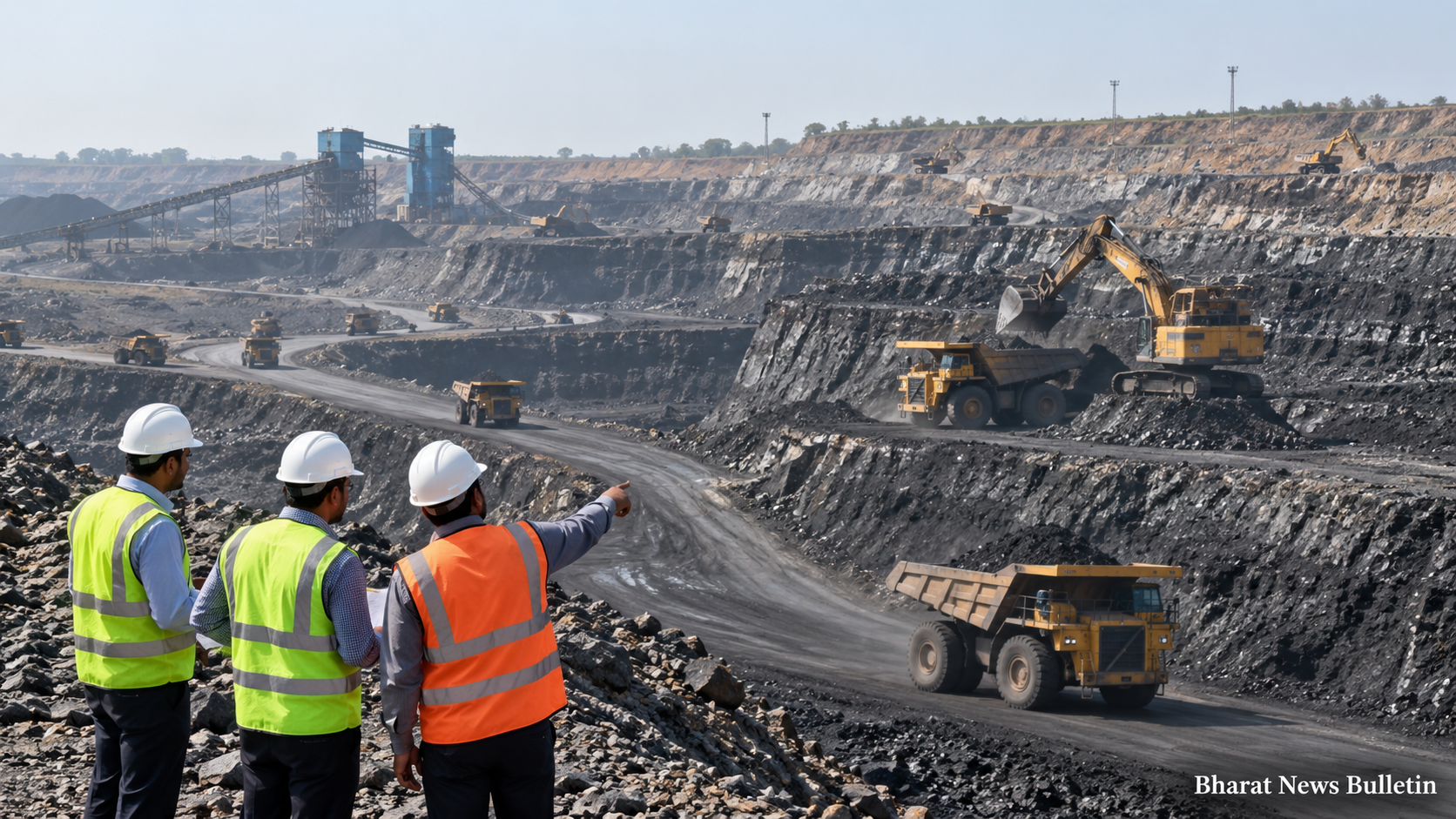
Opencast operations are seeing greater deployment of high-capacity heavy earth-moving machinery, including 42-cubic-metre shovels, 240-tonne dumpers, draglines and surface miners. Safety and operational technologies include electronic detonators, operator fatigue monitoring, proximity warning systems, 360-degree cameras and automated fire detection and suppression. GPS-based truck dispatch, payload monitoring and vehicle health monitoring are also being used to improve fleet utilisation and maintenance.
In underground mining, CIL is targeting production of around 100 million tonnes through greater deployment of continuous miners, longwall and Highwall technologies. Investments in paste-fill technology are also planned to recover higher-grade coal locked in pillars.
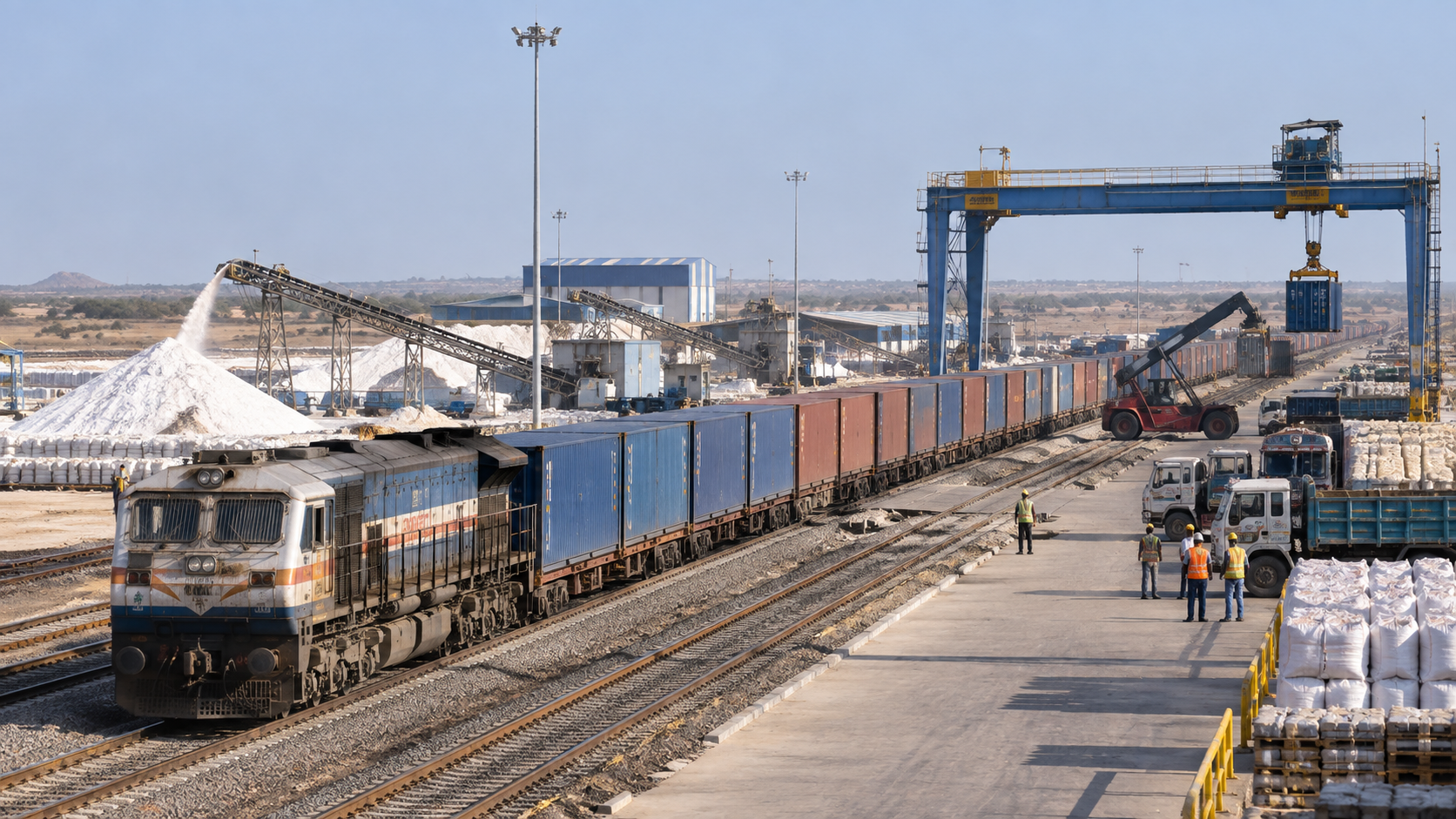
Digitalisation is extending to coal evacuation. Of 92 planned First Mile Connectivity projects integrating coal handling plants, silos, conveyors and rapid loading systems, 46 have been commissioned, creating around 432 million tonnes per annum of capacity. The approximately ₹27,800 crore programme targets mechanical loading capacity of 994 million tonnes annually by FY2030.
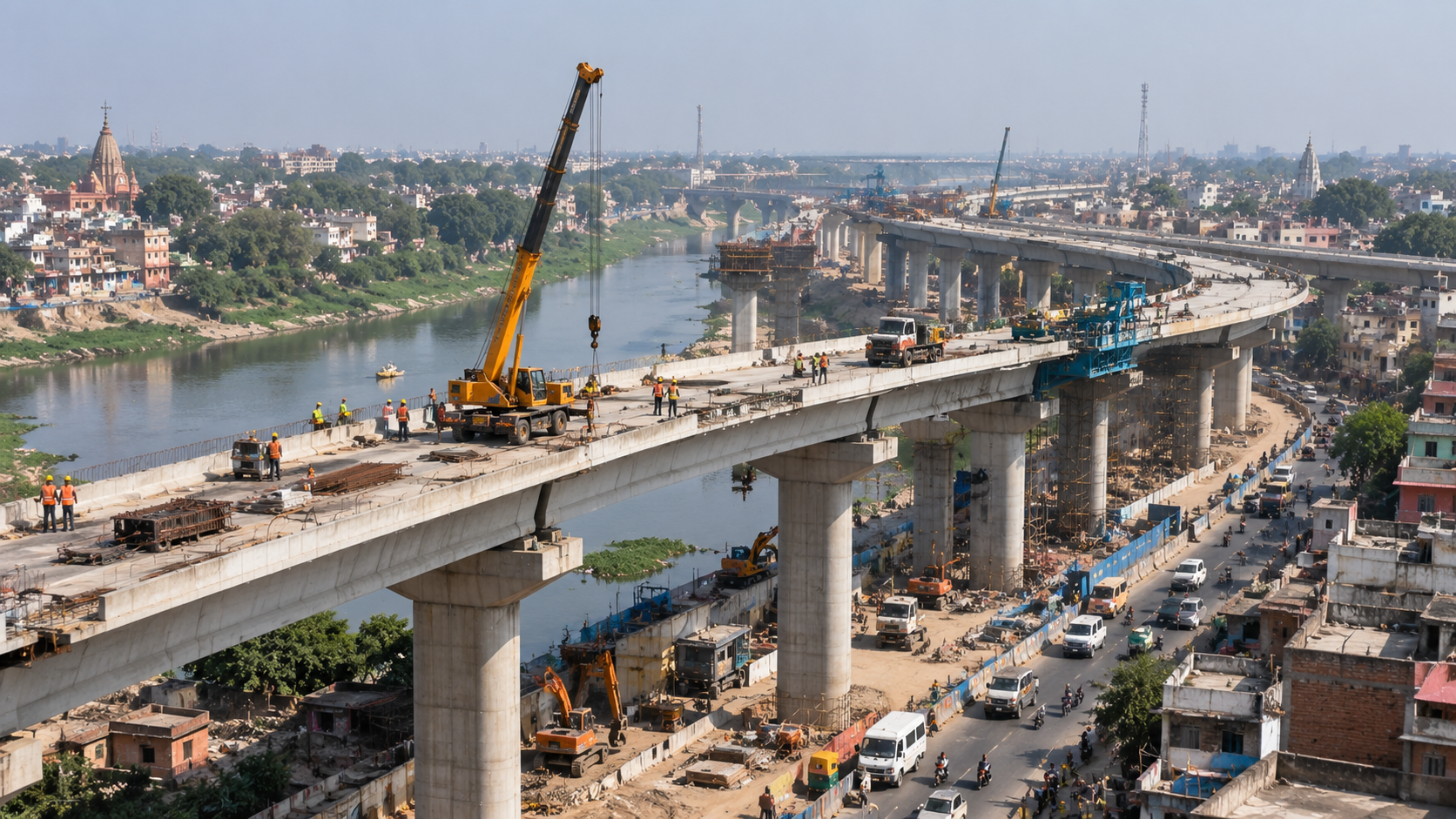
Four of seven critical railway projects involving around ₹23,465 crore have also been commissioned, with the remaining projects targeted for completion by FY2027-28. High-angle and sandwich conveyors are being adopted for in-pit coal transportation to reduce dependence on heavy vehicles.
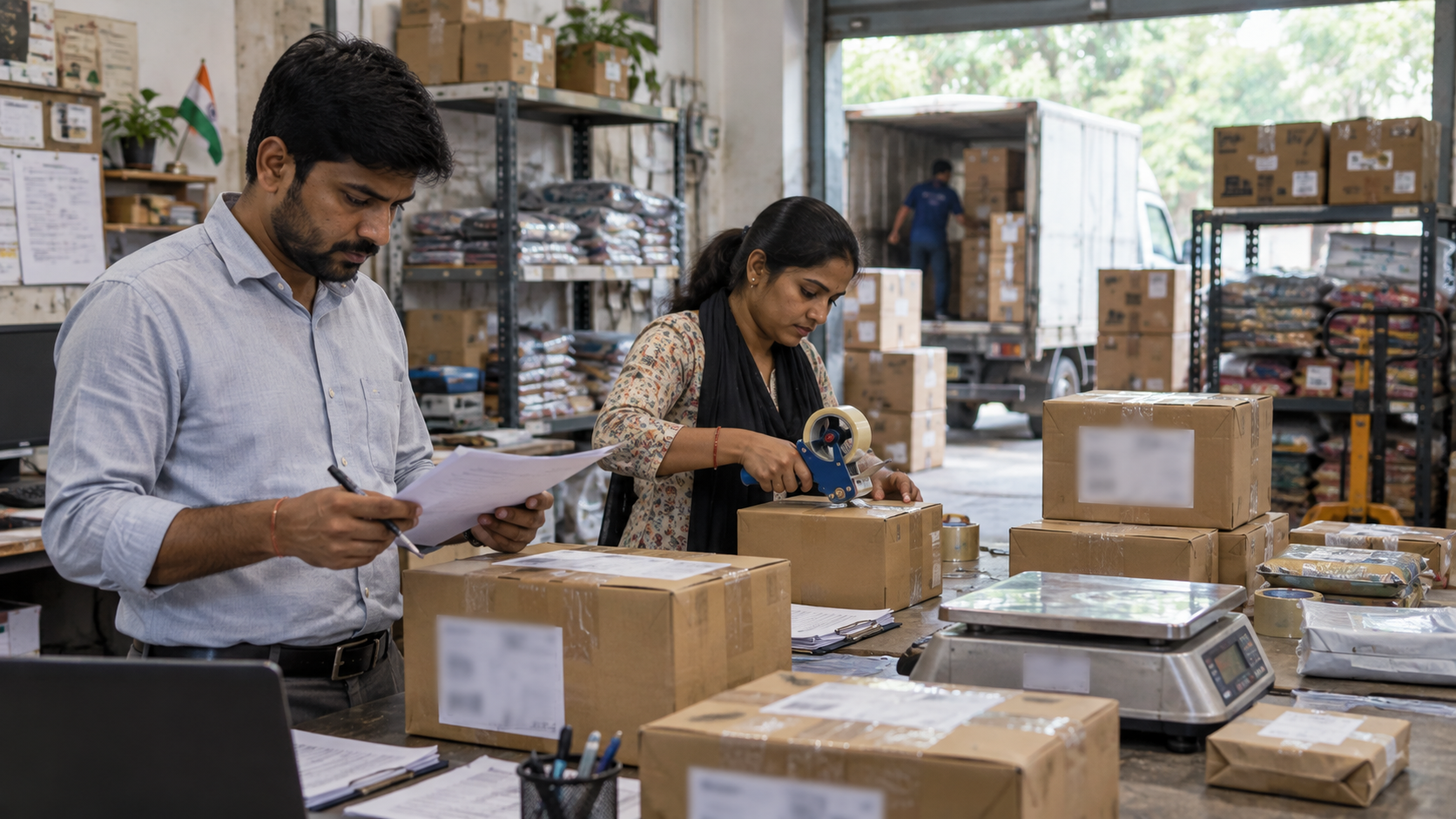
CIL’s broader digital transformation includes SAP S/4HANA, e-Office, cloud infrastructure, data analytics, automated weighbridges, RFID systems and GPS-based fleet monitoring. Its DigiCoal pilot has tested 17 digital solutions across seven mines, with plans to replicate them across mega mines.
The next phase includes remotely operated line-of-sight dozers, electric mobility and trolley-assist technology for 190-tonne-plus diesel-electric dumpers. CIL is also working with IIT Madras on electrification of fossil-fuel-based mining equipment.
For underground mines, the technology roadmap includes 5G networks, digital twins, autonomous monitoring rovers, smart conveyor systems, IoT-enabled monitoring and remote command-and-control systems.
Environmental applications include continuous ambient air and emission monitoring, AI-based dust prediction, GIS and satellite monitoring, and drones. CIL is also exploring dry coal beneficiation technologies and greater utilisation of overburden for sand.
Research and development forms another part of the transition. The National Centre for Coal and Energy Research focuses on moving technologies towards prototype development, while Centres of Excellence at IIT Hyderabad, IIT Madras and IIT-ISM Dhanbad are supporting projects across different technology-readiness levels.
CIL has outlined a ₹1,900 crore R&D investment target by FY2030. Areas under development include underground coal gasification, 5G applications in mines, perovskite solar cells, battery recycling, dry coal beneficiation and advanced underground support systems.
The technology transition is aimed at improving operational efficiency, reducing worker exposure to hazards, strengthening equipment utilisation and coal evacuation, and incorporating cleaner technologies into mining operations.