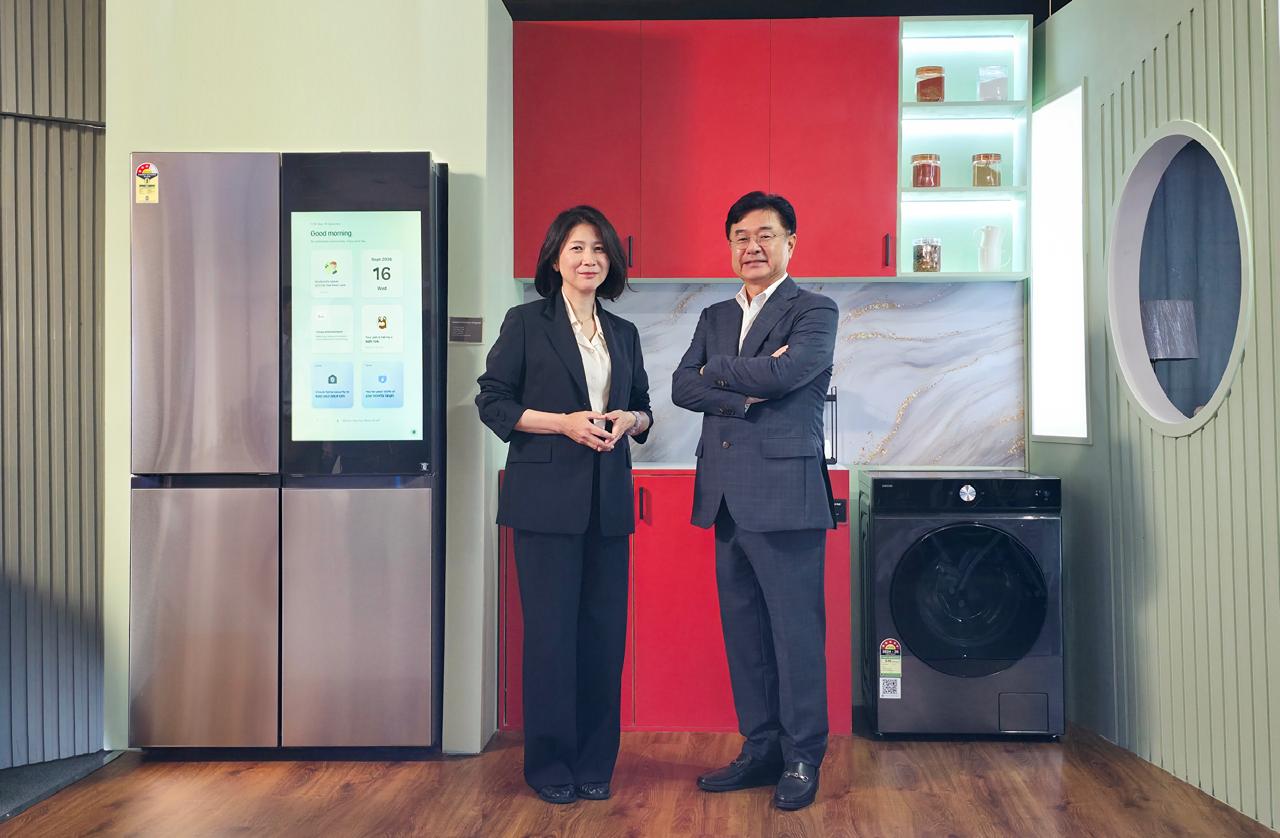
Nandu Nandkishore, Professor of Practice, Indian School of Business, observes that COVID-19 has accelerated underlying disruptions in the market, compelling enterprises to ‘pivot’ their business models. He provides a framework that companies can adopt to conceptualise and execute a winnable pivot strategy.

IBT: The COVID-19 pandemic was expected to drive some path breaking changes in the strategic landscape for business. Do you see some of these transformations becoming more permanent in nature, considering the protracted period of the pandemic?
Prof Nandu Nandkishore: Today, we live in an era of accelerated disruption, mostly caused by technology. As the speed of disruption increases, the speed with which companies respond to it also has to improve. And this need to be ‘nimble’ and ‘think on your feet’ has in fact accelerated over the past decade due to a series of technology-led disruptions.
With the onset of COVID-19, several underlying disruptions in business actually got stronger. Thankfully, as 2021 dawns, we can at least see a light at the end of the tunnel, because there is a vaccine for COVID-19. In six to twelve months, this may give society a viable solution. However, the fact that we have been under lockdown for nine months all over the world means that certain fundamental behaviours have changed.
And the pendulum will not swing back to where it was pre-COVID immediately. It may swing back over a period of time, but some changes are here to stay. As I mentioned, these changes were already happening due to technology, and COVID just accelerated them.
IBT: What are some of the major behavioural changes that could outlive the pandemic and have major implications for business?
Nandu Nandkishore: For starters, companies across the globe have realised the possibility of some form of reduced in-person presence for their employees. So they are creating all kinds of solutions, which are a mix of work-from-home and work-from-office. This change is here to stay. Technology already existed for this earlier, but the motivation wasn’t there. And now having worked with it for nine months, people have figured out where technology does work well, and where they need in-person presence. So in future, there will probably be an evolution of some kind of a hybrid work model.
Similarly, ‘learning from home’ has created huge opportunities for people who want to learn and teach. People always knew that they could teach yoga, cooking, acting, singing, etc over the internet anywhere across the world and charge for the same. But they have actually done it over this period and seen that the model works. So this is a fundamental change that’s not going away.
Also, e-commerce has suddenly become such a dominant and easy mode of shopping, that it is here to stay and probably even accelerate. And as it accelerates more and more, traditional retail-based businesses will find themselves under stress. Already in the last year, you have seen so many retail companies in the US or even in India, who have been financially stressed. In the process, new opportunities will emerge for people and companies who can pivot and take advantage of these trends.
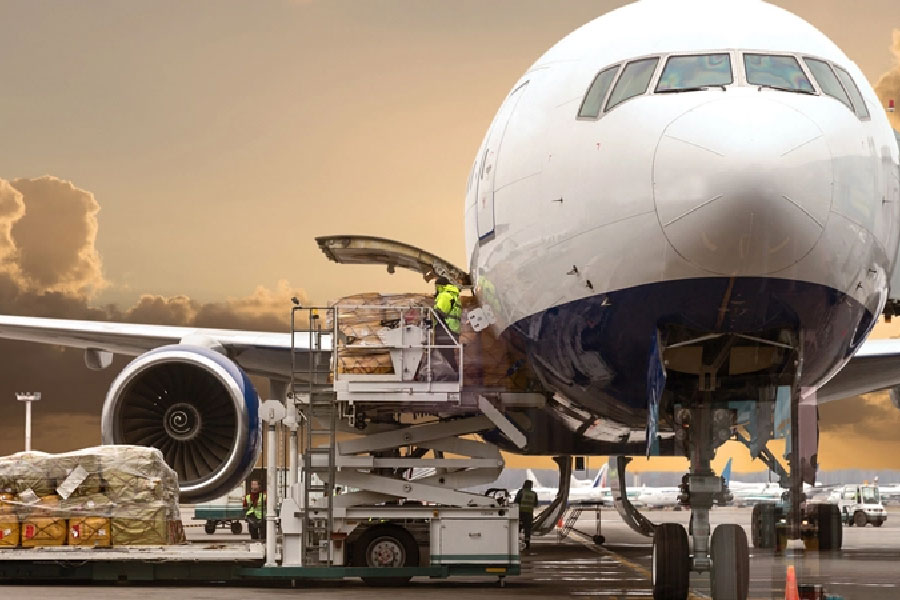
Image Source: European Pharmaceutical Review, https://bit.ly/2M2F4ds
IBT: The ‘pivot’ strategy has increasingly become an integral component of the CEO playbook in the past few years, and particularly in 2020. What does the term actually imply?
Nandu Nandkishore: When so much disruption happens, companies have to figure out a way to cope with it to survive and possibly even prosper. So, in this context, there are two responses that companies can employ. The first response is to treat the disruption as a threat. In other words, “how do I survive the short term”, now that this threat has emerged? And the second is the opportunity response – “how can I convert this disruption into an opportunity” to improve my competitive position or the value I create for my shareholders.
Successful companies who survive change, have always had to pivot or adapt their markets and products and keep evolving with customer needs. For instance, shaving cream companies launched foams and gels as customer needs evolved. You can call it innovation or even pivoting. But due to the speed at which it was done, when they were creating categories, it was not called a pivot.
In my opinion, a pivot refers to the speed at which you have to change, as well as the direction of the change which may be slightly removed from the core business. It’s not the change in itself, rather it’s the fact that you have to do so with the sudden pressure coming at you from the outside.
IBT: What is the ideal framework that companies can adopt to deliver on a pivot strategy?
Nandu Nandkishore: The ideal framework is to sit down and map out your organisation’s capabilities and strengths. And then an organisation needs to assess how those capabilities and strengths apply to the threat and opportunity responses. That’s when you need to do some brainstorming.
For both these responses, the question that naturally emerges is whether you continue ‘business as normal’ or change your business model? Doing business as you do it normally, would probably not succeed in such a situation. You need to change something in the way you do things. This change could be called a pivot.
But more than brainstorming, you actually need to do some rapid experimentation. Go out, knock on a few doors, get over the phone, and do a few trial pilots very quickly to see what works. The danger is that if you try to intellectualise this to get the perfect solution in advance, that’s not going to work.
You don’t know which of these strengths you can actually leverage into the “threat” and “opportunity” responses. It is better if you could do some rapid experimentation, and fail fast and improve. Try also to build a network to see how other companies and start-ups are doing and learn from the mistakes as well as successes of others.
IBT: What are the various kinds of pivot strategies that companies can adopt, depending on the situation?
Nandu Nandkishore: The pivot may be a small one, like the way your product is delivered, for instance. The classic example is Hollywood, which typically used to release movies in theatres but now with the COVID-19 crisis, it started releasing movies on streaming services for people to consume at home. So, Wonder Woman was released for streaming all over the world. You could say this is a small pivot in the way that the product or service is delivered.
Similarly, companies may pivot in terms of the customers they serve, or in the products they offer. For example, when COVID-19 happened, there was a tremendous slowdown in passenger traffic. But at the same time, e-commerce surged sharply, creating demand for courier businesses. Seeing this opportunity, Indigo Airlines immediately ramped up on their freight services. Again, you can say they pivoted to a different customer base, a different offering from passenger planes, to one where you don’t require seats and service, stewardesses and stuff like that. This helped them cushion the fall in their passenger services business.
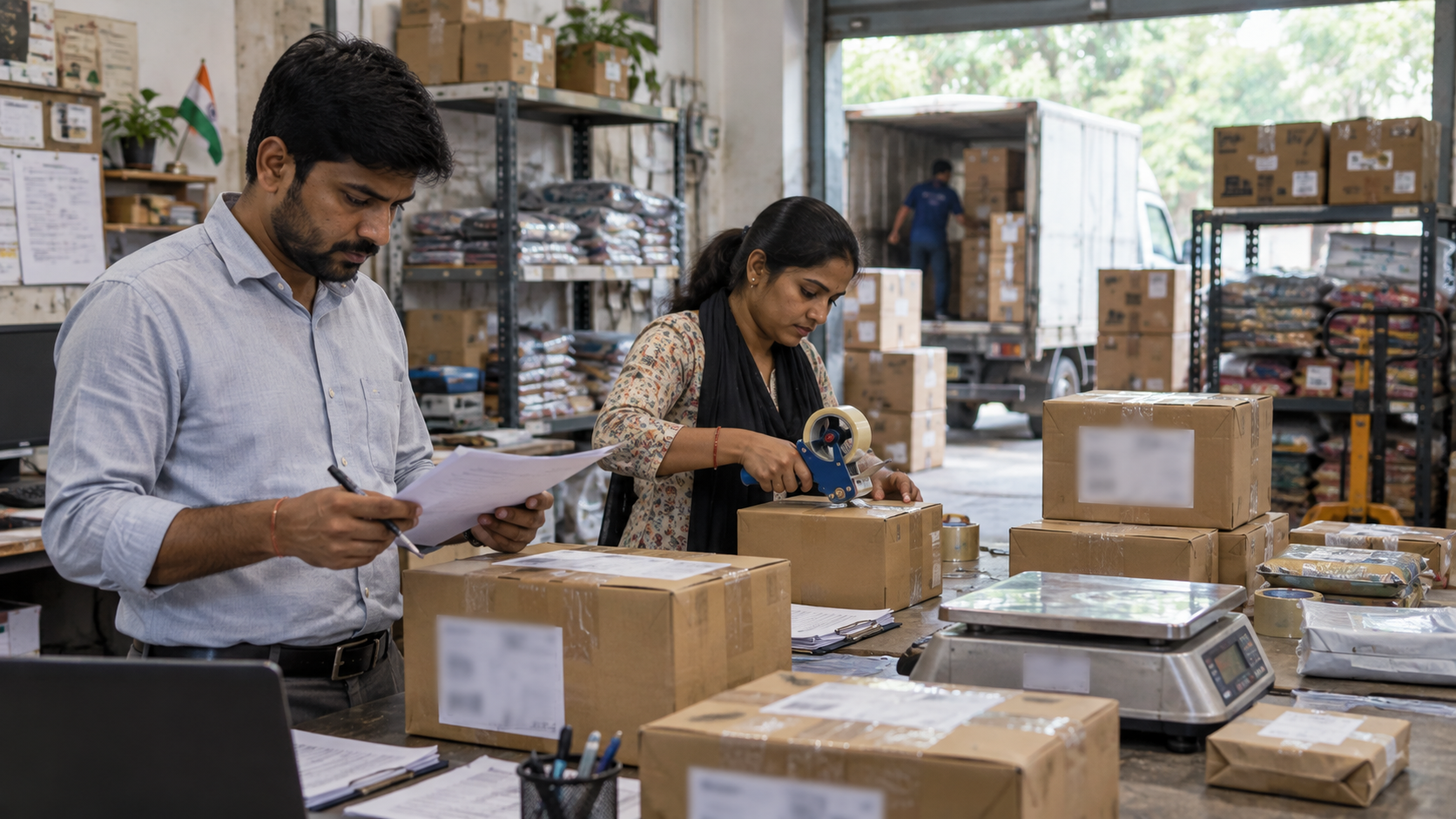
Yet another way to pivot is to look at completely new products (or new market segments) that can potentially succeed in the prevailing market conditions. For example, we have seen a whole range of apparel manufacturers, all over the world, including fashion brands in Italy, who have all pivoted to producing face masks as a fashion accessory. This product was not part of their product line early on, but they created it as a new product to take advantage of the opportunity offered by COVID. This also gives them a cash flow stream that helps keep their business alive.

IBT: A number of startups were exposed for their vulnerability in the face of the pandemic. What are some of the successful pivots that you have observed being adopted by them?
Nandu Nandkishore: For startups in particular, the COVID-19 pandemic was a make-or-break period, as they often tend to lack the resources to quickly effect a change in their strategy, or even stay alive while a crisis lasts. However, a number of startups have shown the smarts to improvise well in time, thereby turning the crisis into an opportunity.
One of the start-ups that I’m involved with in India is The Moms Co, which provides natural, safe and effective mother care and baby care products. Recently, they were out on the front pages of leading national dailies like Hindustan Times and NavBharat Times. Initially when the lockdown happened, they found that business was immediately under pressure. A lot of activities were not allowed, as warehouses, deliveries, etc were shut down.
But The Moms Co very quickly pivoted their whole business model combined with cost cutting. For example, you give up office space, cut all non-discretionary expenditures and explore how you could use e-commerce as a big growth driver. In fact, they have had their best year ever in 2020, because of, or inspite of, the COVID crisis.
Similarly, there’s another start-up, which is based in Switzerland, Livinguard A.G. For the last four years, this company was already pioneering technology that killed bacteria and destroyed viruses via small electrical charges. And this technology could be applied on surfaces like fabric, plastic, water, etc. So when the COVID-19 crisis happened, it was a very logical step for the company to move into offering the same services, through selling masks and PPE. This was not part of the company’s business model till the previous year. But in this year, it quickly became a core part of the company’s business model.
Another start-up I’m involved with is based in the UK and is called vyntelligence.com. When this crisis started, they were already in the process of offering a video-based data sharing tool for companies to use, and then mine that data using AI, to generate meaningful reports. Salespeople, for example, hate to file sales reports, and do admin work. So, instead, you just make a one-minute video and you upload it, and a computer programme will pull out the kind of data that you need for the reports.
The company figured out very quickly that a lot of utilities (like those providing gas, electricity or water) all over the world could not send their technicians to houses because of the lockdown. So they couldn’t prepare, monitor or check. So, they quickly redesigned their offer and offered it to utility companies. Using their technology, customers could capture the problem and send it to them. They could diagnose the problem and figure out the most effective response required.
Going forward, this is going to be a permanent feature of their business, because they have found a way to reduce administrative burden of utilities, and cut down the costs of providing good service to their customers using this particular app-based service.
Start-ups that have survived have been the ones that aggressively pivoted and figured out a way to manage both the threat and the opportunity responses. They haven’t just sat down and waited for the crisis to blow over. On the other hand, those that just sat back and said – listen, it will go away in two weeks – have run into problems as the crisis got more prolonged.
There have been very good companies that got caught with this and by the time they figure it out, their cash runway doesn’t allow them to do a lot of the things that they want to do. It’s fundamental for companies who wish to survive or prosper from sudden change or black swan events, to catch the new trends well in time.