How to Build an Edge Computing Strategy

The pandemic and resulting economic crisis has had an immediate impact on edge computing deployments and has changed its future. To accelerate deployments, ensure extensibility, and drive efficiency and effectiveness, I&O leaders must create an edge computing strategy.
Edge Computing_TPCI

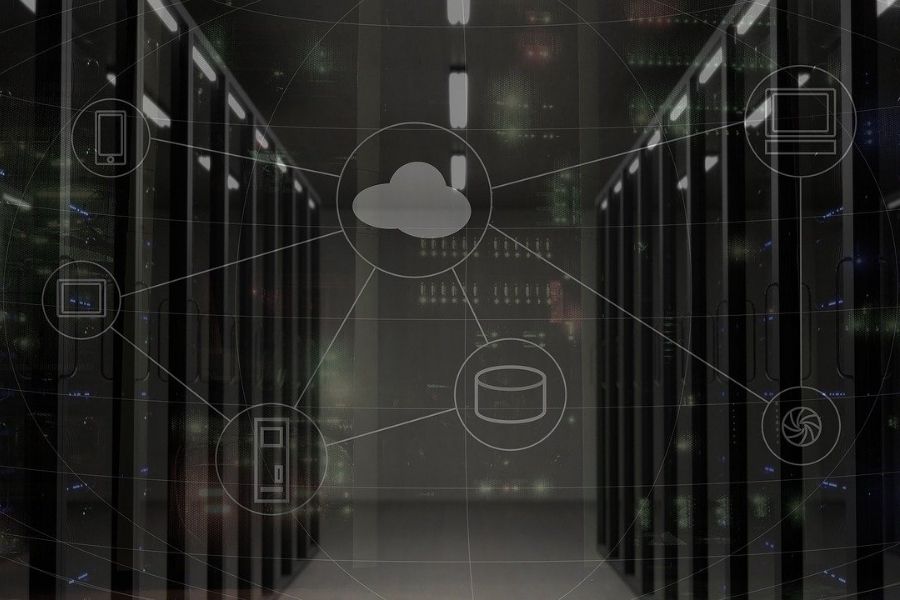
Image source: Pixabay

Edge computing is part of a distributed computing topology where information processing is located close to the edge, where things and people produce or consume that information. It is the epitome of Infrastructure-Led Disruption because it enables many new business outcomes.

Infrastructure and Operations (I&O) leaders need to get in front of this trend, accelerating the enterprise’s efficient adoption of a growing range of edge computing use cases in order for the enterprise to be competitive.

Edge computing projects are increasing, based on inquiry discussions. It is part of a distributed computing topology where information processing is located close to the edge (the physical location where things and people connect with the networked digital world).

Often, edge computing projects are deployed independently, as custom solutions focused on a specific requirement, a specific use case or a specific part of the enterprise. However, enterprise experience has shown that edge computing projects multiply independently in different parts of the business, or expand from a single use case in a project to several use cases.

Diversity in use cases is the norm in edge computing. But as the edge computing trend grows, synergy across projects and extensibility to enable new use cases is critical in overcoming challenges, creating standards, choosing technologies and managing costs.

There are five important elements to an edge computing strategy, designed to simplify, synergize and systematize edge computing projects.

Edge Computing Vision and Leadership

The purpose of a vision is to provide an understandable target state that can help motivate and direct the team internally, and also that can be used to present measurable results to the enterprise.

How will the organization operate differently with edge computing in five years? What new capabilities will be enabled? The edge computing strategy is linked to enterprise and technology strategies — what will they look like in five years?

A vision for edge computing could include:

  • An objective business impact, such as a percentage of digital business initiatives that include edge computing, net new business transactions enabled by edge computing, amount of money saved through edge computing initiatives, etc.
  • Specific goals for edge computing use in the office, the factory, the store or branch.
  • Percentage of customer interactions leveraging edge computing.
  • Number of automation projects completed.
  • Range of types of use cases deployed.
  • Deployment agility, i.e., the number of POCs or time to deployment.

Key to success of an edge computing strategy will be executive buy-in and sponsorship. For a strategy to be meaningful, there needs to be executive and staff support, and the vision needs to be well communicated.

As the strategy changes — and an edge computing strategy will evolve as technologies and use cases emerge — updates to the strategy and vision also need to be well communicated.

Identify Edge Computing Use Cases

Edge computing use cases will be highly diverse, in diverse parts of the enterprise, with diverse objectives. An edge computing strategy should include an understanding of edge computing drivers, requirements and existing deployments.

It should also have a process for proactively finding new use cases and correctly identifying use cases as they emerge.

Identify the specific requirements that edge computing can address for the enterprise in the areas of latency, data, semi-autonomy and privacy. Identify existing technologies and deployments that should be included within the purview of the edge computing strategy. Identify potential use cases that could be addressed with edge computing, proactively and collaboratively with business units.

Create a use-case clearinghouse to identify edge computing candidates as they emerge, with structured processes for how new use cases and edge workloads are identified, vetted and prioritized.

Focus on Edge Computing Challenges

Edge computing creates risks that need to be mitigated and new challenges that need to be overcome. An edge computing strategy needs to maintain a focus on them. Different industry verticals may have unique edge challenges, or risks that need to be mitigated.

However, there are four challenges with edge computing that are applicable to the vast majority of enterprises – Distributed Computing; Security & Privacy; Distributed Data and Extensibility.

Identify the risks, challenges and inhibitors that need to be overcome and mitigated and put special ongoing focus on those challenges in terms of management, investment and skills.

Build and Communicate Edge Computing Standards

Diversity is a defining characteristic of edge computing use cases, but that makes it even more important to find and maintain synergies by leveraging technologies, platforms, best practices, standards, processes and skills across disparate deployments.

Many enterprises have a cloud center of excellence (CCOE). A CCOE is a centralized enterprise architecture function that leads and governs cloud computing adoption within an organization. The CCOE could be expanded to include edge computing, or a separate center of excellence could be created for edge computing.

An edge computing strategy should include how best practices both outside the enterprise and from enterprise deployments will be captured and leveraged. Since edge computing is so diverse and so new, lessons learned will be extremely valuable to accelerate successful deployments and avoid duplicate efforts.

The strategy should also include edge computing skills identification, development, roles and responsibilities, and organization and matrix organization structure.

I&O leaders need to create an architecture function focused on edge computing (e.g., “edge center of excellence”). Build, maintain and communicate technology and architecture standards, frameworks and topologies that will be used across edge computing deployments. Capture and maintain best practices both outside the enterprise and from enterprise deployments. Identify and develop edge computing skills, roles and responsibilities, and organization structure.

Ensure Success of Edge Computing Execution

Because edge computing is an emerging concept where “firsts of a kind” predominate, enterprises will often be pioneering new technologies and new uses of technologies, and learning along the way.

There are two unique aspects of edge computing that need to be considered in an edge computing strategy – Edge Computing POCs and Evolution Management

Edge Computing POCs

Edge computing deployments will need to be piloted for efficacy, manageability, autonomy and scale. The most common reason that edge computing POCs tend to fail in production is inability to efficiently scale (in terms of number of nodes and number of locations). A pilot should attempt to evaluate how a project will operate and how it can be monitored and managed at full scale (using vendor edge computing labs, simulations, or evaluating similar reference customers).

In addition, the ability to handle disconnection needs to be tested in a variety of ways. The edge computing strategy should lay out defined steps for deployments from POCs through production, including centralized coordination, measures of success and the capture of lessons learned.

Evolution Management

Deployments of edge computing evolve during development, and often evolve and greatly expand after they’re in production. An edge computing strategy should have guidelines and guardrails in place for how to monitor and manage changes in a deployment’s requirements, workloads, data, scale and uses over time.

The strategy should guide those evolutions — and in some cases, the evolutions should cause the strategy to change. The pandemic and resulting economic crisis has had an immediate impact on edge computing deployments and has changed the future of edge computing. Edge computing vendors are maturing during the pandemic, including new edge computing offerings and new partnerships. Infrastructure and operations leaders should prepare for strategy shifts and new requirements involving edge computing.


The author is Distinguished VP Analyst at Gartner. Views expressed are personal

Previous Post
Next Post

Most Recent Posts

  • All Post
  • 8th Pay Commission
  • Aadhar
  • Aditya Birla Capital
  • Advertising Standards
  • Affordable Housing
  • Agriculture
  • Agriculture & Food
  • AI in Healthcare
  • AI Technology
  • Airlines
  • alcohol industry
  • Android
  • APEDA
  • Apple
  • Artificial Intelligence
  • Ashwini Vaishnaw
  • Asset Management
  • Atmanirbhar Bharat
  • Audio Devices
  • Audio Products
  • Auto Industry
  • Automobile
  • Automobiles
  • Automotive
  • Automotive Industry
  • Aviation
  • Bain Healthcare Report 2026
  • Bank
  • Banking
  • Banking Technology
  • Battery Industry
  • Beverage Industry
  • Beverages
  • Bihar
  • biotechnology
  • Bitcoin
  • BMW Group India
  • Brand Insight
  • BRICS
  • Bullion Market
  • Business
  • Business & Economy
  • Business & Trade
  • Business Leadership Post COVID-19
  • Business News
  • Business Terminology
  • Business Utilities
  • Buyback
  • Capital Goods
  • Capital Markets
  • CarsBusiness
  • CBIC
  • CCI
  • Child Investment
  • China
  • China technology news
  • Citizen Services
  • Clean Energy
  • Clean Technology
  • Cloud Computing
  • coal
  • Commerce
  • Commerce and Industry
  • Commercial Real Estate
  • Commercial Vehicles
  • Commodities
  • Communications
  • Companies
  • Competition Law
  • Compliance
  • Computer Accessories
  • connected cars
  • Consumer Affairs
  • Consumer Electronics
  • Consumer Finance
  • Consumer Goods
  • Consumer Health
  • Consumer Markets
  • Consumer News
  • Consumer Protection,
  • Consumer Rights
  • Consumer Spending
  • Consumer Trends
  • Content Creation
  • Copper
  • Corporate
  • corporate affairs
  • Corporate Earnings
  • Corporate Governance
  • Corporate News
  • Corporate Social Responsibility
  • Cost of Living
  • Country
  • CRED
  • Credit Cards
  • CREDIT RATING
  • Crude Oil
  • Cryptocurrency
  • CSR
  • Culture
  • Currency
  • Customs Duty
  • Cyber Security
  • Cybersecurity
  • Dairy Industry
  • Data & Analytics
  • Defence
  • Delhi Government
  • Delhi-NCR
  • Demographics
  • Derivatives
  • DGCA
  • DGFT
  • DigiLocker
  • Digital Assets
  • Digital Economy
  • Digital Health India
  • Digital Identity
  • Digital India
  • Digital Infrastructure
  • Digital passport for robots
  • Digital Payments
  • Digital Platforms
  • digital services
  • Diplomacy
  • Dixon Technologies
  • DPIIT
  • E Commerce
  • E-commerce
  • E-Governance
  • Ease of Doing Business
  • Economic Growth
  • Economy
  • Edible Oil Industry
  • Editor Choice
  • EdTech
  • Education
  • Electric Mobility
  • Electric Vehicles
  • Electronics
  • Employment
  • ENERGY
  • Engineering
  • Entertainment
  • Environment
  • EPFO
  • Ethanol Economy
  • EV Industry
  • EV Technology
  • Exports
  • EXTER
  • Farmers
  • Fashion
  • FINANCE
  • Finance Ministry,
  • Financial Marketing
  • Financial Markets
  • Financial News
  • Financial Planning
  • Financial Results
  • Financial Services
  • Fintech
  • FnTech
  • Food & Beverage
  • Food & Beverages
  • Food Exports
  • Food Industry
  • Food Manufacturing
  • Food Processing
  • Food Regulations
  • food safety
  • Foreign Exchange
  • Foreign Investment
  • Foreign Policy
  • Foreign Trade
  • Forex Reserves
  • fssai
  • FTA
  • Fuel
  • Fuel Prices
  • Future Energy
  • Gadgets
  • Gadgets & Apps
  • Gaming
  • GDP
  • Generative AI Healthcare
  • Geopolitics
  • GI Products
  • Global Brand Alliance
  • Global Economy
  • Global Markets
  • Global Politics
  • Global Tech
  • Global Trade Policy
  • Global Trends\
  • Gold
  • Gold Market
  • Gold Prices
  • Gols & Silver
  • Government
  • Government & Policy
  • Government Affairs
  • Government Bonds
  • Government Data
  • Government Initiatives
  • Government Policy
  • Government Policy & Regulation
  • Government Scheme
  • Government Schemes
  • Government Services
  • Green Energy
  • Green Mobility
  • GroupGlobal
  • GST
  • GST Council
  • GST Counsil
  • Hair Care
  • Hardware
  • Hatchback Segment
  • Health Supplements,
  • Horticulture
  • Housing
  • HSBC
  • Human Resources
  • humanoid robot market
  • Hyundai
  • IBT Infographics
  • iinvestment
  • Imports & Exports
  • Income Tax
  • India
  • India Auto Market
  • India Business News
  • India Inc
  • India News
  • India Retail
  • India-Canada Relations
  • India-China
  • India-Japan Relations
  • India-Russia Relations
  • India-South Korea Relations
  • India-US Relations
  • Indian Economy
  • Indian Navy
  • Industrial Pollution
  • Inflation
  • Infra
  • Infrastructure
  • Innovation
  • Instagram
  • Insurance
  • international
  • International Affairs
  • International Cooperation
  • International Relations
  • International Trade
  • Internet & Connectivity
  • Internet Policy
  • Internet Regulation
  • Interview
  • Investing
  • Investment News
  • Investments
  • iPhone News
  • IPO
  • IT Industry
  • Jewellery
  • Jio Platforms
  • JioBlackRock
  • Jobs & Careers
  • Joint Ventures
  • Kim Kardashian
  • Labour
  • Latest
  • Launches
  • Leadership
  • Leaderspeak
  • Lending
  • Lifestyle
  • Lifestyle Tech
  • List
  • Loans & Credit
  • Local News
  • Logistics
  • LPG
  • Luxury Cars
  • Machinery
  • Macroeconomics
  • Macroeconomy
  • maharashtra
  • Maharashtra News
  • Make in India
  • Makhana
  • Manufacturing
  • Market Outlook
  • Markets
  • Maruti Suzuki
  • Mergers & Acquisitions
  • Meta
  • Microsoft
  • Middle East
  • Mobile Apps
  • Mobile Industry
  • Mobile Launch
  • Mobility
  • Monetary Policy
  • Monsoon
  • MoSPI
  • MSME
  • Mutual Funds
  • Nano Tech
  • National
  • National news
  • NEET 2026
  • NewsElectric
  • NewsTata
  • NPCI
  • NPS Vatsalya
  • Office Market
  • Oil & Gas
  • Oil and Gas
  • Others
  • OTT
  • Packaged Drinking Water
  • Packaged Foods
  • Packaging Industry
  • Packaging Innovation
  • Passenger Vehicles
  • Paytm
  • Pension & Retirement
  • Pensions
  • Personal Care
  • Personal Finance
  • Perspectives
  • Petroleum
  • PFRDA
  • Pharmaceuticals
  • PM Modi
  • PMAY-G
  • PMAY-U
  • PMAY,
  • PMI
  • policy
  • Population
  • PORTS
  • Positive News
  • PPF
  • Precious Metals
  • Pricing
  • Product Labeling
  • Product Labelling
  • Product Launch
  • Property Market
  • PSU
  • PSU Banks
  • Public Health
  • Public Policy
  • Public Safety
  • Public Sector
  • Public Services
  • Public Welfare
  • Quarterly Results
  • Railways
  • Rajasthan
  • Raksha Bandhan
  • Raksha Bandhan Gifts
  • Rare Earths
  • RBI
  • Real Estate & Realty Sector
  • Recycling
  • Regulation
  • Regulatory Action
  • Regulatory Affairs
  • Regulatory Updates
  • REIT
  • Reliance Industries
  • Renewable Energy
  • RERA
  • Research
  • Retail
  • Retirement Planning
  • Road Infrastructure
  • Robotics & Automation
  • robotics standards
  • Rupee
  • Rural Development
  • Rural Housing
  • SAIL
  • Salaries
  • Samsung
  • Savings
  • Science & Technology
  • Sebi
  • Security
  • Semiconductor
  • Services Sector,
  • SHIPPING
  • Silver Prices
  • Skill Development
  • Skills Development
  • Small Business
  • Smart Devices
  • Smart Home
  • Smart Mobility
  • Smartphones
  • Social Impact
  • Social Media
  • Society
  • Software Development
  • Solar Energy
  • Space Technology
  • Startups
  • Statistics
  • Steel Industry
  • Stock Market
  • stocks
  • streaming
  • Sugar Industry
  • Sukanya Samriddhi Yojana
  • Sustainability
  • SUV
  • Tamil Nadu Pollution Board
  • Tariffs
  • Tariffs & Duties
  • Tata Group
  • Tata Motors
  • Tata Sons
  • Tax Planning
  • Taxation
  • Tech
  • Tech Branding
  • Technology
  • Telecom & Technology
  • Telecom Industry
  • Top Story
  • Tourism
  • Trade
  • Trade Agreement
  • Trade Basket
  • Trade Partner
  • Trade Policy,
  • Transportation
  • Travel
  • Trending
  • Two-Wheelers
  • UIDAI
  • UPI
  • Urban Development
  • US-Iran Conflict Economic Impact
  • US–India Relations
  • Uttar Pradesh
  • VehiclesLuxury
  • vivo
  • Wastewater Management
  • Water Quality,
  • Wealth Management
  • Wearables
  • Wellness
  • WhatsApp
  • Wheat
  • Workplace
  • World
  • World News
  • Worldview
  • Yamaha
  • zLead Slider
    •   Back
    • Healthcare
    • Auto
    • Fmcg
    • Hospitality
    •   Back
    • Cash Crop
    • Organic
    • New Era Agri
    • Processed Food
    •   Back
    • Construction
    • Power
    • Mining
    • Telecom
    •   Back
    • ENERGY
    •   Back
    • Export/Import
    • Trade Deal
    • Trade Fair
    •   Back
    • Policies
    • Industry
    • Finance
    •   Back
    • Others technology
    • Mobile phone
    • Gadgets
    •   Back
    • Manufacturing
    • Services
    • Startup

India Business & Trade is a national media platform decoding the ideas, decisions and shifts shaping India’s growth story—across plicy, business, global commerce and a rapidly evolving marketplace.

Reach Us

India Business & Trade
M-62, Saket, New Delhi-110064, India

Subscribe To Newsletter

Stay ahead in the dynamic world of trade and commerce with India Business & Trade’s weekly newsletter.

Copyright © 2026 India Business & Trade. All Rights Reserved


Fatal error: Uncaught TypeError: Unsupported operand types: string * int in /var/www/sites/indiabusinesstrade.in/wp-content/plugins/royal-elementor-addons/admin/includes/wpr-templates-modal-popups.php:192 Stack trace: #0 /var/www/sites/indiabusinesstrade.in/wp-content/plugins/royal-elementor-addons/admin/includes/wpr-templates-modal-popups.php(128): WprAddons\Admin\Includes\WPR_Templates_Modal_Popups::get_template_settings() #1 /var/www/sites/indiabusinesstrade.in/wp-content/plugins/royal-elementor-addons/admin/includes/wpr-templates-modal-popups.php(106): WprAddons\Admin\Includes\WPR_Templates_Modal_Popups::render_popup_content() #2 /var/www/sites/indiabusinesstrade.in/wp-content/plugins/royal-elementor-addons/admin/includes/wpr-templates-modal-popups.php(64): WprAddons\Admin\Includes\WPR_Templates_Modal_Popups::display_popups_by_location() #3 /var/www/sites/indiabusinesstrade.in/wp-includes/class-wp-hook.php(341): WprAddons\Admin\Includes\WPR_Templates_Modal_Popups->render_popups() #4 /var/www/sites/indiabusinesstrade.in/wp-includes/class-wp-hook.php(365): WP_Hook->apply_filters() #5 /var/www/sites/indiabusinesstrade.in/wp-includes/plugin.php(522): WP_Hook->do_action() #6 /var/www/sites/indiabusinesstrade.in/wp-includes/general-template.php(3224): do_action() #7 /var/www/sites/indiabusinesstrade.in/wp-content/plugins/royal-elementor-addons/admin/templates/wpr-canvas.php(64): wp_footer() #8 /var/www/sites/indiabusinesstrade.in/wp-includes/template-loader.php(132): include('...') #9 /var/www/sites/indiabusinesstrade.in/wp-blog-header.php(19): require_once('...') #10 /var/www/sites/indiabusinesstrade.in/index.php(17): require('...') #11 {main} thrown in /var/www/sites/indiabusinesstrade.in/wp-content/plugins/royal-elementor-addons/admin/includes/wpr-templates-modal-popups.php on line 192