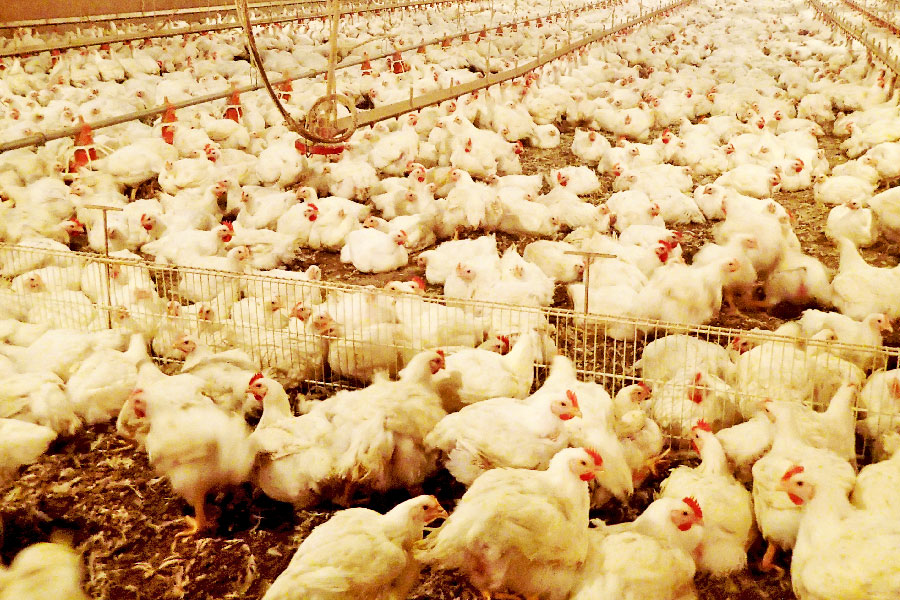
Antimicrobial Resistance (AMR) is an escalating threat driven by the overuse of antibiotics, with poultry farming at the heart of the issue. What once served as a shield against disease and a tool for growth now fuels the rise of resistant infections, endangering both human and animal health. In India, the rampant misuse of antibiotics in poultry has triggered serious public health concerns, including life-threatening infections in children.
Combatting AMR calls for more than quick fixes—it demands a thoughtful approach. Strengthening hygiene practices, embracing responsible antibiotic use, and exploring alternatives like vaccines and probiotics are essential steps.
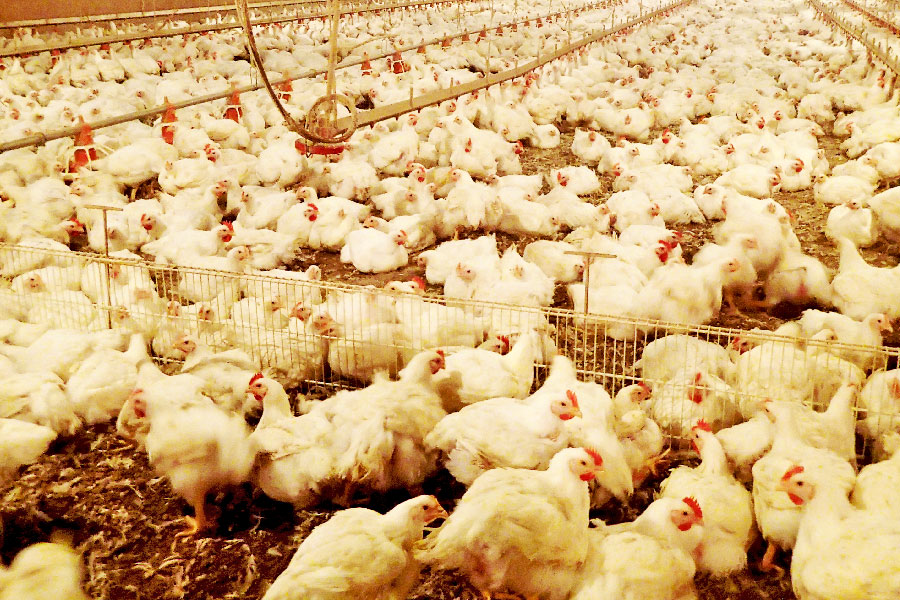
Use of antibiotics in poultry production
The poultry industry began using antibiotics in the mid-20th century, particularly during the 1940s and 1950s. Initially, these antibiotics were primarily employed to treat specific bacterial infections in poultry. However, their role has evolved, and they are now increasingly being used as growth promoters and disease preventatives to support large-scale production. Given that poultry is a significant global food industry, producing over 90 billion tons of chicken meat annually, the demand for various antimicrobial agents has surged. In many countries, antimicrobials are often viewed as substitutes for effective biosecurity and hygiene practices on farms.
Over the past few decades, India’s poultry production has undergone a massive transformation, evolving from a backyard activity to a major commercial venture. This shift has led to the establishment of integrated farming systems that combine poultry with other agricultural practices, such as crop production and fisheries. In these systems, antibiotics are used not only for protection against bacteria and pathogens but also for growth promotion.
This growing reliance on antibiotics has led to severe public health challenges in India. Alarmingly, a child dies every nine minutes from antibiotic-resistant infections, and approximately 50,000 infants are at risk of fatal sepsis due to ineffective antibiotics. As the poultry industry continues to expand, it is crucial to address these health risks while balancing the need for productivity in food production.
Key antibiotics utilized in poultry farming
Chickens are often given a variety of antibiotics through their daily food and water. The Poultry Extension highlights some of the most commonly used ones:
– Aminoglycosides: Used to treat intestinal infections.
– Bambermycins: Prevent bacterial cell wall formation.
– Beta-lactams: Includes penicillins and cephalosporins.
– Ionophores: Help prevent intestinal infections.
– Lincosamides: Treat joint and bone infections.
– Macrolides: Address necrotic enteritis, a condition caused by overeating.
– Quinolones: Broad-spectrum antibiotics effective against many bacteria.
– Streptogramins: Inhibit cell wall formation and protein synthesis, used to prevent and treat necrotic enteritis.
– Sulfonamides: Fight pathogens like Salmonella and E. coli.
Effective strategies for combating AMR in poultry
As poultry consumption rises, the high density of animals in production flocks increases the risk of spreading infectious agents, including antimicrobial-resistant (AMR) bacteria. Several pathogens in poultry flocks, meat, and eggs are challenging to eliminate, requiring improvements throughout the production system.
Interventions in poultry production can be divided into pre-harvest and post-harvest measures. Pre-harvest strategies aim to maintain animal health and prevent infections by administering protective compounds through feed or water.
As per Dr Beena C Joseph, expert in Poultry Science, “Antibiotics were used earlier in commercial poultry diets as growth promoters to enhance growth and reduce mortality. However, the emerging concern on AMR has resulted in the supplementation of alternative sources having desired goals in livestock and poultry diets. One such alternative is prebiotics which are non-digestible food ingredients that are activating the beneficial bacterial metabolism in the gut. On the other hand, probiotics which are live beneficial bacteria are also widely used as alternatives to antibiotics”
Future Ahead
Antimicrobial resistance (AMR) presents a serious challenge to public health, especially within the poultry industry, which plays a crucial role in global meat production and ultimately affects human health. The rampant use of antibiotics in poultry farming compromises livestock health and poses risks to humans, highlighting the urgent need for action.
To effectively tackle this issue, a comprehensive strategy is important. This strategy should promote responsible antibiotic use, implement hygienic breeding practices, enhance biosecurity measures, and explore innovative alternatives like vaccines. By taking these steps, we can reduce reliance on antibiotics and curb the spread of resistant strains.
While the challenges are significant, there is hope. With concerted effort and collaboration across the industry, we can create a sustainable future that safeguards health for both animals and humans.