The Dawn of Dark Factories: The Future or a Looming Challenge?

The rise of dark factories—fully automated, AI-powered facilities operating without human presence—marks a transformative shift in modern manufacturing. These “lights-out” factories, equipped with robots and IoT systems, can function 24/7, maximizing efficiency while minimizing labor costs. As industries worldwide embrace automation, dark factories are redefining production norms. Yet, this evolution raises critical questions: Are dark factories the inevitable future of industrial production, or do they introduce economic and social challenges that could overshadow their impressive technological advantages?
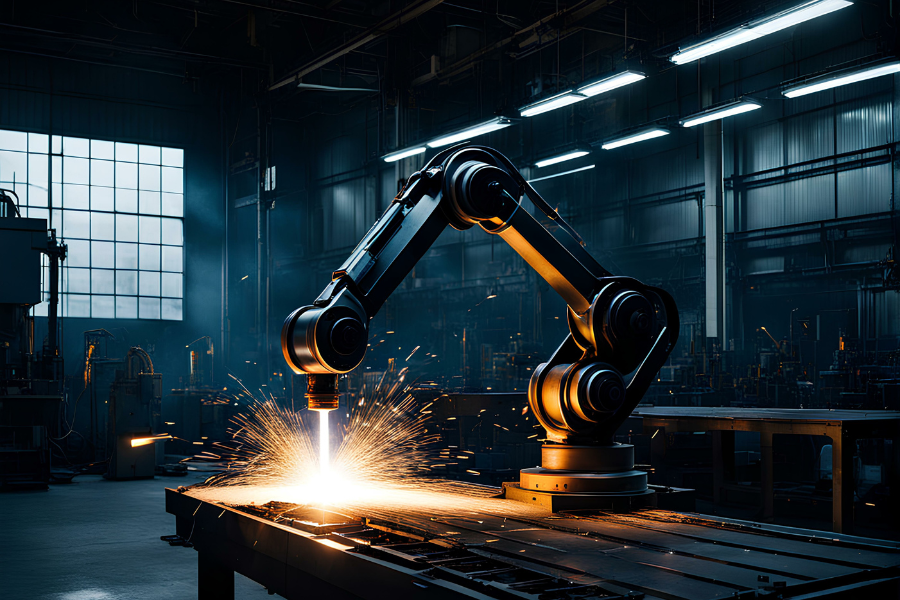
robot - adobe

The rise of automation and artificial intelligence (AI) has redefined how industries function globally, and manufacturing stands at the forefront of this transformation. One of the most groundbreaking developments in this space is the rise of dark factorieshighly automated manufacturing facilities designed to run without human intervention. As AI, robotics, and the Internet of Things (IoT) continue to evolve, dark factories are fast becoming symbols of efficiency and technological prowess. But are these facilities the inevitable future of manufacturing, or do they present challenges that could reshape how the the industrial workforce functions?

A dark factory, often called a “lights-out factory,” is a production plant that requires no on-site human workers to operate. Equipped with advanced robotics, AI systems, and IoT devices, these facilities can run continuously without pause. Since there is no need for human presence, there is also no need for lighting—hence the term “dark factory.” From the movement of raw materials to assembly lines, quality control, and packaging, every aspect is monitored and executed by machines and AI algorithms.

While automation has been a part of manufacturing for decades—think robotic arms assembling cars on production lines—dark factories represent a complete shift from human-machine collaboration to machine-only ecosystems.

Why Are Companies Investing in Dark Factories?

The global race toward dark factories is fueled by several key advantages that these facilities offer:

  1. Increased Efficiency: Automated systems outperform humans in repetitive tasks, producing goods at faster speeds and with greater precision. This translates to fewer production errors and higher-quality outputs.
  2. Cost Reduction: By eliminating the need for human labor, companies can dramatically reduce costs associated with wages, employee benefits, and compliance with labor regulations and safety standards.
  3. 24/7 Operations: Unlike human workers, robots don’t need rest. They operate round the clock, facilitating non-stop production cycles that maximize output and meet growing market demands.
  4. Improved Workplace Safety: Robots take on hazardous tasks in environments that might be too dangerous for human workers, reducing injury rates and ensuring safer operations.
  5. Scalability and Flexibility: AI-driven manufacturing systems can rapidly adapt to changing product designs and market trends without the need for extensive retraining, allowing companies to stay agile in competitive markets.

Xiaomi’s Dark Factory: A Glimpse Into the Future

A striking example of this shift can be seen in Xiaomi’s next-generation smart factory located in Changping, China. In a country that boasts nearly six million factories operating day and night to supply the world with consumer goods, Xiaomi’s facility stands out for its radical approach to automation.

Within this unassuming building, production continues 24/7 in near-total darkness. Robots silently and precisely assemble complex electronics, with flashes and sparks from welding robots being the only signs of life inside. Launched late last year, this facility has become a model of how AI and automation can be seamlessly integrated to redefine manufacturing.

With an investment of 2.4 billion yuan (approx US$ 330 million), Xiaomi’s 81,000-square-meter dark factory has a staggering production capacity of 10 million devices annually. The factory will lead the production of Xiaomi’s latest foldable smartphones, the MIX Fold 4 and MIX Flip. It operates with self-developed AI systems that manage real-time communication across machines, adjusting parameters on the fly to eliminate defects and ensure optimal performance.

Beyond assembly, even maintenance is automated. A fully autonomous dust-removal system keeps the factory spotless, negating the need for human janitorial staff. The facility’s ability to self-regulate and self-maintain is a glimpse into the future of industrial production—one that prioritizes efficiency, precision, and sustainability.

The Human Cost: Disruption on the Horizon

While the technological benefits of dark factories are clear, they also bring with them significant social and economic challenges—most notably, the erosion of traditional manufacturing jobs.

The World Economic Forum’s recent Future of Jobs Report highlighted this tension. It projected that AI and automation will impact nearly 23% of jobs globally within the next five years. Among the report’s findings, a sharp forecast of job losses looms, with an estimated 83 million jobs expected to disappear, offset only slightly by the creation of 69 million new roles. Many of these new positions will require specialized skills centered around technology and AI management.

Furthermore, the report warns that by 2027, approximately 42% of business tasks will be automated, and 44% of workers’ current skillsets will face disruption. Alarmingly, up to 60% of the workforce will need to undergo retraining to stay relevant in this rapidly changing landscape.

The rise of dark factories signals a powerful shift in how goods are made and how industries operate. For companies, the benefits are hard to ignore—greater productivity, cost savings, and the ability to remain competitive in an increasingly cutthroat market.

However, this march towards fully automated production also intensifies concerns over job displacement, income inequality, and the hollowing out of entire sectors that rely on low to mid-skill labor. While some experts remain optimistic, suggesting that new jobs will emerge in AI maintenance, data analysis, and system optimization, the transition will undoubtedly be disruptive.

Dark factories offer a tantalizing glimpse into the future of manufacturing, where production lines hum endlessly in perfect synchrony, free from human limitations. Yet, this technological utopia raises essential questions about the future of work and the social responsibilities of businesses and governments in navigating this change.

As more companies follow in Xiaomi’s footsteps, balancing innovation with workforce stability will be crucial. The dark factory revolution is here—but whether it becomes a boon or a bane depends on how industries, workers, and policymakers respond to this seismic shift.

Previous Post
Next Post

Most Recent Posts

  • All Post
  • 8th Pay Commission
  • Aadhar
  • Aditya Birla Capital
  • Advertising Standards
  • Affordable Housing
  • Agriculture
  • Agriculture & Food
  • AI in Healthcare
  • AI Technology
  • Airlines
  • alcohol industry
  • Android
  • APEDA
  • Apple
  • Artificial Intelligence
  • Ashwini Vaishnaw
  • Asset Management
  • Atmanirbhar Bharat
  • Audio Devices
  • Audio Products
  • Auto Industry
  • Automobile
  • Automobiles
  • Automotive
  • Automotive Industry
  • Aviation
  • Bain Healthcare Report 2026
  • Bank
  • Banking
  • Banking Technology
  • Battery Industry
  • Beverage Industry
  • Beverages
  • Bihar
  • biotechnology
  • Bitcoin
  • BMW Group India
  • Brand Insight
  • BRICS
  • Bullion Market
  • Business
  • Business & Economy
  • Business & Trade
  • Business Leadership Post COVID-19
  • Business News
  • Business Terminology
  • Business Utilities
  • Buyback
  • Capital Goods
  • Capital Markets
  • CarsBusiness
  • CBIC
  • CCI
  • Child Investment
  • China
  • China technology news
  • Citizen Services
  • Clean Energy
  • Clean Technology
  • Cloud Computing
  • coal
  • Commerce
  • Commerce and Industry
  • Commercial Real Estate
  • Commercial Vehicles
  • Commodities
  • Communications
  • Companies
  • Competition Law
  • Compliance
  • Computer Accessories
  • connected cars
  • Consumer Affairs
  • Consumer Electronics
  • Consumer Finance
  • Consumer Goods
  • Consumer Health
  • Consumer Markets
  • Consumer News
  • Consumer Protection,
  • Consumer Rights
  • Consumer Spending
  • Consumer Trends
  • Content Creation
  • Copper
  • Corporate
  • corporate affairs
  • Corporate Earnings
  • Corporate Governance
  • Corporate News
  • Corporate Social Responsibility
  • Cost of Living
  • Country
  • CRED
  • Credit Cards
  • CREDIT RATING
  • Crude Oil
  • Cryptocurrency
  • CSR
  • Culture
  • Currency
  • Customs Duty
  • Cyber Security
  • Cybersecurity
  • Dairy Industry
  • Data & Analytics
  • Defence
  • Delhi Government
  • Delhi-NCR
  • Demographics
  • Derivatives
  • DGCA
  • DGFT
  • DigiLocker
  • Digital Assets
  • Digital Economy
  • Digital Health India
  • Digital Identity
  • Digital India
  • Digital Infrastructure
  • Digital passport for robots
  • Digital Payments
  • Digital Platforms
  • digital services
  • Diplomacy
  • Dixon Technologies
  • DPIIT
  • E Commerce
  • E-commerce
  • E-Governance
  • Ease of Doing Business
  • Economic Growth
  • Economy
  • Edible Oil Industry
  • Editor Choice
  • EdTech
  • Education
  • Electric Mobility
  • Electric Vehicles
  • Electronics
  • Employment
  • ENERGY
  • Engineering
  • Entertainment
  • Environment
  • EPFO
  • Ethanol Economy
  • EV Industry
  • EV Technology
  • Exports
  • EXTER
  • Farmers
  • Fashion
  • FINANCE
  • Finance Ministry,
  • Financial Marketing
  • Financial Markets
  • Financial News
  • Financial Planning
  • Financial Results
  • Financial Services
  • Fintech
  • FnTech
  • Food & Beverage
  • Food & Beverages
  • Food Exports
  • Food Industry
  • Food Manufacturing
  • Food Processing
  • Food Regulations
  • food safety
  • Foreign Exchange
  • Foreign Investment
  • Foreign Policy
  • Foreign Trade
  • Forex Reserves
  • fssai
  • FTA
  • Fuel
  • Fuel Prices
  • Future Energy
  • Gadgets
  • Gadgets & Apps
  • Gaming
  • GDP
  • Generative AI Healthcare
  • Geopolitics
  • GI Products
  • Global Brand Alliance
  • Global Economy
  • Global Markets
  • Global Politics
  • Global Tech
  • Global Trade Policy
  • Global Trends\
  • Gold
  • Gold Market
  • Gold Prices
  • Gols & Silver
  • Government
  • Government & Policy
  • Government Affairs
  • Government Bonds
  • Government Data
  • Government Initiatives
  • Government Policy
  • Government Policy & Regulation
  • Government Scheme
  • Government Schemes
  • Government Services
  • Green Energy
  • Green Mobility
  • GroupGlobal
  • GST
  • GST Council
  • GST Counsil
  • Hair Care
  • Hardware
  • Hatchback Segment
  • Health Supplements,
  • Horticulture
  • Housing
  • HSBC
  • Human Resources
  • humanoid robot market
  • Hyundai
  • IBT Infographics
  • iinvestment
  • Imports & Exports
  • Income Tax
  • India
  • India Auto Market
  • India Business News
  • India Inc
  • India News
  • India Retail
  • India-Canada Relations
  • India-China
  • India-Japan Relations
  • India-Russia Relations
  • India-South Korea Relations
  • India-US Relations
  • Indian Economy
  • Indian Navy
  • Industrial Pollution
  • Inflation
  • Infra
  • Infrastructure
  • Innovation
  • Instagram
  • Insurance
  • international
  • International Affairs
  • International Cooperation
  • International Relations
  • International Trade
  • Internet & Connectivity
  • Internet Policy
  • Internet Regulation
  • Interview
  • Investing
  • Investment News
  • Investments
  • iPhone News
  • IPO
  • IT Industry
  • Jewellery
  • Jio Platforms
  • JioBlackRock
  • Jobs & Careers
  • Joint Ventures
  • Kim Kardashian
  • Labour
  • Latest
  • Launches
  • Leadership
  • Leaderspeak
  • Lending
  • Lifestyle
  • Lifestyle Tech
  • List
  • Loans & Credit
  • Local News
  • Logistics
  • LPG
  • Luxury Cars
  • Machinery
  • Macroeconomics
  • Macroeconomy
  • maharashtra
  • Maharashtra News
  • Make in India
  • Makhana
  • Manufacturing
  • Market Outlook
  • Markets
  • Maruti Suzuki
  • Mergers & Acquisitions
  • Meta
  • Microsoft
  • Middle East
  • Mobile Apps
  • Mobile Industry
  • Mobile Launch
  • Mobility
  • Monetary Policy
  • Monsoon
  • MoSPI
  • MSME
  • Mutual Funds
  • Nano Tech
  • National
  • National news
  • NEET 2026
  • NewsElectric
  • NewsTata
  • NPCI
  • NPS Vatsalya
  • Office Market
  • Oil & Gas
  • Oil and Gas
  • Others
  • OTT
  • Packaged Drinking Water
  • Packaged Foods
  • Packaging Industry
  • Packaging Innovation
  • Passenger Vehicles
  • Paytm
  • Pension & Retirement
  • Pensions
  • Personal Care
  • Personal Finance
  • Perspectives
  • Petroleum
  • PFRDA
  • Pharmaceuticals
  • PM Modi
  • PMAY-G
  • PMAY-U
  • PMAY,
  • PMI
  • policy
  • Population
  • PORTS
  • Positive News
  • PPF
  • Precious Metals
  • Pricing
  • Product Labeling
  • Product Labelling
  • Product Launch
  • Property Market
  • PSU
  • PSU Banks
  • Public Health
  • Public Policy
  • Public Safety
  • Public Sector
  • Public Services
  • Public Welfare
  • Quarterly Results
  • Railways
  • Rajasthan
  • Raksha Bandhan
  • Raksha Bandhan Gifts
  • Rare Earths
  • RBI
  • Real Estate & Realty Sector
  • Recycling
  • Regulation
  • Regulatory Action
  • Regulatory Affairs
  • Regulatory Updates
  • REIT
  • Reliance Industries
  • Renewable Energy
  • RERA
  • Research
  • Retail
  • Retirement Planning
  • Road Infrastructure
  • Robotics & Automation
  • robotics standards
  • Rupee
  • Rural Development
  • Rural Housing
  • SAIL
  • Salaries
  • Samsung
  • Savings
  • Science & Technology
  • Sebi
  • Security
  • Semiconductor
  • Services Sector,
  • SHIPPING
  • Silver Prices
  • Skill Development
  • Skills Development
  • Small Business
  • Smart Devices
  • Smart Home
  • Smart Mobility
  • Smartphones
  • Social Impact
  • Social Media
  • Society
  • Software Development
  • Solar Energy
  • Space Technology
  • Startups
  • Statistics
  • Steel Industry
  • Stock Market
  • stocks
  • streaming
  • Sugar Industry
  • Sukanya Samriddhi Yojana
  • Sustainability
  • SUV
  • Tamil Nadu Pollution Board
  • Tariffs
  • Tariffs & Duties
  • Tata Group
  • Tata Motors
  • Tata Sons
  • Tax Planning
  • Taxation
  • Tech
  • Tech Branding
  • Technology
  • Telecom & Technology
  • Telecom Industry
  • Top Story
  • Tourism
  • Trade
  • Trade Agreement
  • Trade Basket
  • Trade Partner
  • Trade Policy,
  • Transportation
  • Travel
  • Trending
  • Two-Wheelers
  • UIDAI
  • UPI
  • Urban Development
  • US-Iran Conflict Economic Impact
  • US–India Relations
  • Uttar Pradesh
  • VehiclesLuxury
  • vivo
  • Wastewater Management
  • Water Quality,
  • Wealth Management
  • Wearables
  • Wellness
  • WhatsApp
  • Wheat
  • Workplace
  • World
  • World News
  • Worldview
  • Yamaha
  • zLead Slider
    •   Back
    • Healthcare
    • Auto
    • Fmcg
    • Hospitality
    •   Back
    • Cash Crop
    • Organic
    • New Era Agri
    • Processed Food
    •   Back
    • Construction
    • Power
    • Mining
    • Telecom
    •   Back
    • ENERGY
    •   Back
    • Export/Import
    • Trade Deal
    • Trade Fair
    •   Back
    • Policies
    • Industry
    • Finance
    •   Back
    • Others technology
    • Mobile phone
    • Gadgets
    •   Back
    • Manufacturing
    • Services
    • Startup

India Business & Trade is a national media platform decoding the ideas, decisions and shifts shaping India’s growth story—across plicy, business, global commerce and a rapidly evolving marketplace.

Reach Us

India Business & Trade
M-62, Saket, New Delhi-110064, India

Subscribe To Newsletter

Stay ahead in the dynamic world of trade and commerce with India Business & Trade’s weekly newsletter.

Copyright © 2026 India Business & Trade. All Rights Reserved


Fatal error: Uncaught TypeError: Unsupported operand types: string * int in /var/www/sites/indiabusinesstrade.in/wp-content/plugins/royal-elementor-addons/admin/includes/wpr-templates-modal-popups.php:192 Stack trace: #0 /var/www/sites/indiabusinesstrade.in/wp-content/plugins/royal-elementor-addons/admin/includes/wpr-templates-modal-popups.php(128): WprAddons\Admin\Includes\WPR_Templates_Modal_Popups::get_template_settings() #1 /var/www/sites/indiabusinesstrade.in/wp-content/plugins/royal-elementor-addons/admin/includes/wpr-templates-modal-popups.php(106): WprAddons\Admin\Includes\WPR_Templates_Modal_Popups::render_popup_content() #2 /var/www/sites/indiabusinesstrade.in/wp-content/plugins/royal-elementor-addons/admin/includes/wpr-templates-modal-popups.php(64): WprAddons\Admin\Includes\WPR_Templates_Modal_Popups::display_popups_by_location() #3 /var/www/sites/indiabusinesstrade.in/wp-includes/class-wp-hook.php(341): WprAddons\Admin\Includes\WPR_Templates_Modal_Popups->render_popups() #4 /var/www/sites/indiabusinesstrade.in/wp-includes/class-wp-hook.php(365): WP_Hook->apply_filters() #5 /var/www/sites/indiabusinesstrade.in/wp-includes/plugin.php(522): WP_Hook->do_action() #6 /var/www/sites/indiabusinesstrade.in/wp-includes/general-template.php(3224): do_action() #7 /var/www/sites/indiabusinesstrade.in/wp-content/plugins/royal-elementor-addons/admin/templates/wpr-canvas.php(64): wp_footer() #8 /var/www/sites/indiabusinesstrade.in/wp-includes/template-loader.php(132): include('...') #9 /var/www/sites/indiabusinesstrade.in/wp-blog-header.php(19): require_once('...') #10 /var/www/sites/indiabusinesstrade.in/index.php(17): require('...') #11 {main} thrown in /var/www/sites/indiabusinesstrade.in/wp-content/plugins/royal-elementor-addons/admin/includes/wpr-templates-modal-popups.php on line 192