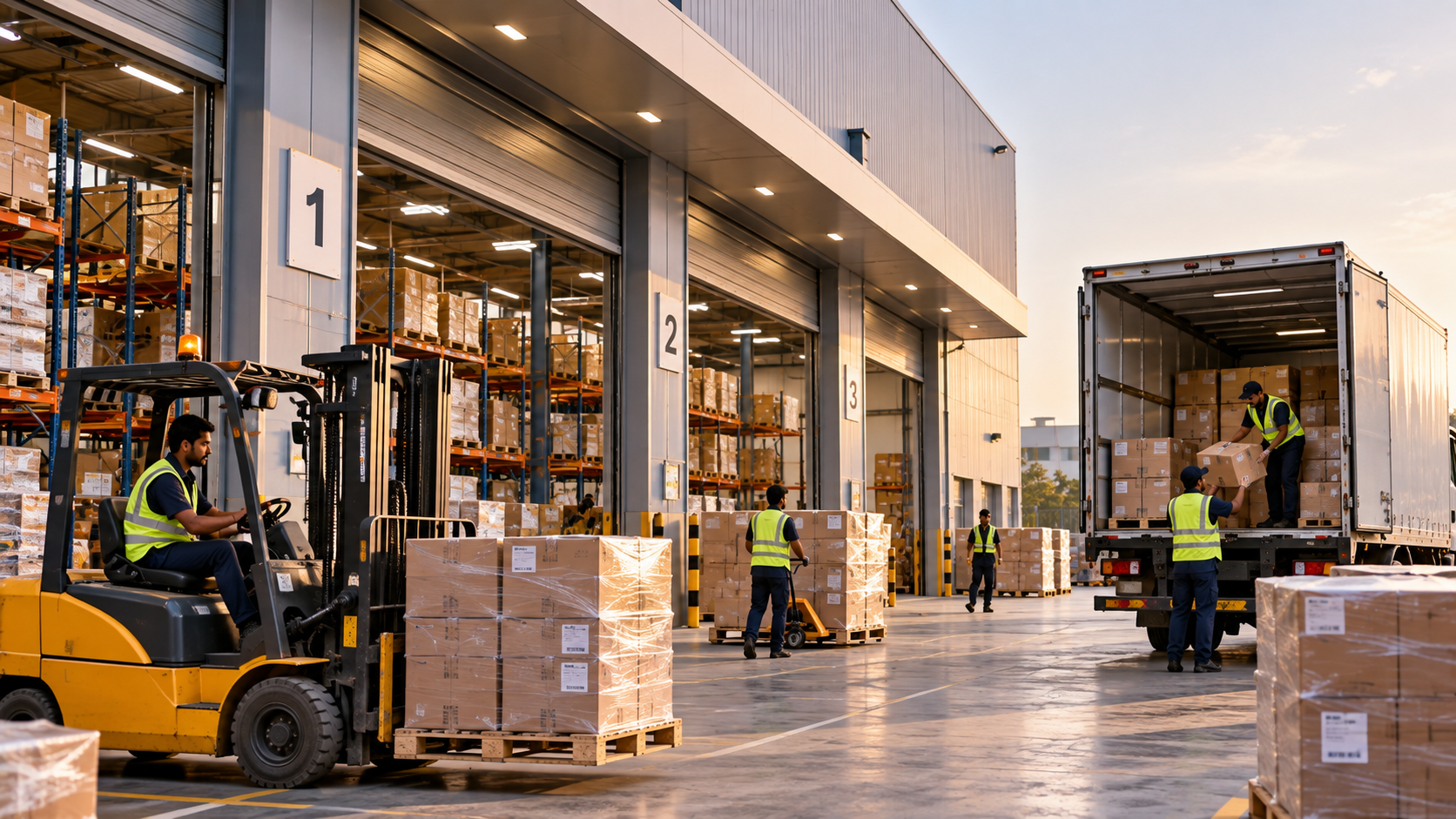
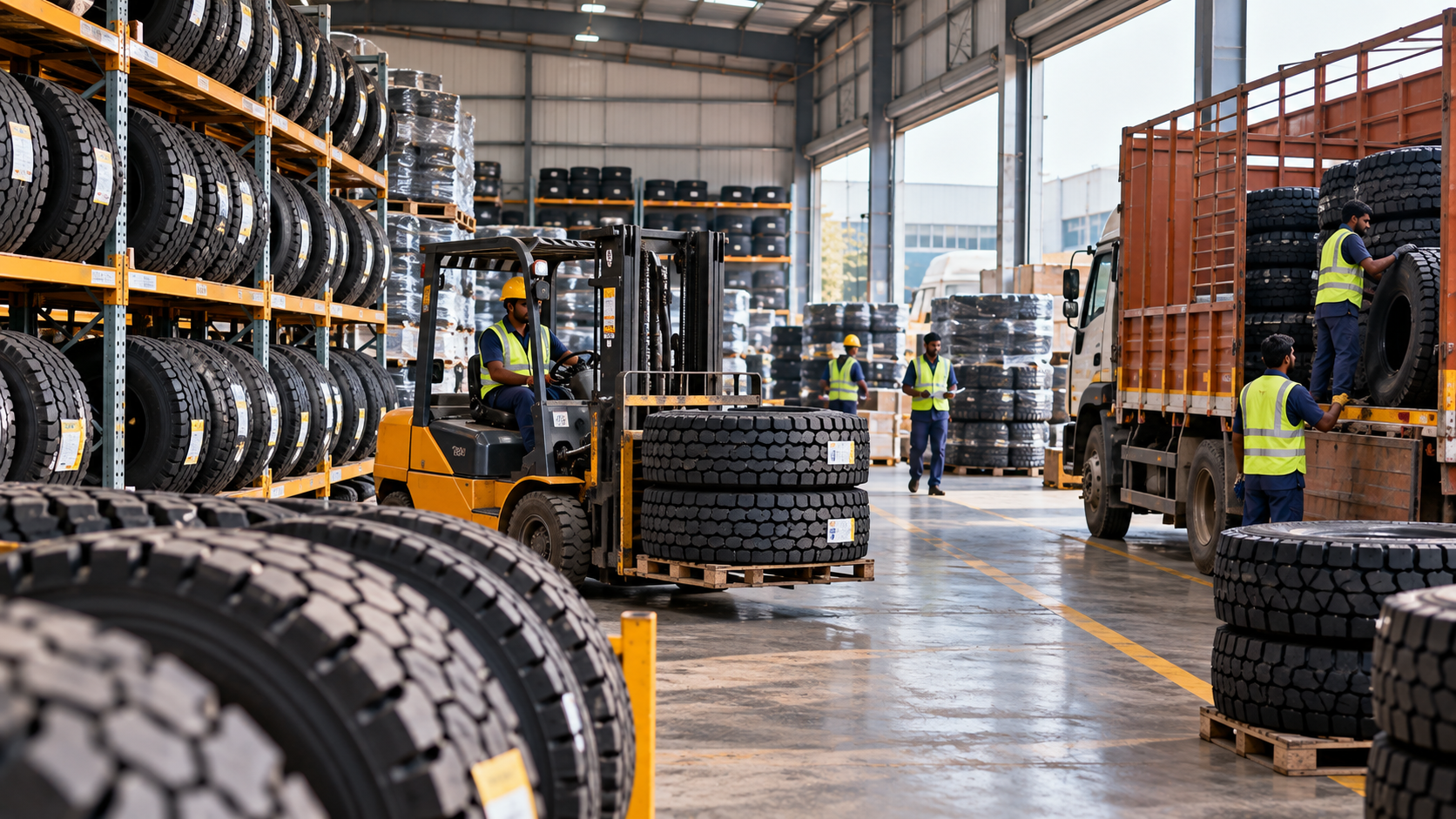
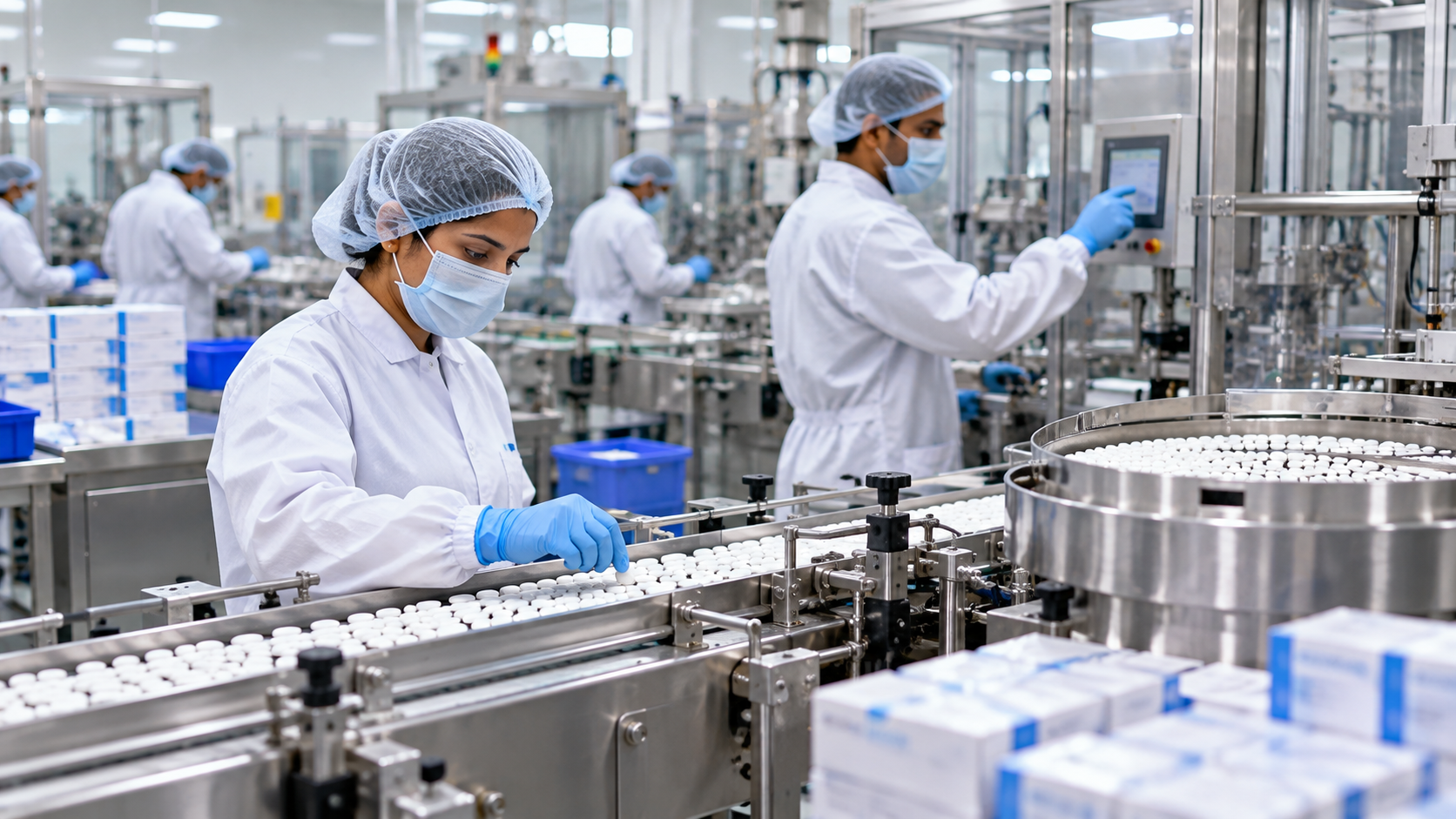
IBT interacted with Parashram Akhare, Founder of Krushi Sarathi, to understand how the platform is addressing long-standing gaps in India’s agricultural supply chain. From ensuring timely delivery of quality inputs to promoting sustainable farming practices and digital adoption, Akhare shares how Krushi Sarathi is empowering over 20,000 farmers across Maharashtra and shaping the future of agri-commerce in rural India.
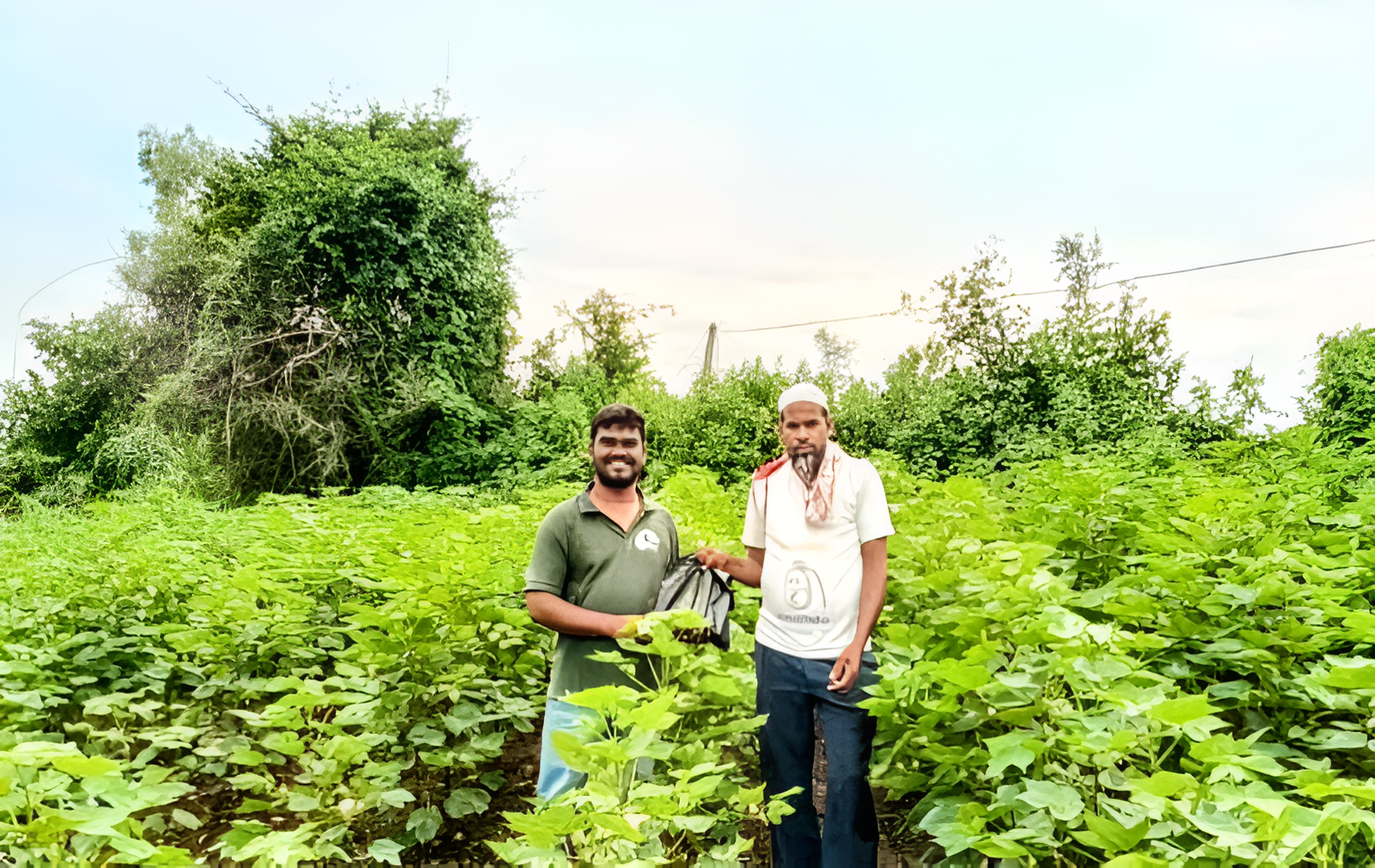
IBT: What gaps in the traditional agri-supply chain did you see that led to the creation of Krushi Sarathi?
The creation of Krushi Sarathi was driven by critical gaps observed in the traditional agricultural supply chain, particularly in financial support and environmental sustainability. Farmers often faced immense challenges in accessing quality inputs such as seeds, plant nutrients, and pest control agents, leaving them vulnerable to suboptimal yields and economic instability. Moreover, many were compelled to adopt agricultural practices that degraded soil health over time, jeopardizing the sustainability of their farmland. These intertwined challenges not only led to financial losses but also threatened the long-term viability of their most valuable asset—their farmland. Krushi Sarathi emerged as a response to these pressing issues, aiming to empower farmers with better resources and sustainable practices.
IBT: How is your e-commerce model reshaping how farmers access inputs like seeds, fertilizers, and equipment?
Familiarizing farmers with online platforms remains an ongoing effort, as the shift to e-commerce in agriculture is still in its early stages. However, our primary focus is on ensuring farmers have access to high-quality inputs such as seeds, fertilizers, and equipment. While transforming the mode of access is important, our immediate priority is to bridge the gap in input quality and availability to empower farmers and enhance productivity. We are the fastest delivery app in agriculture sector. We deliver all inputs within 23 hour which is very necessary in this sector.
IBT: What kind of change have you seen in farmer decision-making or productivity since using your services?
Our efforts have driven meaningful changes in farmer decision-making and productivity. Many farmers are now proactively bringing in soil samples for testing, highlighting an increased awareness of soil health and its impact on yields. Additionally, there has been a steady rise in group orders for agricultural inputs, reflecting a shift toward informed and collaborative purchasing decisions. Notably, farmers are also adopting sustainable agricultural practices, such as using waste cotton stalks to produce artisanal biochar. This innovative approach not only helps manage agricultural waste but also enriches soil fertility, aligning productivity goals with environmental sustainability. Due to supply of quality inputs, informed decision cost on input reduced and yield increased leads in increase in profitability.
IBT: How do you ensure trust and reliability among rural farmers, especially first-time digital users?
We prioritize building trust and reliability among rural farmers by engaging directly with them at the grassroots level. Our team visits each village, organizes meetings in collaboration with the local panchayat office, and conducts awareness programs about our initiatives. By demonstrating tangible benefits and fostering a sense of community, we establish trust from the ground up. It’s not just about offering services—it’s about creating meaningful value, which is reflected in the high number of repeat orders we receive. While digital adoption among farmers is still evolving, our hands-on approach ensures we bridge the gap effectively.
IBT: With 20,000+ farmers onboard, what’s your roadmap to scale — is it tech-driven, regional expansion, or partnerships?
With over 20,000 farmers onboard, our roadmap to scale focuses on a multifaceted approach encompassing regional expansion, strategic partnerships, and technology adoption. We are actively broadening our reach across various regions in Maharashtra to serve a larger farming community. Partnerships remain a key focus area, as we continuously seek collaborations that can deliver meaningful value to farmers. For instance, we are currently in discussions with a financial institution to provide credit facilities tailored to farmers’ needs. Additionally, while technology will be integral to our scalability, we aim to adopt tech solutions that are thoughtfully aligned with specific challenges, ensuring practical and impactful implementation.
IBT: What’s the biggest operational challenge?
Rather than viewing it as a challenge, we see farmer education as a pivotal goal. Educating farmers serves as a proactive solution to many operational hurdles. Across industries, informed consumers play a critical role in addressing potential challenges, and agriculture is no exception. By empowering farmers with knowledge, we enable smoother operations and foster a more resilient supply chain.
IBT: Are there any collaborations with government bodies, agri universities, or private players in the pipeline?
IBT: If you had access to stronger trade or institutional support, what immediate impact would it create for your farmer network?