GST overhaul: Relief for shoppers, push for industry

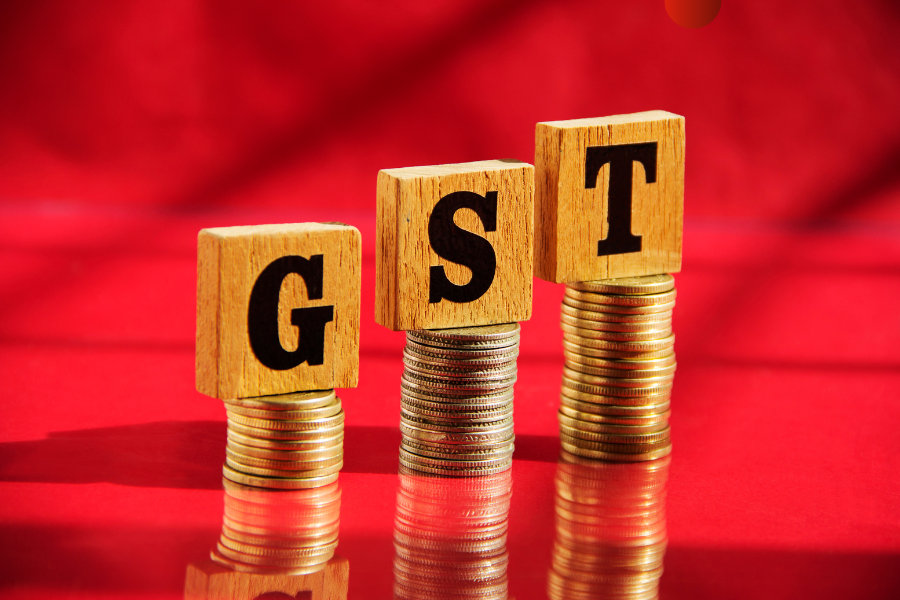
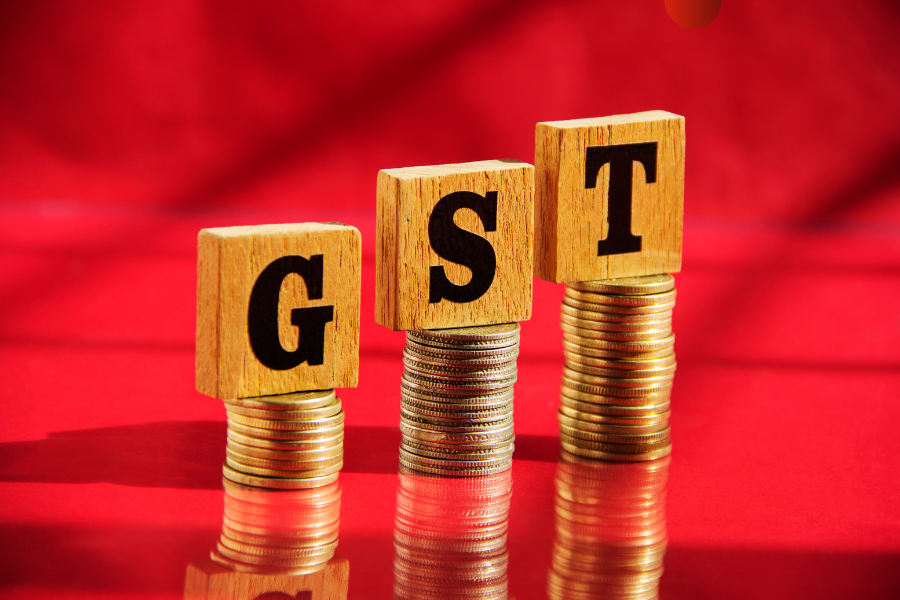
In a landmark move, the Indian government, through the 56th GST Council meeting held on September 3, 2025, in New Delhi, has approved sweeping reforms to the Goods and Services Tax (GST) structure. Chaired by Hon’ble Union Finance Minister Smt. Nirmala Sitharaman, the council focused on simplifying the tax regime, reducing rates on essential and everyday items, and rationalised to a more streamlined slab system.

This rationalisation aims to ease the burden on the common man, boost consumption, and support key sectors like agriculture, manufacturing, and healthcare. The changes, effective from September 22, 2025, mark the dawn of what has been dubbed “Next-gen GST,” consolidating the existing four-tier structure (5%, 12%, 18%, and 28%) into primarily two main slabs: 5% for merit goods and 18% for standard items, with a 40% rate for select luxury or sin goods.
GST India

The core of the reform is the merger of the 12% and 28% slabs into the 5% and 18% categories for most goods, with exemptions or nil rates for essentials. This simplifies compliance for businesses and makes products more affordable for consumers. Notably, life and health insurance premiums have been fully exempted, providing significant relief to households. Exemptions for ultra-high temperature (UHT) milk, paneer, and Indian breads like roti and paratha further underscore the focus on food security and daily necessities. Agricultural and renewable energy equipment have seen sharp reductions to encourage sustainable practices, while high-end vehicles and tobacco products face higher or maintained rates to curb luxury consumption.

The council emphasized a “citizen-friendly Simple Tax” approach. The decisions reflect a unanimous consensus among the Centre and states, focusing on citizen-friendly reforms while navigating global economic challenges such as trade tariffs. Over 90% of goods have been shifted to lower rates, eliminating many classification disputes. This move aligns with the government’s vision of inclusive growth and ease of doing business, marking a significant evolution since GST’s introduction in 2017.

Major rationalisations on products

Below is a table highlighting some of the key rate changes for major products and categories/ These adjustments primarily target essentials, household items, vehicles, and healthcare to make them more accessible. This table captures the most impactful changes based on the council’s announcements, with a focus on consumer goods.

Category/Product Previous GST Rate New GST Rate Notes
UHT Milk, Prepackaged Paneer, Indian Breads (e.g., Roti, Paratha) 5%-18% Nil/Exempt Aimed at reducing food costs for the common man.
Hair Oil, Shampoos, Toothpaste, Toothbrushes 18% 5% Everyday hygiene products made cheaper.
Packaged Foods (e.g., Namkeens, Butter, Ghee, Cornflakes, Instant Noodles) 12%-18% 5% Boosts affordability of snacks and staples.
Air Conditioners, Dishwashers, TVs (all sizes) 18%-28% 18% Reduction from higher slab for home appliances.
Small Cars (up to 1200cc petrol/1500cc diesel), Motorcycles (up to 350cc) 28% 18% Makes personal transport more affordable.
Large Cars/SUVs (over 1500cc), Motorcycles (over 350cc) 28% 40% Higher rate for luxury vehicles.
Tractors, Agricultural Machinery 12% 5% Supports farmers and rural economy.
Cement 28% 18% Lowers construction costs, benefiting housing sector.
Medicines (general), Medical Devices 12%-18% 5% Major relief for healthcare expenses.
Bicycles and Parts 12% 5% Promotes eco-friendly transport.
Renewable Energy Devices 12% 5% Encourages green energy adoption.
Life/Health Insurance Premiums 18% Exempt Significant savings for families and seniors.
Hotel Accommodation (up to Rs 7,500/day) 12% 5% Boosts tourism and hospitality.

Benefits of rationalisation

  1. Simplification of Structure: Fewer tax slabs would minimize classification disputes and litigation.
  2. Boost to Consumption: Lower rates on essential goods stimulate demand, particularly in rural and semi-urban areas.
  3. Enhanced Business Competitiveness: Reduced costs of inputs and streamlined compliance encourage investment and growth.
  4. Improved Tax Morale: A fairer, transparent system enhances voluntary compliance among taxpayers.
  5. Macroeconomic Stability: Rationalisation can help manage inflation and ensure steady revenue generation.

Impacts of the GST rationalisation

The reforms are poised to have multifaceted effects on the Indian economy, consumers, and businesses.

On consumers and households

By slashing rates on essentials like food, hygiene products, and healthcare, the rationalisation is expected to increase disposable income, particularly for the middle and lower-income groups. For instance, exemptions on insurance could save families thousands annually, while cheaper appliances and vehicles may spur big-ticket purchases. Economists predict a 5-10 basis point drop in CPI inflation due to lower costs of goods and services, making life more affordable amid rising global prices.

On the economy

The changes are projected to add 20-50 basis points to GDP growth in FY26 by stimulating consumer demand and domestic consumption, which accounts for over 60% of India’s GDP. This could offset external shocks, such as potential US tariffs on Indian exports. Sectors like automobiles, real estate (via lower cement rates), and agriculture will likely see a boom, fostering job creation in labour-intensive industries. However, the initial revenue dip may require states to rely on compensation mechanisms until buoyancy effects kick in.

Market & macroeconomic outlook: Jefferies’ assessment

International brokerage house Jefferies noted that the GST rationalisation is expected to deliver a positive festive demand boost, while the estimated Rs 48,000 crore revenue loss in FY24 terms may ease substantially due to higher consumption. They project the net fiscal impact in FY26 at Rs 22,000–24,000 crore, covering both Centre and States, with no adverse impact anticipated in FY27 as the conversion of GST Cess into GST should offset losses.

On the sectoral front, Jefferies highlighted that staples and FMCG players like ITC would benefit the most, while cement and auto stocks (including M&M) are expected to see a strong rebound. The cuts are seen as a “strong positive for other autos as well,” though markets have partially priced this in.

From a macroeconomic standpoint, Jefferies expects GST cuts to reduce CPI inflation by nearly 25 basis points, thereby increasing the probability of a 25 bps RBI rate cut in the upcoming policy review, with an “outside chance” of a 50 bps cut in subsequent meetings.

Importantly, Jefferies pointed out that the government is “showing greater trust in industry” by not imposing a fresh anti-profiteering clause. Officials expressed confidence that Indian businesses are competitive enough to pass on tax benefits to consumers, ensuring lower prices translate into wider affordability.

On businesses and compliance

Simplified slabs reduce classification disputes, easing compliance for MSMEs. Uniform rates on auto parts and textiles will streamline supply chains, potentially lowering production costs and enhancing competitiveness. Overall, the reforms promote ease of doing business, with noting a positive buoyancy effect on tax revenues in the long term.

Challenges and future outlook

While the benefits of GST rationalisation are evident—ranging from greater affordability of essentials to simplified compliance—the transition is not without short-term hurdles. One of the most pressing concerns is the potential revenue shortfall, projected at nearly Rs. 47,000–48,000 crore in the initial phase. This decline stems largely from rate cuts on high-revenue categories such as cement (28% to 18%), appliances, and vehicles. For states, this raises apprehensions about financing developmental projects and maintaining fiscal balance during the adjustment period.

Looking ahead, however, the long-term outlook remains promising. GST 2.0 has the potential to stimulate private capital expenditure, rejuvenate consumption demand, and strengthen fiscal resilience by creating a more stable and business-friendly tax environment. If implemented effectively, the reform could not only ease the burden on consumers but also serve as a catalyst for India’s broader economic transformation in the years to come.

Conclusion

The 2025 GST rationalisation represents a decisive step towards shaping a fairer and more efficient tax system, resonating with the government’s broader vision of inclusive growth. Although short-term fiscal adjustments may be necessary, the long-term advantages—such as cheaper goods, stronger consumer demand, and greater economic resilience—position the reform as a catalyst for India’s post-pandemic recovery.

As the changes roll out from September 22, their effectiveness will hinge on seamless implementation, careful calibration, and consistent cooperation between the Centre and states. Ensuring fiscal stability while promoting wider consumer and business welfare will be important to translating this policy shift into tangible and lasting benefits for the economy.

Previous Post
Next Post

Most Recent Posts

  • All Post
  • 8th Pay Commission
  • Aadhar
  • Aditya Birla Capital
  • Advertising Standards
  • Affordable Housing
  • Agriculture
  • Agriculture & Food
  • AI in Healthcare
  • AI Technology
  • Airlines
  • alcohol industry
  • Android
  • APEDA
  • Apple
  • Artificial Intelligence
  • Ashwini Vaishnaw
  • Asset Management
  • Atmanirbhar Bharat
  • Audio Devices
  • Audio Products
  • Auto Industry
  • Automobile
  • Automobiles
  • Automotive
  • Automotive Industry
  • Aviation
  • Bain Healthcare Report 2026
  • Bank
  • Banking
  • Banking Technology
  • Battery Industry
  • Beverage Industry
  • Beverages
  • Bihar
  • biotechnology
  • Bitcoin
  • BMW Group India
  • Brand Insight
  • BRICS
  • Bullion Market
  • Business
  • Business & Economy
  • Business & Trade
  • Business Leadership Post COVID-19
  • Business News
  • Business Terminology
  • Business Utilities
  • Buyback
  • Capital Goods
  • Capital Markets
  • CarsBusiness
  • CBIC
  • CCI
  • Child Investment
  • China
  • China technology news
  • Citizen Services
  • Clean Energy
  • Clean Technology
  • Cloud Computing
  • coal
  • Commerce
  • Commerce and Industry
  • Commercial Real Estate
  • Commercial Vehicles
  • Commodities
  • Communications
  • Companies
  • Competition Law
  • Compliance
  • Computer Accessories
  • connected cars
  • Consumer Affairs
  • Consumer Electronics
  • Consumer Finance
  • Consumer Goods
  • Consumer Health
  • Consumer Markets
  • Consumer News
  • Consumer Protection,
  • Consumer Rights
  • Consumer Spending
  • Consumer Trends
  • Content Creation
  • Copper
  • Corporate
  • corporate affairs
  • Corporate Earnings
  • Corporate Governance
  • Corporate News
  • Corporate Social Responsibility
  • Cost of Living
  • Country
  • CRED
  • Credit Cards
  • CREDIT RATING
  • Crude Oil
  • Cryptocurrency
  • CSR
  • Culture
  • Currency
  • Customs Duty
  • Cyber Security
  • Cybersecurity
  • Dairy Industry
  • Data & Analytics
  • Defence
  • Delhi Government
  • Delhi-NCR
  • Demographics
  • Derivatives
  • DGCA
  • DGFT
  • DigiLocker
  • Digital Assets
  • Digital Economy
  • Digital Health India
  • Digital Identity
  • Digital India
  • Digital Infrastructure
  • Digital passport for robots
  • Digital Payments
  • Digital Platforms
  • digital services
  • Diplomacy
  • Dixon Technologies
  • DPIIT
  • E Commerce
  • E-commerce
  • E-Governance
  • Ease of Doing Business
  • Economic Growth
  • Economy
  • Edible Oil Industry
  • Editor Choice
  • EdTech
  • Education
  • Electric Mobility
  • Electric Vehicles
  • Electronics
  • Employment
  • ENERGY
  • Engineering
  • Entertainment
  • Environment
  • EPFO
  • Ethanol Economy
  • EV Industry
  • EV Technology
  • Exports
  • EXTER
  • Farmers
  • Fashion
  • FINANCE
  • Finance Ministry,
  • Financial Marketing
  • Financial Markets
  • Financial News
  • Financial Planning
  • Financial Results
  • Financial Services
  • Fintech
  • FnTech
  • Food & Beverage
  • Food & Beverages
  • Food Exports
  • Food Industry
  • Food Manufacturing
  • Food Processing
  • Food Regulations
  • food safety
  • Foreign Exchange
  • Foreign Investment
  • Foreign Policy
  • Foreign Trade
  • Forex Reserves
  • fssai
  • FTA
  • Fuel
  • Fuel Prices
  • Future Energy
  • Gadgets
  • Gadgets & Apps
  • Gaming
  • GDP
  • Generative AI Healthcare
  • Geopolitics
  • GI Products
  • Global Brand Alliance
  • Global Economy
  • Global Markets
  • Global Politics
  • Global Tech
  • Global Trade Policy
  • Global Trends\
  • Gold
  • Gold Market
  • Gold Prices
  • Gols & Silver
  • Government
  • Government & Policy
  • Government Affairs
  • Government Bonds
  • Government Data
  • Government Initiatives
  • Government Policy
  • Government Policy & Regulation
  • Government Scheme
  • Government Schemes
  • Government Services
  • Green Energy
  • Green Mobility
  • GroupGlobal
  • GST
  • GST Council
  • GST Counsil
  • Hair Care
  • Hardware
  • Hatchback Segment
  • Health Supplements,
  • Horticulture
  • Housing
  • HSBC
  • Human Resources
  • humanoid robot market
  • Hyundai
  • IBT Infographics
  • iinvestment
  • Imports & Exports
  • Income Tax
  • India
  • India Auto Market
  • India Business News
  • India Inc
  • India News
  • India Retail
  • India-Canada Relations
  • India-China
  • India-Japan Relations
  • India-Russia Relations
  • India-South Korea Relations
  • India-US Relations
  • Indian Economy
  • Indian Navy
  • Industrial Pollution
  • Inflation
  • Infra
  • Infrastructure
  • Innovation
  • Instagram
  • Insurance
  • international
  • International Affairs
  • International Cooperation
  • International Relations
  • International Trade
  • Internet & Connectivity
  • Internet Policy
  • Internet Regulation
  • Interview
  • Investing
  • Investment News
  • Investments
  • iPhone News
  • IPO
  • IT Industry
  • Jewellery
  • Jio Platforms
  • JioBlackRock
  • Jobs & Careers
  • Joint Ventures
  • Kim Kardashian
  • Labour
  • Latest
  • Launches
  • Leadership
  • Leaderspeak
  • Lending
  • Lifestyle
  • Lifestyle Tech
  • List
  • Loans & Credit
  • Local News
  • Logistics
  • LPG
  • Luxury Cars
  • Machinery
  • Macroeconomics
  • Macroeconomy
  • maharashtra
  • Maharashtra News
  • Make in India
  • Makhana
  • Manufacturing
  • Market Outlook
  • Markets
  • Maruti Suzuki
  • Mergers & Acquisitions
  • Meta
  • Microsoft
  • Middle East
  • Mobile Apps
  • Mobile Industry
  • Mobile Launch
  • Mobility
  • Monetary Policy
  • Monsoon
  • MoSPI
  • MSME
  • Mutual Funds
  • Nano Tech
  • National
  • National news
  • NEET 2026
  • NewsElectric
  • NewsTata
  • NPCI
  • NPS Vatsalya
  • Office Market
  • Oil & Gas
  • Oil and Gas
  • Others
  • OTT
  • Packaged Drinking Water
  • Packaged Foods
  • Packaging Industry
  • Packaging Innovation
  • Passenger Vehicles
  • Paytm
  • Pension & Retirement
  • Pensions
  • Personal Care
  • Personal Finance
  • Perspectives
  • Petroleum
  • PFRDA
  • Pharmaceuticals
  • PM Modi
  • PMAY-G
  • PMAY-U
  • PMAY,
  • PMI
  • policy
  • Population
  • PORTS
  • Positive News
  • PPF
  • Precious Metals
  • Pricing
  • Product Labeling
  • Product Labelling
  • Product Launch
  • Property Market
  • PSU
  • PSU Banks
  • Public Health
  • Public Policy
  • Public Safety
  • Public Sector
  • Public Services
  • Public Welfare
  • Quarterly Results
  • Railways
  • Rajasthan
  • Raksha Bandhan
  • Raksha Bandhan Gifts
  • Rare Earths
  • RBI
  • Real Estate & Realty Sector
  • Recycling
  • Regulation
  • Regulatory Action
  • Regulatory Affairs
  • Regulatory Updates
  • REIT
  • Reliance Industries
  • Renewable Energy
  • RERA
  • Research
  • Retail
  • Retirement Planning
  • Road Infrastructure
  • Robotics & Automation
  • robotics standards
  • Rupee
  • Rural Development
  • Rural Housing
  • SAIL
  • Salaries
  • Samsung
  • Savings
  • Science & Technology
  • Sebi
  • Security
  • Semiconductor
  • Services Sector,
  • SHIPPING
  • Silver Prices
  • Skill Development
  • Skills Development
  • Small Business
  • Smart Devices
  • Smart Home
  • Smart Mobility
  • Smartphones
  • Social Impact
  • Social Media
  • Society
  • Software Development
  • Solar Energy
  • Space Technology
  • Startups
  • Statistics
  • Steel Industry
  • Stock Market
  • stocks
  • streaming
  • Sugar Industry
  • Sukanya Samriddhi Yojana
  • Sustainability
  • SUV
  • Tamil Nadu Pollution Board
  • Tariffs
  • Tariffs & Duties
  • Tata Group
  • Tata Motors
  • Tata Sons
  • Tax Planning
  • Taxation
  • Tech
  • Tech Branding
  • Technology
  • Telecom & Technology
  • Telecom Industry
  • Top Story
  • Tourism
  • Trade
  • Trade Agreement
  • Trade Basket
  • Trade Partner
  • Trade Policy,
  • Transportation
  • Travel
  • Trending
  • Two-Wheelers
  • UIDAI
  • UPI
  • Urban Development
  • US-Iran Conflict Economic Impact
  • US–India Relations
  • Uttar Pradesh
  • VehiclesLuxury
  • vivo
  • Wastewater Management
  • Water Quality,
  • Wealth Management
  • Wearables
  • Wellness
  • WhatsApp
  • Wheat
  • Workplace
  • World
  • World News
  • Worldview
  • Yamaha
  • zLead Slider
    •   Back
    • Healthcare
    • Auto
    • Fmcg
    • Hospitality
    •   Back
    • Cash Crop
    • Organic
    • New Era Agri
    • Processed Food
    •   Back
    • Construction
    • Power
    • Mining
    • Telecom
    •   Back
    • ENERGY
    •   Back
    • Export/Import
    • Trade Deal
    • Trade Fair
    •   Back
    • Policies
    • Industry
    • Finance
    •   Back
    • Others technology
    • Mobile phone
    • Gadgets
    •   Back
    • Manufacturing
    • Services
    • Startup

India Business & Trade is a national media platform decoding the ideas, decisions and shifts shaping India’s growth story—across plicy, business, global commerce and a rapidly evolving marketplace.

Reach Us

India Business & Trade
M-62, Saket, New Delhi-110064, India

Subscribe To Newsletter

Stay ahead in the dynamic world of trade and commerce with India Business & Trade’s weekly newsletter.

Copyright © 2026 India Business & Trade. All Rights Reserved


Fatal error: Uncaught TypeError: Unsupported operand types: string * int in /var/www/sites/indiabusinesstrade.in/wp-content/plugins/royal-elementor-addons/admin/includes/wpr-templates-modal-popups.php:192 Stack trace: #0 /var/www/sites/indiabusinesstrade.in/wp-content/plugins/royal-elementor-addons/admin/includes/wpr-templates-modal-popups.php(128): WprAddons\Admin\Includes\WPR_Templates_Modal_Popups::get_template_settings() #1 /var/www/sites/indiabusinesstrade.in/wp-content/plugins/royal-elementor-addons/admin/includes/wpr-templates-modal-popups.php(106): WprAddons\Admin\Includes\WPR_Templates_Modal_Popups::render_popup_content() #2 /var/www/sites/indiabusinesstrade.in/wp-content/plugins/royal-elementor-addons/admin/includes/wpr-templates-modal-popups.php(64): WprAddons\Admin\Includes\WPR_Templates_Modal_Popups::display_popups_by_location() #3 /var/www/sites/indiabusinesstrade.in/wp-includes/class-wp-hook.php(341): WprAddons\Admin\Includes\WPR_Templates_Modal_Popups->render_popups() #4 /var/www/sites/indiabusinesstrade.in/wp-includes/class-wp-hook.php(365): WP_Hook->apply_filters() #5 /var/www/sites/indiabusinesstrade.in/wp-includes/plugin.php(522): WP_Hook->do_action() #6 /var/www/sites/indiabusinesstrade.in/wp-includes/general-template.php(3224): do_action() #7 /var/www/sites/indiabusinesstrade.in/wp-content/plugins/royal-elementor-addons/admin/templates/wpr-canvas.php(64): wp_footer() #8 /var/www/sites/indiabusinesstrade.in/wp-includes/template-loader.php(132): include('...') #9 /var/www/sites/indiabusinesstrade.in/wp-blog-header.php(19): require_once('...') #10 /var/www/sites/indiabusinesstrade.in/index.php(17): require('...') #11 {main} thrown in /var/www/sites/indiabusinesstrade.in/wp-content/plugins/royal-elementor-addons/admin/includes/wpr-templates-modal-popups.php on line 192