Centre scraps QCOs for 14 key petrochemical products

The government has revoked BIS Quality Control Orders (QCOs) for 14 key petrochemical products to ease raw material access, simplify imports, and lower input costs for MSMEs in the textile, packaging, and plastics sectors. Industries have long maintained that mandatory BIS certification narrowed supplier choices, inflated prices, and obstructed imports. 

A high-level committee, led by NITI Aayog member Mr Rajiv Gauba, deemed the rapid expansion of QCOs excessive, particularly for raw materials that pose no direct safety concerns. The rollback is expected to stabilise prices, improve sourcing flexibility, and boost manufacturing competitiveness. It also supports the MMF sector, strengthens export potential, and aligns with recent initiatives such as the November 12 Export Package.

MSMEbudget_tpci
The government has withdrawn Bureau of Indian Standards (BIS) Quality Control Orders (QCOs) for fourteen petrochemical products that serve as essential inputs across diverse sectors, including chemical, polymer, and fibre-based materials. The Ministry of Chemicals and Fertilisers issued the notification (dated November 12, 2025), stating that the decision takes effect immediately upon its publication in the Gazette, with no transition period. 

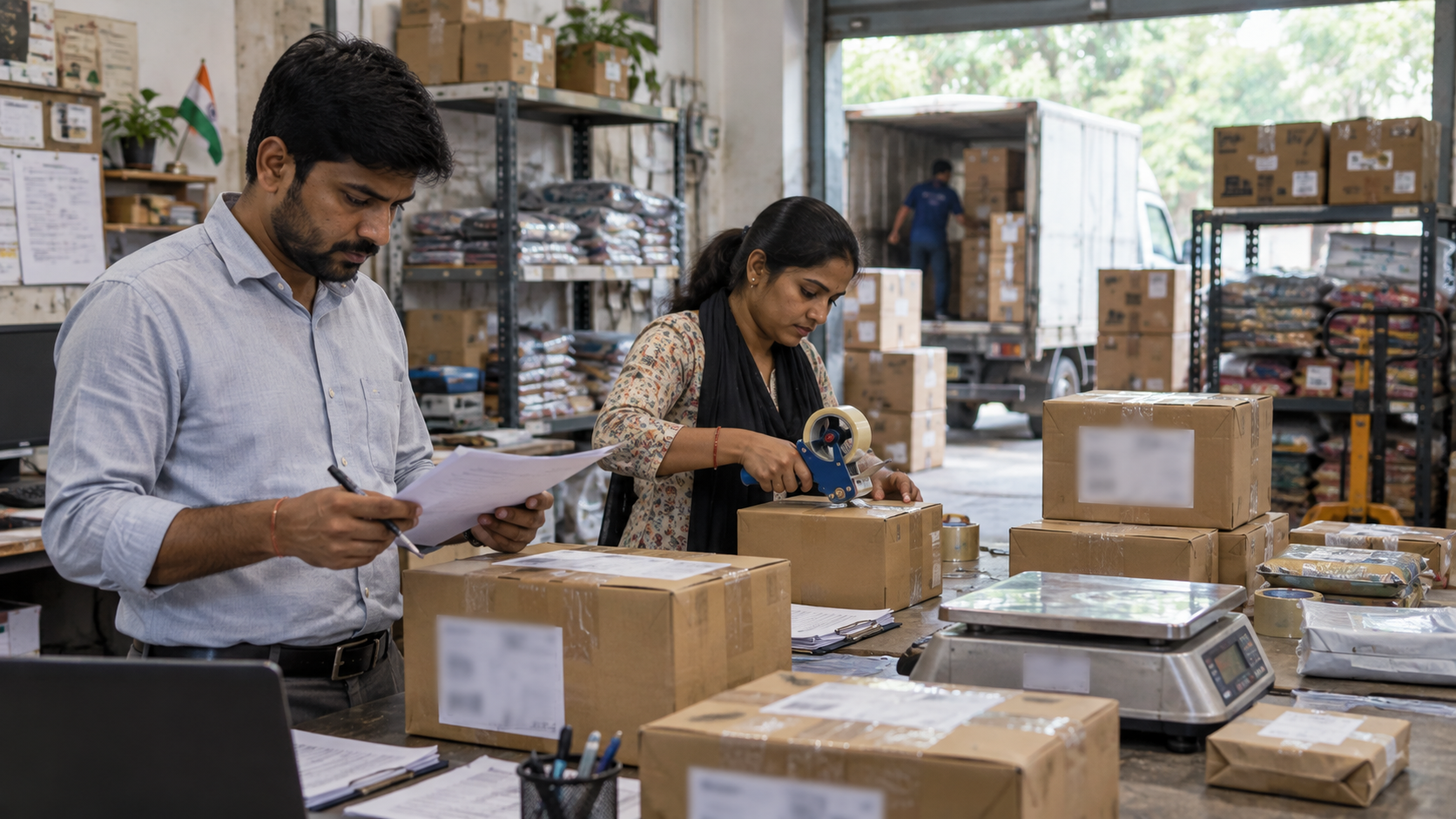
Sources said the decision aims to enhance raw material availability, ease import bottlenecks, and lower input costs for downstream MSMEs in the packaging, textile, and moulding sectors. The move is expected to greatly ease sourcing challenges, as industries have long argued that QCO-mandated certification limits supplier options and raises costs. 

Rationale behind QCO withdrawal

QCOs issued by the Bureau of Indian Standards (BIS) require manufacturers and importers of designated products to meet specific standards. Since QCOs apply to both domestic and foreign manufacturers, all suppliers must secure certification for their facilities and products before selling in India—a process that is often costly, time-consuming, and discouraging for overseas producers. Consequently, many global suppliers opt out of the Indian market, reducing competition and restricting choices for domestic industries.

The proliferation of QCOs has been particularly striking. From fewer than 70 orders in 2016, the count surged to nearly 790 by 2025, with most introduced in the last five years as part of an aggressive push for quality assurance. 

The latest products exempted from QCOs include: 

  • 100% polyester spun grey and white yarn, 
  • Polyester industrial yarn, 
  • Polyester staple fibres,
  • Polyvinyl chloride (PVC) homopolymers, 
  • Terephthalic acid, 
  • Acrylonitrile Butadiene Styrene (ABS),
  • Polyurethanes, and 
  • Polycarbonate. 

These materials are critical raw inputs for the man-made fibre (MMF), plastics, and manufacturing segments.

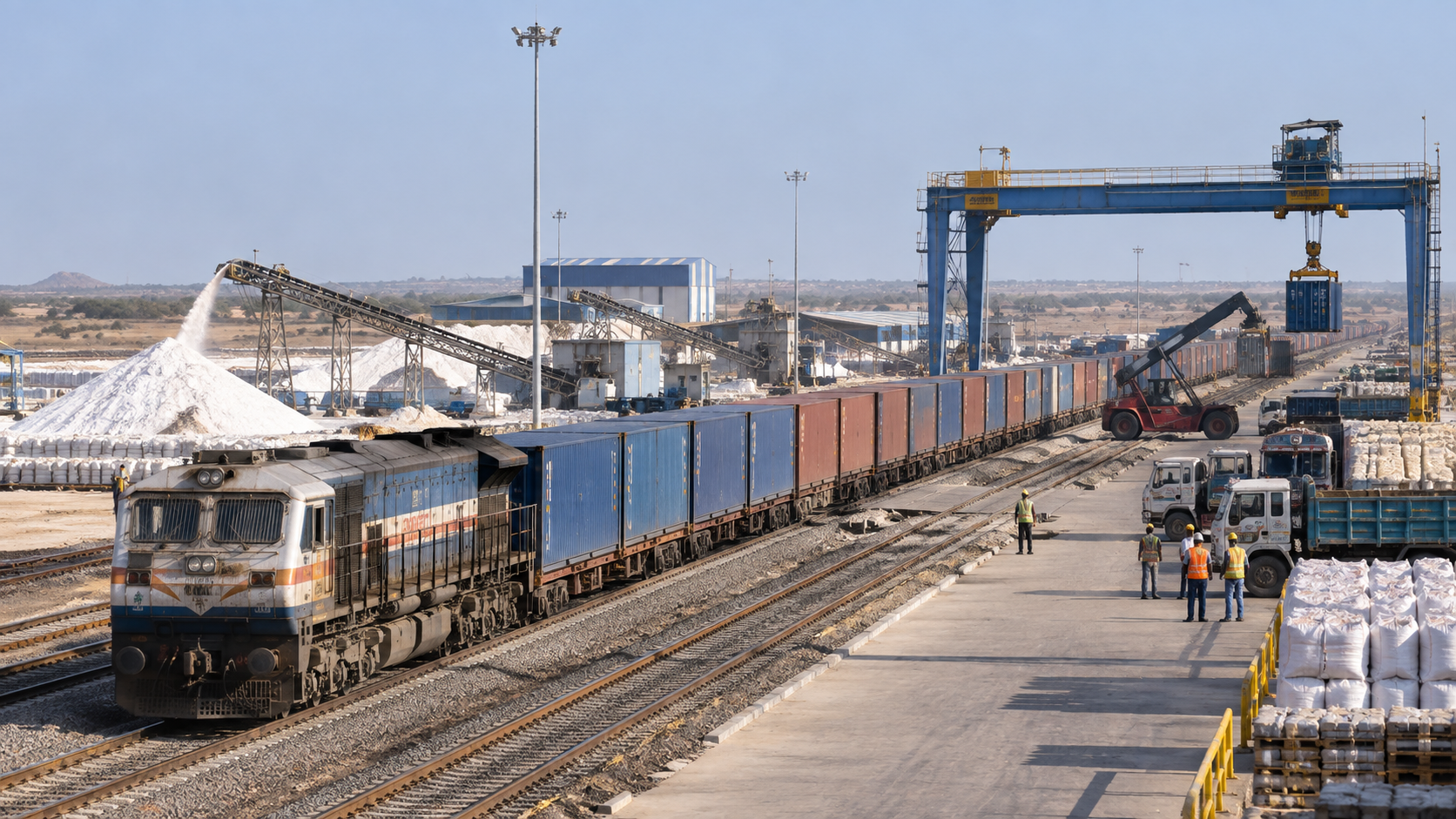
The government had earlier imposed QCOs on polyester yarn, filament, fibre, and key raw materials such as PTA and MEG, effectively restricting imports. Despite India’s shortage of PTA and MEG, these critical inputs for the man-made fibre sector were brought under mandatory certification. 

Despite their original purpose—improving product quality and protecting consumers—QCOs have faced mounting criticism. Industries reported heavy compliance burdens, import delays, supply shortages, and rising input prices. 

In response, the government formed a high-level committee led by NITI Aayog member Mr Rajiv Gauba to review the system. The panel concluded that India’s rapid and broad application of QCOs was excessive, particularly for raw materials that pose no direct safety or environmental risks. It recommended scrapping or deferring over 200 QCOs and restructuring the regulatory framework. The committee also highlighted that global practice relies more on voluntary, market-driven, or buyer-specific standards, and warned that India’s overregulation was undermining manufacturing efficiency and trade competitiveness.

Industry reaction and expected benefits

The withdrawal is widely viewed as a long-overdue relief for industries seeking greater sourcing flexibility without the time and cost burden of mandatory domestic certification. Industry leaders have hailed the move as practical and growth-focused, describing it as a step that enhances competitiveness, supports exports, and strengthens “Make in India” by aligning quality standards with ease of doing business. 

Industry experts noted that the QCOs had significantly increased the cost of polyester fibre and filament yarn—by nearly 30%—and restricted imports of several essential raw materials, particularly those not produced in India. This led to supply shortages and caused many manufacturers to lose orders. With the withdrawal of QCOs, the import of polyester and its raw materials is expected to become smoother, ensuring a steady and uninterrupted supply for spinners, weavers, and processors. They added that competitive imports are likely to stabilise domestic prices, helping reduce cost pressures on downstream manufacturers and exporters. The decision has also allowed small and medium enterprises to restart operations more smoothly, improving their cost competitiveness in both domestic and global markets while aiding in job retention.

The experts emphasised that removing QCOs on polyester fibre and yarn meets a long-standing industry demand. As these materials form the backbone of most MMF-based products, the withdrawal is expected to spur growth in the MMF sector and enhance India’s manufacturing competitiveness. They further highlighted that eliminating certification barriers will help manufacturers access raw materials at globally competitive prices, reducing production costs for textiles and apparel. Alongside the Export Package announced on November 12, this policy shift is seen as a major confidence booster for the textile and apparel sector and a positive step for India’s trade performance.


Read more:

India’s Quality Control Orders: Understanding Key Trends

Cabinet approves Export Promotion Mission to strengthen India’s export ecosystem


FAQs:

What are BIS Quality Control Orders (QCOs) and why were they withdrawn for these petrochemical products?

BIS QCOs mandate that manufacturers and importers adhere to specific Indian standards, requiring certification for their facilities and products. The government withdrew the QCOs for 14 petrochemical products to ease import restrictions, improve raw material availability, reduce compliance burdens, and lower input costs—especially for MSMEs in sectors such as textiles, packaging, and plastics.

Which petrochemical products are now exempt from QCO requirements?

The latest withdrawal covers 14 products, including:

100% polyester spun grey and white yarn, Polyester industrial yarn, Polyester staple fibres, Polyvinyl chloride (PVC) homopolymers, Terephthalic acid (PTA), Acrylonitrile Butadiene Styrene (ABS), Polyurethanes, Polycarbonate. These materials are crucial inputs for man-made fibre (MMF), plastics, and various manufacturing industries.

How will the withdrawal of QCOs benefit Indian industries?

The decision is expected to:

  • Improve sourcing flexibility by widening access to global suppliers
  • Reduce costs associated with mandatory certification
  • Lower raw material prices by enabling competitive imports
  • Ease supply bottlenecks, especially for inputs not produced domestically
  • Help MSMEs restart or expand operations
  • Enhance export competitiveness and support the broader “Make in India” vision

What challenges did industries face under the QCO regime?

Industries reported that QCOs:

  • Increased raw material costs (e.g., polyester fibre and yarn costs rose nearly 30%)
  • Led to supply shortages due to limited certified suppliers
  • Caused import delays and heavy documentation requirements
  • Reduced competition by discouraging foreign manufacturers from the Indian market
    These challenges made production costlier and less competitive, especially for downstream MSMEs.

What role did the government’s review committee play in this decision?

A high-level committee led by NITI Aayog member Rajiv Gauba reviewed India’s QCO framework. It found that the expansion of QCOs—especially for non-safety-critical raw materials—was excessive and harmful to manufacturing competitiveness. The committee recommended scrapping or deferring over 200 QCOs and restructuring the regulatory approach, leading to the withdrawal of the 14 petrochemical QCOs announced on November 12, 2025.

Previous Post
Next Post

Most Recent Posts

  • All Post
  • 8th Pay Commission
  • Aadhar
  • Aditya Birla Capital
  • Advertising Standards
  • Affordable Housing
  • Agriculture
  • Agriculture & Food
  • AI in Healthcare
  • AI Technology
  • Airlines
  • alcohol industry
  • Android
  • APEDA
  • Apple
  • Artificial Intelligence
  • Ashwini Vaishnaw
  • Asset Management
  • Atmanirbhar Bharat
  • Audio Devices
  • Audio Products
  • Auto Industry
  • Automobile
  • Automobiles
  • Automotive
  • Automotive Industry
  • Aviation
  • Bain Healthcare Report 2026
  • Bank
  • Banking
  • Banking Technology
  • Battery Industry
  • Beverage Industry
  • Beverages
  • Bihar
  • biotechnology
  • Bitcoin
  • BMW Group India
  • Brand Insight
  • BRICS
  • Bullion Market
  • Business
  • Business & Economy
  • Business & Trade
  • Business Leadership Post COVID-19
  • Business News
  • Business Terminology
  • Business Utilities
  • Buyback
  • Capital Goods
  • Capital Markets
  • CarsBusiness
  • CBIC
  • CCI
  • Child Investment
  • China
  • China technology news
  • Citizen Services
  • Clean Energy
  • Clean Technology
  • Cloud Computing
  • coal
  • Commerce
  • Commerce and Industry
  • Commercial Real Estate
  • Commercial Vehicles
  • Commodities
  • Communications
  • Companies
  • Competition Law
  • Compliance
  • Computer Accessories
  • connected cars
  • Consumer Affairs
  • Consumer Electronics
  • Consumer Finance
  • Consumer Goods
  • Consumer Health
  • Consumer Markets
  • Consumer News
  • Consumer Protection,
  • Consumer Rights
  • Consumer Spending
  • Consumer Trends
  • Content Creation
  • Copper
  • Corporate
  • corporate affairs
  • Corporate Earnings
  • Corporate Governance
  • Corporate News
  • Corporate Social Responsibility
  • Cost of Living
  • Country
  • CRED
  • Credit Cards
  • CREDIT RATING
  • Crude Oil
  • Cryptocurrency
  • CSR
  • Culture
  • Currency
  • Customs Duty
  • Cyber Security
  • Cybersecurity
  • Dairy Industry
  • Data & Analytics
  • Defence
  • Delhi Government
  • Delhi-NCR
  • Demographics
  • Derivatives
  • DGCA
  • DGFT
  • DigiLocker
  • Digital Assets
  • Digital Economy
  • Digital Health India
  • Digital Identity
  • Digital India
  • Digital Infrastructure
  • Digital passport for robots
  • Digital Payments
  • Digital Platforms
  • digital services
  • Diplomacy
  • Dixon Technologies
  • DPIIT
  • E Commerce
  • E-commerce
  • E-Governance
  • Ease of Doing Business
  • Economic Growth
  • Economy
  • Edible Oil Industry
  • Editor Choice
  • EdTech
  • Education
  • Electric Mobility
  • Electric Vehicles
  • Electronics
  • Employment
  • ENERGY
  • Engineering
  • Entertainment
  • Environment
  • EPFO
  • Ethanol Economy
  • EV Industry
  • EV Technology
  • Exports
  • EXTER
  • Farmers
  • Fashion
  • FINANCE
  • Finance Ministry,
  • Financial Marketing
  • Financial Markets
  • Financial News
  • Financial Planning
  • Financial Results
  • Financial Services
  • Fintech
  • FnTech
  • Food & Beverage
  • Food & Beverages
  • Food Exports
  • Food Industry
  • Food Manufacturing
  • Food Processing
  • Food Regulations
  • food safety
  • Foreign Exchange
  • Foreign Investment
  • Foreign Policy
  • Foreign Trade
  • Forex Reserves
  • fssai
  • FTA
  • Fuel
  • Fuel Prices
  • Future Energy
  • Gadgets
  • Gadgets & Apps
  • Gaming
  • GDP
  • Generative AI Healthcare
  • Geopolitics
  • GI Products
  • Global Brand Alliance
  • Global Economy
  • Global Markets
  • Global Politics
  • Global Tech
  • Global Trade Policy
  • Global Trends\
  • Gold
  • Gold Market
  • Gold Prices
  • Gols & Silver
  • Government
  • Government & Policy
  • Government Affairs
  • Government Bonds
  • Government Data
  • Government Initiatives
  • Government Policy
  • Government Policy & Regulation
  • Government Scheme
  • Government Schemes
  • Government Services
  • Green Energy
  • Green Mobility
  • GroupGlobal
  • GST
  • GST Council
  • GST Counsil
  • Hair Care
  • Hardware
  • Hatchback Segment
  • Health Supplements,
  • Horticulture
  • Housing
  • HSBC
  • Human Resources
  • humanoid robot market
  • Hyundai
  • IBT Infographics
  • iinvestment
  • Imports & Exports
  • Income Tax
  • India
  • India Auto Market
  • India Business News
  • India Inc
  • India News
  • India Retail
  • India-Canada Relations
  • India-China
  • India-Japan Relations
  • India-Russia Relations
  • India-South Korea Relations
  • India-US Relations
  • Indian Economy
  • Indian Navy
  • Industrial Pollution
  • Inflation
  • Infra
  • Infrastructure
  • Innovation
  • Instagram
  • Insurance
  • international
  • International Affairs
  • International Cooperation
  • International Relations
  • International Trade
  • Internet & Connectivity
  • Internet Policy
  • Internet Regulation
  • Interview
  • Investing
  • Investment News
  • Investments
  • iPhone News
  • IPO
  • IT Industry
  • Jewellery
  • Jio Platforms
  • JioBlackRock
  • Jobs & Careers
  • Joint Ventures
  • Kim Kardashian
  • Labour
  • Latest
  • Launches
  • Leadership
  • Leaderspeak
  • Lending
  • Lifestyle
  • Lifestyle Tech
  • List
  • Loans & Credit
  • Local News
  • Logistics
  • LPG
  • Luxury Cars
  • Machinery
  • Macroeconomics
  • Macroeconomy
  • maharashtra
  • Maharashtra News
  • Make in India
  • Makhana
  • Manufacturing
  • Market Outlook
  • Markets
  • Maruti Suzuki
  • Mergers & Acquisitions
  • Meta
  • Microsoft
  • Middle East
  • Mobile Apps
  • Mobile Industry
  • Mobile Launch
  • Mobility
  • Monetary Policy
  • Monsoon
  • MoSPI
  • MSME
  • Mutual Funds
  • Nano Tech
  • National
  • National news
  • NEET 2026
  • NewsElectric
  • NewsTata
  • NPCI
  • NPS Vatsalya
  • Office Market
  • Oil & Gas
  • Oil and Gas
  • Others
  • OTT
  • Packaged Drinking Water
  • Packaged Foods
  • Packaging Industry
  • Packaging Innovation
  • Passenger Vehicles
  • Paytm
  • Pension & Retirement
  • Pensions
  • Personal Care
  • Personal Finance
  • Perspectives
  • Petroleum
  • PFRDA
  • Pharmaceuticals
  • PM Modi
  • PMAY-G
  • PMAY-U
  • PMAY,
  • PMI
  • policy
  • Population
  • PORTS
  • Positive News
  • PPF
  • Precious Metals
  • Pricing
  • Product Labeling
  • Product Labelling
  • Product Launch
  • Property Market
  • PSU
  • PSU Banks
  • Public Health
  • Public Policy
  • Public Safety
  • Public Sector
  • Public Services
  • Public Welfare
  • Quarterly Results
  • Railways
  • Rajasthan
  • Raksha Bandhan
  • Raksha Bandhan Gifts
  • Rare Earths
  • RBI
  • Real Estate & Realty Sector
  • Recycling
  • Regulation
  • Regulatory Action
  • Regulatory Affairs
  • Regulatory Updates
  • REIT
  • Reliance Industries
  • Renewable Energy
  • RERA
  • Research
  • Retail
  • Retirement Planning
  • Road Infrastructure
  • Robotics & Automation
  • robotics standards
  • Rupee
  • Rural Development
  • Rural Housing
  • SAIL
  • Salaries
  • Samsung
  • Savings
  • Science & Technology
  • Sebi
  • Security
  • Semiconductor
  • Services Sector,
  • SHIPPING
  • Silver Prices
  • Skill Development
  • Skills Development
  • Small Business
  • Smart Devices
  • Smart Home
  • Smart Mobility
  • Smartphones
  • Social Impact
  • Social Media
  • Society
  • Software Development
  • Solar Energy
  • Space Technology
  • Startups
  • Statistics
  • Steel Industry
  • Stock Market
  • stocks
  • streaming
  • Sugar Industry
  • Sukanya Samriddhi Yojana
  • Sustainability
  • SUV
  • Tamil Nadu Pollution Board
  • Tariffs
  • Tariffs & Duties
  • Tata Group
  • Tata Motors
  • Tata Sons
  • Tax Planning
  • Taxation
  • Tech
  • Tech Branding
  • Technology
  • Telecom & Technology
  • Telecom Industry
  • Top Story
  • Tourism
  • Trade
  • Trade Agreement
  • Trade Basket
  • Trade Partner
  • Trade Policy,
  • Transportation
  • Travel
  • Trending
  • Two-Wheelers
  • UIDAI
  • UPI
  • Urban Development
  • US-Iran Conflict Economic Impact
  • US–India Relations
  • Uttar Pradesh
  • VehiclesLuxury
  • vivo
  • Wastewater Management
  • Water Quality,
  • Wealth Management
  • Wearables
  • Wellness
  • WhatsApp
  • Wheat
  • Workplace
  • World
  • World News
  • Worldview
  • Yamaha
  • zLead Slider
    •   Back
    • Healthcare
    • Auto
    • Fmcg
    • Hospitality
    •   Back
    • Cash Crop
    • Organic
    • New Era Agri
    • Processed Food
    •   Back
    • Construction
    • Power
    • Mining
    • Telecom
    •   Back
    • ENERGY
    •   Back
    • Export/Import
    • Trade Deal
    • Trade Fair
    •   Back
    • Policies
    • Industry
    • Finance
    •   Back
    • Others technology
    • Mobile phone
    • Gadgets
    •   Back
    • Manufacturing
    • Services
    • Startup

India Business & Trade is a national media platform decoding the ideas, decisions and shifts shaping India’s growth story—across plicy, business, global commerce and a rapidly evolving marketplace.

Reach Us

India Business & Trade
M-62, Saket, New Delhi-110064, India

Subscribe To Newsletter

Stay ahead in the dynamic world of trade and commerce with India Business & Trade’s weekly newsletter.

Copyright © 2026 India Business & Trade. All Rights Reserved


Fatal error: Uncaught TypeError: Unsupported operand types: string * int in /var/www/sites/indiabusinesstrade.in/wp-content/plugins/royal-elementor-addons/admin/includes/wpr-templates-modal-popups.php:192 Stack trace: #0 /var/www/sites/indiabusinesstrade.in/wp-content/plugins/royal-elementor-addons/admin/includes/wpr-templates-modal-popups.php(128): WprAddons\Admin\Includes\WPR_Templates_Modal_Popups::get_template_settings() #1 /var/www/sites/indiabusinesstrade.in/wp-content/plugins/royal-elementor-addons/admin/includes/wpr-templates-modal-popups.php(106): WprAddons\Admin\Includes\WPR_Templates_Modal_Popups::render_popup_content() #2 /var/www/sites/indiabusinesstrade.in/wp-content/plugins/royal-elementor-addons/admin/includes/wpr-templates-modal-popups.php(64): WprAddons\Admin\Includes\WPR_Templates_Modal_Popups::display_popups_by_location() #3 /var/www/sites/indiabusinesstrade.in/wp-includes/class-wp-hook.php(341): WprAddons\Admin\Includes\WPR_Templates_Modal_Popups->render_popups() #4 /var/www/sites/indiabusinesstrade.in/wp-includes/class-wp-hook.php(365): WP_Hook->apply_filters() #5 /var/www/sites/indiabusinesstrade.in/wp-includes/plugin.php(522): WP_Hook->do_action() #6 /var/www/sites/indiabusinesstrade.in/wp-includes/general-template.php(3224): do_action() #7 /var/www/sites/indiabusinesstrade.in/wp-content/plugins/royal-elementor-addons/admin/templates/wpr-canvas.php(64): wp_footer() #8 /var/www/sites/indiabusinesstrade.in/wp-includes/template-loader.php(132): include('...') #9 /var/www/sites/indiabusinesstrade.in/wp-blog-header.php(19): require_once('...') #10 /var/www/sites/indiabusinesstrade.in/index.php(17): require('...') #11 {main} thrown in /var/www/sites/indiabusinesstrade.in/wp-content/plugins/royal-elementor-addons/admin/includes/wpr-templates-modal-popups.php on line 192