Highlights
- Quad nations announced new Indo-Pacific maritime and energy initiatives
- New maritime surveillance cooperation initiative launched
- Quad to strengthen critical mineral and supply chain partnerships
- Focus on maintaining a “free and open Indo-Pacific”
- Growing concern expressed over East and South China Sea developments
- Quad opposed unilateral attempts to change regional status quo
- Maritime monitoring cooperation to initially focus on the Indian Ocean
- New Indo-Pacific energy security initiative unveiled
- Quad to work with Fiji on major port infrastructure project
- Leaders stressed uninterrupted trade through the Strait of Hormuz
- Strong emphasis on maritime security and freedom of navigation
- Counter-terrorism cooperation and regional resilience also discussed
New Delhi: The Quad nations on Tuesday unveiled a fresh set of initiatives aimed at strengthening maritime monitoring, critical mineral partnerships, and energy security across the Indo-Pacific, in what is widely viewed as a stronger strategic response to China’s expanding military footprint in the region.
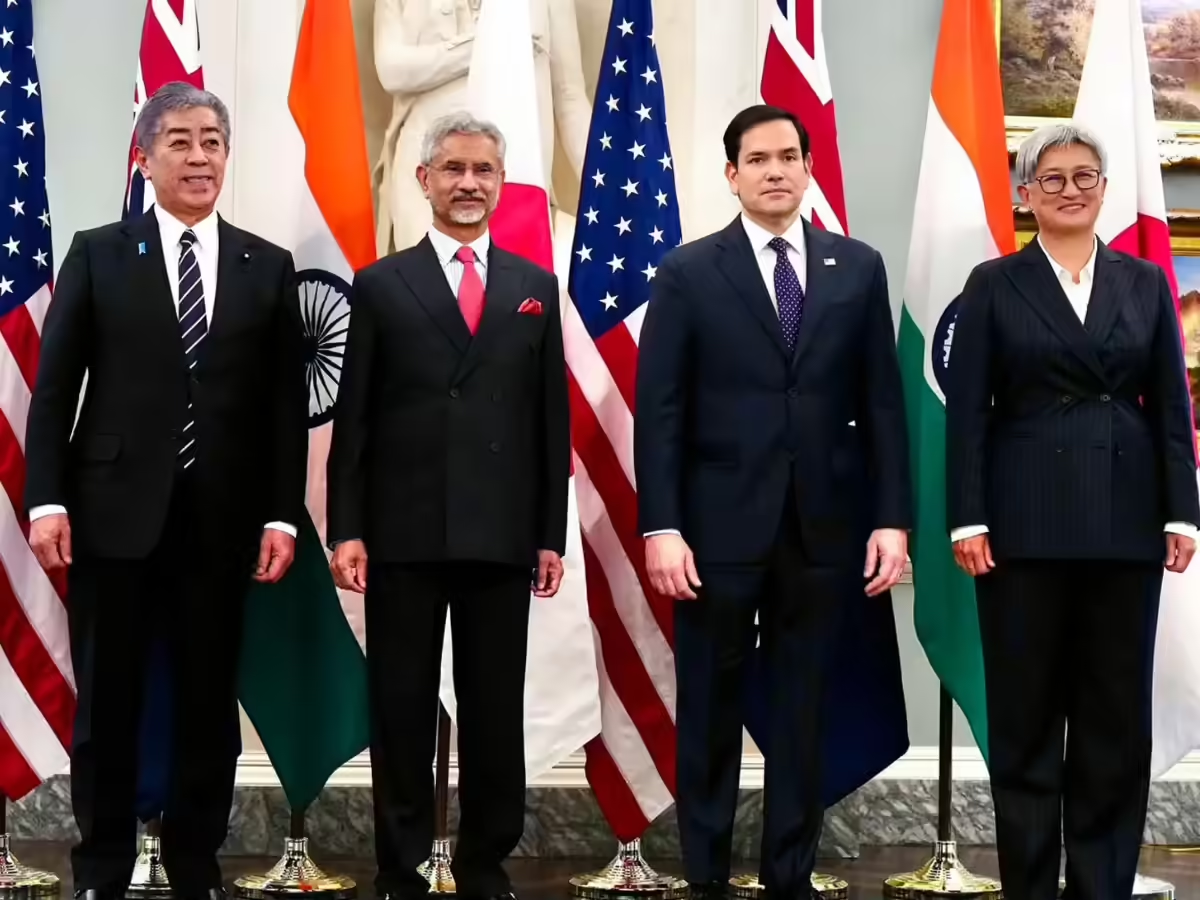
The announcements came after the Quad foreign ministers’ meeting in New Delhi, chaired by External Affairs Minister S Jaishankar and attended by US Secretary of State Marco Rubio, Australian Foreign Minister Penny Wong, and Japanese Foreign Minister Toshimitsu Motegi.
In a joint statement issued after the talks, the ministers reaffirmed their commitment to maintaining a “free and open Indo-Pacific” and stressed the need to help regional countries build resilience and independently shape their futures. They also agreed to deepen cooperation through practical initiatives designed to deliver concrete regional benefits.
The Quad leaders underlined the importance of uninterrupted global trade through the Strait of Hormuz, criticised Iran’s proposal to impose transit fees on commercial shipping, and expressed growing concern over developments in the East and South China Seas.
The statement strongly opposed any unilateral or coercive attempts to alter the regional status quo, clearly signaling concern over China’s increasing assertiveness. The ministers highlighted repeated interference in offshore resource activities, obstruction of navigation and overflight freedoms, and risky manoeuvres involving military aircraft, coast guard vessels, and maritime militias.
They also voiced concern over the continued militarisation of disputed territories in the Indo-Pacific.
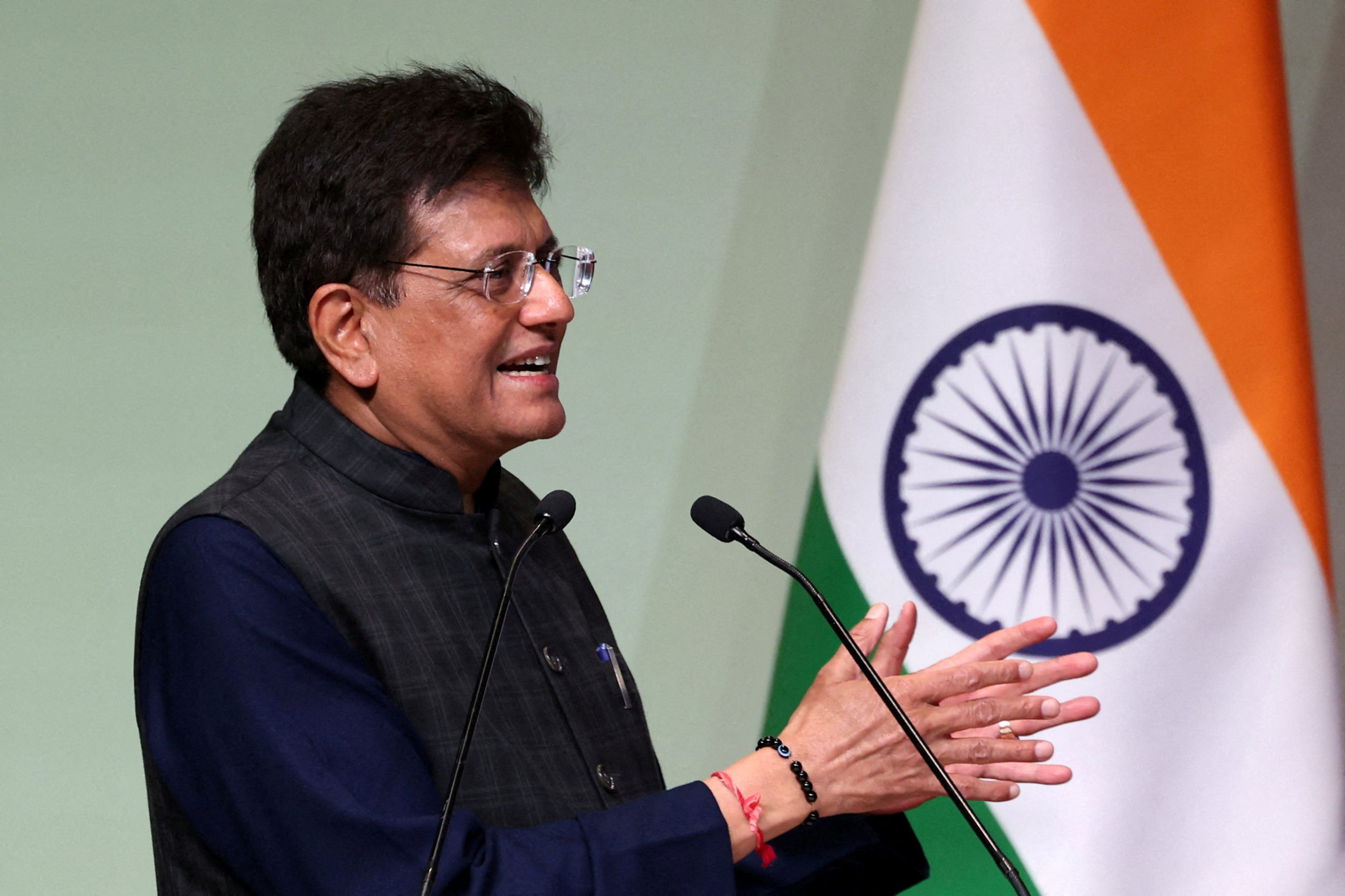
Speaking after the meeting, Jaishankar announced the launch of a new critical minerals framework along with an Indo-Pacific energy security initiative, both aimed at addressing emerging regional vulnerabilities.
He said much of the discussion focused on the rapidly evolving geopolitical environment, particularly developments affecting the Indo-Pacific.
“As four maritime democracies spread across the Indo-Pacific, exchanging perspectives among us was extremely valuable,” Jaishankar noted, adding that the ministers discussed the importance of safe and unhindered maritime commerce and the need to strictly uphold international law.
He said the Quad also reviewed progress on strengthening economic resilience and securing supply chains, with discussions covering energy access, fertiliser supplies, and critical minerals.
According to Jaishankar, the Indo-Pacific’s importance to global trade, energy flows, and economic activity will continue to grow, making the Quad’s role increasingly significant in the coming years.
Counter-terrorism cooperation also featured prominently in the discussions. Jaishankar reiterated that there must be “zero tolerance” for terrorism and emphasised the right of nations to defend themselves against terror attacks.
US Secretary of State Marco Rubio announced the launch of a new Indo-Pacific Maritime Surveillance Cooperation Initiative, which will combine the maritime monitoring capabilities of all four Quad countries.
He also confirmed the expansion of the Indo-Pacific Maritime Domain Awareness Initiative and revealed plans for a new effort to strengthen port infrastructure in Pacific Island nations.
Rubio stressed that maritime security remains critical because nearly 60 percent of global maritime trade passes through the Indo-Pacific region.
He added that the Quad would work with Fiji on a major port infrastructure project, marking the first time the four nations collaborate jointly on such an initiative in the Pacific.
Australian Foreign Minister Penny Wong said the Quad supports diplomatic efforts to ensure freedom of navigation in the Strait of Hormuz and opposes any move to levy transit charges on commercial vessels.
Wong also highlighted growing cooperation among Quad members to combat scam centres operating across Southeast Asia.
She added that the grouping’s maritime surveillance coordination efforts would initially focus on the Indian Ocean region.