Highlights:
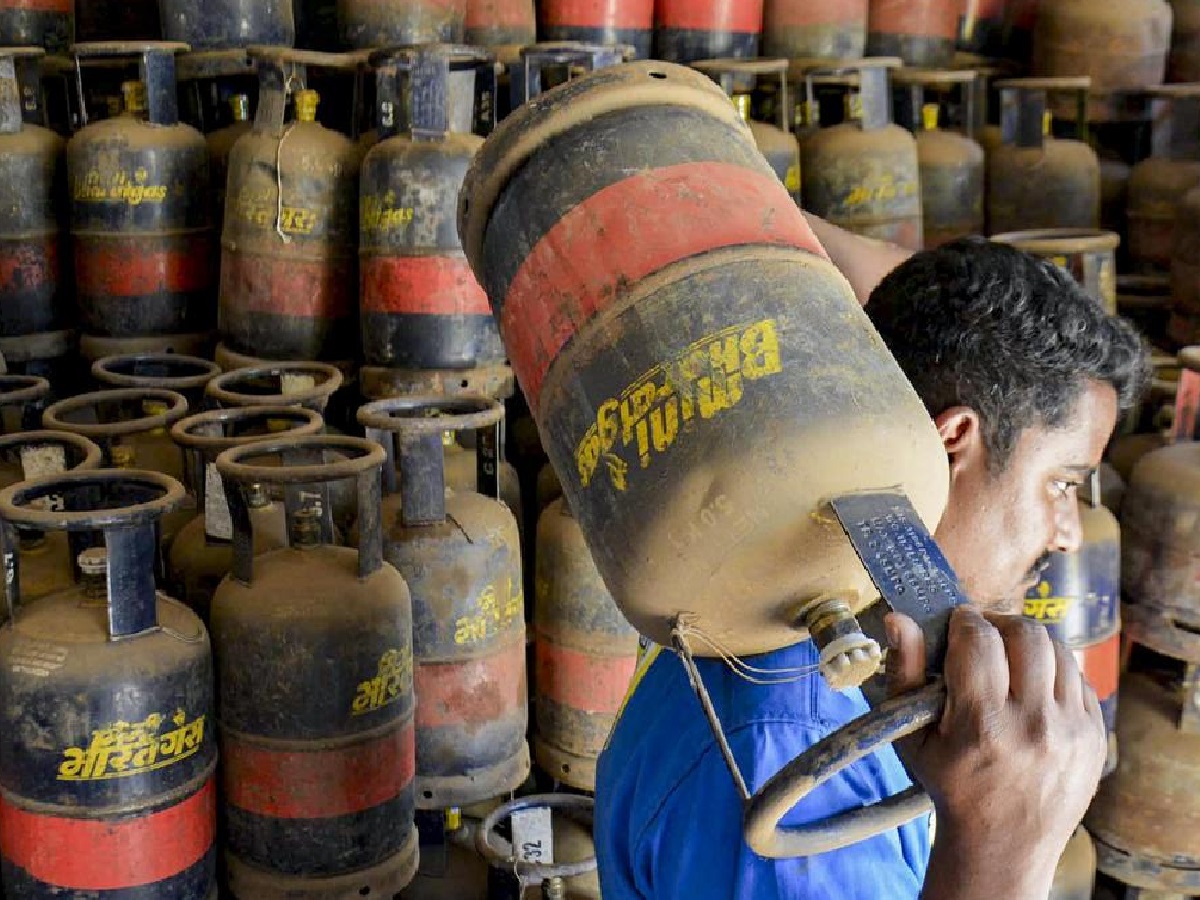
- Commercial LPG cylinder prices increased by ₹42–₹54 across major cities from June 1, driven by global energy market uncertainties.
- In Delhi, the price of a 19-kg commercial LPG cylinder rose to ₹3,113.50, while Chennai recorded the highest rate among major metros at ₹3,283.
- Domestic LPG cylinder prices remain unchanged, providing temporary relief to households despite rising international fuel costs.
- Higher commercial LPG rates may lead to increased food and hospitality costs, as restaurants, hotels, and small businesses face growing operational expenses.
- The government has directed oil marketing companies to maintain LPG reserves for at least 30 days and assured consumers that the country has adequate fuel stocks with no supply shortages.
New Delhi, June 2, 2026: Commercial LPG cylinder prices have increased once again across major Indian cities, adding to the financial burden on restaurants, hotels, and small businesses that depend heavily on cooking gas. The latest revision, effective from June 1, comes amid rising global energy concerns linked to the ongoing conflict between the United States and Iran.
According to the latest price update, the cost of a 19-kg commercial LPG cylinder has increased by ₹42 to ₹54 in different cities. In Delhi, the price has risen to ₹3,113.50 from ₹3,071.50. Similar increases have been reported in Mumbai, Bengaluru, Chennai, Kolkata, and other major cities.
However, there is some relief for households. The price of the 14.2-kg domestic LPG cylinder, used by millions of families for cooking, remains unchanged. Consumers in Delhi continue to pay ₹913 per cylinder, while rates in Mumbai, Kolkata, and Chennai also remain stable.
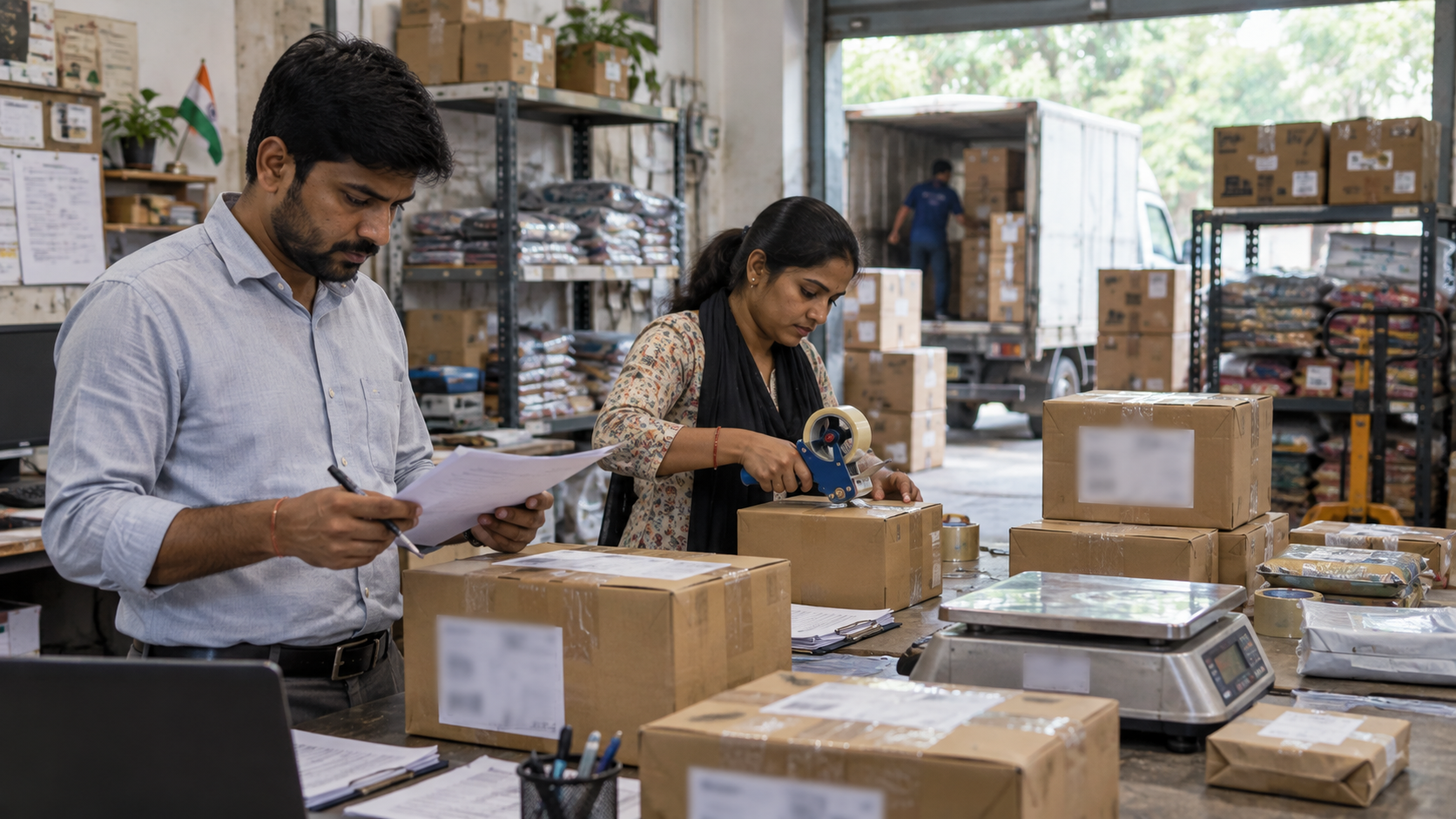
The repeated increase in commercial LPG prices is becoming a major concern for businesses. Since March 2026, commercial cylinder rates have been revised upward five times. Many restaurant owners and food vendors say rising fuel costs are reducing their profits. Some small eateries have reportedly increased menu prices, while others are struggling to stay operational.
What Does This Mean for Consumers?
Although household LPG prices have not changed, consumers may still feel the impact indirectly.
Restaurants, cafes, bakeries, and hotels use commercial LPG cylinders for cooking. As their operating costs rise, many businesses may pass these expenses on to customers through higher food prices. This means eating out, ordering food online, or staying in hotels could become more expensive in the coming weeks.
For now, families using domestic LPG cylinders are protected from an immediate increase in cooking gas expenses. This helps households manage monthly budgets despite rising inflation and uncertainty in global energy markets.
Meanwhile, the government has assured citizens that there is no shortage of LPG in the country. Officials have asked state-owned oil companies to increase storage capacity and maintain reserves sufficient for at least 30 days of demand. Authorities say India currently has adequate stocks of LPG, petrol, diesel, and crude oil, and refineries are operating normally.
Experts believe LPG prices will continue to depend on international oil markets and geopolitical developments. Consumers and businesses alike will be closely watching future revisions for signs of stability in energy costs.