Highlights
- Brent crude hovers near $95 per barrel as uncertainty over US-Iran talks keeps global oil markets on edge.
- India, which imports over 85% of its crude oil needs, is vulnerable to prolonged price spikes, raising concerns over fuel costs and inflation.
- Higher crude prices could eventually translate into costlier petrol and diesel, increasing transportation expenses across the economy.
- Consumers may feel the impact beyond fuel pumps, as rising logistics costs can push up prices of food, groceries and daily essentials.
- Air travel could become more expensive if aviation fuel costs rise alongside crude oil prices.
- Industries dependent on petroleum-based products, including plastics, paints, chemicals and fertilisers, may face higher input costs.
- Persistent oil price increases could add to inflationary pressures, squeezing household budgets and reducing discretionary spending.
- The Strait of Hormuz remains a key risk factor, with any disruption to oil shipments capable of triggering fresh price spikes.
- A breakthrough in US-Iran negotiations could ease supply concerns and cool oil prices, offering relief to consumers.
Global crude oil prices are once again in focus, with Brent crude trading close to $95 per barrel amid uncertainty surrounding US-Iran negotiations and tensions in the Middle East. While these developments may seem distant from everyday life, they can have a direct impact on household budgets and inflation.
Why are oil prices rising?
The latest surge in crude oil prices is being driven by concerns over global supply. Markets are closely watching talks between the United States and Iran, as well as developments around the Strait of Hormuz, a key shipping route through which nearly 20% of the world’s oil trade passes. Any disruption to supplies can quickly push prices higher.
How does this affect Indian consumers?
India imports more than 85% of its crude oil requirement, making it highly sensitive to changes in global oil prices. When crude becomes expensive, the country’s import bill rises, putting pressure on fuel retailers, businesses and policymakers.
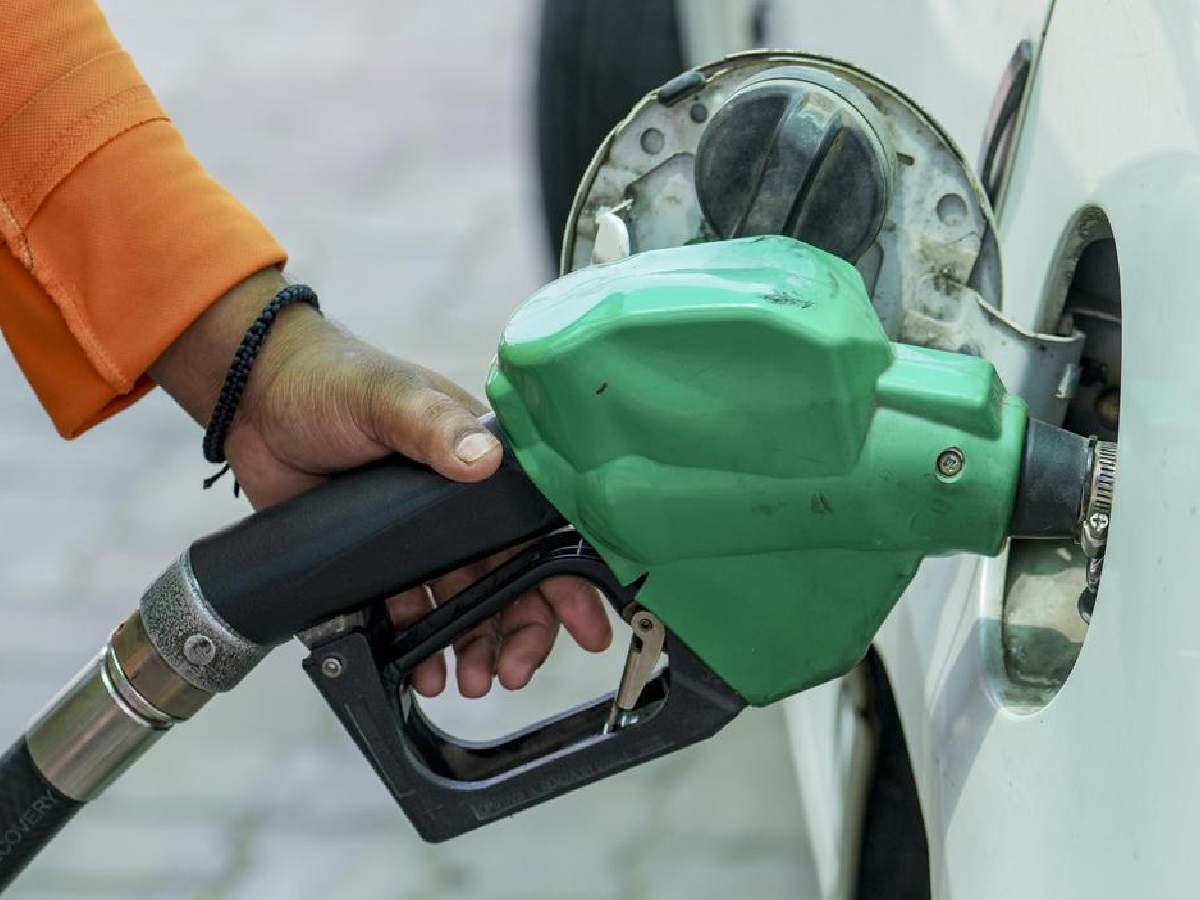
The most immediate impact is often seen in transportation costs. If elevated crude prices persist, petrol and diesel prices could come under pressure. Even if retail fuel prices do not rise immediately, oil marketing companies may face higher costs.
Could prices of everyday goods increase?
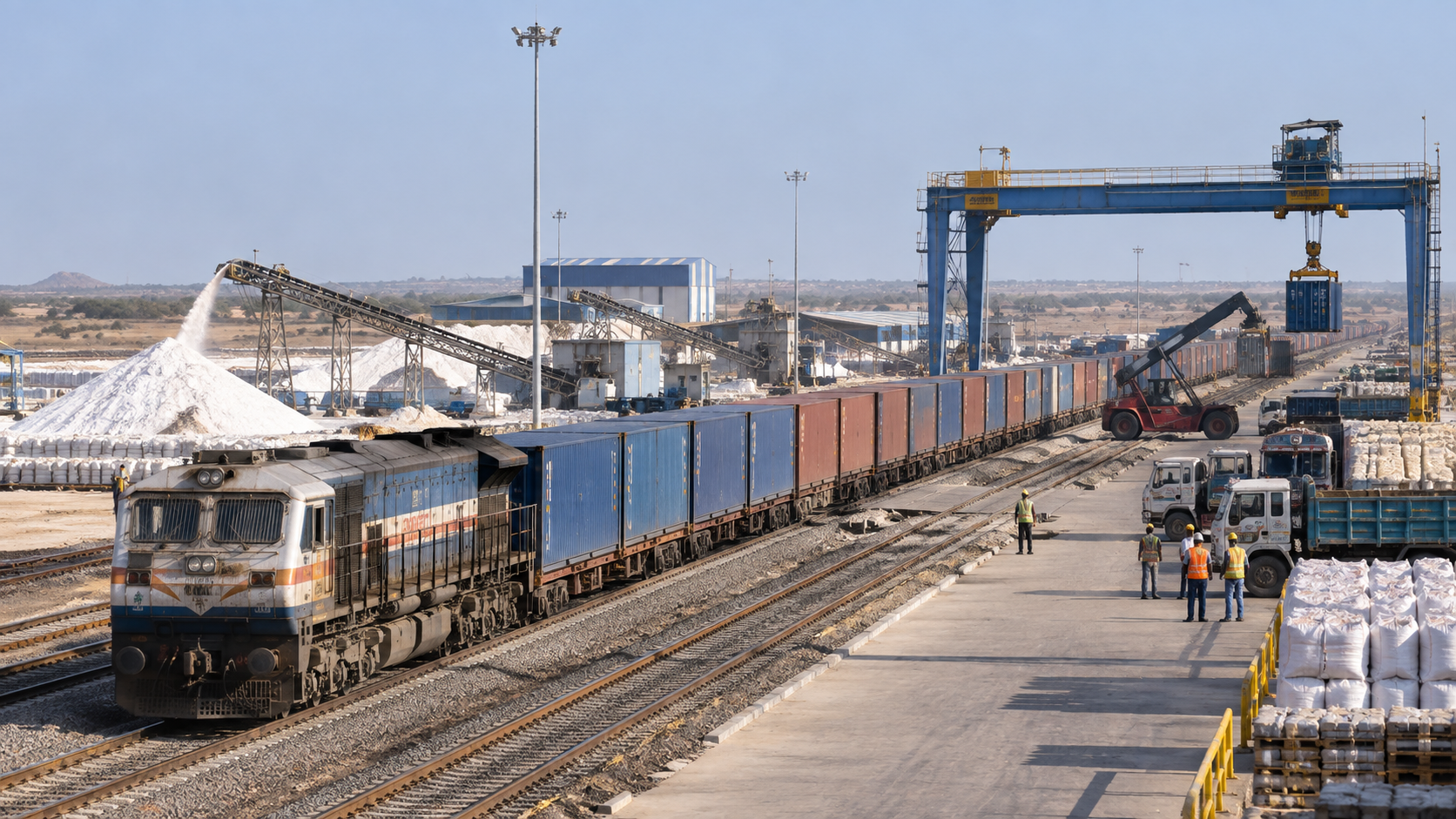
Yes. Fuel is a major input cost across the economy. Higher diesel prices increase transportation expenses for moving vegetables, fruits, grains and packaged goods from factories and farms to markets. As logistics costs rise, companies may pass some of the burden on to consumers through higher prices.
Airfares could also become more expensive because aviation turbine fuel is derived from crude oil. Similarly, sectors such as chemicals, plastics, paints and fertilisers may face cost pressures, which can eventually filter through to consumer prices.
What about inflation?
A sustained rise in crude oil prices can make it harder to control inflation. Higher energy costs often push up prices across multiple categories, reducing consumers’ purchasing power. This can leave households spending more on essentials and less on discretionary items such as electronics, travel and dining out.
Is there any relief in sight?
Much will depend on geopolitical developments. If the US and Iran reach an agreement and concerns over oil supply ease, crude prices could retreat from current levels. However, if negotiations stall or regional tensions escalate, oil could remain elevated or move higher.
For consumers, the key takeaway is simple: if crude oil stays near $95 a barrel for an extended period, fuel, transport and everyday living costs could gradually become more expensive, adding pressure to household budgets.