India recorded 83,100 AI-related hires against 31,921 AI-linked layoffs and attrition in cases studied by Nomura.
But new AI jobs often require different skills, raising concerns for fresh graduates and workers in routine support roles.
Highlights
- India recorded 83,100 AI-related hires compared with 31,921 AI-linked job losses and attrition.
- That works out to roughly 2.6 AI-related hires for every job affected.
- Nomura examined 69 employment-related cases across Asia, largely covering 2022 to August 2026.
- Routine customer support and BPO jobs face greater automation pressure from AI and chatbots.
- Demand is increasing for workers combining AI capabilities with industry and business knowledge.
- Across Asia, the study identified 130,758 AI-related hires against 60,654 job losses.
New Delhi: Artificial intelligence may be disrupting jobs across India, but the emerging employment picture is not simply about machines replacing workers. Companies are currently reporting substantially more AI-related hiring than AI-linked job losses, according to research cited in an India Today report.
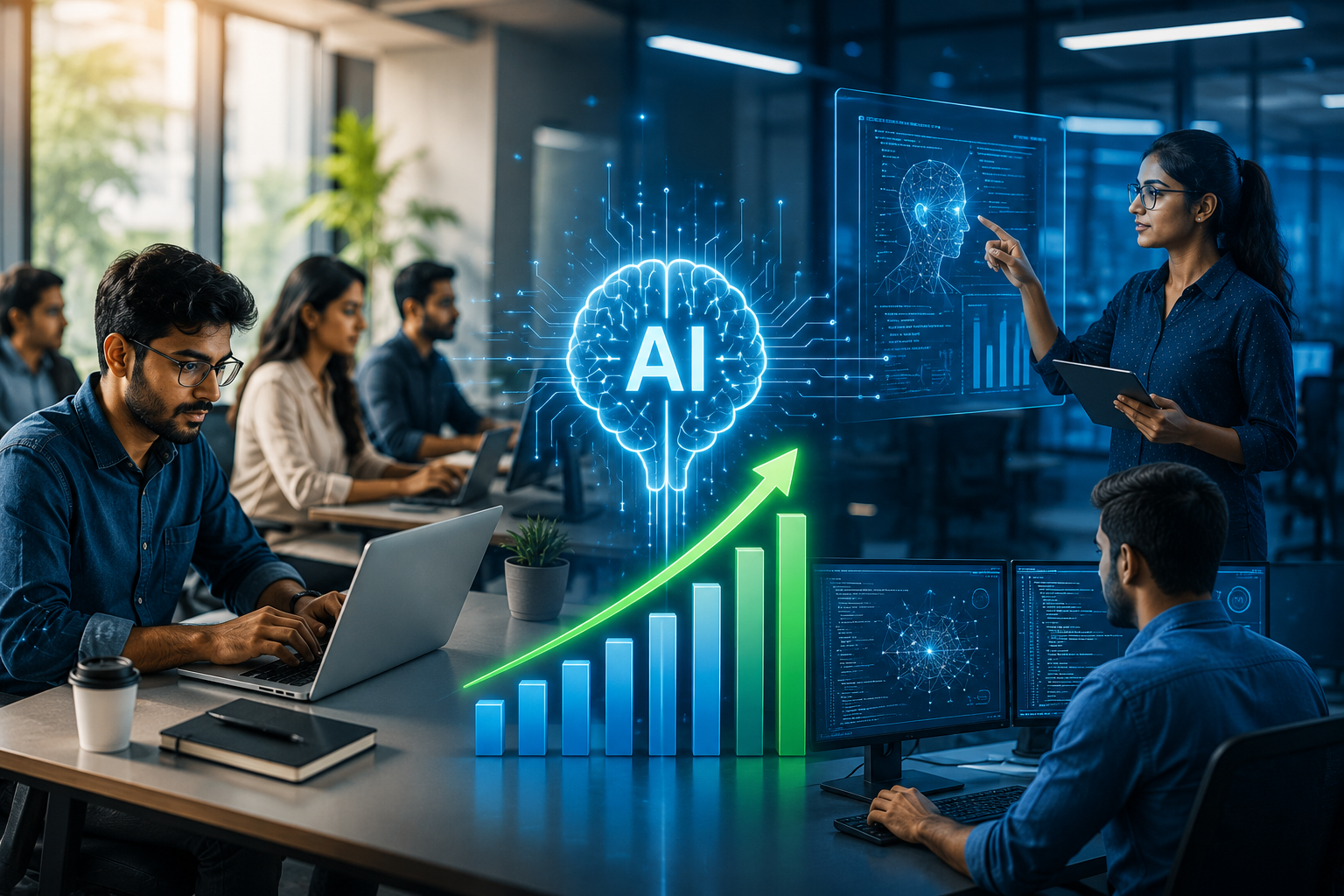
A Nomura analysis found 83,100 AI-related hires in India compared with 31,921 layoffs and attrition linked to the technology. This translates into approximately 2.6 hires for every job lost or affected.
However, there is an important catch: the people losing jobs are not necessarily qualified for the new positions being created.
Nomura economists Sonal Varma and Si Ying Toh examined 69 employment-related cases across Asia, mostly covering the period between 2022 and August 2026. India recorded the largest absolute employment impact from AI among the countries studied.
India is particularly exposed to this transformation because of its massive technology-services and business-process outsourcing industries.
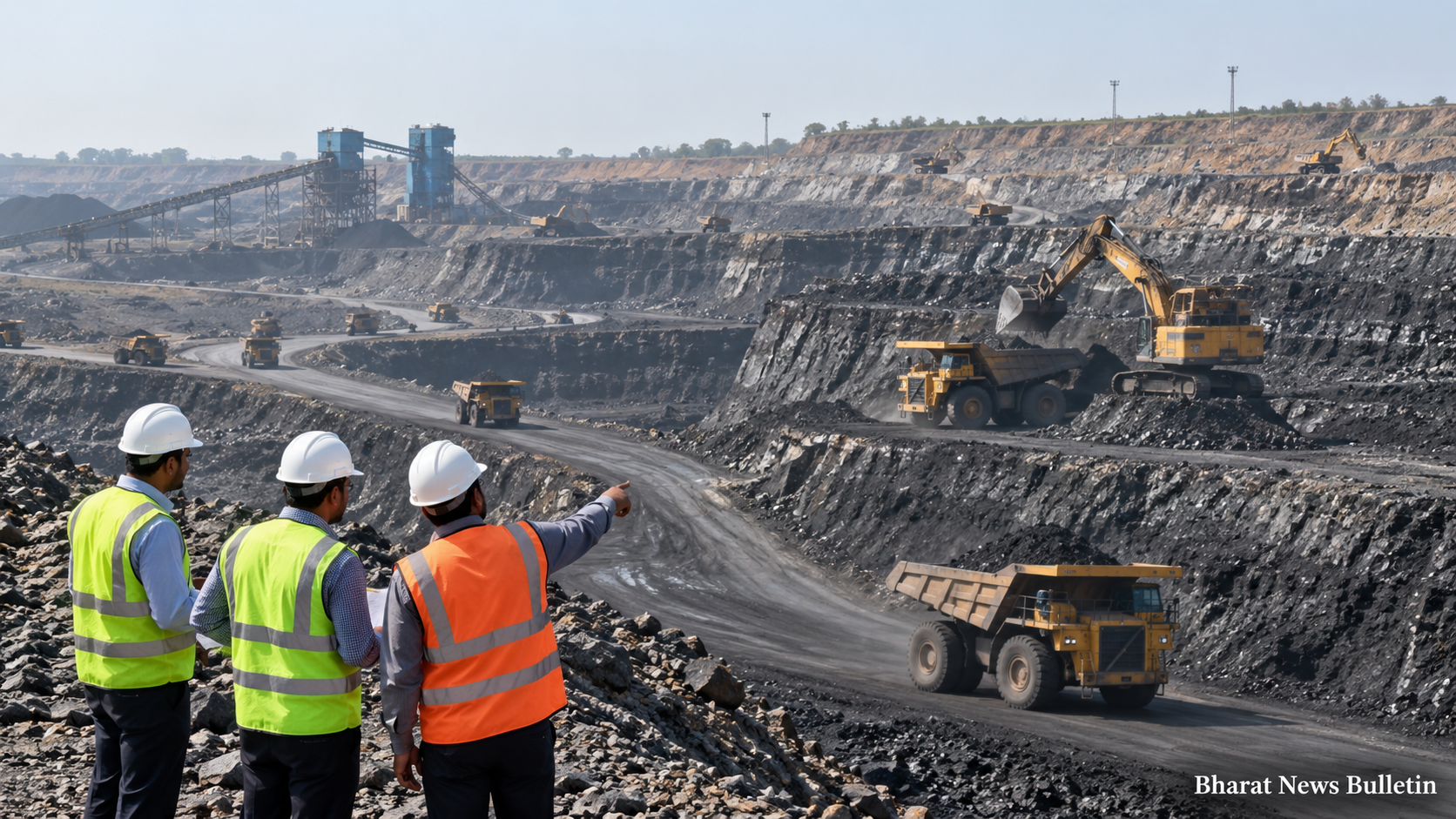
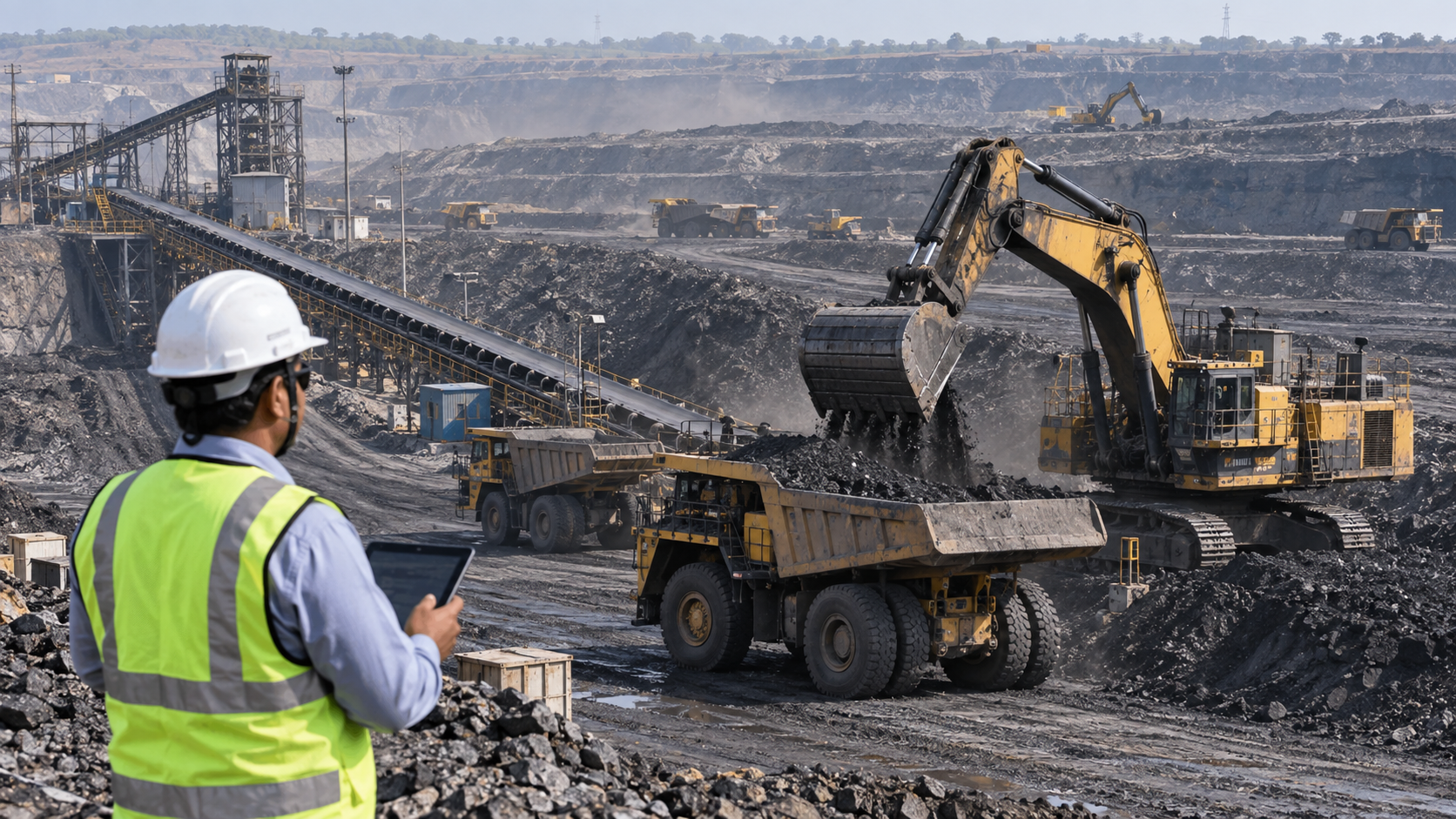
For decades, companies have hired large numbers of Indian workers for customer support, software testing, data processing and other services. Generative AI and automation can now perform parts of this routine work.
Customer-support operations, for example, can employ fewer people after deploying sophisticated chatbots. At the same time, technology companies may hire engineers, developers and graduates to build, manage and deploy AI systems.
This creates a skills mismatch.
A customer-support employee whose role is automated cannot automatically shift into AI engineering. The new position could require programming expertise, specialised qualifications or industry experience that the displaced worker does not possess.
Fresh graduates could face a similar challenge. Entry-level jobs traditionally allow young employees to gain experience before progressing into specialised positions. If AI eliminates some basic tasks, companies may increasingly prefer candidates who arrive with AI-related skills.
The result could be a two-tier employment market, with strong demand for experienced and AI-skilled professionals alongside weaker opportunities in some routine entry-level roles.
Across Asia, Nomura identified 130,758 AI-related hires compared with 60,654 job losses. More than 90% of the hiring identified was in technology, while around 60% of the job losses were in financial services.
The figures are based on reported employment cases rather than a comprehensive survey of India’s entire workforce, so they indicate a trend rather than a complete jobs count.
The bigger challenge for India, therefore, may not be a simple shortage of jobs. It will be ensuring that workers and graduates acquire the skills required for the new jobs AI is creating.