
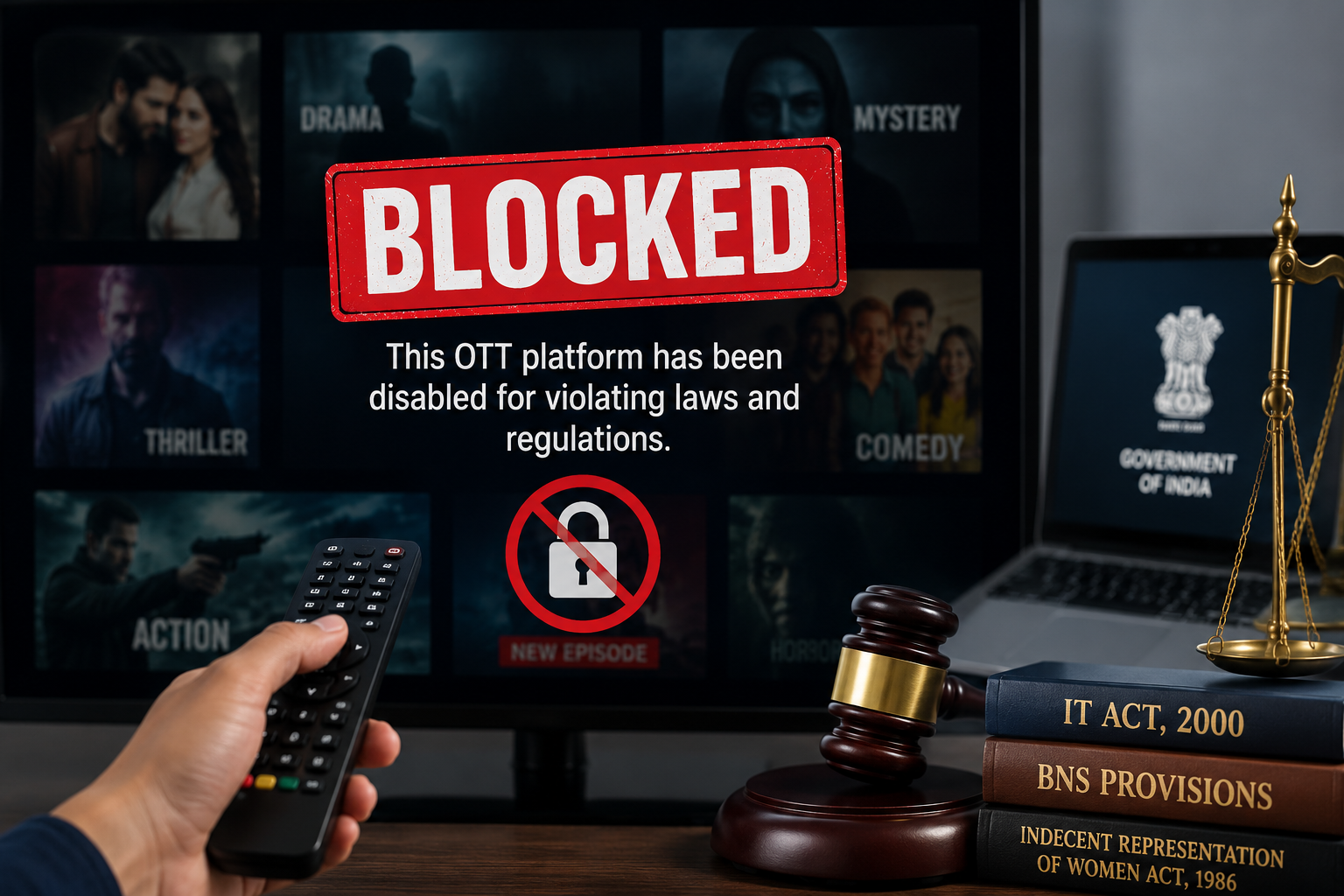
The Centre informed Parliament that 50 OTT platforms have been disabled in the past two years for allegedly displaying obscene content and violating provisions of multiple laws. Highlights Story The Central government has disabled public access to 50 OTT platforms in India over the past two years for allegedly hosting obscene content and violating provisions of the Information Technology Act, the Bharatiya Nyaya Sanhita (BNS) and the Indecent Representation of Women (Prohibition) Act, 1986. The information was shared by Minister of State for Information and Broadcasting Dr. L. Murugan in a written reply to a question in the Lok Sabha. According to the government, the action was taken under Sections 67 and 67A of the IT Act, Section 294 of the Bharatiya Nyaya Sanhita (BNS), and Section 4 of the Indecent Representation of Women (Prohibition) Act, 1986. The Centre said that the Information Technology (Intermediary Guidelines and Digital Media Ethics Code) Rules, 2021, notified on February 25, 2021, provide an institutional mechanism for regulating digital news publishers and OTT platforms. Part III of these rules lays down a Code of Ethics that publishers of online curated content are required to follow. The government also pointed out that Section 79(3)(b) of the IT Act, 2000 empowers authorities to notify intermediaries to remove or disable access to unlawful content. According to the ministry, complaints received against OTT platforms and other intermediaries are examined under the provisions of the IT Rules, 2021. Based on these complaints, appropriate action is taken, including disabling access to platforms found to be violating the law. The government said it will continue monitoring digital platforms and take action whenever content is found to be in violation of the legal framework.
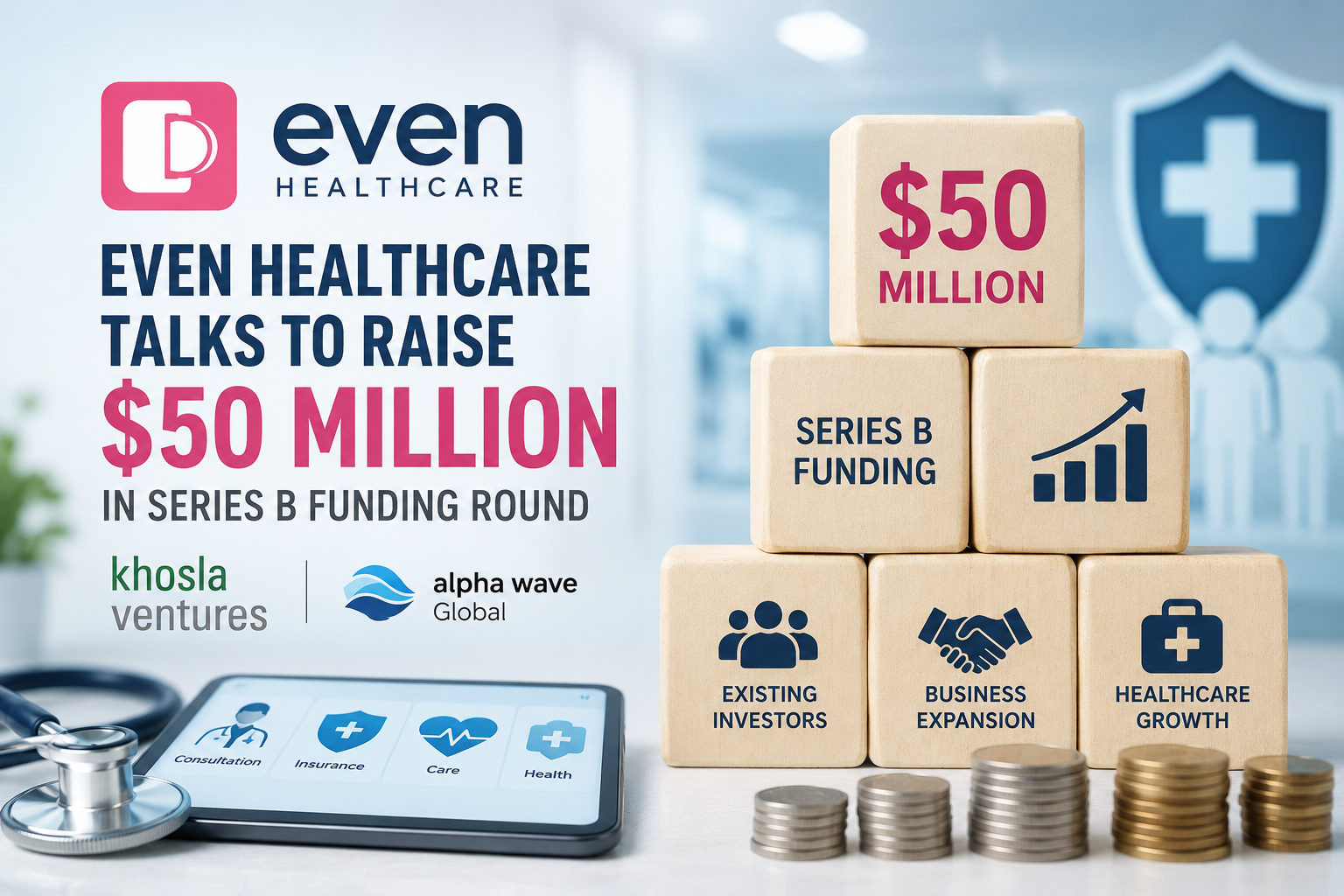
Even Healthcare Eyes Funding
Healthtech startup Even Healthcare is in talks to raise around $50 million in a Series B funding round as it expands its integrated healthcare and insurance business. Highlights Healthtech startup Even Healthcare is in advanced discussions to raise around $50 million in a Series B funding round as it looks to strengthen its presence in India’s fast-growing healthcare sector. According to people familiar with the matter, the funding round is expected to value the Bengaluru-based company at nearly $350 million, almost double its valuation after its previous fundraising. Existing investor Khosla Ventures is expected to participate in the round, while Alpha Wave Global is also likely to invest. Founded to provide integrated healthcare services along with health insurance, Even Healthcare focuses on offering members access to primary care, specialist consultations and cashless treatment through its network of hospitals and clinics. The company has been expanding rapidly amid rising demand for technology-driven healthcare solutions in India. The fresh capital is expected to be used to scale operations, strengthen technology infrastructure, expand into new cities and enhance its healthcare offerings. India’s digital health ecosystem has continued to attract investor interest, driven by increasing health awareness, higher insurance adoption and growing demand for accessible, preventive healthcare services. The proposed fundraising highlights investor confidence in startups building integrated healthcare platforms. If completed, the funding round would further strengthen Even Healthcare’s position in the competitive healthtech market and provide resources for its next phase of growth.
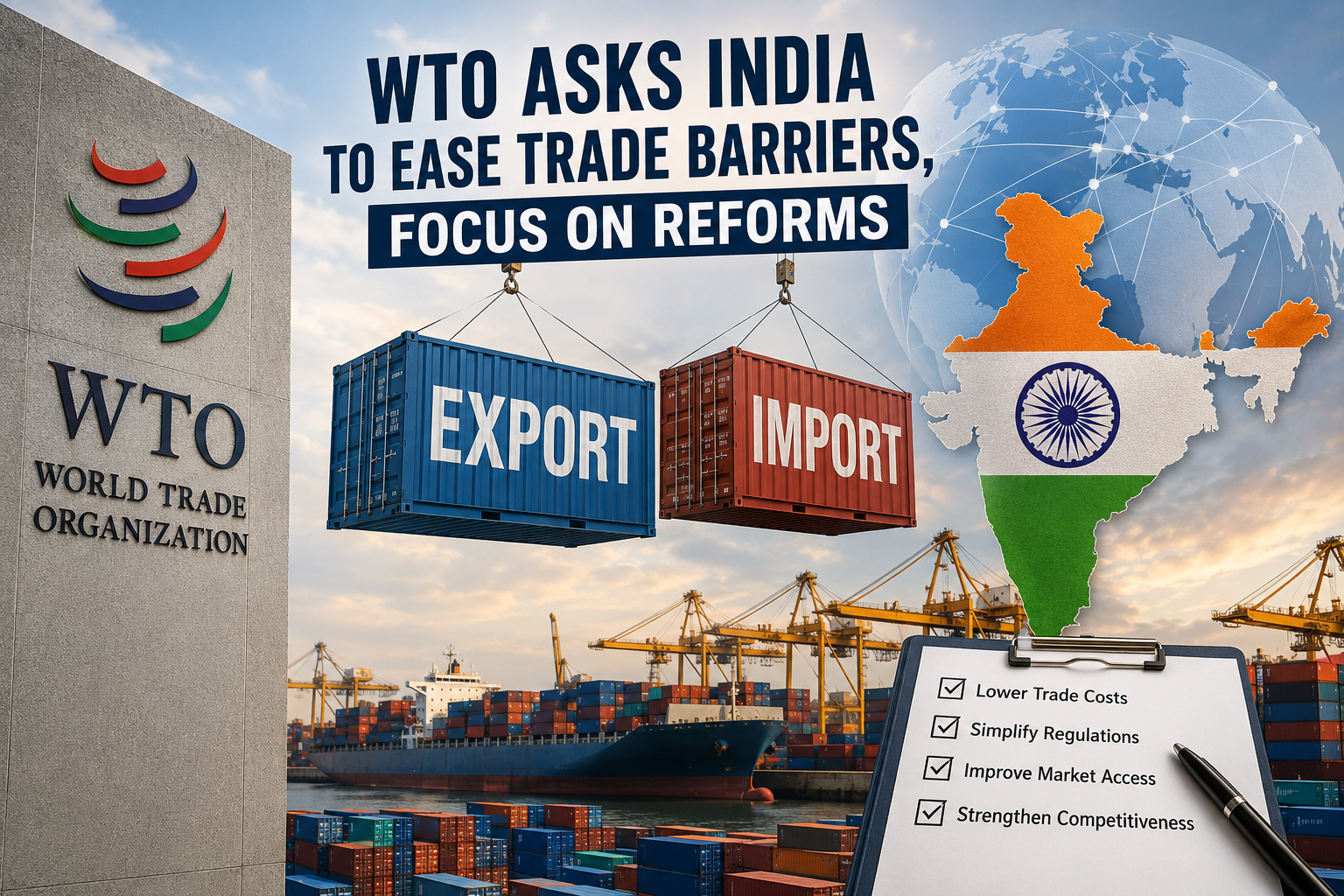
WTO Urges Trade Reforms
The WTO has asked India to reduce trade barriers, simplify regulations and improve the business environment, while India has highlighted concerns over rising non-tariff barriers imposed by trading partners. Highlights The World Trade Organization (WTO) has urged India to continue reducing trade barriers and deepen structural reforms to improve competitiveness, attract investment and expand its role in global trade. In its Eighth Trade Policy Review, the WTO Secretariat said India should focus on lowering trade costs, simplifying regulations and improving infrastructure to make doing business easier. The report also recommends easing import and export procedures, addressing logistics challenges and strengthening the investment climate. The WTO noted that India’s share in global merchandise exports increased from around 1% in 2004 to 1.8% in 2024, reflecting the country’s growing importance in international trade. It also highlighted India’s strong economic growth in recent years and its efforts to improve financial inclusion and promote digital trade. Responding to the review, India said its exporters continue to face significant challenges because of non-tariff barriers imposed by several trading partners. According to the government, complex standards, conformity assessment procedures, supply chain disruptions, climate-related measures and regulatory requirements have restricted market access for Indian products. India argued that these non-tariff measures often have a greater impact on trade than tariffs and increase costs for exporters. The government stressed that improving global market access requires all countries to ensure transparent, predictable and fair trade rules. India reaffirmed its commitment to the multilateral trading system and said it will continue pursuing trade reforms while protecting national interests. The WTO’s review is expected to guide discussions on India’s trade policies and reform agenda in the coming years.

Sugar Stock Curbs Likely
The Centre is likely to retain stock limits on sugar to prevent hoarding as production is expected to decline in the next season. Highlights The Central government is likely to extend stock limits on sugar beyond their current deadline as it looks to prevent hoarding and keep retail prices under control ahead of the next sugar season. According to officials and industry sources, sugar production is expected to decline in the 2026-27 season, increasing the risk of supply tightness and price volatility. To ensure adequate availability in the domestic market, the government is inclined to continue restrictions on the quantity of sugar that traders and wholesalers can hold. The existing stock limits were introduced to discourage hoarding after concerns over lower production and rising prices. Officials believe the measures have been effective, with retail sugar prices remaining relatively stable despite supply-side pressures. The government is also closely monitoring sugar output, consumption and inventory levels. If necessary, it may consider limited sugar imports to cool prices and maintain adequate supplies, although no final decision has been taken. Industry experts say India’s sugar market remains well supplied for now, but the upcoming season will depend on factors such as monsoon performance, cane availability and recovery rates. Maintaining stock limits, they say, could help ensure smooth market supplies until the production outlook becomes clearer. The Centre is expected to take a final decision before the current stock limit order expires, balancing consumer interests with the needs of sugar mills and farmers.
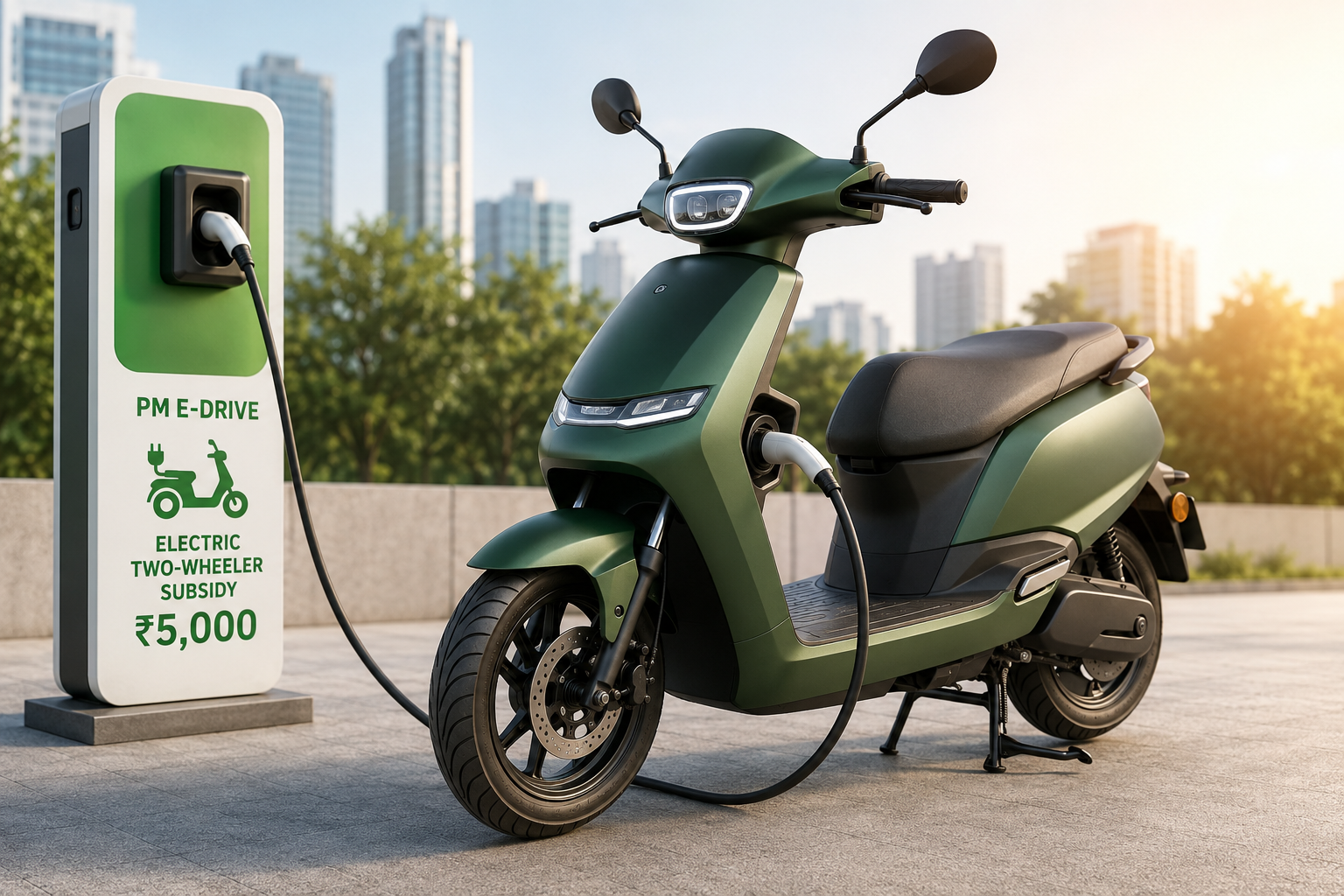
PM E-Drive Subsidy Extension Likely
The Centre is considering extending the PM E-Drive scheme for electric two-wheelers as demand remains strong and allocated funds are nearing exhaustion. Highlights The Central government is likely to extend the PM E-Drive scheme for electric two-wheelers as the current allocation under the programme is close to being exhausted. According to officials, the Ministry of Heavy Industries is assessing the demand for electric vehicles and exploring options to continue the incentive scheme. At present, buyers of eligible electric two-wheelers receive a subsidy of ₹5,000 per vehicle under PM E-Drive. Sources indicate that the government is inclined to retain this subsidy if the scheme is extended. The ₹10,900-crore PM E-Drive scheme was launched to accelerate electric vehicle adoption and support India’s transition to cleaner mobility. However, strong consumer demand has resulted in a large portion of the allocated funds already being committed. Industry data shows that around 2.97 lakh electric two-wheelers have been sold under the scheme, reflecting growing acceptance of EVs across the country. Officials believe an extension could help sustain this momentum while encouraging manufacturers to expand production and consumers to switch to electric mobility. The government is expected to take a final call after reviewing the financial requirements and the pace of fund utilisation. If approved, additional budgetary support may be provided to ensure the scheme continues without disruption.
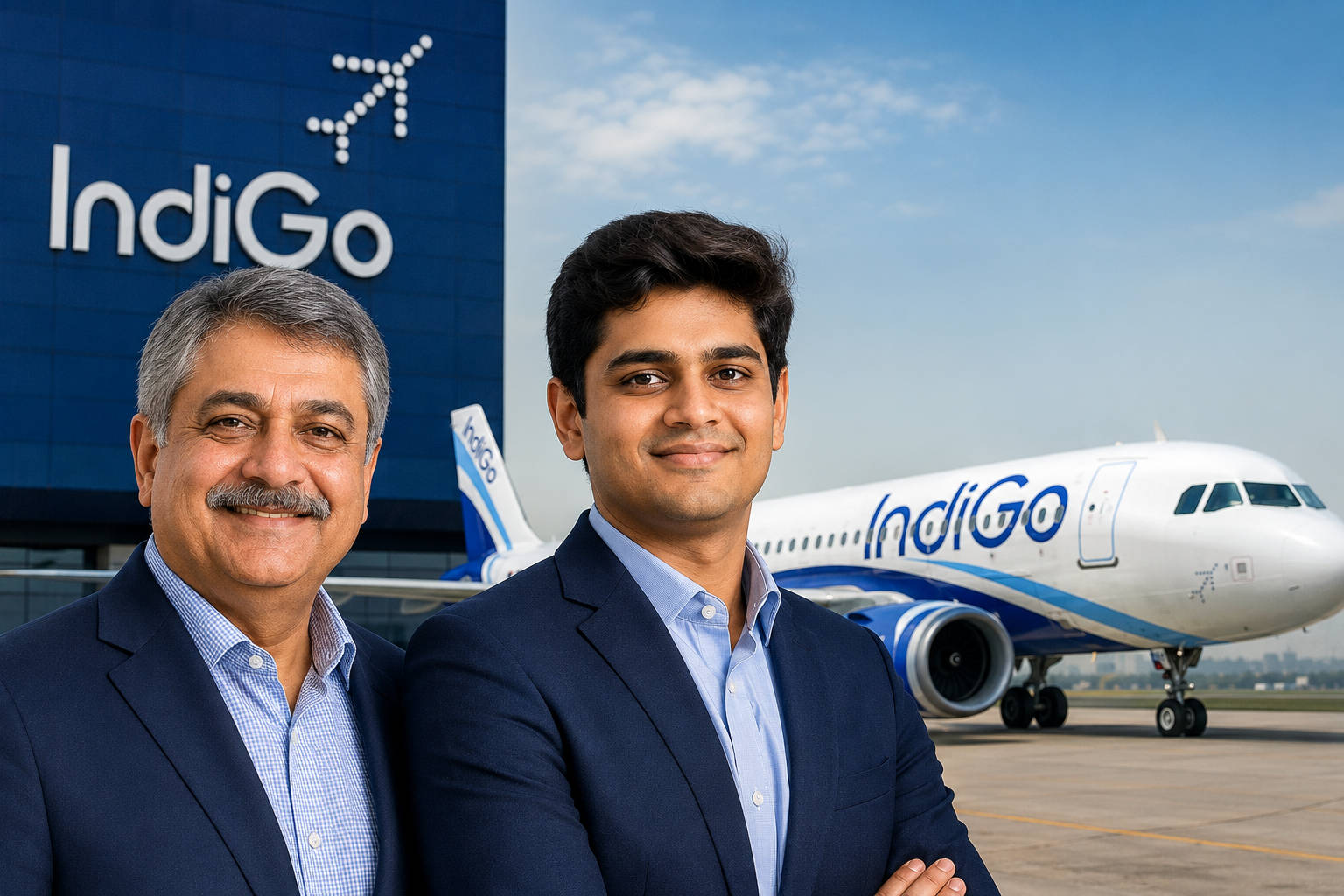
IndiGo Readies Leadership Transition
Founder Rahul Bhatia is preparing the next generation of leadership as son Madhav Bhatia takes on a larger role.The succession planning comes as IndiGo enters a new phase of expansion in aviation and allied businesses. Highlights India’s largest airline, IndiGo, is moving ahead with a structured leadership transition as founder Rahul Bhatia begins preparing his son, Madhav Bhatia, for a larger role within the InterGlobe Group. According to an Economic Times report, Madhav has been actively attending executive committee meetings and interacting with senior leaders across the organisation as part of a long-term succession plan. The transition comes at a time when IndiGo is rapidly expanding its business. Besides strengthening its airline operations, the InterGlobe Group has diversified into hospitality through partnerships with global hotel brands, pilot training, logistics, air taxi services and artificial intelligence-driven businesses. Industry observers believe Rahul Bhatia is ensuring that the next generation gains hands-on experience before taking on greater responsibilities. Madhav is reportedly being mentored by experienced professionals and senior executives who have played a key role in building IndiGo into India’s largest airline. The company is also witnessing leadership changes at the top, with a new CEO expected to take charge soon. Investors will closely watch how the leadership transition supports IndiGo’s ambitious growth plans, including international expansion and strengthening its position in the global aviation industry. With a dominant share of the domestic aviation market and aggressive expansion plans, IndiGo is aiming to build a leadership structure capable of sustaining long-term growth while preserving the company’s operational strengths and market leadership.

West Asia Conflict Hits Trade
Renewed tensions in West Asia are disrupting India’s overseas shipments with freight rates surging sharply.Exporters are facing vessel shortages, port congestion and rising logistics costs. Highlights The renewed escalation of conflict in West Asia has begun affecting India’s export-import trade, with shipping delays, vessel shortages and sharply rising freight rates creating fresh challenges for exporters. According to industry executives, cargo movement has slowed due to congestion at key ports, delays in container evacuation and a shortage of available vessels. Exporters say shipping lines are imposing emergency and peak-season surcharges, significantly increasing logistics costs. The impact is visible across several trade routes. Freight charges to destinations such as Bahrain, Russia, West Asia, Argentina and Africa have surged, with some routes witnessing rates more than double compared to last year. Exporters are also struggling to secure container space as shipping capacity remains tight. Industry representatives said some vessels are skipping scheduled port calls, while congestion has increased at major Indian ports such as Nhava Sheva, Mundra and JNPT. Businesses are also reporting order cancellations due to the lack of shipping space. Another concern is that China is reportedly absorbing a significant share of available containers, making it more difficult for Indian exporters to secure equipment for shipments. The disruption has also affected fertiliser imports. Several fertiliser vessels are stuck at congested ports, raising concerns over timely availability of supplies during the ongoing kharif sowing season. Exporters have urged the government to intervene and work with shipping companies to ease supply-chain bottlenecks, reduce logistics costs and ensure smoother movement of cargo amid the ongoing geopolitical tensions.
Paytm Bets Big on AI
Paytm plans to monetise its in-house AI tools within a year by offering them to businesses.The company expects AI-led efficiencies to strengthen profitability and expand margins. Highlights Digital payments company Paytm is preparing to turn its in-house artificial intelligence (AI) capabilities into a new business opportunity. The company plans to start selling AI-powered tools to merchants and enterprises within the next year, Founder and CEO Vijay Shekhar Sharma said after announcing strong first-quarter earnings. According to Sharma, some of Paytm’s AI products have already started generating revenue. The company is building AI tools for merchant acquisition, customer support, customer engagement, collections and retention. These solutions will be offered to both small businesses and large enterprises. Paytm has also fine-tuned open-source AI models and deployed them on its own infrastructure to reduce computing, customer service and call centre costs. The AI business will become part of the company’s commerce and cloud services segment. The company believes AI will improve operational efficiency and accelerate profitability. CFO Madhur Deora said revenue is growing much faster than indirect expenses, increasing confidence in achieving its medium-term EBITDA margin target of 15-20% earlier than expected. Comparable EBITDA margin, excluding government incentives, improved to 8% from 1% a year ago. For the June quarter, Paytm reported a 79% year-on-year jump in net profit to ₹220 crore, while operating revenue increased 28% to ₹2,448 crore. The company’s board also decided to defer its proposed maiden bonus issue, saying it will prioritise long-term growth and profitability.
