Can biofuels clean up India’s hard-to-abate industries?

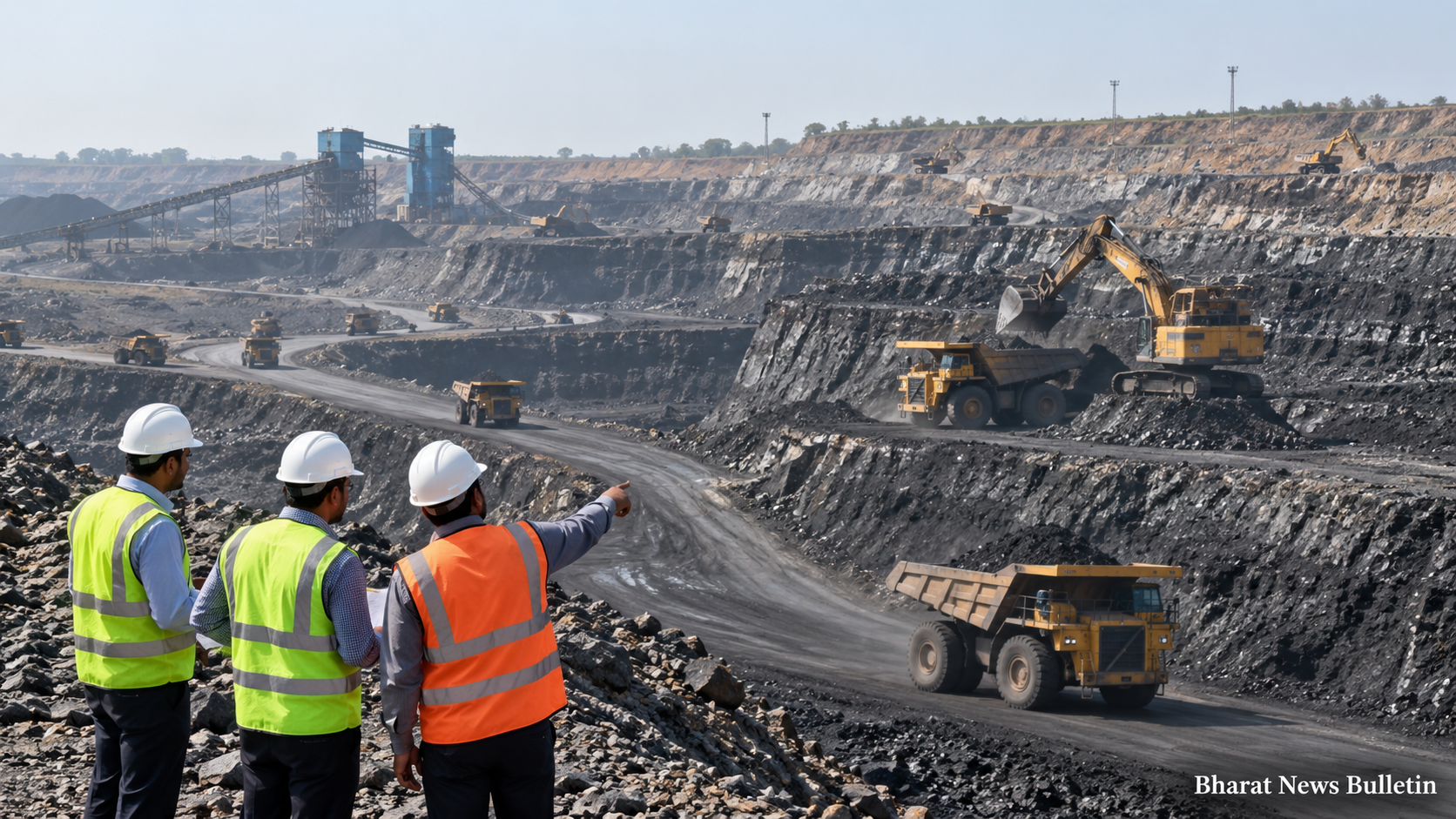
Steel and cement are at the heart of India’s development, but also among its biggest climate challenges. Together, they account for a significant share of global CO₂ emissions, and India, as the world’s second-largest producer of both, faces mounting pressure to clean them up.

This blog looks at the current state of these industries — their heavy reliance on coal and the regulatory norms they must now comply with. It then explores how biofuels can step in: from co-firing biomass in cement kilns and biochar trials in steel furnaces, to cutting transport emissions with bio-CNG. Finally, we examine the opportunities and challenges ahead, and why biofuels could be a crucial bridge in helping India balance growth with sustainability.
tpci_shutterstock

Steel and cement are the backbone of India’s growth story. They build highways, homes, factories, and metros — but they also come with a heavy climate cost. Together, the two industries contribute close to 15% of global CO₂ emissions. India, the world’s second-largest producer of both, churns out around 125–130 million tonnes of steel and over 400 million tonnes of cement every year. And with mega projects under the National Infrastructure Pipeline (NIP) and “Housing for All” on the horizon, demand is only set to grow.

That growth, however, collides with India’s climate commitments. The country has pledged to reach net zero by 2070 and to cut the emissions intensity of GDP by 45% by 2030. For “hard-to-abate” sectors like steel and cement, decarbonisation is not just desirable — it’s unavoidable.

Coal dependence and compliance pressure

At present, both industries are deeply tied to fossil fuels:

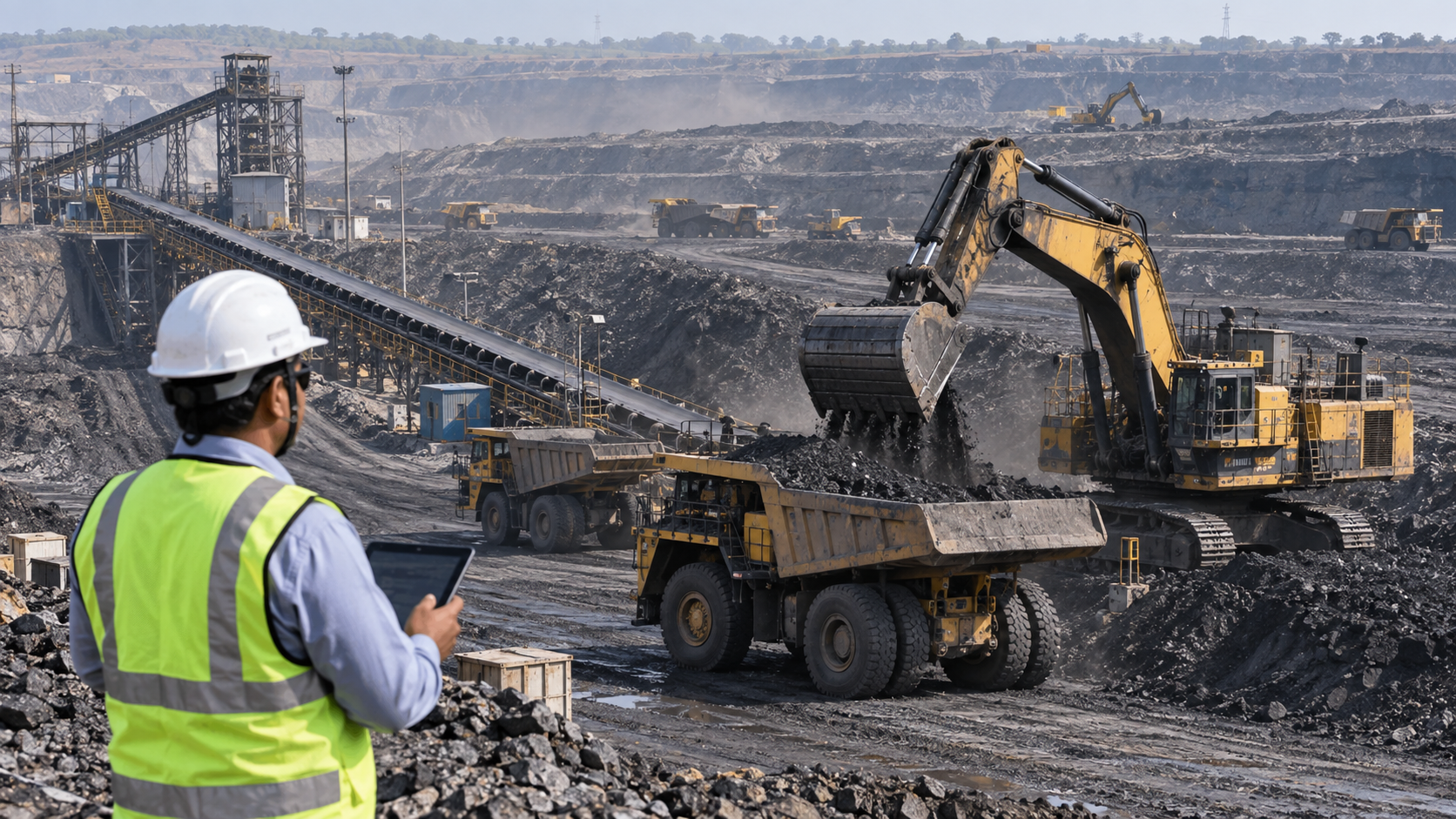
  • Cement: Kilns consume up to 100 kg of coal per tonne of cement. Most plants in India still rely on coal and petcoke, with Thermal Substitution Rates (TSR) from alternative fuels below 10% — far behind the 40%+ achieved in Europe.

  • Steel: Over 90% of India’s steel is made via the blast furnace–basic oxygen furnace (BF-BOF) route, which depends heavily on coking coal, most of it imported.

This dependence exposes companies not only to high emissions but also to volatile global fuel prices. Regulators are already tightening the screws:

  • The Ministry of Environment, Forest and Climate Change (MoEFCC) has enforced stricter norms on NOx, SOx, and particulate matter for cement. States like Haryana and Punjab have even mandated the use of crop residues in kilns to fight stubble burning.

  • The Ministry of Steel has floated a National Green Steel Policy, and Indian exporters face pressure from the EU’s Carbon Border Adjustment Mechanism (CBAM), which could impose hefty carbon taxes on emissions-heavy imports.

  • Both sectors are also covered under the Perform, Achieve and Trade (PAT) scheme, which sets efficiency targets and creates a carbon trading mechanism.

In short, business-as-usual is no longer viable.

The role of biofuels

While long-term solutions like green hydrogen and carbon capture are still maturing, biofuels present a near-term, practical option. They don’t require a complete overhaul of existing systems and can be integrated relatively quickly.

  • In Cement: Agricultural residues (rice husk, sugarcane trash, sawdust) and Refuse-Derived Fuel (RDF) can co-fire alongside coal in kilns. Majors like Dalmia Cement and ACC have already piloted biomass co-firing. Wider adoption could push India’s TSR closer to European levels.

  • In Steel: Trials with biochar and bio-coke are underway at Tata Steel and JSW. These could partially replace fossil coking coal in blast furnaces, cutting emissions while reducing import dependence.

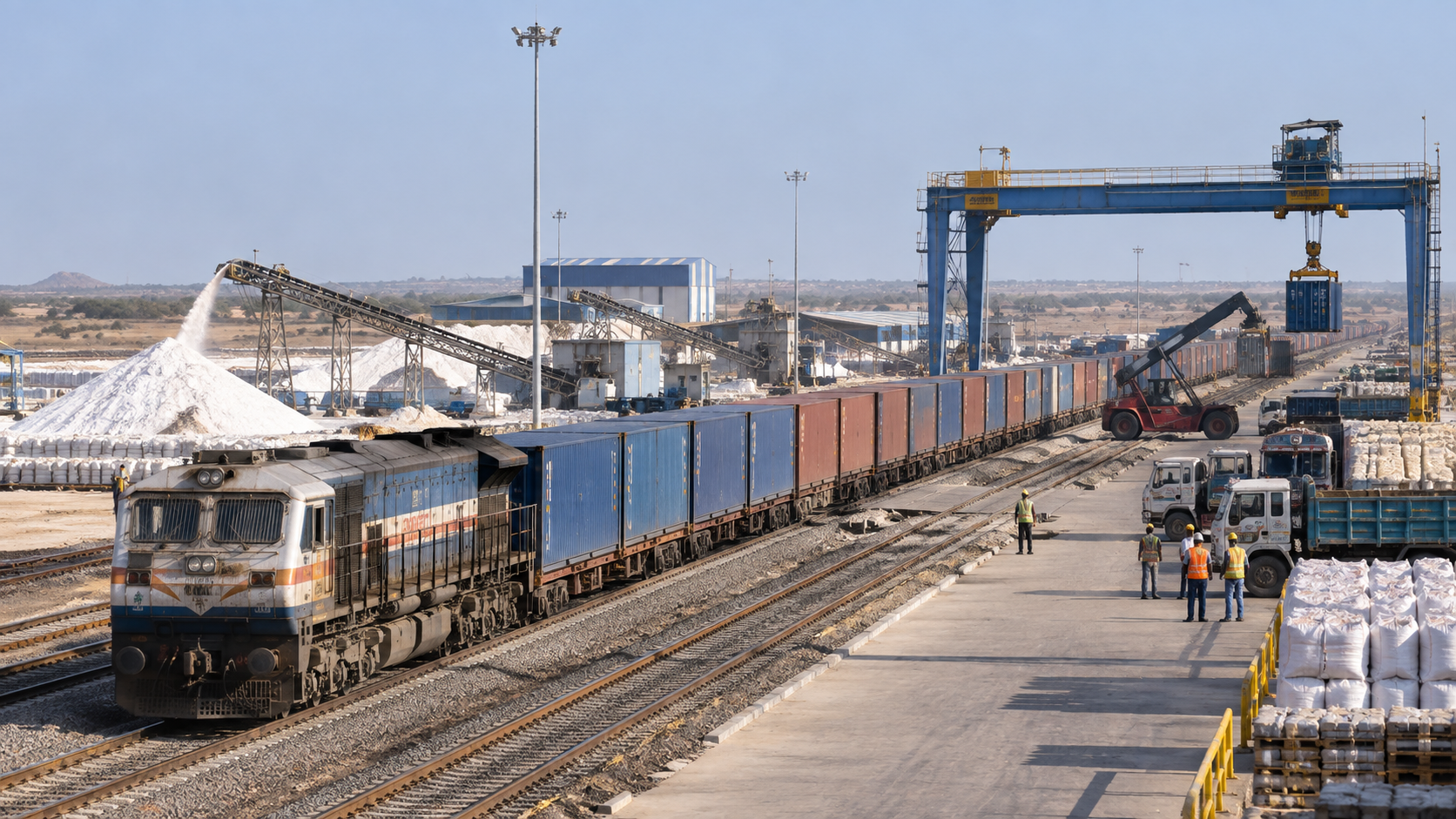
  • In Logistics: Both industries move massive volumes of raw materials and finished goods. Using bio-CNG or biodiesel trucks can reduce Scope 3 emissions, a growing part of sustainability reporting.

Why biofuels make sense for India

India produces over 230 million tonnes of agricultural residues every year, much of which is burned in fields, choking cities with smog. Redirecting this biomass into cement kilns, blast furnaces, and trucks delivers a triple dividend:

  • Extra income for farmers.

  • Lower carbon footprint for industry.

  • Cleaner air for cities.

Government support is already in place. The SATAT scheme promotes compressed biogas (CBG), and several state policies incentivize biomass use in industries. By tapping into these policies, Indian producers can cut emissions while strengthening their global competitiveness. Fragmented biomass supply chains, inconsistent quality, and higher costs compared to cheap coal are real hurdles. But these challenges are surmountable with investment in logistics, standardisation, and policy incentives.

The bigger point is this: biofuels may not replace every tonne of coal, but they buy time. They provide industries with a compliance pathway today while preparing for a future where hydrogen, CCUS, and circular practices take centre stage. For exporters, especially to Europe, early adoption can mean the difference between paying carbon taxes or enjoying preferential access to markets.

India’s steel and cement sectors stand at a crossroads. The world is moving toward low-carbon materials, and buyers are willing to pay a premium for them. Biofuels are not the endgame, but they are a crucial first step — a bridge technology that allows India to align growth with climate goals, keep industries competitive, and turn what are now climate problems into climate solutions.


FAQs

1. Why are steel and cement considered “hard-to-abate” industries?

Steel and cement require extremely high temperatures for production, which are currently met using coal and petcoke. Over 90% of India’s steel is produced through the coal-intensive BF–BOF route, while cement kilns consume up to 100 kg of coal per tonne. This reliance makes emissions reduction difficult, earning them the label “hard-to-abate.”

2. How can biofuels reduce emissions in the cement industry?

Biofuels like biomass pellets, agri-residues, and Refuse-Derived Fuel (RDF) can substitute coal in cement kilns. By increasing the Thermal Substitution Rate (TSR), cement plants can significantly lower their carbon footprint. Companies like Dalmia Cement and ACC are already experimenting with rice husk, sawdust, and RDF co-firing.

3. What role can biofuels play in steel production?

Biochar and bio-coke are being tested as partial substitutes for coking coal in blast furnaces. Trials by companies like Tata Steel and JSW show that biofuels could cut emissions and reduce India’s heavy import dependence on coking coal.

4. What policies support biofuel use in India’s heavy industries?

Key initiatives include the SATAT scheme for bio-CNG, state mandates for using crop residues in cement kilns, and the draft National Green Steel Policy. Additionally, India’s PAT scheme under BEE incentivizes energy efficiency, while EU’s CBAM (Carbon Border Adjustment Mechanism) pressures exporters to decarbonize.

5. What are the challenges of using biofuels in steel and cement?

Scaling biofuels in heavy industry requires a robust biomass supply chain, standard co-firing practices, and cost parity with coal. High-quality biofuels are still more expensive, and consistent feedstock availability is a challenge. However, with India generating over 230 million tonnes of agri residues annually, the long-term potential is significant.

Previous Post
Next Post

Most Recent Posts

  • All Post
  • 8th Pay Commission
  • Aadhar
  • Aditya Birla Capital
  • Advertising Standards
  • Affordable Housing
  • Agriculture
  • Agriculture & Food
  • AI in Healthcare
  • AI Technology
  • Airlines
  • alcohol industry
  • Android
  • APEDA
  • Apple
  • Artificial Intelligence
  • Ashwini Vaishnaw
  • Asset Management
  • Atmanirbhar Bharat
  • Audio Devices
  • Audio Products
  • Auto Industry
  • Automobile
  • Automobiles
  • Automotive
  • Automotive Industry
  • Aviation
  • Bain Healthcare Report 2026
  • Bank
  • Banking
  • Banking Technology
  • Battery Industry
  • Beverage Industry
  • Beverages
  • Bihar
  • biotechnology
  • Bitcoin
  • BMW Group India
  • Brand Insight
  • BRICS
  • Bullion Market
  • Business
  • Business & Economy
  • Business & Trade
  • Business Leadership Post COVID-19
  • Business News
  • Business Terminology
  • Business Utilities
  • Buyback
  • Capital Goods
  • Capital Markets
  • CarsBusiness
  • CBIC
  • CCI
  • Child Investment
  • China
  • China technology news
  • Citizen Services
  • Clean Energy
  • Clean Technology
  • Cloud Computing
  • coal
  • Commerce
  • Commerce and Industry
  • Commercial Real Estate
  • Commercial Vehicles
  • Commodities
  • Communications
  • Companies
  • Competition Law
  • Compliance
  • Computer Accessories
  • connected cars
  • Consumer Affairs
  • Consumer Electronics
  • Consumer Finance
  • Consumer Goods
  • Consumer Health
  • Consumer Markets
  • Consumer News
  • Consumer Protection,
  • Consumer Rights
  • Consumer Spending
  • Consumer Trends
  • Content Creation
  • Copper
  • Corporate
  • corporate affairs
  • Corporate Earnings
  • Corporate Governance
  • Corporate News
  • Corporate Social Responsibility
  • Cost of Living
  • Country
  • CRED
  • Credit Cards
  • CREDIT RATING
  • Crude Oil
  • Cryptocurrency
  • CSR
  • Culture
  • Currency
  • Customs Duty
  • Cyber Security
  • Cybersecurity
  • Dairy Industry
  • Data & Analytics
  • Defence
  • Delhi Government
  • Delhi-NCR
  • Demographics
  • Derivatives
  • DGCA
  • DGFT
  • DigiLocker
  • Digital Assets
  • Digital Economy
  • Digital Health India
  • Digital Identity
  • Digital India
  • Digital Infrastructure
  • Digital passport for robots
  • Digital Payments
  • Digital Platforms
  • digital services
  • Diplomacy
  • Dixon Technologies
  • DPIIT
  • E Commerce
  • E-commerce
  • E-Governance
  • Ease of Doing Business
  • Economic Growth
  • Economy
  • Edible Oil Industry
  • Editor Choice
  • EdTech
  • Education
  • Electric Mobility
  • Electric Vehicles
  • Electronics
  • Employment
  • ENERGY
  • Engineering
  • Entertainment
  • Environment
  • EPFO
  • Ethanol Economy
  • EV Industry
  • EV Technology
  • Exports
  • EXTER
  • Farmers
  • Fashion
  • FINANCE
  • Finance Ministry,
  • Financial Marketing
  • Financial Markets
  • Financial News
  • Financial Planning
  • Financial Results
  • Financial Services
  • Fintech
  • FnTech
  • Food & Beverage
  • Food & Beverages
  • Food Exports
  • Food Industry
  • Food Manufacturing
  • Food Processing
  • Food Regulations
  • food safety
  • Foreign Exchange
  • Foreign Investment
  • Foreign Policy
  • Foreign Trade
  • Forex Reserves
  • fssai
  • FTA
  • Fuel
  • Fuel Prices
  • Future Energy
  • Gadgets
  • Gadgets & Apps
  • Gaming
  • GDP
  • Generative AI Healthcare
  • Geopolitics
  • GI Products
  • Global Brand Alliance
  • Global Economy
  • Global Markets
  • Global Politics
  • Global Tech
  • Global Trade Policy
  • Global Trends\
  • Gold
  • Gold Market
  • Gold Prices
  • Gols & Silver
  • Government
  • Government & Policy
  • Government Affairs
  • Government Bonds
  • Government Data
  • Government Initiatives
  • Government Policy
  • Government Policy & Regulation
  • Government Scheme
  • Government Schemes
  • Government Services
  • Green Energy
  • Green Mobility
  • GroupGlobal
  • GST
  • GST Council
  • GST Counsil
  • Hair Care
  • Hardware
  • Hatchback Segment
  • Health Supplements,
  • Horticulture
  • Housing
  • HSBC
  • Human Resources
  • humanoid robot market
  • Hyundai
  • IBT Infographics
  • iinvestment
  • Imports & Exports
  • Income Tax
  • India
  • India Auto Market
  • India Business News
  • India Inc
  • India News
  • India Retail
  • India-Canada Relations
  • India-China
  • India-Japan Relations
  • India-Russia Relations
  • India-South Korea Relations
  • India-US Relations
  • Indian Economy
  • Indian Navy
  • Industrial Pollution
  • Inflation
  • Infra
  • Infrastructure
  • Innovation
  • Instagram
  • Insurance
  • international
  • International Affairs
  • International Cooperation
  • International Relations
  • International Trade
  • Internet & Connectivity
  • Internet Policy
  • Internet Regulation
  • Interview
  • Investing
  • Investment News
  • Investments
  • iPhone News
  • IPO
  • IT Industry
  • Jewellery
  • Jio Platforms
  • JioBlackRock
  • Jobs & Careers
  • Joint Ventures
  • Kim Kardashian
  • Labour
  • Latest
  • Launches
  • Leadership
  • Leaderspeak
  • Lending
  • Lifestyle
  • Lifestyle Tech
  • List
  • Loans & Credit
  • Local News
  • Logistics
  • LPG
  • Luxury Cars
  • Machinery
  • Macroeconomics
  • Macroeconomy
  • maharashtra
  • Maharashtra News
  • Make in India
  • Makhana
  • Manufacturing
  • Market Outlook
  • Markets
  • Maruti Suzuki
  • Mergers & Acquisitions
  • Meta
  • Microsoft
  • Middle East
  • Mobile Apps
  • Mobile Industry
  • Mobile Launch
  • Mobility
  • Monetary Policy
  • Monsoon
  • MoSPI
  • MSME
  • Mutual Funds
  • Nano Tech
  • National
  • National news
  • NEET 2026
  • NewsElectric
  • NewsTata
  • NPCI
  • NPS Vatsalya
  • Office Market
  • Oil & Gas
  • Oil and Gas
  • Others
  • OTT
  • Packaged Drinking Water
  • Packaged Foods
  • Packaging Industry
  • Packaging Innovation
  • Passenger Vehicles
  • Paytm
  • Pension & Retirement
  • Pensions
  • Personal Care
  • Personal Finance
  • Perspectives
  • Petroleum
  • PFRDA
  • Pharmaceuticals
  • PM Modi
  • PMAY-G
  • PMAY-U
  • PMAY,
  • PMI
  • policy
  • Population
  • PORTS
  • Positive News
  • PPF
  • Precious Metals
  • Pricing
  • Product Labeling
  • Product Labelling
  • Product Launch
  • Property Market
  • PSU
  • PSU Banks
  • Public Health
  • Public Policy
  • Public Safety
  • Public Sector
  • Public Services
  • Public Welfare
  • Quarterly Results
  • Railways
  • Rajasthan
  • Raksha Bandhan
  • Raksha Bandhan Gifts
  • Rare Earths
  • RBI
  • Real Estate & Realty Sector
  • Recycling
  • Regulation
  • Regulatory Action
  • Regulatory Affairs
  • Regulatory Updates
  • REIT
  • Reliance Industries
  • Renewable Energy
  • RERA
  • Research
  • Retail
  • Retirement Planning
  • Road Infrastructure
  • Robotics & Automation
  • robotics standards
  • Rupee
  • Rural Development
  • Rural Housing
  • SAIL
  • Salaries
  • Samsung
  • Savings
  • Science & Technology
  • Sebi
  • Security
  • Semiconductor
  • Services Sector,
  • SHIPPING
  • Silver Prices
  • Skill Development
  • Skills Development
  • Small Business
  • Smart Devices
  • Smart Home
  • Smart Mobility
  • Smartphones
  • Social Impact
  • Social Media
  • Society
  • Software Development
  • Solar Energy
  • Space Technology
  • Startups
  • Statistics
  • Steel Industry
  • Stock Market
  • stocks
  • streaming
  • Sugar Industry
  • Sukanya Samriddhi Yojana
  • Sustainability
  • SUV
  • Tamil Nadu Pollution Board
  • Tariffs
  • Tariffs & Duties
  • Tata Group
  • Tata Motors
  • Tata Sons
  • Tax Planning
  • Taxation
  • Tech
  • Tech Branding
  • Technology
  • Telecom & Technology
  • Telecom Industry
  • Top Story
  • Tourism
  • Trade
  • Trade Agreement
  • Trade Basket
  • Trade Partner
  • Trade Policy,
  • Transportation
  • Travel
  • Trending
  • Two-Wheelers
  • UIDAI
  • UPI
  • Urban Development
  • US-Iran Conflict Economic Impact
  • US–India Relations
  • Uttar Pradesh
  • VehiclesLuxury
  • vivo
  • Wastewater Management
  • Water Quality,
  • Wealth Management
  • Wearables
  • Wellness
  • WhatsApp
  • Wheat
  • Workplace
  • World
  • World News
  • Worldview
  • Yamaha
  • zLead Slider
    •   Back
    • Healthcare
    • Auto
    • Fmcg
    • Hospitality
    •   Back
    • Cash Crop
    • Organic
    • New Era Agri
    • Processed Food
    •   Back
    • Construction
    • Power
    • Mining
    • Telecom
    •   Back
    • ENERGY
    •   Back
    • Export/Import
    • Trade Deal
    • Trade Fair
    •   Back
    • Policies
    • Industry
    • Finance
    •   Back
    • Others technology
    • Mobile phone
    • Gadgets
    •   Back
    • Manufacturing
    • Services
    • Startup

India Business & Trade is a national media platform decoding the ideas, decisions and shifts shaping India’s growth story—across plicy, business, global commerce and a rapidly evolving marketplace.

Reach Us

India Business & Trade
M-62, Saket, New Delhi-110064, India

Subscribe To Newsletter

Stay ahead in the dynamic world of trade and commerce with India Business & Trade’s weekly newsletter.

Copyright © 2026 India Business & Trade. All Rights Reserved


Fatal error: Uncaught TypeError: Unsupported operand types: string * int in /var/www/sites/indiabusinesstrade.in/wp-content/plugins/royal-elementor-addons/admin/includes/wpr-templates-modal-popups.php:192 Stack trace: #0 /var/www/sites/indiabusinesstrade.in/wp-content/plugins/royal-elementor-addons/admin/includes/wpr-templates-modal-popups.php(128): WprAddons\Admin\Includes\WPR_Templates_Modal_Popups::get_template_settings() #1 /var/www/sites/indiabusinesstrade.in/wp-content/plugins/royal-elementor-addons/admin/includes/wpr-templates-modal-popups.php(106): WprAddons\Admin\Includes\WPR_Templates_Modal_Popups::render_popup_content() #2 /var/www/sites/indiabusinesstrade.in/wp-content/plugins/royal-elementor-addons/admin/includes/wpr-templates-modal-popups.php(64): WprAddons\Admin\Includes\WPR_Templates_Modal_Popups::display_popups_by_location() #3 /var/www/sites/indiabusinesstrade.in/wp-includes/class-wp-hook.php(341): WprAddons\Admin\Includes\WPR_Templates_Modal_Popups->render_popups() #4 /var/www/sites/indiabusinesstrade.in/wp-includes/class-wp-hook.php(365): WP_Hook->apply_filters() #5 /var/www/sites/indiabusinesstrade.in/wp-includes/plugin.php(522): WP_Hook->do_action() #6 /var/www/sites/indiabusinesstrade.in/wp-includes/general-template.php(3224): do_action() #7 /var/www/sites/indiabusinesstrade.in/wp-content/plugins/royal-elementor-addons/admin/templates/wpr-canvas.php(64): wp_footer() #8 /var/www/sites/indiabusinesstrade.in/wp-includes/template-loader.php(132): include('...') #9 /var/www/sites/indiabusinesstrade.in/wp-blog-header.php(19): require_once('...') #10 /var/www/sites/indiabusinesstrade.in/index.php(17): require('...') #11 {main} thrown in /var/www/sites/indiabusinesstrade.in/wp-content/plugins/royal-elementor-addons/admin/includes/wpr-templates-modal-popups.php on line 192