Members Bridge Differences Amid West Asia Crisis
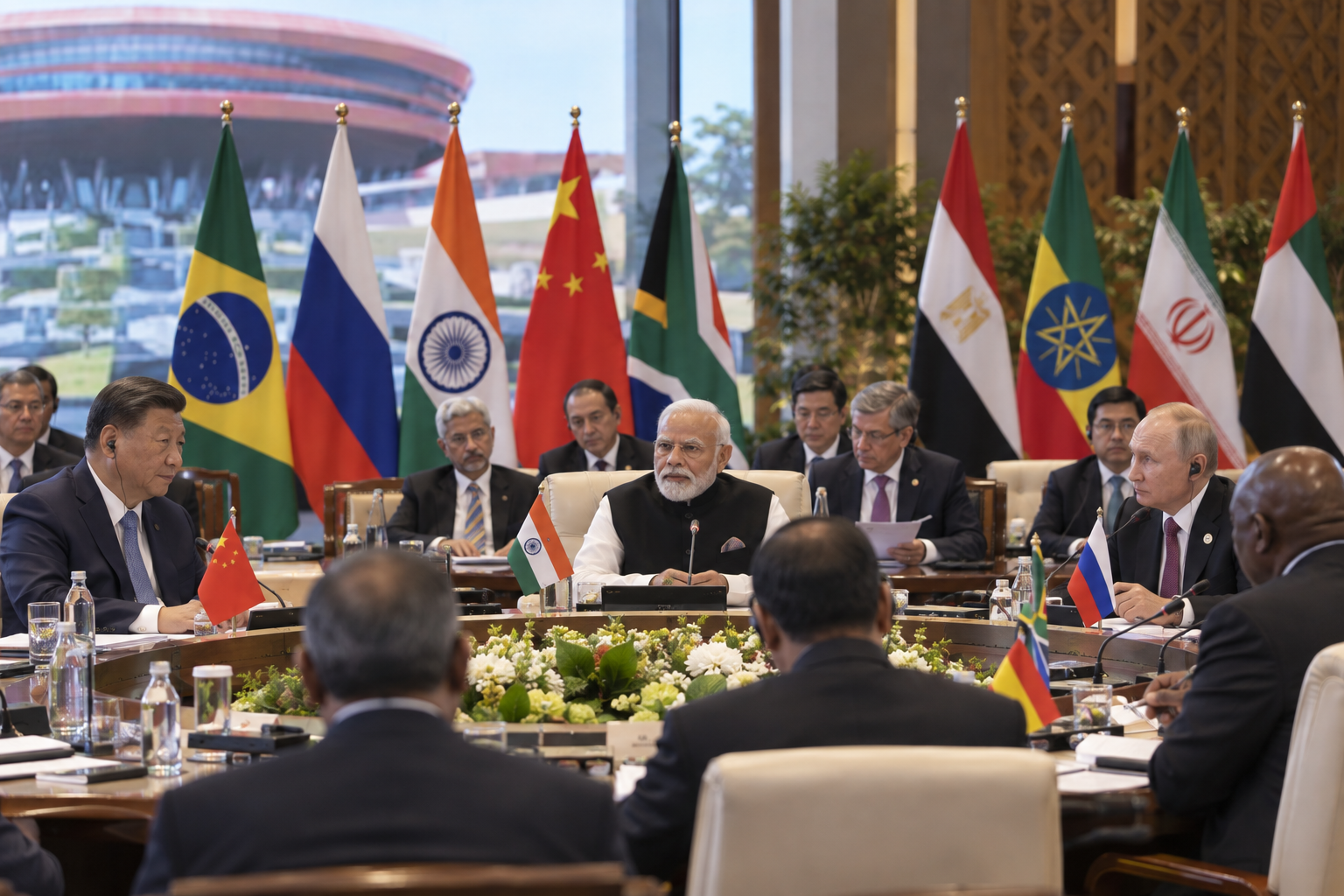
The BRICS countries have reached consensus on a joint declaration at the New Delhi Summit, overcoming differences between Iran and the UAE over the West Asia conflict. (Reuters)
Key Highlights
- BRICS members agreed on a joint declaration after intensive negotiations.
- India played a key role in bridging differences among members.
- The declaration avoids directly naming individual countries.
- Members are expected to condemn unilateral aggression and escalation.
- PM Modi called for greater representation of the Global South.
- India also renewed its call for UN Security Council reforms. (Reuters)
News Story
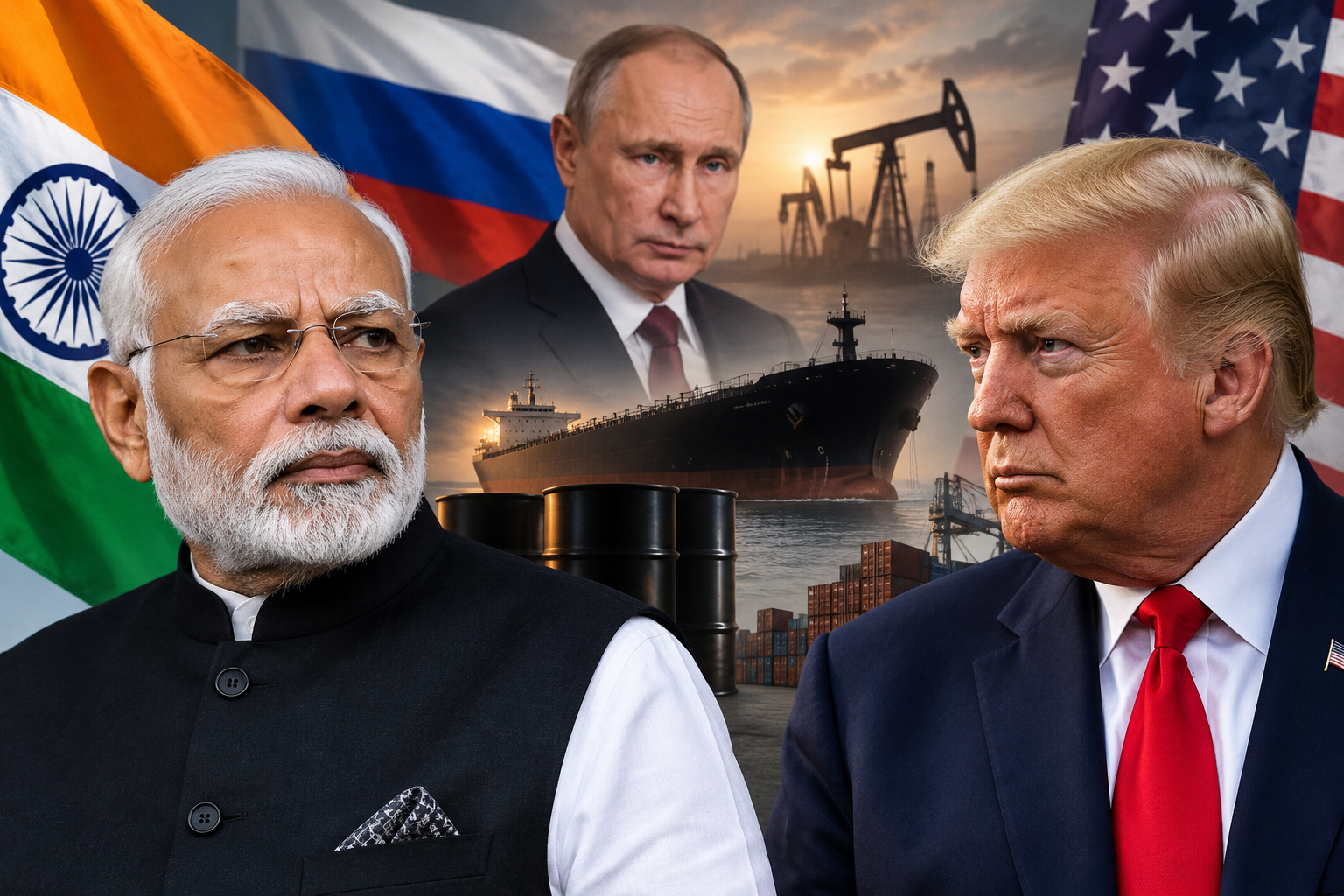
BRICS countries have reached consensus on a joint declaration at the New Delhi Summit, marking a diplomatic breakthrough for India as the grouping faces sharp divisions over the ongoing West Asia conflict.
Negotiations continued amid differences between Iran and the UAE, whose positions have diverged over the conflict. Indian officials held sustained consultations with member countries to bridge differences and ensure that the declaration could be accepted by all members. (Reuters)
The declaration is expected to avoid directly naming individual countries while condemning unilateral aggression and stressing the importance of international law, restraint and stability. The consensus demonstrates an effort by the expanded grouping to maintain unity despite significant geopolitical differences. (Reuters)
Prime Minister Narendra Modi, while addressing the summit, said BRICS had reached a stage where its unity and consensus should be translated into concrete outcomes. He also called for greater representation of emerging economies in global decision-making institutions.
Modi reiterated India’s demand for reform of the United Nations Security Council, arguing that the Global South should have a stronger voice in shaping international decisions. (Reuters)
The summit comes as BRICS seeks to strengthen cooperation in trade, investment, energy security, technology and global governance. India is also attempting to position the grouping as a platform for practical economic cooperation rather than an anti-Western alliance.
The agreement on a joint declaration provides a significant boost to India’s 2026 BRICS chairship and demonstrates the group’s ability to find common ground despite growing geopolitical tensions. (Reuters)