Supply Chains Top Industry Expectations
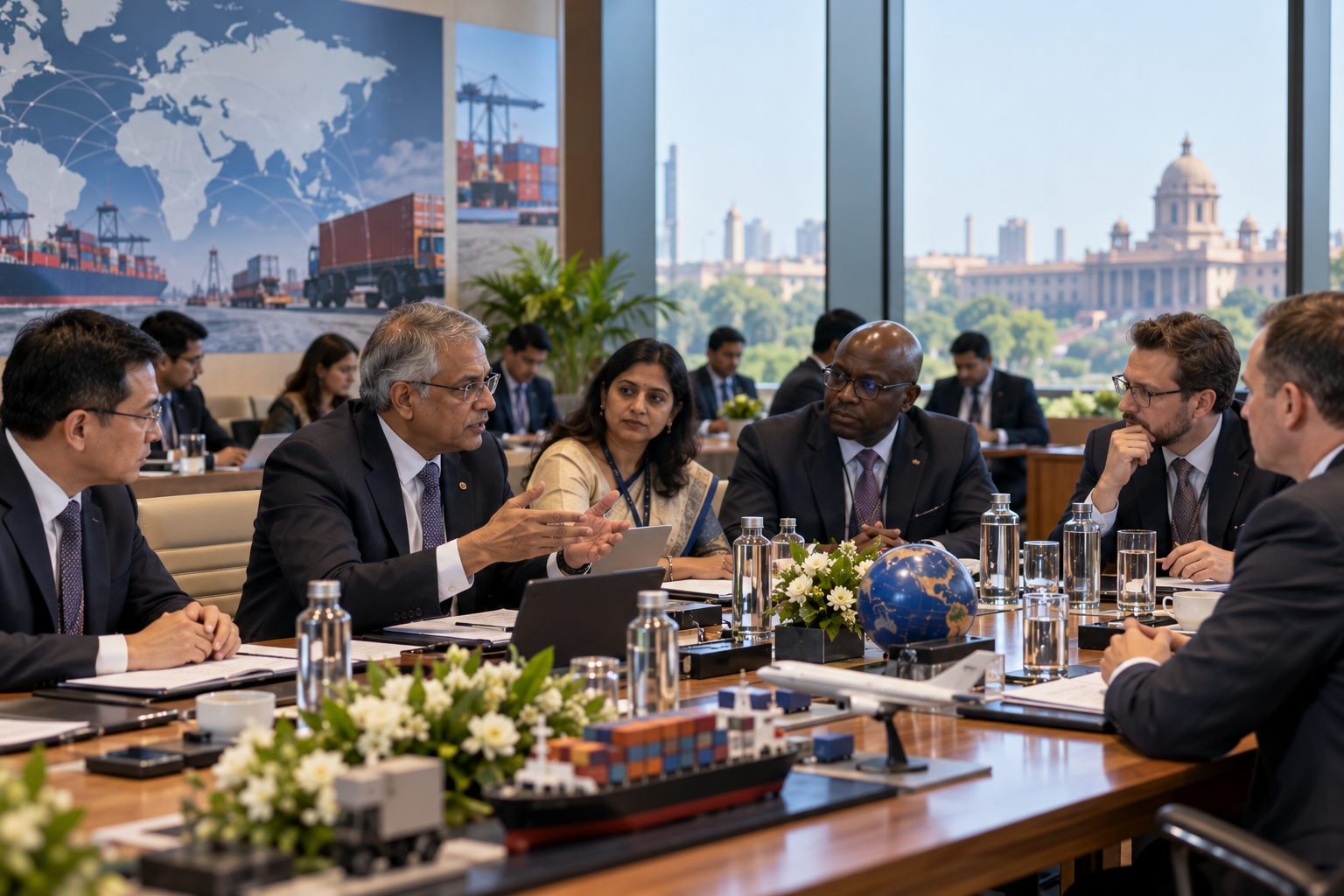
With the 18th BRICS Summit set to take place in New Delhi, Indian businesses and economists are looking for the expanded grouping to move beyond diplomatic discussions and produce tangible economic outcomes in trade, investment, supply chains and cross-border payments.
For businesses, the immediate priority is improving the ease of doing business across BRICS markets. Industry representatives are calling for lower non-tariff barriers, greater regulatory transparency, faster customs clearances, mutual recognition of standards and wider adoption of digital trade documentation.
Federation of Indian Export Organisations (FIEO) President S C Ralhan said the value of the grouping would depend on its ability to improve market access, strengthen supply-chain partnerships, generate investment flows, promote technology collaboration and make payment mechanisms more efficient.
The expanded 11-member BRICS grouping accounts for around 26% of global trade. Yet India’s trade relationship with several BRICS members remains heavily tilted towards imports, with China, the UAE and Russia among India’s largest sources of imports. This imbalance makes stronger integration and greater export opportunities important priorities for Indian industry.
The business community is therefore looking for practical measures rather than broad declarations. The International Chamber of Commerce has highlighted the need to reduce the cost, delays and uncertainty associated with cross-border transactions.
Trade-rule fragmentation remains a major concern. Companies operating across multiple markets must often navigate different regulations, standards, documentation requirements and customs procedures. Greater regulatory coordination and interoperable digital systems could reduce these frictions and make cross-border commerce more predictable.
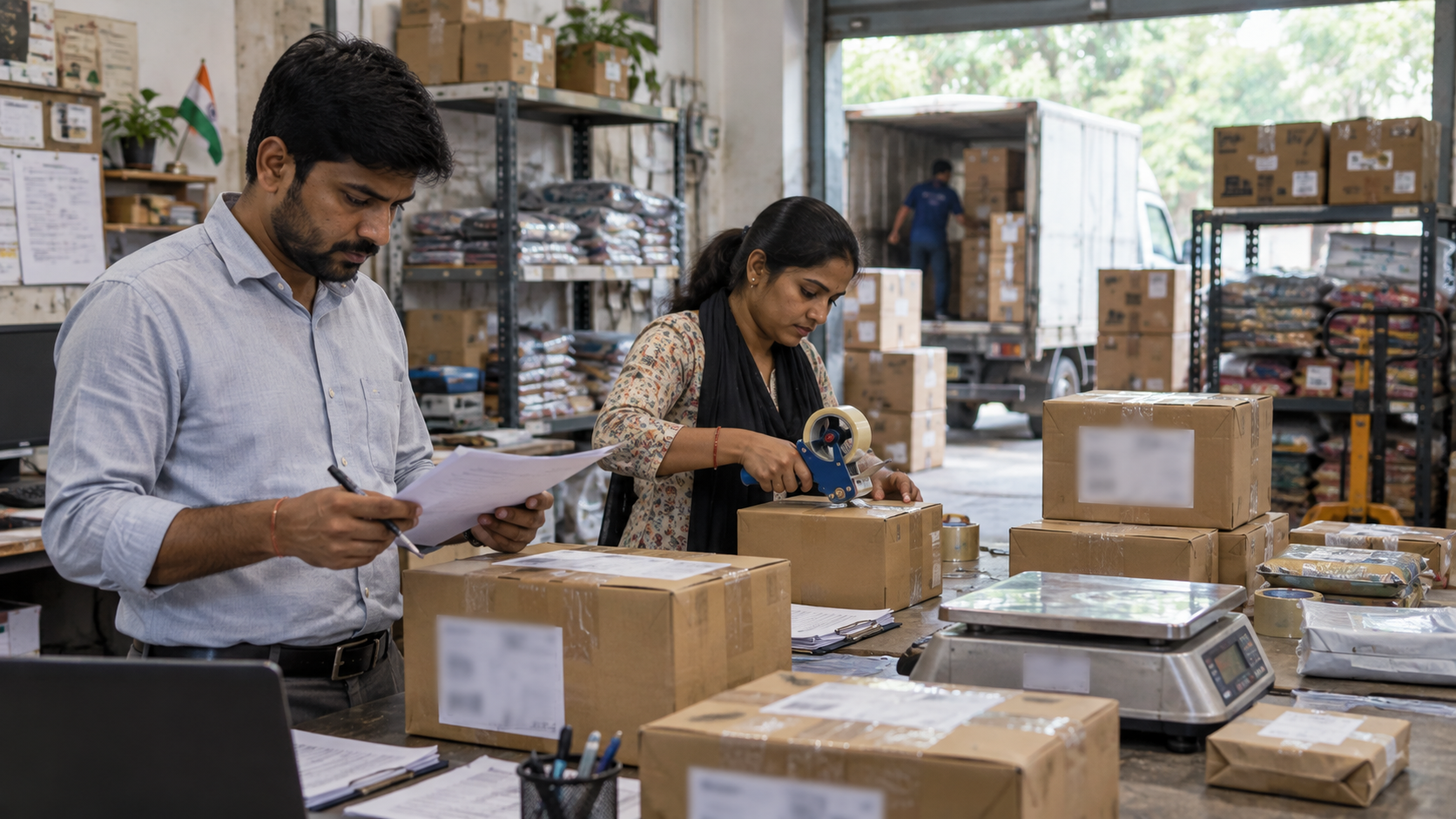
For Indian exporters, the opportunity extends beyond simply selling more products to BRICS countries. FIEO has argued that Indian companies should become part of the production, sourcing and value chains emerging across the grouping.
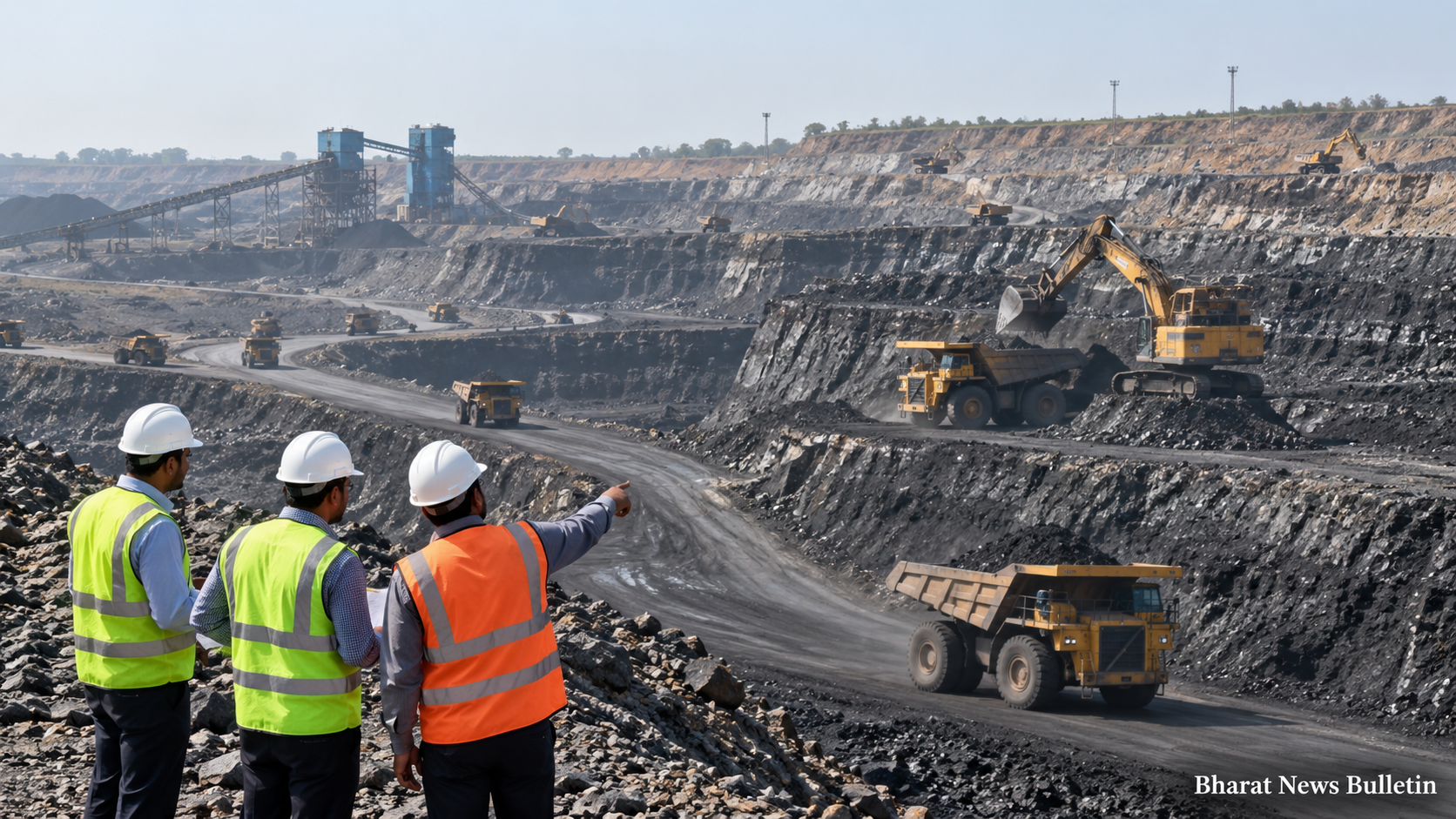
That could create opportunities in manufacturing, engineering, pharmaceuticals, technology, agriculture and other sectors where companies are seeking diversified sources of production and supply. The emphasis on resilient supply chains has become increasingly important as geopolitical tensions, shipping disruptions and trade-policy changes reshape global sourcing decisions.
The BRICS agenda is already moving towards greater supply-chain cooperation. India has been pushing the grouping towards practical frameworks covering logistics, resilience and diversification, while the upcoming summit is expected to build on work conducted during India’s year-long chairship.
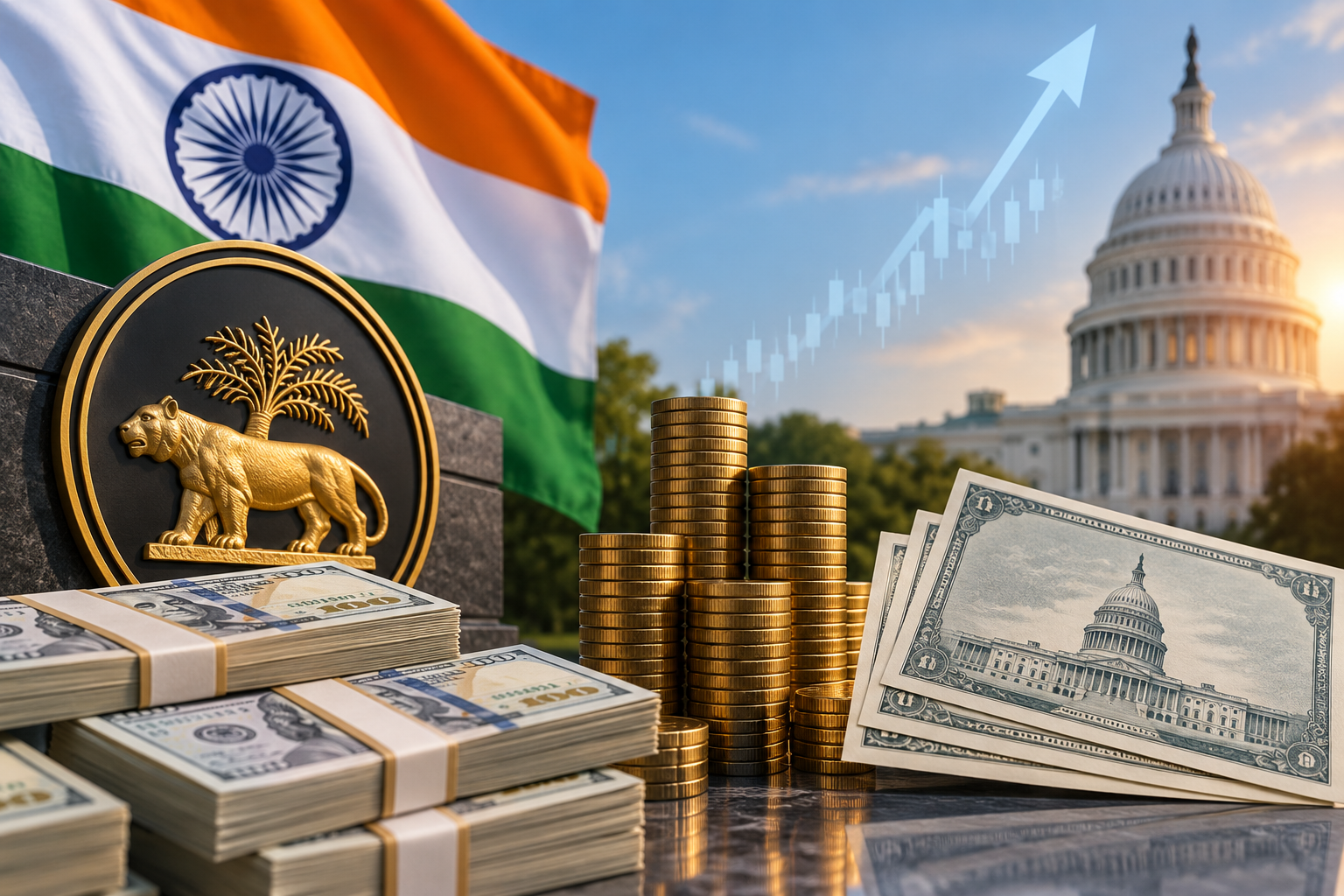
Financial connectivity is another area attracting attention. Economists expect BRICS members to discuss greater use of local currencies, stronger payment-system linkages and mechanisms that could diversify international settlement arrangements.
DBS Bank Senior Economist and Executive Director Radhika Rao said realistic progress could involve wider use of domestic currencies in trade, expanded central-bank settlement arrangements and stronger regional payment connectivity.
For India, such developments could complement efforts to expand the reach of its digital payments infrastructure. India has been pursuing greater international interoperability for instant payment systems, including through Project Nexus, a Bank for International Settlements-led initiative designed to connect instant-payment systems across participating countries.
However, industry representatives caution that changing the currency used for trade is not enough on its own. Businesses ultimately need payment systems that are fast, secure and interoperable, regardless of whether transactions are settled in dollars, local currencies or through alternative arrangements.
Investment cooperation is another potential area for progress. As companies seek to diversify supply chains, greater investment flows between BRICS economies could help create new manufacturing and sourcing networks.
For India, developments in India-China economic relations will be closely watched. Constructive engagement between the two countries on investment could potentially support broader commercial cooperation, although investment liberalisation is expected to remain subject to geopolitical considerations. Government sources have indicated that Commerce and Industry Minister Piyush Goyal is likely to meet his Chinese counterpart on the sidelines of the summit.
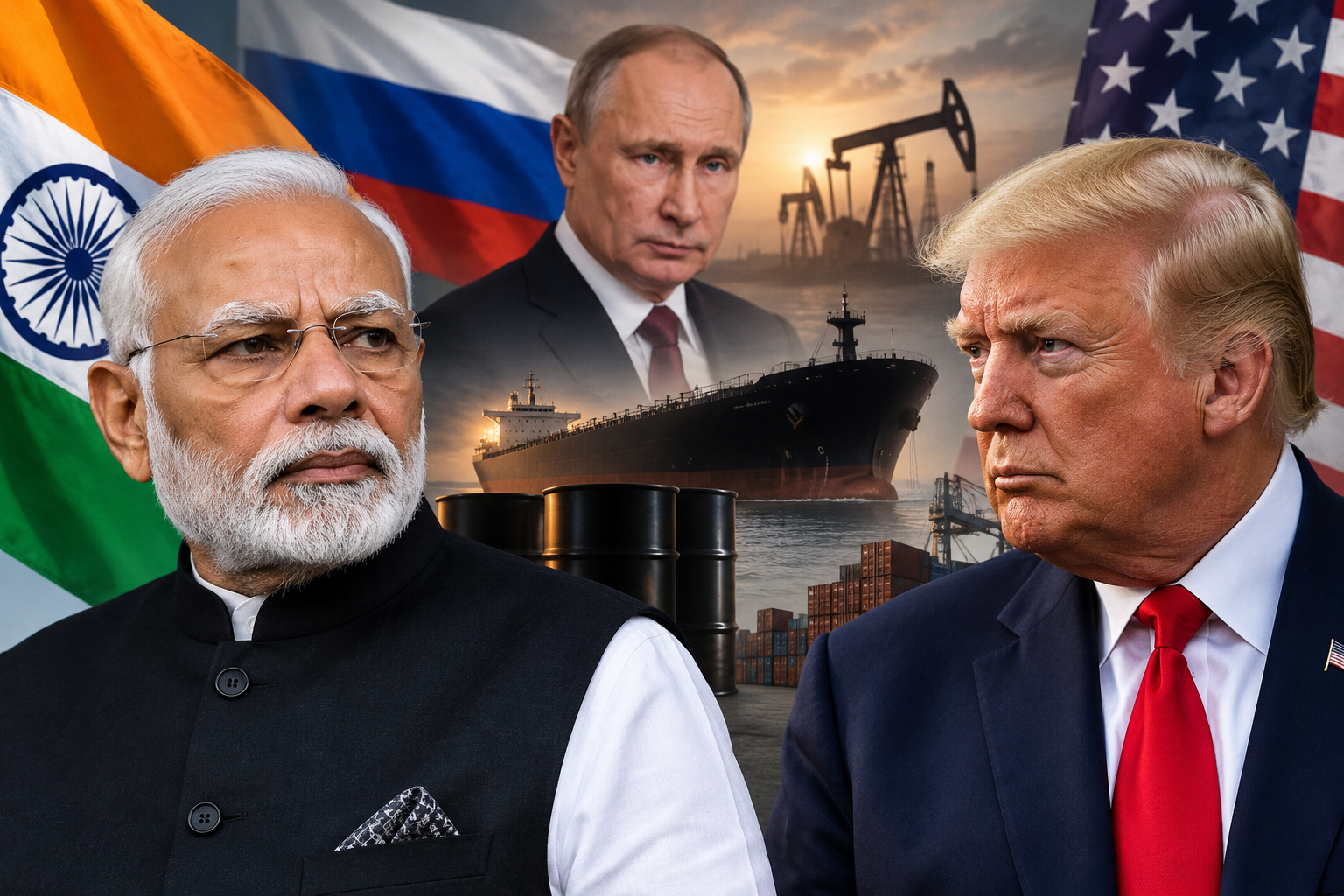
Energy security is also emerging as an important issue. The BRICS grouping brings together major hydrocarbon producers, energy-importing economies, clean-energy manufacturers and energy-intensive industrial markets. With global energy markets facing geopolitical uncertainty, greater coordination on energy security could become an important economic outcome.
The summit comes as global businesses reassess supply chains and investment strategies. BRICS discussions on resilient production networks, digital trade, critical sectors and investment could therefore have implications beyond the member countries themselves.
India’s broader objective is to turn its BRICS chairship into commercially useful outcomes for exporters, manufacturers, startups and smaller businesses. During the year, the country has promoted cooperation in areas including MSMEs, startups, supply chains, digital technology, energy and finance.
The upcoming summit is expected to provide an opportunity to consolidate these initiatives. The proposed BRICS Strategy for Economic Partnership 2030 is also expected to provide a longer-term framework for cooperation in trade, investment, digital economy, industry, innovation and sustainable development.
For businesses, however, the ultimate test will come after the summit. Sector-specific buyer-seller meetings, investment matchmaking, technology partnerships, joint ventures and regular business delegations could help convert political agreements into actual commercial activity.
The central expectation from Indian industry is therefore straightforward: BRICS should move from declarations to implementation.
If the grouping can reduce regulatory friction, improve market access, connect payment systems, facilitate investment and build more resilient supply chains, its expanding economic weight could translate into tangible benefits for businesses.
As FIEO’s Ralhan noted, the real test will be whether the benefits reach manufacturers, exporters, startups and MSMEs rather than remaining confined to summit-level discussions.