Catalysing India’s contract catering industry

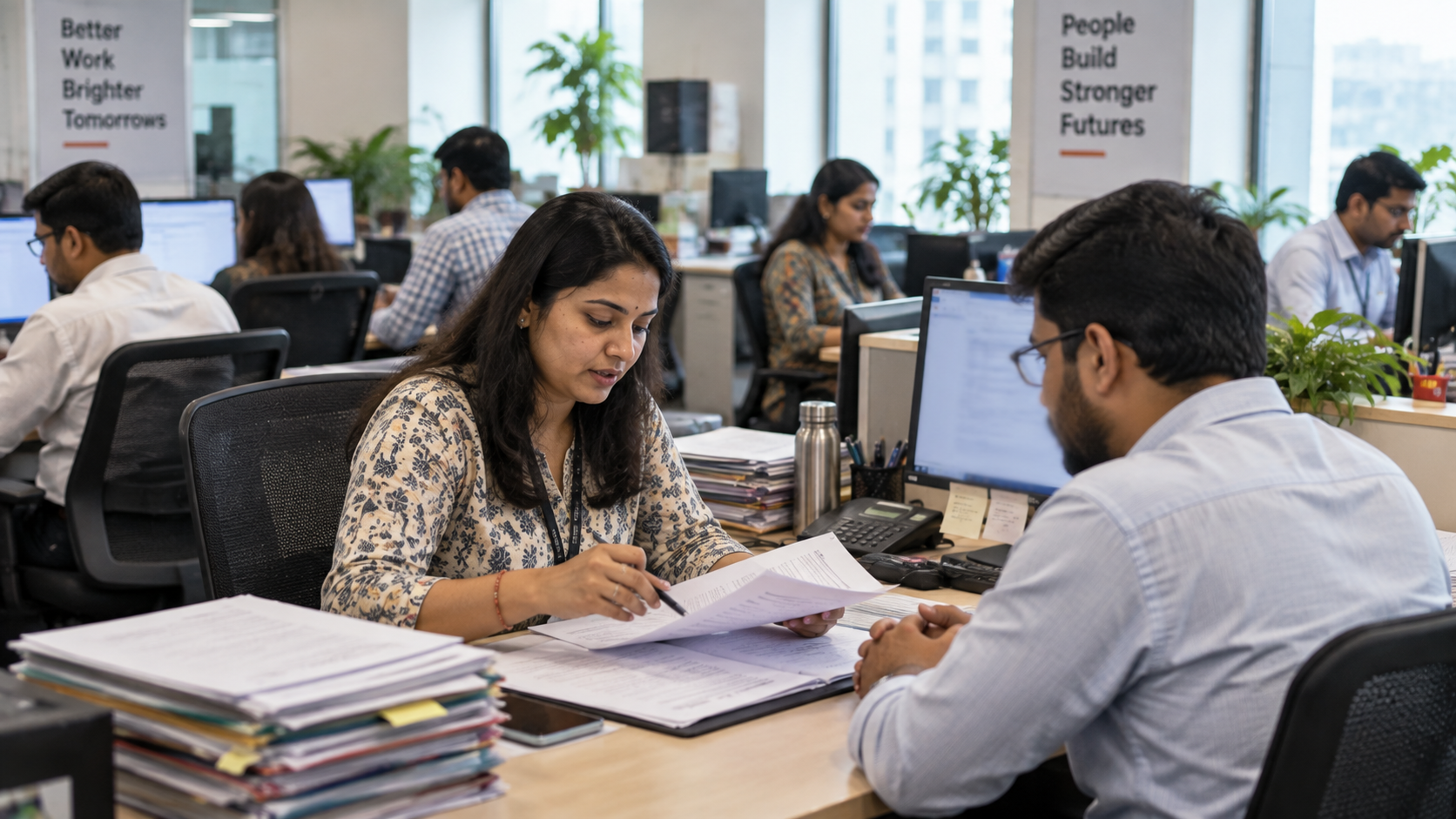
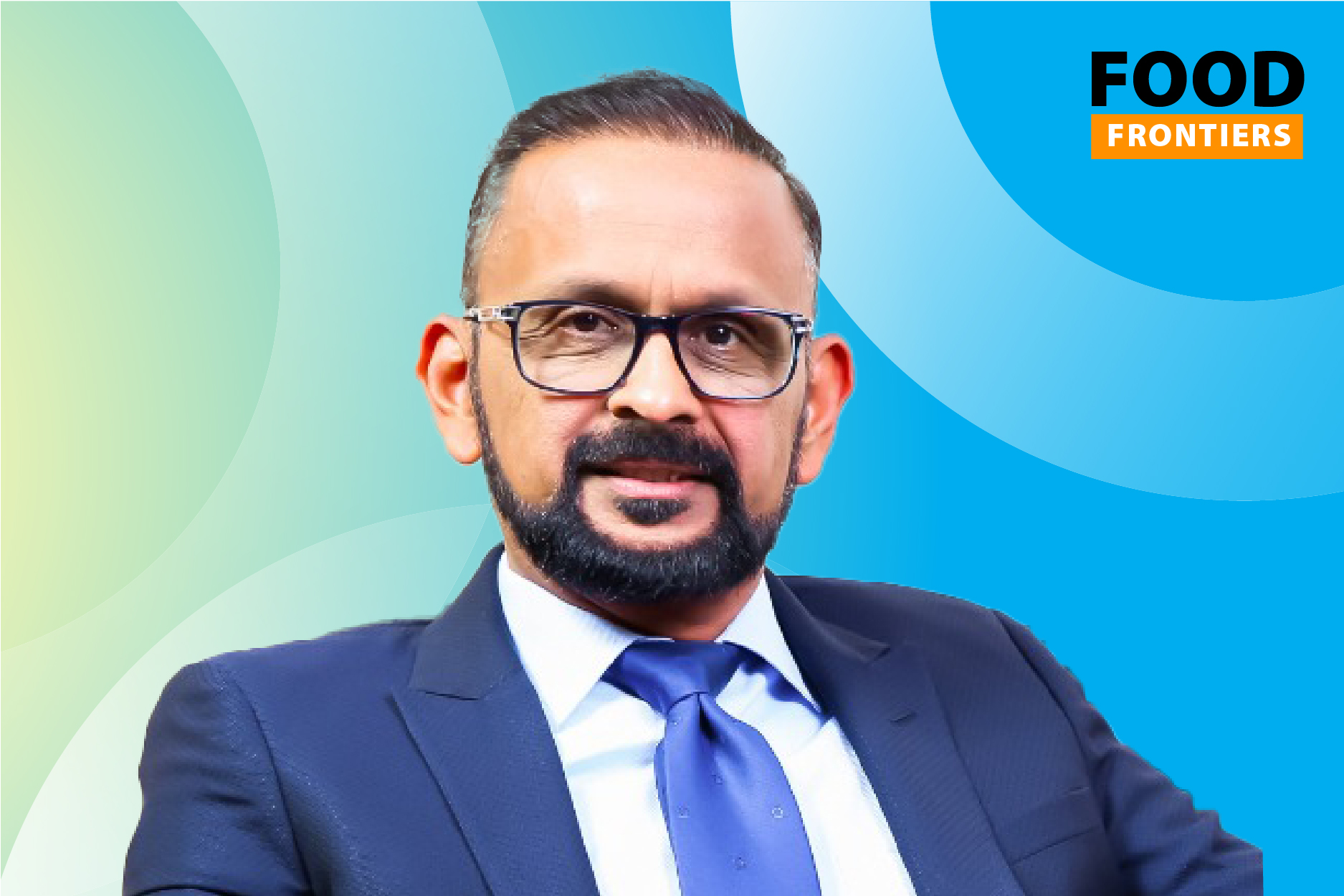
In the new episode of the Food Frontiers series organised by India Business and Trade, we spoke with Mr. Sanjay Kumar, MD, and CEO of Rassense, a company that is transforming the contract catering industry in India through various culinary and technological innovations. The company operates central and on-site kitchens to meet diverse client needs, ensuring high-quality food production.

In this episode, we talked about the food catering industry through its advanced culinary practices, modern equipment and commitment to quality in today’s discussion, we will talk about Rassense. It’s value propositions and how Rassense is meeting diverse client needs and the food service industry’s potential.
Catering

IBT: Can you provide an overview of Rassense’s journey from its foundation to becoming India’s largest domestically owned food service company? What core values and vision drive the organisation?

Sanjay Kumar: Since its inception, Rassense has strategically navigated the Indian food service industry to become the country’s largest domestically owned food service company. Founded to address the growing demand for reliable, high-quality contract catering services, Rassense broke through barriers typically encountered in this sector. Historically, India’s contract food service companies struggled to scale beyond the INR 300 crore revenue mark, largely due to challenges in formalisation, low margins, and limited access to private capital. Unlike other firms often acquired by multinational giants, Rassense carved a unique path by securing investment from Spark Capital’s Alternate Investment Fund (AIF), a landmark move for the industry. This funding allowed Rassense to retain control of its values and operations while adopting innovative structures like a leveraged buyout, ensuring autonomy from larger competitors.

The organisation’s core vision and values reflect a commitment to inclusivity, efficiency, and empowerment. These principles are embodied in their brand statement, “Together is more,” emphasising a collaborative approach to leadership and growth that extends to employees and clients alike.

IBT: What are the unique selling propositions (USPs) of Rassense that distinguish it from competitors in the food service industry? How have these USPs evolved over time?

Sanjay Kumar: Rassense’s key differentiators rest on four pillars, “MAGS”: Millennials, artificial intelligence, gender inclusion, and shareholding. These unique elements not only set the company apart but have also evolved to remain relevant in a competitive industry.

  • Millennials in Leadership: Rassense’s leadership structure is notable, with 80% of its executive team being millennials—a rarity in the traditionally conventional food service industry. This infusion of young talent brings fresh perspectives, enhances the organisation’s adaptability, and drives a more tech-savvy approach to problem-solving.
  • Artificial Intelligence (AI): Integrating AI into its operations, Rassense optimises meal production by using predictive analytics to forecast pricing trends and manage waste. AI-driven tools also track ingredient quality and monitor production flow, fostering cost-efficiency and enabling waste reduction, both critical in a low-margin industry.
  • Gender Inclusion: With 27% of its workforce comprising women, Rassense does not just pay lip service to inclusivity; it fosters an environment where diversity flourishes organically without being a mere corporate slogan. This approach enhances the company’s culture and operational perspective, bringing varied insights into the workplace.
  • Employee Shareholding: Rassense champions shared ownership by offering shares to its employees, with 80% of its executive committee holding stakes in the company. This level of employee empowerment strengthens their commitment and sense of belonging, ensuring a cohesive, motivated workforce that strives for collective success.

IBT: Could you elaborate on the operational strategies Rassense employs to produce over 300,000 meals daily? What innovations or processes do you find most crucial for maintaining such scale?

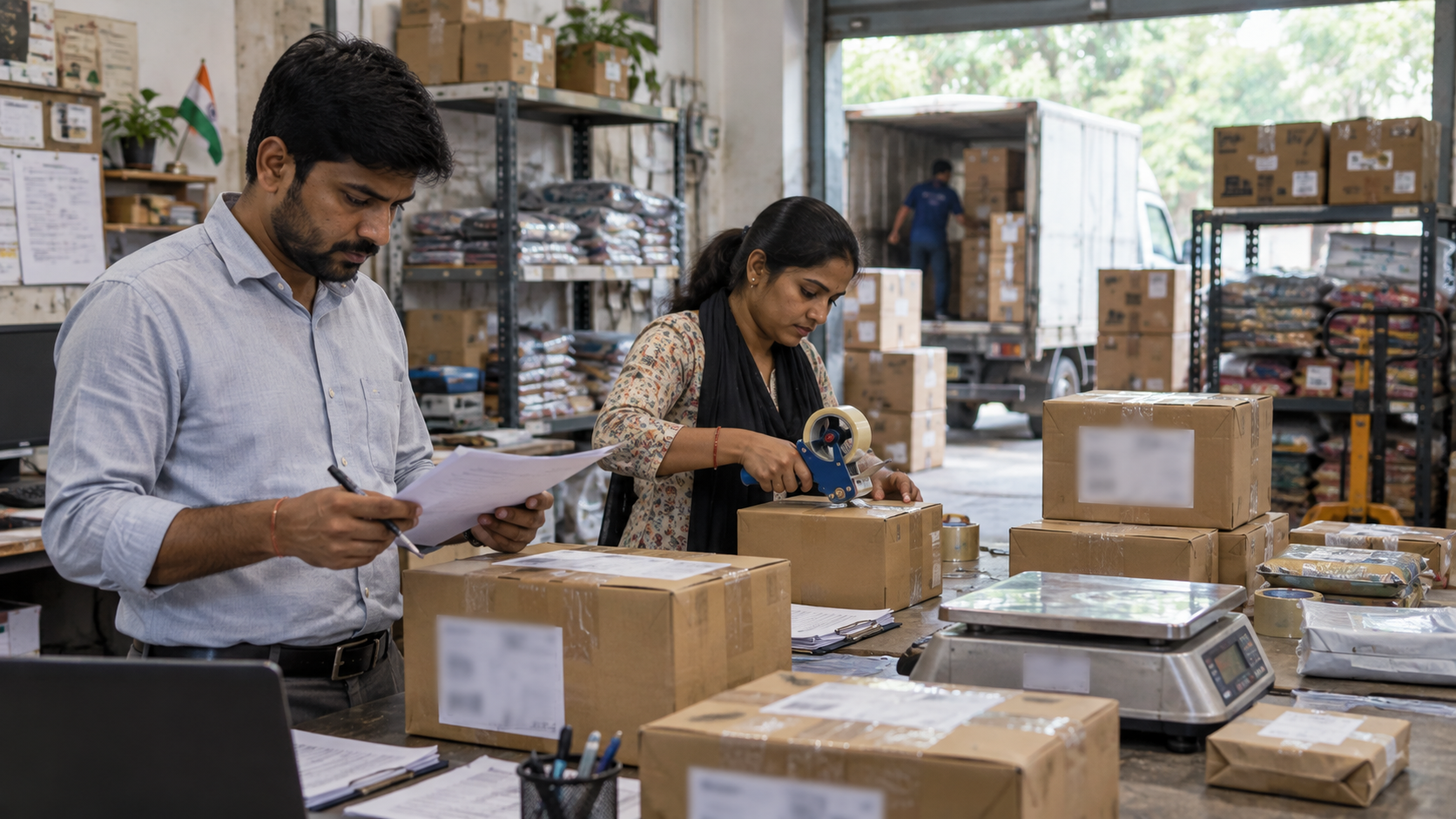
Sanjay Kumar: Producing over 300,000 meals daily, Rassense employs a mix of centralised and on-site kitchens to meet diverse client needs. The company leverages simple yet highly effective innovations, such as barcoding all raw materials upon arrival. This system, coupled with a “first in, first out” protocol, ensures ingredient freshness and efficiency.

Furthermore, Rassense utilises digital tools to track material rejections in real time, allowing vendors to better meet quality standards and reduce waste. Technology is also deeply embedded in internal workflows; AI-driven tools automate administrative tasks, empowering employees to focus on core functions without the need for traditional support roles, like secretaries or admin assistants. These operational efficiencies maintain the company’s scale and enable a level of quality that builds long-term trust with clients.

IBT: What specific areas of specialisation within product categories does Rassense focus on, and how do these specialisations align with current consumer trends and demands in the food industry?

Sanjay Kumar: Rassense places a strong emphasis on healthy, diverse, and customisable meal options that cater to the evolving tastes and dietary preferences of consumers. This strategy aligns well with the increasing consumer demand for nutritional and high-quality meals, especially in corporate and educational institutions. The company’s expertise extends to maintaining consistent quality across its menu items while remaining flexible enough to incorporate regional preferences and dietary requirements, a critical factor in India’s diverse culinary landscape.

IBT: What growth trends do you observe in the food service sector, particularly regarding emerging markets and consumer preferences? Which regions or demographics do you see as having the highest growth potential?

Sanjay Kumar: The food service industry is poised for growth in emerging markets, with urbanisation, rising disposable incomes, and an expanding working population driving demand for convenient and nutritious meal solutions. Additionally, the increasing popularity of healthy eating habits and focus on quality food is creating opportunities for contract food service providers. In India, major growth potential lies within urban centres, where corporate catering and institutional food services are witnessing a steady rise in demand, especially among millennial consumers seeking balanced meals and greater convenience.

IBT: What challenges has Rassense encountered in recent years, especially amid economic fluctuations and supply chain disruptions? How have these challenges influenced your strategic decisions?

Sanjay Kumar: Rassense has navigated several challenges, from economic fluctuations to supply chain disruptions. These issues have necessitated careful financial and operational adjustments, particularly around ingredient sourcing and cost management. The pandemic-induced supply chain constraints underscored the need for robust vendor relationships and adaptive procurement strategies. Additionally, the lack of input tax credit in the GST framework has negatively impacted the sector’s already narrow margins, affecting EBITDA and limiting reinvestment potential. Rassense’s strategic responses include strengthening its technological infrastructure, leveraging predictive analytics, and streamlining procurement processes to mitigate cost pressures and sustain quality standards.

IBT: What specific support do you believe the government should provide to foster growth and stability within the food service industry? Are there particular policies or regulations you think need to be addressed or revised?

Sanjay Kumar: Rassense advocates for policy reforms to support sustainable growth within the food service sector. We need to reinstate input tax credits, which were initially part of the GST regime but subsequently removed. The absence of these credits has led to a 50% reduction in margins, leaving smaller domestic players vulnerable to acquisition by larger multinational companies. The government also needs to think about the private capital, which would enable domestic players to scale sustainably and compete on a more level playing field. Reintroduction of tax benefits and capital support could invigorate the sector, helping us to drive employment and contribute significantly to the economy.


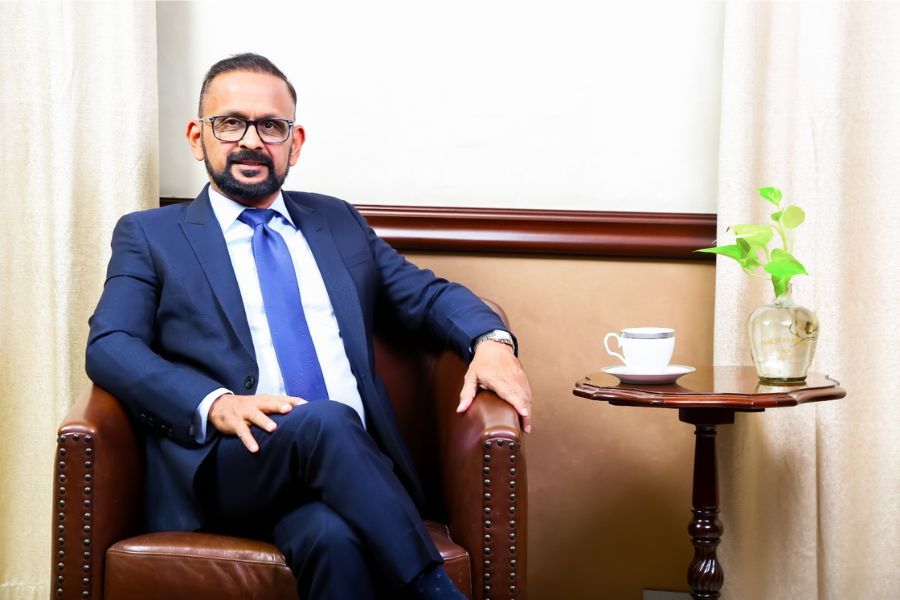
Sanjay Kumar, MD, and CEO of Rassences, which is transforming the contract catering industry in India through various culinary and technological innovations.

Previous Post
Next Post

Most Recent Posts

  • All Post
  • 8th Pay Commission
  • Aadhar
  • Aditya Birla Capital
  • Advertising Standards
  • Affordable Housing
  • Agriculture
  • Agriculture & Food
  • AI in Healthcare
  • AI Technology
  • Airlines
  • alcohol industry
  • Android
  • APEDA
  • Apple
  • Artificial Intelligence
  • Ashwini Vaishnaw
  • Asset Management
  • Atmanirbhar Bharat
  • Audio Devices
  • Audio Products
  • Auto Industry
  • Automobile
  • Automobiles
  • Automotive
  • Automotive Industry
  • Aviation
  • Bain Healthcare Report 2026
  • Bank
  • Banking
  • Banking Technology
  • Battery Industry
  • Beverage Industry
  • Beverages
  • Bihar
  • biotechnology
  • Bitcoin
  • BMW Group India
  • Brand Insight
  • BRICS
  • Bullion Market
  • Business
  • Business & Economy
  • Business & Trade
  • Business Leadership Post COVID-19
  • Business News
  • Business Terminology
  • Business Utilities
  • Buyback
  • Capital Goods
  • Capital Markets
  • CarsBusiness
  • CBIC
  • CCI
  • Child Investment
  • China
  • China technology news
  • Citizen Services
  • Clean Energy
  • Clean Technology
  • Cloud Computing
  • coal
  • Commerce
  • Commerce and Industry
  • Commercial Real Estate
  • Commercial Vehicles
  • Commodities
  • Communications
  • Companies
  • Competition Law
  • Compliance
  • Computer Accessories
  • connected cars
  • Consumer Affairs
  • Consumer Electronics
  • Consumer Finance
  • Consumer Goods
  • Consumer Health
  • Consumer Markets
  • Consumer News
  • Consumer Protection,
  • Consumer Rights
  • Consumer Spending
  • Consumer Trends
  • Content Creation
  • Copper
  • Corporate
  • corporate affairs
  • Corporate Earnings
  • Corporate Governance
  • Corporate News
  • Corporate Social Responsibility
  • Cost of Living
  • Country
  • CRED
  • Credit Cards
  • CREDIT RATING
  • Crude Oil
  • Cryptocurrency
  • CSR
  • Culture
  • Currency
  • Customs Duty
  • Cyber Security
  • Cybersecurity
  • Dairy Industry
  • Data & Analytics
  • Defence
  • Delhi Government
  • Delhi-NCR
  • Demographics
  • Derivatives
  • DGCA
  • DGFT
  • DigiLocker
  • Digital Assets
  • Digital Economy
  • Digital Health India
  • Digital Identity
  • Digital India
  • Digital Infrastructure
  • Digital passport for robots
  • Digital Payments
  • Digital Platforms
  • digital services
  • Diplomacy
  • Dixon Technologies
  • DPIIT
  • E Commerce
  • E-commerce
  • E-Governance
  • Ease of Doing Business
  • Economic Growth
  • Economy
  • Edible Oil Industry
  • Editor Choice
  • EdTech
  • Education
  • Electric Mobility
  • Electric Vehicles
  • Electronics
  • Employment
  • ENERGY
  • Engineering
  • Entertainment
  • Environment
  • EPFO
  • Ethanol Economy
  • EV Industry
  • EV Technology
  • Exports
  • EXTER
  • Farmers
  • Fashion
  • FINANCE
  • Finance Ministry,
  • Financial Marketing
  • Financial Markets
  • Financial News
  • Financial Planning
  • Financial Results
  • Financial Services
  • Fintech
  • FnTech
  • Food & Beverage
  • Food & Beverages
  • Food Exports
  • Food Industry
  • Food Manufacturing
  • Food Processing
  • Food Regulations
  • food safety
  • Foreign Exchange
  • Foreign Investment
  • Foreign Policy
  • Foreign Trade
  • Forex Reserves
  • fssai
  • FTA
  • Fuel
  • Fuel Prices
  • Future Energy
  • Gadgets
  • Gadgets & Apps
  • Gaming
  • GDP
  • Generative AI Healthcare
  • Geopolitics
  • GI Products
  • Global Brand Alliance
  • Global Economy
  • Global Markets
  • Global Politics
  • Global Tech
  • Global Trade Policy
  • Global Trends\
  • Gold
  • Gold Market
  • Gold Prices
  • Gols & Silver
  • Government
  • Government & Policy
  • Government Affairs
  • Government Bonds
  • Government Data
  • Government Initiatives
  • Government Policy
  • Government Policy & Regulation
  • Government Scheme
  • Government Schemes
  • Government Services
  • Green Energy
  • Green Mobility
  • GroupGlobal
  • GST
  • GST Council
  • GST Counsil
  • Hair Care
  • Hardware
  • Hatchback Segment
  • Health Supplements,
  • Horticulture
  • Housing
  • HSBC
  • Human Resources
  • humanoid robot market
  • Hyundai
  • IBT Infographics
  • iinvestment
  • Imports & Exports
  • Income Tax
  • India
  • India Auto Market
  • India Business News
  • India Inc
  • India News
  • India Retail
  • India-Canada Relations
  • India-China
  • India-Japan Relations
  • India-Russia Relations
  • India-South Korea Relations
  • India-US Relations
  • Indian Economy
  • Indian Navy
  • Industrial Pollution
  • Inflation
  • Infra
  • Infrastructure
  • Innovation
  • Instagram
  • Insurance
  • international
  • International Affairs
  • International Cooperation
  • International Relations
  • International Trade
  • Internet & Connectivity
  • Internet Policy
  • Internet Regulation
  • Interview
  • Investing
  • Investment News
  • Investments
  • iPhone News
  • IPO
  • IT Industry
  • Jewellery
  • Jio Platforms
  • JioBlackRock
  • Jobs & Careers
  • Joint Ventures
  • Kim Kardashian
  • Labour
  • Latest
  • Launches
  • Leadership
  • Leaderspeak
  • Lending
  • Lifestyle
  • Lifestyle Tech
  • List
  • Loans & Credit
  • Local News
  • Logistics
  • LPG
  • Luxury Cars
  • Machinery
  • Macroeconomics
  • Macroeconomy
  • maharashtra
  • Maharashtra News
  • Make in India
  • Makhana
  • Manufacturing
  • Market Outlook
  • Markets
  • Maruti Suzuki
  • Mergers & Acquisitions
  • Meta
  • Microsoft
  • Middle East
  • Mobile Apps
  • Mobile Industry
  • Mobile Launch
  • Mobility
  • Monetary Policy
  • Monsoon
  • MoSPI
  • MSME
  • Mutual Funds
  • Nano Tech
  • National
  • National news
  • NEET 2026
  • NewsElectric
  • NewsTata
  • NPCI
  • NPS Vatsalya
  • Office Market
  • Oil & Gas
  • Oil and Gas
  • Others
  • OTT
  • Packaged Drinking Water
  • Packaged Foods
  • Packaging Industry
  • Packaging Innovation
  • Passenger Vehicles
  • Paytm
  • Pension & Retirement
  • Pensions
  • Personal Care
  • Personal Finance
  • Perspectives
  • Petroleum
  • PFRDA
  • Pharmaceuticals
  • PM Modi
  • PMAY-G
  • PMAY-U
  • PMAY,
  • PMI
  • policy
  • Population
  • PORTS
  • Positive News
  • PPF
  • Precious Metals
  • Pricing
  • Product Labeling
  • Product Labelling
  • Product Launch
  • Property Market
  • PSU
  • PSU Banks
  • Public Health
  • Public Policy
  • Public Safety
  • Public Sector
  • Public Services
  • Public Welfare
  • Quarterly Results
  • Railways
  • Rajasthan
  • Raksha Bandhan
  • Raksha Bandhan Gifts
  • Rare Earths
  • RBI
  • Real Estate & Realty Sector
  • Recycling
  • Regulation
  • Regulatory Action
  • Regulatory Affairs
  • Regulatory Updates
  • REIT
  • Reliance Industries
  • Renewable Energy
  • RERA
  • Research
  • Retail
  • Retirement Planning
  • Road Infrastructure
  • Robotics & Automation
  • robotics standards
  • Rupee
  • Rural Development
  • Rural Housing
  • SAIL
  • Salaries
  • Samsung
  • Savings
  • Science & Technology
  • Sebi
  • Security
  • Semiconductor
  • Services Sector,
  • SHIPPING
  • Silver Prices
  • Skill Development
  • Skills Development
  • Small Business
  • Smart Devices
  • Smart Home
  • Smart Mobility
  • Smartphones
  • Social Impact
  • Social Media
  • Society
  • Software Development
  • Solar Energy
  • Space Technology
  • Startups
  • Statistics
  • Steel Industry
  • Stock Market
  • stocks
  • streaming
  • Sugar Industry
  • Sukanya Samriddhi Yojana
  • Sustainability
  • SUV
  • Tamil Nadu Pollution Board
  • Tariffs
  • Tariffs & Duties
  • Tata Group
  • Tata Motors
  • Tata Sons
  • Tax Planning
  • Taxation
  • Tech
  • Tech Branding
  • Technology
  • Telecom & Technology
  • Telecom Industry
  • Top Story
  • Tourism
  • Trade
  • Trade Agreement
  • Trade Basket
  • Trade Partner
  • Trade Policy,
  • Transportation
  • Travel
  • Trending
  • Two-Wheelers
  • UIDAI
  • UPI
  • Urban Development
  • US-Iran Conflict Economic Impact
  • US–India Relations
  • Uttar Pradesh
  • VehiclesLuxury
  • vivo
  • Wastewater Management
  • Water Quality,
  • Wealth Management
  • Wearables
  • Wellness
  • WhatsApp
  • Wheat
  • Workplace
  • World
  • World News
  • Worldview
  • Yamaha
  • zLead Slider
    •   Back
    • Healthcare
    • Auto
    • Fmcg
    • Hospitality
    •   Back
    • Cash Crop
    • Organic
    • New Era Agri
    • Processed Food
    •   Back
    • Construction
    • Power
    • Mining
    • Telecom
    •   Back
    • ENERGY
    •   Back
    • Export/Import
    • Trade Deal
    • Trade Fair
    •   Back
    • Policies
    • Industry
    • Finance
    •   Back
    • Others technology
    • Mobile phone
    • Gadgets
    •   Back
    • Manufacturing
    • Services
    • Startup

India Business & Trade is a national media platform decoding the ideas, decisions and shifts shaping India’s growth story—across plicy, business, global commerce and a rapidly evolving marketplace.

Reach Us

India Business & Trade
M-62, Saket, New Delhi-110064, India

Subscribe To Newsletter

Stay ahead in the dynamic world of trade and commerce with India Business & Trade’s weekly newsletter.

Copyright © 2026 India Business & Trade. All Rights Reserved


Fatal error: Uncaught TypeError: Unsupported operand types: string * int in /var/www/sites/indiabusinesstrade.in/wp-content/plugins/royal-elementor-addons/admin/includes/wpr-templates-modal-popups.php:192 Stack trace: #0 /var/www/sites/indiabusinesstrade.in/wp-content/plugins/royal-elementor-addons/admin/includes/wpr-templates-modal-popups.php(128): WprAddons\Admin\Includes\WPR_Templates_Modal_Popups::get_template_settings() #1 /var/www/sites/indiabusinesstrade.in/wp-content/plugins/royal-elementor-addons/admin/includes/wpr-templates-modal-popups.php(106): WprAddons\Admin\Includes\WPR_Templates_Modal_Popups::render_popup_content() #2 /var/www/sites/indiabusinesstrade.in/wp-content/plugins/royal-elementor-addons/admin/includes/wpr-templates-modal-popups.php(64): WprAddons\Admin\Includes\WPR_Templates_Modal_Popups::display_popups_by_location() #3 /var/www/sites/indiabusinesstrade.in/wp-includes/class-wp-hook.php(341): WprAddons\Admin\Includes\WPR_Templates_Modal_Popups->render_popups() #4 /var/www/sites/indiabusinesstrade.in/wp-includes/class-wp-hook.php(365): WP_Hook->apply_filters() #5 /var/www/sites/indiabusinesstrade.in/wp-includes/plugin.php(522): WP_Hook->do_action() #6 /var/www/sites/indiabusinesstrade.in/wp-includes/general-template.php(3224): do_action() #7 /var/www/sites/indiabusinesstrade.in/wp-content/plugins/royal-elementor-addons/admin/templates/wpr-canvas.php(64): wp_footer() #8 /var/www/sites/indiabusinesstrade.in/wp-includes/template-loader.php(132): include('...') #9 /var/www/sites/indiabusinesstrade.in/wp-blog-header.php(19): require_once('...') #10 /var/www/sites/indiabusinesstrade.in/index.php(17): require('...') #11 {main} thrown in /var/www/sites/indiabusinesstrade.in/wp-content/plugins/royal-elementor-addons/admin/includes/wpr-templates-modal-popups.php on line 192