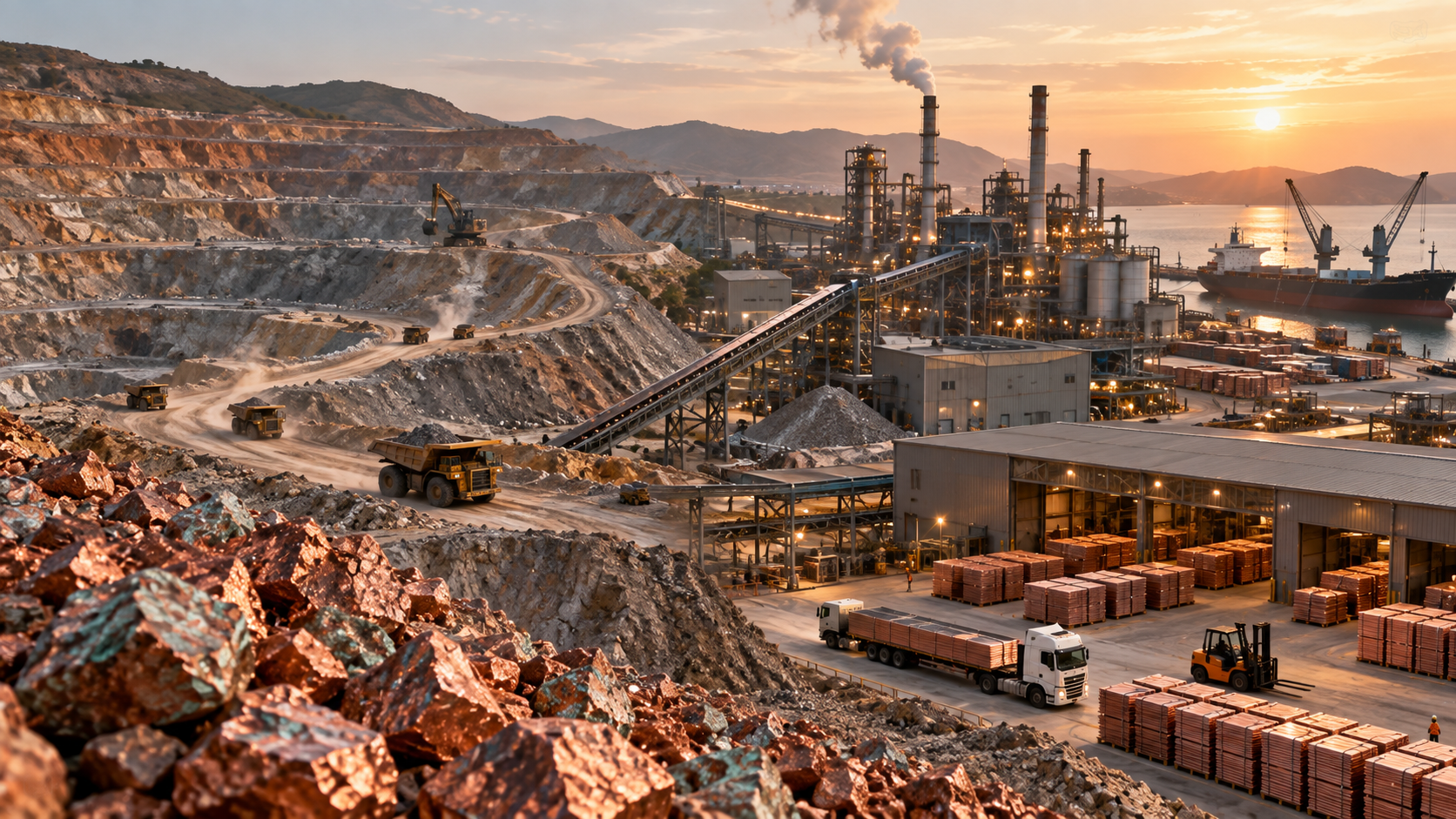
Mining Smelting Mismatch Drives Prices Higher
Key Highlights:
- LME copper reached a record USD 14,737 per tonne.
- Prices have risen nearly 50% over the past year.
- US tariff expectations are reshaping global copper inventories.
- Comex stocks surged to a record 675,000 tonnes.
- LME warehouse inventories have fallen to critically low levels.
- Copper treatment and refining charges dropped to around negative USD 1,300 per tonne.
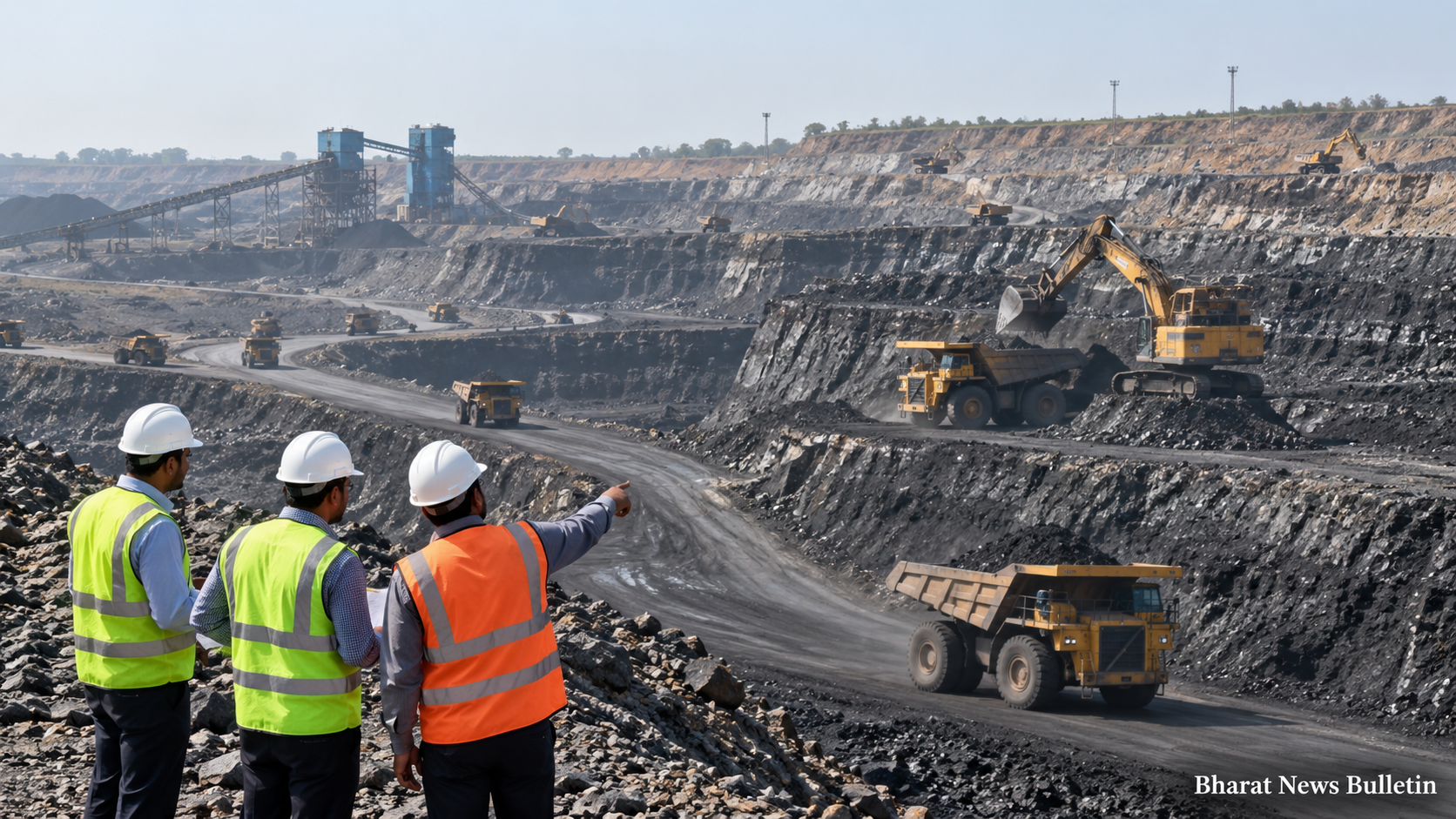
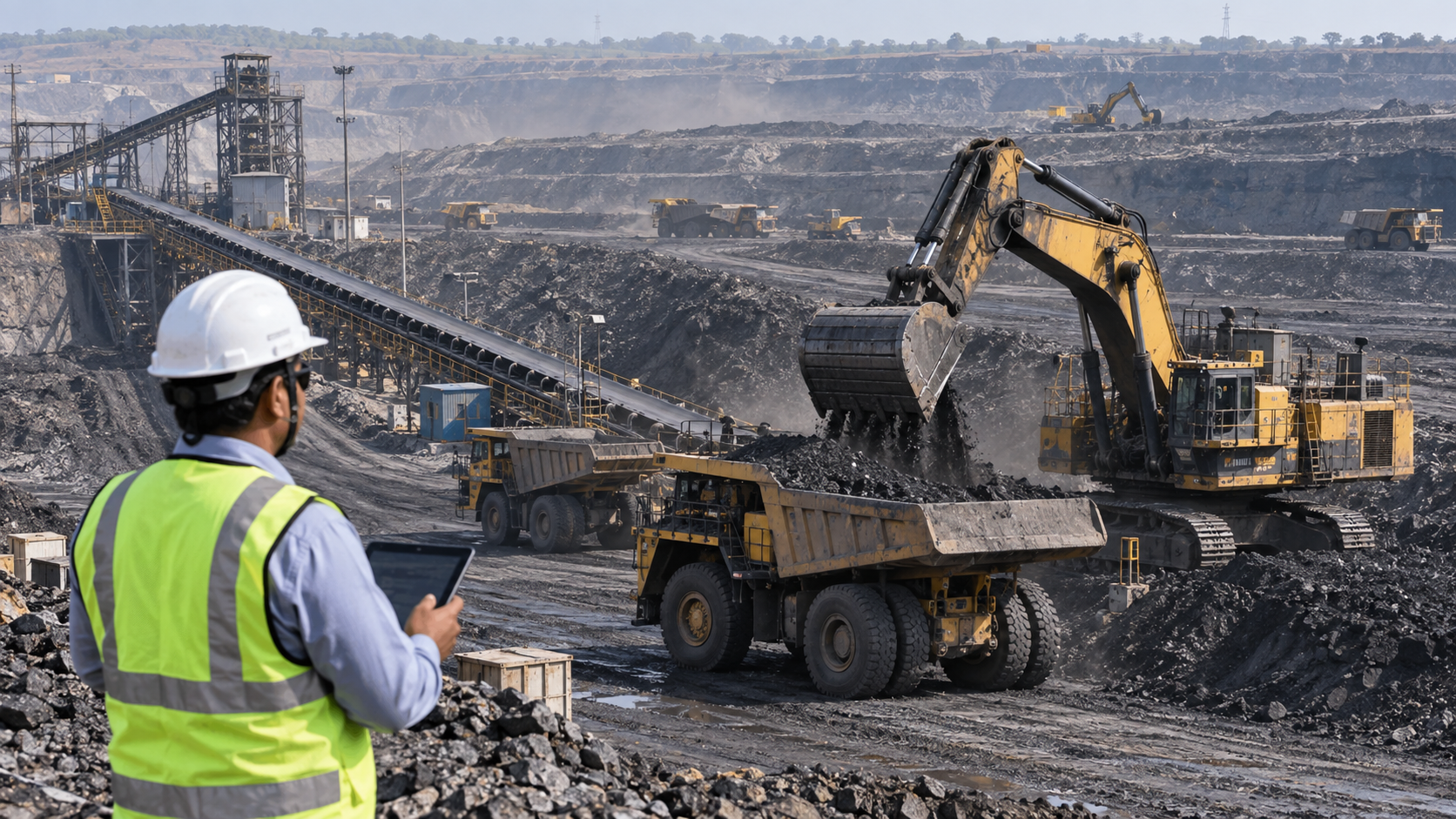
- Mining capacity is failing to keep pace with expanding smelting capacity.
New Delhi, Sep 10 — A growing mismatch between global copper mining and smelting capacity is intensifying supply pressures and contributing to record copper prices, the Indian Primary Copper Producers Association (IPCPA) said.
Copper prices on the London Metal Exchange touched a record USD 14,737 per tonne in September 2026, marking a nearly 50 per cent increase over the past year. Expectations of potential US tariffs, tighter mine supply and major shifts in global inventories have reshaped the market.
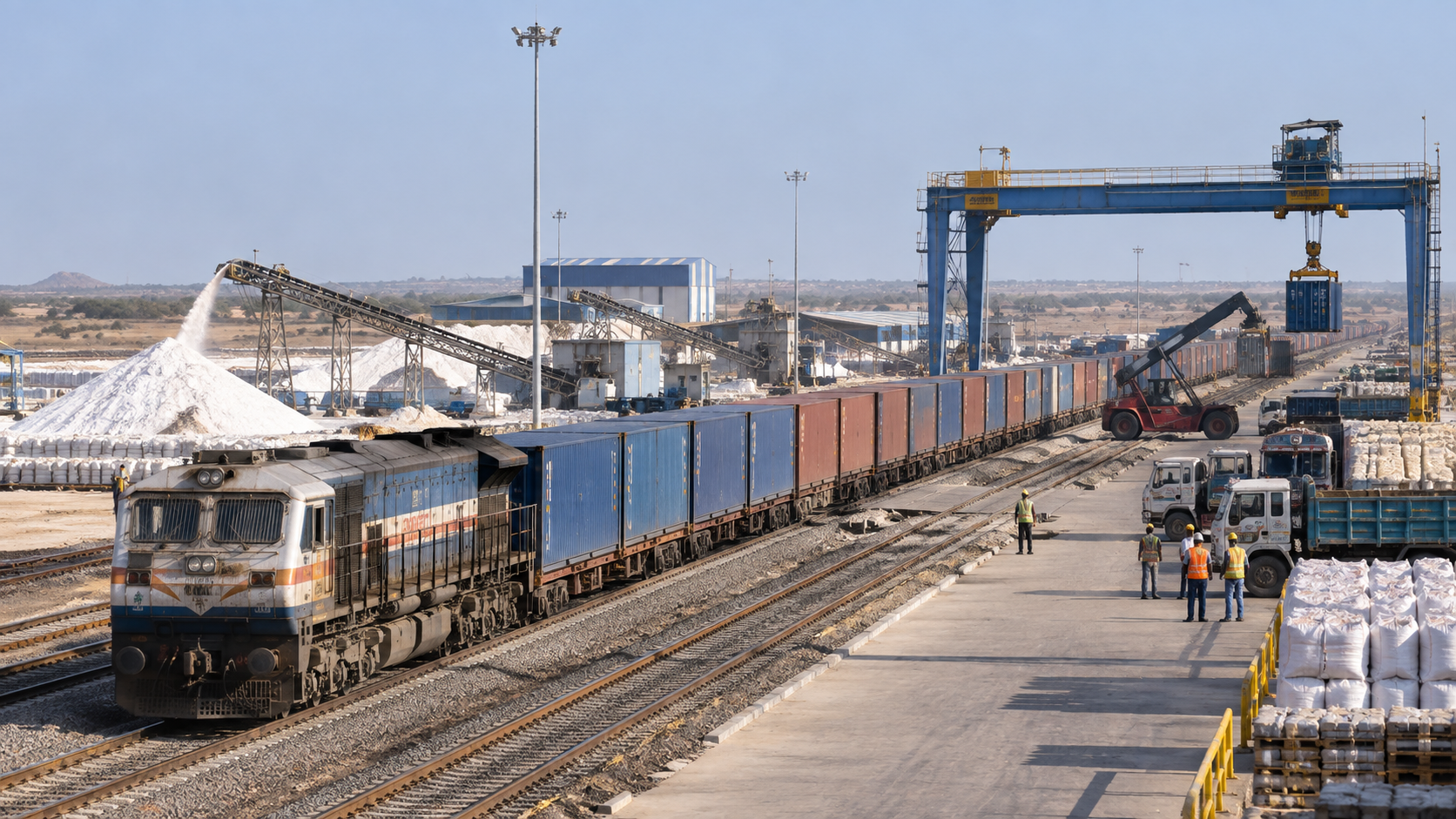
Hundreds of thousands of tonnes of copper have been shipped to the United States since the beginning of the year to benefit from the price premium between Comex and LME markets. The US Commerce Department’s report on potential copper import tariffs remains nearly two months overdue, but markets continue to price in the possibility of trade restrictions.
The tariff outlook has also triggered a major redistribution of copper inventories. Comex stocks have climbed to a record 675,000 tonnes, while LME warehouse inventories have dropped to critically low levels, tightening availability in other markets.
At the same time, global mine output has weakened slightly due to operational challenges at three to four major mines. China’s continued expansion of smelting capacity is adding further pressure to an already constrained supply of copper concentrates.
This imbalance is reflected in treatment and refining charges (TC/RCs), which have fallen to around negative USD 1,300 per tonne from positive levels of roughly USD 300–400 per tonne. The sharp decline indicates growing financial pressure on smelters as competition for copper concentrates intensifies.
According to IPCPA, the divergence between mining supply and smelting capacity represents a structural constraint rather than a temporary inventory imbalance. Copper’s importance is also increasing due to its use in power grids, electric vehicles, renewable energy, construction and other infrastructure linked to electrification.
The association said the developments highlight the need to address the structural gap between copper mining and processing capacity as global demand continues to rise. IPCPA represents leading Indian copper producers including Hindalco Industries, Hindustan Copper Limited, Adani Kutch Copper and Vedanta’s Sterlite Copper.