Deutsche Bank’s latest report ranks Delhi among the world’s most affordable cities for housing, internet and daily living, though salary levels remain among the lowest globally.
Key Highlights
- Delhi ranked among the world’s most affordable major cities in Deutsche Bank’s Mapping the World’s Prices 2026 report.
- Property prices in Delhi’s city centre remain among the lowest globally.
- Delhi offers the world’s cheapest broadband internet among 69 surveyed cities.
- A “cheap date” in Delhi costs around ₹9,920, the lowest among major global cities.
- Average monthly net salary in Delhi stands at about ₹51,800, among the lowest in the report.
- Property prices have declined 9.8% in dollar terms over the past decade.
- A three-bedroom apartment in the city centre rents for around ₹66,000 per month.
- Delhi did not feature among the top 50 cities in the global quality-of-life rankings.
News
Delhi has emerged as one of the world’s most affordable metropolitan cities for housing and everyday expenses, according to Deutsche Bank’s “Mapping the World’s Prices 2026” report. While residents benefit from comparatively lower property prices, internet costs and lifestyle expenses, the report also highlights that average salaries in the national capital remain among the lowest across major global cities.
The study compared 69 international cities across multiple parameters, including housing affordability, salaries, purchasing power, quality of life, consumer prices and living expenses.
One of the report’s most notable findings is that Delhi offers the cheapest broadband internet service globally, with an average monthly connection costing approximately $7.3 (around ₹703). This places the city ahead of every other location included in the survey for internet affordability.
Delhi also ranked as the world’s cheapest major city for a “cheap date.” According to the report, a typical outing—including dinner for two, cinema tickets, coffee, transport, clothing and other small expenses—costs around $103 (approximately ₹9,920). In comparison, Geneva topped the list as the most expensive city, where the same outing costs nearly $475.
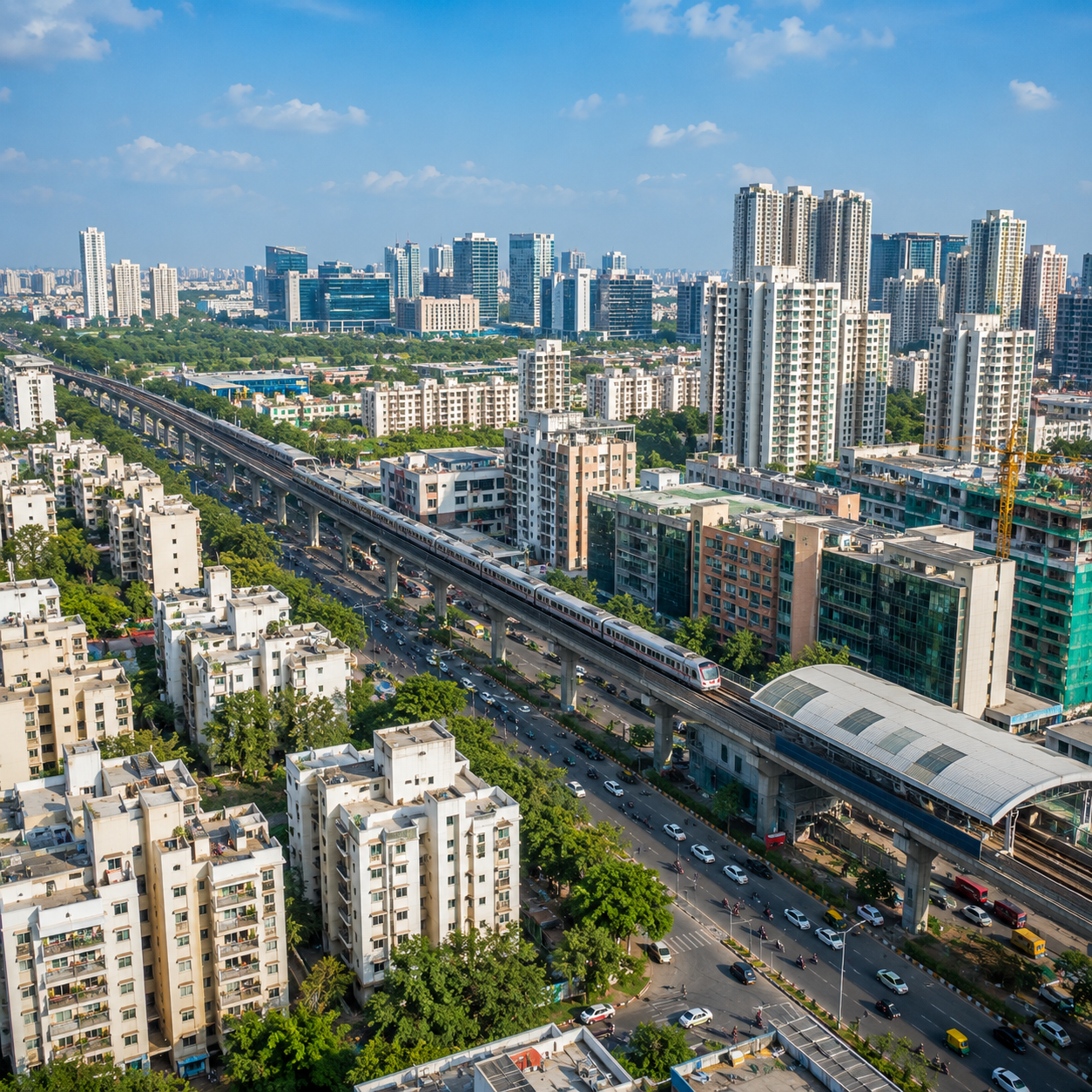
The capital also remains attractive for homebuyers by international standards. Property prices in Delhi’s city centre average around $2,465 per square metre (approximately ₹2.37 lakh), making it one of the least expensive property markets among the cities surveyed. The report noted that prices have fallen 9.8% in dollar terms over the past decade, although they have recovered 15.7% since 2019, reflecting a gradual rebound in the housing market.
Rental housing also remains comparatively affordable. A three-bedroom apartment in the city centre costs approximately $685 (around ₹66,000) per month, significantly lower than rental costs in major financial hubs such as New York, London, Zurich and Singapore.
However, the affordability comes with a trade-off. Delhi ranked 66th out of 69 cities for monthly net salaries, with average take-home earnings of approximately $538 (around ₹51,800). The report highlighted that salary levels have declined 17.7% in dollar terms over the past decade and remain only about 10% of average earnings in New York, underscoring the gap in purchasing power despite lower living costs.
The report also found Delhi to be among the cheapest cities for several daily consumer expenses. A regular cappuccino costs about ₹231, while gym memberships, branded clothing and restaurant dining remain significantly more affordable than in many developed economies. Petrol prices, however, were found to be nearly comparable with those in New York when measured in dollar terms.
Despite its affordability, Delhi did not secure a place among the top 50 cities in Deutsche Bank’s Quality of Life Index, which evaluates factors such as healthcare, safety, pollution, commuting time, climate, purchasing power and overall living standards.
Overall, the report presents Delhi as a city that offers relatively low living costs and affordable housing, making it attractive from a cost perspective. However, improving income levels, purchasing power and urban quality of life will remain critical for enhancing the city’s competitiveness among leading global metropolitan centres.