How biofuels are strengthening India’s energy backbone

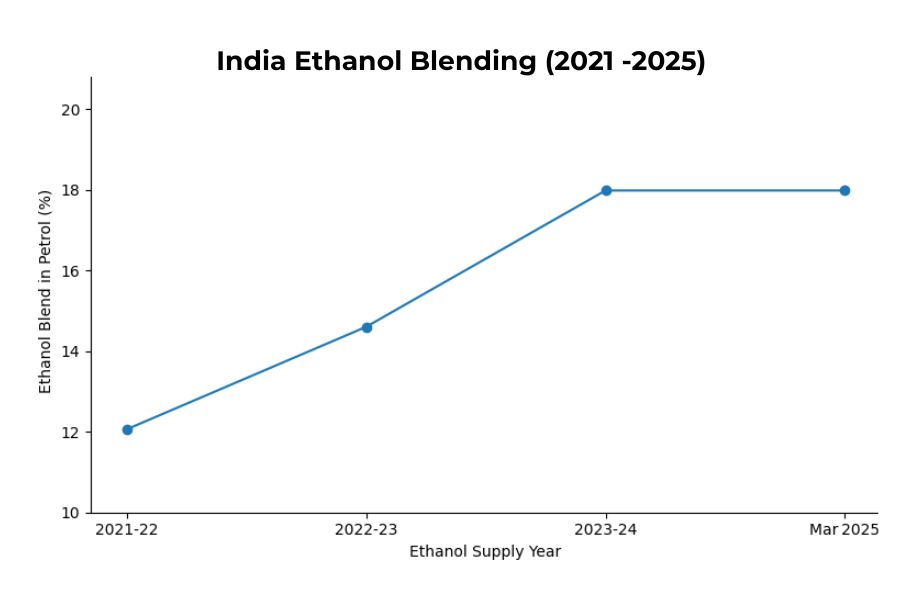
In a world grappling with climate change and energy security, India has emerged as a beacon of progress in the biofuel sector, close to achieving its ambitious 20% ethanol blending (E20) target five years ahead of the original 2030 deadline. This milestone, driven by a robust policy framework, strategic investments, and the country’s abundant biomass resources underscores India’s commitment to reducing reliance on imported crude oil, curbing greenhouse gas emissions, and empowering rural economies. As the world’s third-largest energy consumer, importing over 80% of its oil, India’s biofuel journey offers a compelling narrative of innovation, resilience, and leadership—offering valuable lessons for nations pursuing sustainable energy transitions.
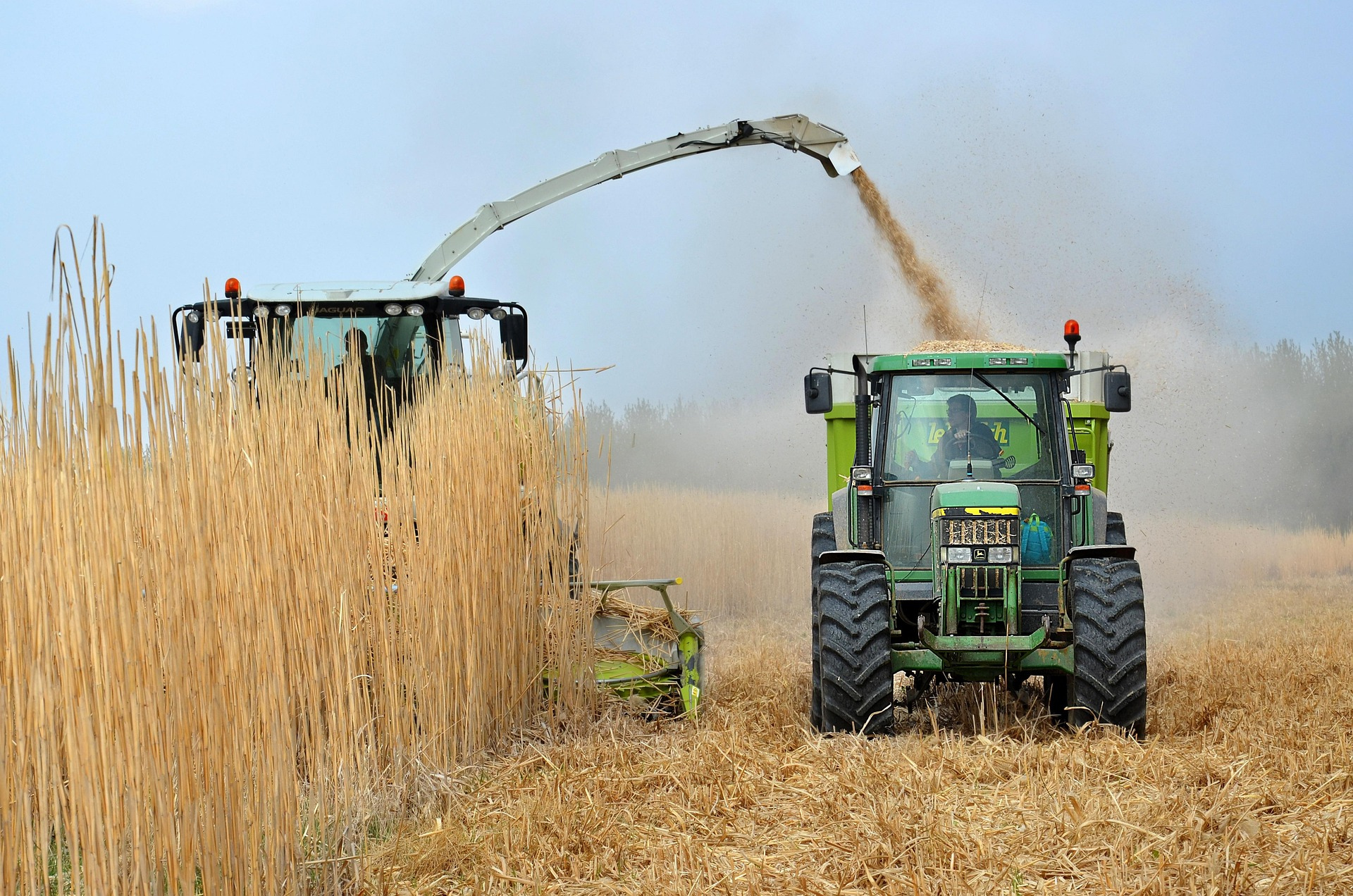
biofuel_Pixabay_TPCI

Image Source : Pixabay

India’s biofuel story began modestly in 2001, when pilot projects in Uttar Pradesh and Maharashtra experimented with 5% ethanol-blended petrol, paving the way for the formal launch of the Ethanol Blended Petrol (EBP) Programme in 2003. Initially designed to cut vehicular emissions, reduce oil imports, and support sugarcane farmers through molasses-based ethanol, the EBP faced considerable hurdles. Feedstock shortages, high state taxes, and interstate restrictions on molasses movement restricted blending to just 1.53% by 2013–14. Despite these early challenges, the program laid the foundation for India’s broader biofuel ambitions and marked a significant step in diversifying its energy mix.

A major milestone came in 2009 with the launch of the National Policy on Biofuels (NPB), which aimed for 20% blending of both ethanol and biodiesel by 2017. The policy emphasized first-generation (1G) biofuels from sugarcane and non-edible oilseeds like jatropha. However, its reliance on food-based feedstocks raised concerns about food security, and limited production capacity resulted in only 2% ethanol blending by 2017.

To unlock India’s biomass potential—estimated at 500 million metric tonnes annually—the government launched the National Bio-Energy Mission in 2012. This initiative broadened the focus to include biofuels, biogas, and biomass-based power, and prioritized second-generation (2G) biofuels derived from agricultural residues such as rice straw and wheat stubble. These residues, if used effectively, could reduce pollution from stubble burning and address food security concerns. While the mission encouraged public-private partnerships and investment in advanced biofuel technology, progress was hindered by high capital costs (₹100–150 crore per 2G plant) and logistical barriers in collecting widely dispersed biomass. Still, projects like the 2G ethanol plant in Haryana demonstrated scalable potential and set the stage for future expansion.

Scaling Success: Transformative Policies and Global Leadership

The National Policy on Biofuels 2018, adopted on May 16, 2018, marked a turning point. This revamped framework addressed the shortcomings of its predecessor by advancing the E20 blending target to 2030 (later revised to 2025–26), diversifying feedstocks to non-food sources, and offering robust financial incentives. The policy reduced GST on ethanol from 18% to 5%, streamlined procurement processes, and classified biofuels into basic (1G ethanol, biodiesel) and advanced (2G ethanol, bio-CNG) categories. By expanding the feedstock base to include maize, surplus rice, and agricultural waste, it leveraged India’s biomass wealth while easing food-versus-fuel concerns. Its emphasis on sustainability aligned with global energy trends and positioned India as a forward-looking player in the international biofuel space.
Source : PIB

In the same year, the government introduced the Sustainable Alternative Towards Affordable Transportation (SATAT) scheme to promote compressed biogas (CBG) from agricultural waste, cattle dung, and municipal solid waste. The program targeted 5,000 CBG plants by 2023–24 and offered long-term offtake agreements with oil marketing companies (OMCs) and capital support (₹20–30 crore per plant). By 2024, more than 100 plants were operational, with around 1,200 in various stages of development—contributing to rural incomes and waste management. Similarly, the GOBARdhan scheme, launched under the Swachh Bharat Mission in 2018, sought to convert organic waste into biogas and bio-CNG. With over 600 functional projects by 2024, it supported rural sanitation, soil health, and the principles of a circular economy—all while complementing the EBP.

The Pradhan Mantri JI-VAN Yojana, launched in 2019, provided ₹1,969.5 crore in viability gap funding to support the production of 2G ethanol from lignocellulosic biomass. Targeting 12 commercial and 10 demonstration plants, the scheme aimed to reduce India’s dependency on water-intensive 1G feedstocks like sugarcane, which consumes approximately 2,860 liters of water per liter of ethanol. Although only one commercial plant has become fully operational, JI-VAN represents a strategic shift toward more sustainable feedstocks—essential for long-term environmental gains.

India’s leadership in the Global Biofuels Alliance (GBA), launched during its G20 presidency in 2023, has further cemented its global role. With 28 member countries and 12 international organizations, the GBA promotes technology transfer, trade collaboration, and sustainability. It supports pilot projects on second-generation ethanol and sustainable aviation fuel (SAF). India’s proposed SAF blending targets—1% by 2027 and 2% by 2028 for international flights—will require an estimated 100 million liters annually, likely sourced from residue oils. While this enhances India’s global influence, critics caution that continued reliance on 1G feedstocks could risk food-energy trade-offs.

Several government interventions have underpinned India’s biofuel success. Since 2014, simplified licensing for ethanol producers, excise duty waivers, low-interest loans, and subsidies for biodiesel production from non-edible oils have created an enabling ecosystem. GST exemptions for biofuel raw materials and carbon credits for emissions reductions further reduced costs. The Ministry of New and Renewable Energy’s updated National Bio-Energy Programme in 2025 offers incentives for biofuel equipment manufacturers and promotes public-private partnerships in advanced biofuels. Meanwhile, automobile manufacturers, supported by government directives, rolled out E20-compatible vehicles by April 2025—ensuring demand-side readiness.

Future horizons for India’s biofuel ambitions

Despite this triumph, challenges persist. Heavy dependence on 1G feedstocks such as sugarcane and grains could worsen land and water stress. An additional 6.26 million hectares of land and 400 billion liters of water are estimated to be needed to sustain ethanol production—posing risks in drought-prone areas. A 2023 report by the FAO cautioned that expanding biofuel production may strain global food supply chains and drive up prices, particularly for vulnerable populations. Lifecycle emissions from land-use changes and nitrogen fertilizers could also offset tailpipe emission benefits, as highlighted by the Observer Research Foundation. Moreover, high 2G biofuel production costs and inadequate biomass logistics have slowed its adoption. Only 14 states have streamlined interstate ethanol movement, and competition from the liquor industry continues to impact supply availability. The cost and technical complexity of retrofitting 212.7 million vehicles for E20 compliance, along with 6–7% fuel efficiency losses in older engines, present additional barriers.

The biodiesel segment remains far behind, with blending levels below 0.5% despite diesel’s 70% share in India’s transport fuel use. SATAT and GOBARdhan face hurdles in feedstock consistency and rural awareness, with only 2% of planned CBG plants fully operational. The 2023–24 El Niño led to reduced sugarcane yields, and restrictions on rice use from the Food Corporation of India also disrupted ethanol output—highlighting vulnerabilities in feedstock supply.

Looking forward, India’s proposed 30% ethanol blending target by 2030 will require approximately 1,700 crore liters of ethanol at 80% plant efficiency. This calls for a decisive shift toward 2G and third-generation (3G) biofuels, such as algae-based fuels. To achieve this, investments in biomass aggregation infrastructure, R&D for cost-effective 2G technologies, and seamless ethanol transport networks are essential. The National Green Hydrogen Mission, launched in 2023, complements biofuels by promoting renewable energy integration, although its high costs (₹300–400/kg) pose funding challenges. NITI Aayog has proposed integrating biofuels with the electric vehicle ecosystem—a strategy that could balance India’s diverse energy needs.

India’s E20 milestone is a testament to visionary policymaking, robust execution, and cooperative federalism. The achievement has saved ₹2.27 lakh crore in crude import bills, reduced 544 lakh metric tonnes of CO2, and paid ₹1.86 lakh crore to farmers—empowering rural India. By addressing its sustainability gaps, scaling up 2G and 3G biofuels, and leveraging the GBA platform, India is well-poised to become a global leader in sustainable transportation—navigating the food-fuel-water nexus with foresight and innovation.

Previous Post
Next Post

Most Recent Posts

  • All Post
  • 8th Pay Commission
  • Aadhar
  • Aditya Birla Capital
  • Advertising Standards
  • Affordable Housing
  • Agriculture
  • Agriculture & Food
  • AI in Healthcare
  • AI Technology
  • Airlines
  • alcohol industry
  • Android
  • APEDA
  • Apple
  • Artificial Intelligence
  • Ashwini Vaishnaw
  • Asset Management
  • Atmanirbhar Bharat
  • Audio Devices
  • Audio Products
  • Auto Industry
  • Automobile
  • Automobiles
  • Automotive
  • Automotive Industry
  • Aviation
  • Bain Healthcare Report 2026
  • Bank
  • Banking
  • Banking Technology
  • Battery Industry
  • Beverage Industry
  • Beverages
  • Bihar
  • biotechnology
  • Bitcoin
  • BMW Group India
  • Brand Insight
  • BRICS
  • Bullion Market
  • Business
  • Business & Economy
  • Business & Trade
  • Business Leadership Post COVID-19
  • Business News
  • Business Terminology
  • Business Utilities
  • Buyback
  • Capital Goods
  • Capital Markets
  • CarsBusiness
  • CBIC
  • CCI
  • Child Investment
  • China
  • China technology news
  • Citizen Services
  • Clean Energy
  • Clean Technology
  • Cloud Computing
  • coal
  • Commerce
  • Commerce and Industry
  • Commercial Real Estate
  • Commercial Vehicles
  • Commodities
  • Communications
  • Companies
  • Competition Law
  • Compliance
  • Computer Accessories
  • connected cars
  • Consumer Affairs
  • Consumer Electronics
  • Consumer Finance
  • Consumer Goods
  • Consumer Health
  • Consumer Markets
  • Consumer News
  • Consumer Protection,
  • Consumer Rights
  • Consumer Spending
  • Consumer Trends
  • Content Creation
  • Copper
  • Corporate
  • corporate affairs
  • Corporate Earnings
  • Corporate Governance
  • Corporate News
  • Corporate Social Responsibility
  • Cost of Living
  • Country
  • CRED
  • Credit Cards
  • CREDIT RATING
  • Crude Oil
  • Cryptocurrency
  • CSR
  • Culture
  • Currency
  • Customs Duty
  • Cyber Security
  • Cybersecurity
  • Dairy Industry
  • Data & Analytics
  • Defence
  • Delhi Government
  • Delhi-NCR
  • Demographics
  • Derivatives
  • DGCA
  • DGFT
  • DigiLocker
  • Digital Assets
  • Digital Economy
  • Digital Health India
  • Digital Identity
  • Digital India
  • Digital Infrastructure
  • Digital passport for robots
  • Digital Payments
  • Digital Platforms
  • digital services
  • Diplomacy
  • Dixon Technologies
  • DPIIT
  • E Commerce
  • E-commerce
  • E-Governance
  • Ease of Doing Business
  • Economic Growth
  • Economy
  • Edible Oil Industry
  • Editor Choice
  • EdTech
  • Education
  • Electric Mobility
  • Electric Vehicles
  • Electronics
  • Employment
  • ENERGY
  • Engineering
  • Entertainment
  • Environment
  • EPFO
  • Ethanol Economy
  • EV Industry
  • EV Technology
  • Exports
  • EXTER
  • Farmers
  • Fashion
  • FINANCE
  • Finance Ministry,
  • Financial Marketing
  • Financial Markets
  • Financial News
  • Financial Planning
  • Financial Results
  • Financial Services
  • Fintech
  • FnTech
  • Food & Beverage
  • Food & Beverages
  • Food Exports
  • Food Industry
  • Food Manufacturing
  • Food Processing
  • Food Regulations
  • food safety
  • Foreign Exchange
  • Foreign Investment
  • Foreign Policy
  • Foreign Trade
  • Forex Reserves
  • fssai
  • FTA
  • Fuel
  • Fuel Prices
  • Future Energy
  • Gadgets
  • Gadgets & Apps
  • Gaming
  • GDP
  • Generative AI Healthcare
  • Geopolitics
  • GI Products
  • Global Brand Alliance
  • Global Economy
  • Global Markets
  • Global Politics
  • Global Tech
  • Global Trade Policy
  • Global Trends\
  • Gold
  • Gold Market
  • Gold Prices
  • Gols & Silver
  • Government
  • Government & Policy
  • Government Affairs
  • Government Bonds
  • Government Data
  • Government Initiatives
  • Government Policy
  • Government Policy & Regulation
  • Government Scheme
  • Government Schemes
  • Government Services
  • Green Energy
  • Green Mobility
  • GroupGlobal
  • GST
  • GST Council
  • GST Counsil
  • Hair Care
  • Hardware
  • Hatchback Segment
  • Health Supplements,
  • Horticulture
  • Housing
  • HSBC
  • Human Resources
  • humanoid robot market
  • Hyundai
  • IBT Infographics
  • iinvestment
  • Imports & Exports
  • Income Tax
  • India
  • India Auto Market
  • India Business News
  • India Inc
  • India News
  • India Retail
  • India-Canada Relations
  • India-China
  • India-Japan Relations
  • India-Russia Relations
  • India-South Korea Relations
  • India-US Relations
  • Indian Economy
  • Indian Navy
  • Industrial Pollution
  • Inflation
  • Infra
  • Infrastructure
  • Innovation
  • Instagram
  • Insurance
  • international
  • International Affairs
  • International Cooperation
  • International Relations
  • International Trade
  • Internet & Connectivity
  • Internet Policy
  • Internet Regulation
  • Interview
  • Investing
  • Investment News
  • Investments
  • iPhone News
  • IPO
  • IT Industry
  • Jewellery
  • Jio Platforms
  • JioBlackRock
  • Jobs & Careers
  • Joint Ventures
  • Kim Kardashian
  • Labour
  • Latest
  • Launches
  • Leadership
  • Leaderspeak
  • Lending
  • Lifestyle
  • Lifestyle Tech
  • List
  • Loans & Credit
  • Local News
  • Logistics
  • LPG
  • Luxury Cars
  • Machinery
  • Macroeconomics
  • Macroeconomy
  • maharashtra
  • Maharashtra News
  • Make in India
  • Makhana
  • Manufacturing
  • Market Outlook
  • Markets
  • Maruti Suzuki
  • Mergers & Acquisitions
  • Meta
  • Microsoft
  • Middle East
  • Mobile Apps
  • Mobile Industry
  • Mobile Launch
  • Mobility
  • Monetary Policy
  • Monsoon
  • MoSPI
  • MSME
  • Mutual Funds
  • Nano Tech
  • National
  • National news
  • NEET 2026
  • NewsElectric
  • NewsTata
  • NPCI
  • NPS Vatsalya
  • Office Market
  • Oil & Gas
  • Oil and Gas
  • Others
  • OTT
  • Packaged Drinking Water
  • Packaged Foods
  • Packaging Industry
  • Packaging Innovation
  • Passenger Vehicles
  • Paytm
  • Pension & Retirement
  • Pensions
  • Personal Care
  • Personal Finance
  • Perspectives
  • Petroleum
  • PFRDA
  • Pharmaceuticals
  • PM Modi
  • PMAY-G
  • PMAY-U
  • PMAY,
  • PMI
  • policy
  • Population
  • PORTS
  • Positive News
  • PPF
  • Precious Metals
  • Pricing
  • Product Labeling
  • Product Labelling
  • Product Launch
  • Property Market
  • PSU
  • PSU Banks
  • Public Health
  • Public Policy
  • Public Safety
  • Public Sector
  • Public Services
  • Public Welfare
  • Quarterly Results
  • Railways
  • Rajasthan
  • Raksha Bandhan
  • Raksha Bandhan Gifts
  • Rare Earths
  • RBI
  • Real Estate & Realty Sector
  • Recycling
  • Regulation
  • Regulatory Action
  • Regulatory Affairs
  • Regulatory Updates
  • REIT
  • Reliance Industries
  • Renewable Energy
  • RERA
  • Research
  • Retail
  • Retirement Planning
  • Road Infrastructure
  • Robotics & Automation
  • robotics standards
  • Rupee
  • Rural Development
  • Rural Housing
  • SAIL
  • Salaries
  • Samsung
  • Savings
  • Science & Technology
  • Sebi
  • Security
  • Semiconductor
  • Services Sector,
  • SHIPPING
  • Silver Prices
  • Skill Development
  • Skills Development
  • Small Business
  • Smart Devices
  • Smart Home
  • Smart Mobility
  • Smartphones
  • Social Impact
  • Social Media
  • Society
  • Software Development
  • Solar Energy
  • Space Technology
  • Startups
  • Statistics
  • Steel Industry
  • Stock Market
  • stocks
  • streaming
  • Sugar Industry
  • Sukanya Samriddhi Yojana
  • Sustainability
  • SUV
  • Tamil Nadu Pollution Board
  • Tariffs
  • Tariffs & Duties
  • Tata Group
  • Tata Motors
  • Tata Sons
  • Tax Planning
  • Taxation
  • Tech
  • Tech Branding
  • Technology
  • Telecom & Technology
  • Telecom Industry
  • Top Story
  • Tourism
  • Trade
  • Trade Agreement
  • Trade Basket
  • Trade Partner
  • Trade Policy,
  • Transportation
  • Travel
  • Trending
  • Two-Wheelers
  • UIDAI
  • UPI
  • Urban Development
  • US-Iran Conflict Economic Impact
  • US–India Relations
  • Uttar Pradesh
  • VehiclesLuxury
  • vivo
  • Wastewater Management
  • Water Quality,
  • Wealth Management
  • Wearables
  • Wellness
  • WhatsApp
  • Wheat
  • Workplace
  • World
  • World News
  • Worldview
  • Yamaha
  • zLead Slider
    •   Back
    • Healthcare
    • Auto
    • Fmcg
    • Hospitality
    •   Back
    • Cash Crop
    • Organic
    • New Era Agri
    • Processed Food
    •   Back
    • Construction
    • Power
    • Mining
    • Telecom
    •   Back
    • ENERGY
    •   Back
    • Export/Import
    • Trade Deal
    • Trade Fair
    •   Back
    • Policies
    • Industry
    • Finance
    •   Back
    • Others technology
    • Mobile phone
    • Gadgets
    •   Back
    • Manufacturing
    • Services
    • Startup

India Business & Trade is a national media platform decoding the ideas, decisions and shifts shaping India’s growth story—across plicy, business, global commerce and a rapidly evolving marketplace.

Reach Us

India Business & Trade
M-62, Saket, New Delhi-110064, India

Subscribe To Newsletter

Stay ahead in the dynamic world of trade and commerce with India Business & Trade’s weekly newsletter.

Copyright © 2026 India Business & Trade. All Rights Reserved


Fatal error: Uncaught TypeError: Unsupported operand types: string * int in /var/www/sites/indiabusinesstrade.in/wp-content/plugins/royal-elementor-addons/admin/includes/wpr-templates-modal-popups.php:192 Stack trace: #0 /var/www/sites/indiabusinesstrade.in/wp-content/plugins/royal-elementor-addons/admin/includes/wpr-templates-modal-popups.php(128): WprAddons\Admin\Includes\WPR_Templates_Modal_Popups::get_template_settings() #1 /var/www/sites/indiabusinesstrade.in/wp-content/plugins/royal-elementor-addons/admin/includes/wpr-templates-modal-popups.php(106): WprAddons\Admin\Includes\WPR_Templates_Modal_Popups::render_popup_content() #2 /var/www/sites/indiabusinesstrade.in/wp-content/plugins/royal-elementor-addons/admin/includes/wpr-templates-modal-popups.php(64): WprAddons\Admin\Includes\WPR_Templates_Modal_Popups::display_popups_by_location() #3 /var/www/sites/indiabusinesstrade.in/wp-includes/class-wp-hook.php(341): WprAddons\Admin\Includes\WPR_Templates_Modal_Popups->render_popups() #4 /var/www/sites/indiabusinesstrade.in/wp-includes/class-wp-hook.php(365): WP_Hook->apply_filters() #5 /var/www/sites/indiabusinesstrade.in/wp-includes/plugin.php(522): WP_Hook->do_action() #6 /var/www/sites/indiabusinesstrade.in/wp-includes/general-template.php(3224): do_action() #7 /var/www/sites/indiabusinesstrade.in/wp-content/plugins/royal-elementor-addons/admin/templates/wpr-canvas.php(64): wp_footer() #8 /var/www/sites/indiabusinesstrade.in/wp-includes/template-loader.php(132): include('...') #9 /var/www/sites/indiabusinesstrade.in/wp-blog-header.php(19): require_once('...') #10 /var/www/sites/indiabusinesstrade.in/index.php(17): require('...') #11 {main} thrown in /var/www/sites/indiabusinesstrade.in/wp-content/plugins/royal-elementor-addons/admin/includes/wpr-templates-modal-popups.php on line 192