Alternative-Fuel Vehicle Demand Surges as Supply Struggles to Keep Pace
Key Highlights
- Mahindra XEV 9S faces waiting periods of up to six months.
- Tata Punch EV and Tiago EV variants have waiting periods of 18–24 weeks.
- TVS Motor’s iQube electric scooter has a waiting period of four to five months.
- Maruti Suzuki Brezza bookings indicate waiting periods of around two months.
- EV and CNG enquiries have risen sharply ahead of the festival season.
- Cheaper EV variants are seeing the longest queues because of strong demand.
- E20-related concerns are encouraging some consumers to consider newer EV and alternative-powertrain vehicles.
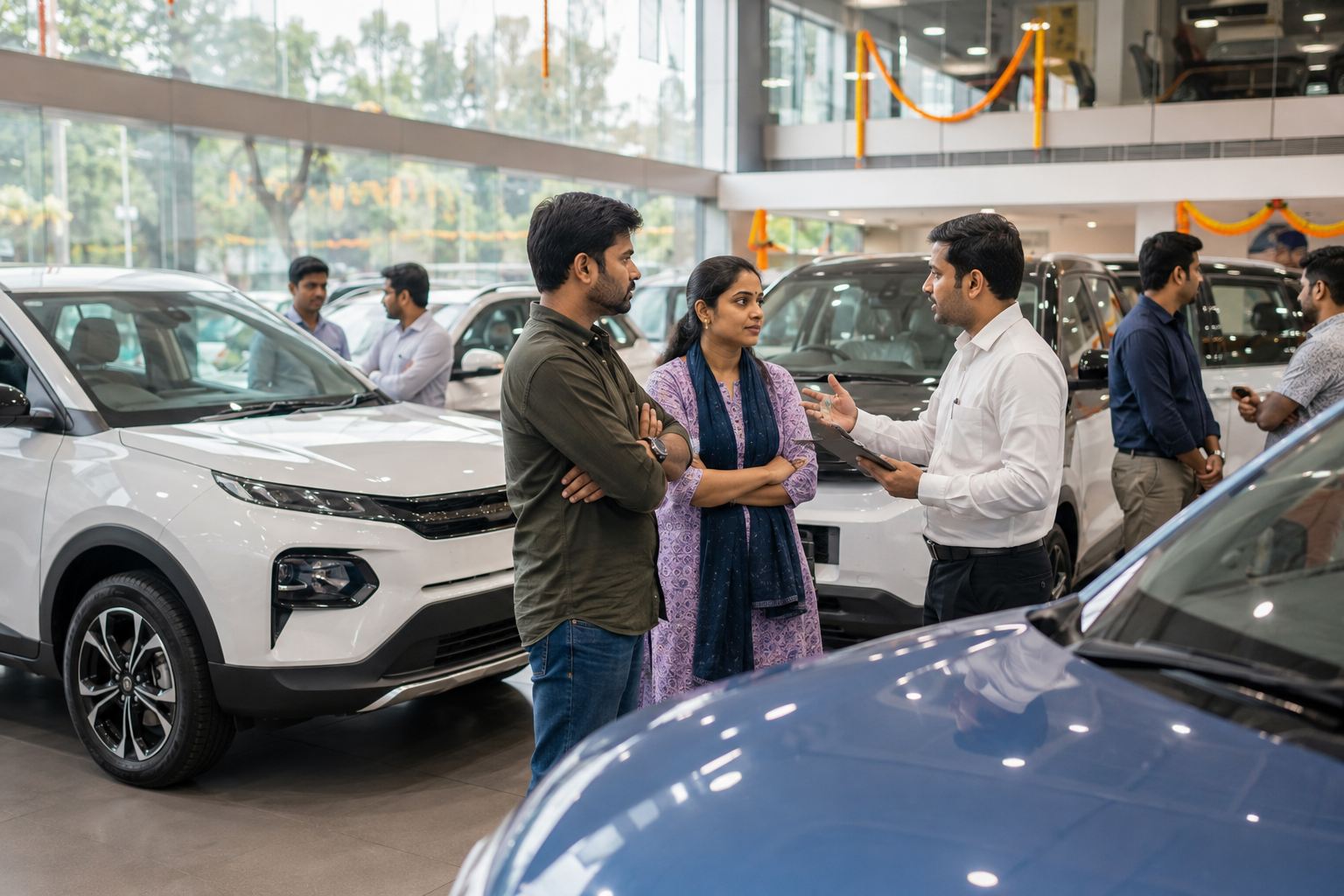
Demand for electric vehicles and CNG-powered cars is gaining momentum ahead of India’s crucial festival season, but manufacturers and dealers are struggling to keep popular variants readily available. Waiting periods for some electric and alternative-fuel vehicles have stretched to as much as six months, highlighting a growing mismatch between consumer demand and supply.
According to the newspaper report, Mahindra’s XEV 9S is facing a waiting period of up to six months, while selected variants of Tata Punch EV and Tata Tiago EV are carrying waiting periods of around 18 to 24 weeks. TVS Motor’s iQube electric scooter is also seeing customers wait between four and five months for deliveries.
Maruti Suzuki’s Brezza, particularly its turbo-petrol and CNG variants, is averaging around two months of waiting. These delays are becoming increasingly significant as consumers begin making purchases ahead of major festivals, when automobile sales traditionally receive a substantial boost.
Dealers are reportedly carrying around four weeks of passenger-vehicle inventory and four to five weeks of two-wheeler stock. However, the availability of specific variants remains uneven. While some models are readily available, popular configurations continue to face supply constraints.
The report cited an August channel check by YES Securities, which found that enquiries and bookings for alternative-powertrain vehicles had increased substantially. Enquiries for electric and CNG vehicles were reported to have risen by more than 30%, more than twice the growth recorded for conventional internal-combustion-engine vehicles.
Industry observers attributed part of the increase to new product launches as well as consumer concerns surrounding E20 fuel. The transition toward petrol containing up to 20% ethanol has raised questions among some motorists about the compatibility and long-term impact of higher ethanol blends on older petrol vehicles.
This concern appears to be influencing purchasing decisions, particularly among customers considering whether to retain an older petrol vehicle or move toward an electric, CNG or newer E20-compatible model.
The shortage is particularly pronounced at the more affordable end of the EV market. Punch EV and Tiago EV variants are reportedly facing waiting periods of several months, while higher-priced versions may be available sooner. This suggests that consumers remain highly sensitive to upfront prices even as interest in electric mobility expands.
The report noted that Punch EV variants face waiting periods of approximately 18–24 weeks, while the Sierra EV Pure variant has a waiting period of around 12–15 weeks. Buyers prepared to spend more on higher variants may therefore be able to secure vehicles earlier.
The trend is also visible in the two-wheeler market. Demand for electric scooters has increased, with iQube facing a waiting period of four to five months in some markets. Dealers have reportedly seen electric two-wheeler enquiries rise substantially compared with conventional models.
At the same time, concerns surrounding E20 remain concentrated among owners of older petrol vehicles. Experts cited in the report suggested that owners should evaluate the condition and remaining service life of their vehicles before deciding whether replacement is economically justified.
For consumers with older vehicles nearing the end of their useful life, an E20-compatible petrol vehicle or an EV could represent a more practical replacement. However, factors such as purchase price, charging infrastructure, battery-related concerns, running costs and availability of service facilities continue to influence the decision.
The supply-demand mismatch is also becoming visible in Maharashtra, where electric two-wheeler enquiries have reportedly increased by around 30–40%, compared with growth of roughly 10–12% for the broader market. The TVS iQube continues to face a waiting period of approximately four to five months.
The situation comes just ahead of one of the busiest periods for India’s automobile industry. Festival demand traditionally drives a significant increase in vehicle purchases, and the upcoming period includes major occasions such as Ganesh Chaturthi, Navratri, Dhanteras and Diwali.
Passenger-vehicle sales in Kerala have already recorded strong growth, with demand reportedly rising by more than 20% year-on-year. The trend indicates that consumers are bringing forward purchase decisions as they seek to secure preferred models before festival demand intensifies further.
For automakers, the immediate challenge will be to increase production and improve variant availability without creating excess inventory. For consumers, longer waiting periods could encourage some buyers to switch to alternative models or higher variants that are available sooner.
The developments underline a broader transformation in India’s automobile market. Electric and CNG vehicles are moving increasingly into mainstream consumer consideration, while E20 adoption is adding another factor to vehicle-buying decisions. With festival demand approaching, the ability of manufacturers to match production with changing consumer preferences will be critical to determining automobile sales in the coming months.