Factory reset: China’s viral rebellion against tariffs

Facing soaring U.S. tariffs and sidelined in the global narrative, Chinese manufacturers are fighting back—not with lawyers or lobbyists, but with livestreams and viral videos. In a bold digital pivot, factories are exposing the real cost of luxury, selling directly to consumers, and even eyeing India as a strategic backdoor to the American market. This isn’t just a tariff workaround—it’s a reshaping of global trade, brand power, and consumer trust, one viral post at a time.

tariff war - tpci

Facing mounting U.S. tariffs and a fractured global supply chain, Chinese manufacturers are responding with viral defiance. As the United States increases tariffs on Chinese goods, some as high as 145%, Chinese factories are finding new ways to respond and with this unique retaliation, a new front in the trade war is emerging. Instead of moving their operations or taking a financial hit, some factory owners are opening their doors and turning on their cameras.

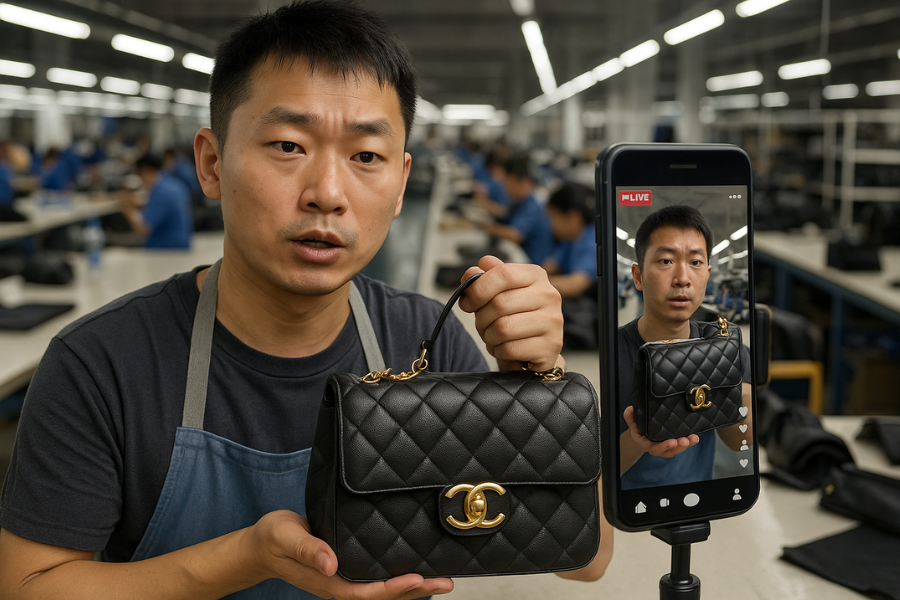
At first, it started with casual jibes. Some Chinese users posted funny videos showing slow, overweight American factory workers eating fast food. These clips made fun of Western work and eating habits. But things have quickly taken a more serious turn. Now, factory owners in China have taken to social media to expose how luxury products are really made and what they actually cost. They’re showing how handbags, shoes, and electronics are made, sourced and have exposed the real cost of the products.

They are no longer just suppliers. They’re becoming marketers, salespeople, and even influencers urging consumers to buy from them, cutting out the big brands and the middlemen therefore significantly cutting down the price for the same product. 

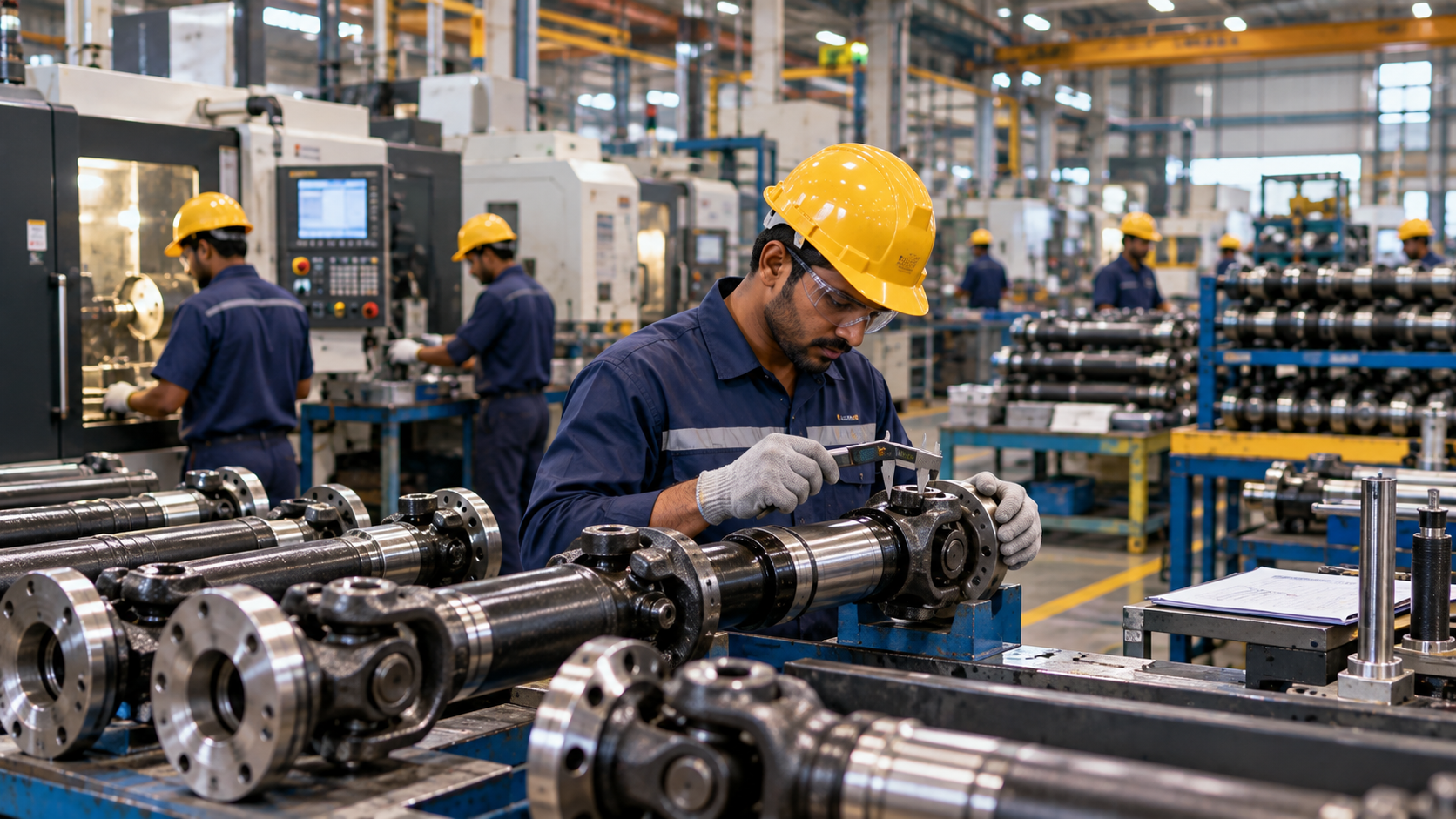
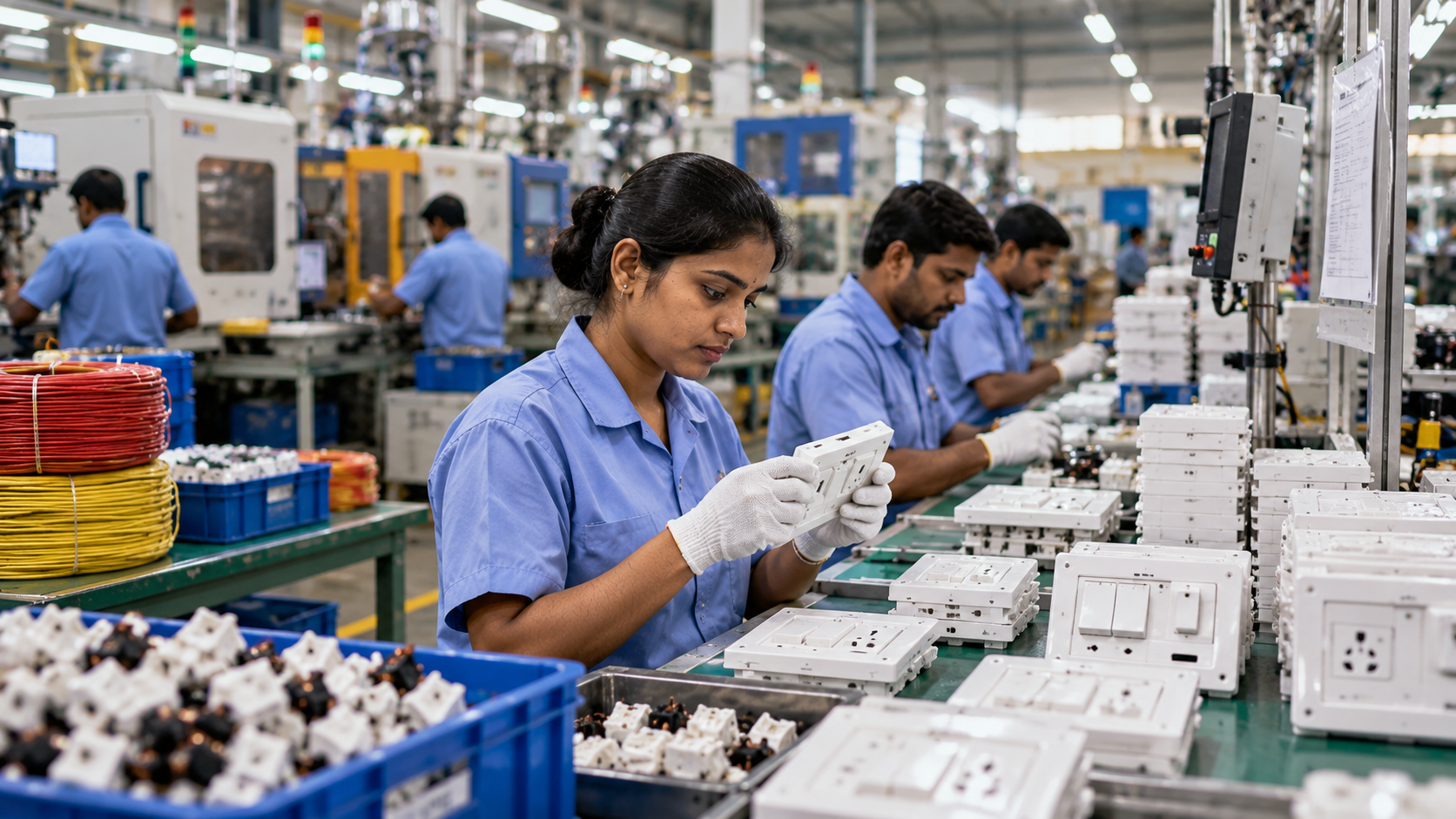
This shift comes at a time when trade tensions are high. The U.S. says these new tariffs are meant to protect American jobs and industries. But the impact has been hard on Chinese manufacturers, especially those who quietly made products for famous luxury brands. Many of these factories worked behind the scenes, earning only a small share while the global brands made huge profits.

One video, shared by CNN, shows a Chinese factory worker explaining how a designer-style handbag is made for just US$ 30—but sells for nearly US$ 2,000 in stores. His message is clear: people aren’t paying for better materials or better craftsmanship—they’re paying for a brand name. More and more of these videos are going viral. And people are listening.

A report by the Times of India looked at claims that some luxury brands, like Gucci and Louis Vuitton, get most of their bags made in China. The bags are then sent to Europe for minor finishing touches so they can legally use the “Made in Italy” label. Whether or not all the claims are true, the story has hit a nerve. Chinese factories are tired of building luxury products and seeing others take the credit and the profits.

Now, these same factories are fighting back. They’re naming the brands they used to work for and offering similar products directly to buyers. The prices are much lower, but the quality, they say, is the same. The factories are turning transparency into a business strategy. They’re telling customers: “We make the same products. We’ll sell them to you directly, for less.”

This new approach could change how global retail works. For years, big brands controlled the story. They decided how much things cost and where they were sold. But TikTok is giving the factories a voice. And with livestream shopping already huge in China, this model is spreading fast.

Some experts even suggest that Chinese manufacturers might start working with Indian companies to get around U.S. tariffs. India has normal trade relations with the U.S., so its goods face much lower import taxes. If Chinese companies send parts to India for final assembly, the finished products might qualify as “Made in India” and enter the U.S. at lower costs. It’s complicated, but possible.

For now, the real shift is happening online. Chinese factories are using social media to tell their side of the story. They’re showing how much things really cost to make, how luxury brands set their prices, and why consumers are overpaying.

A backdoor to the U.S. market
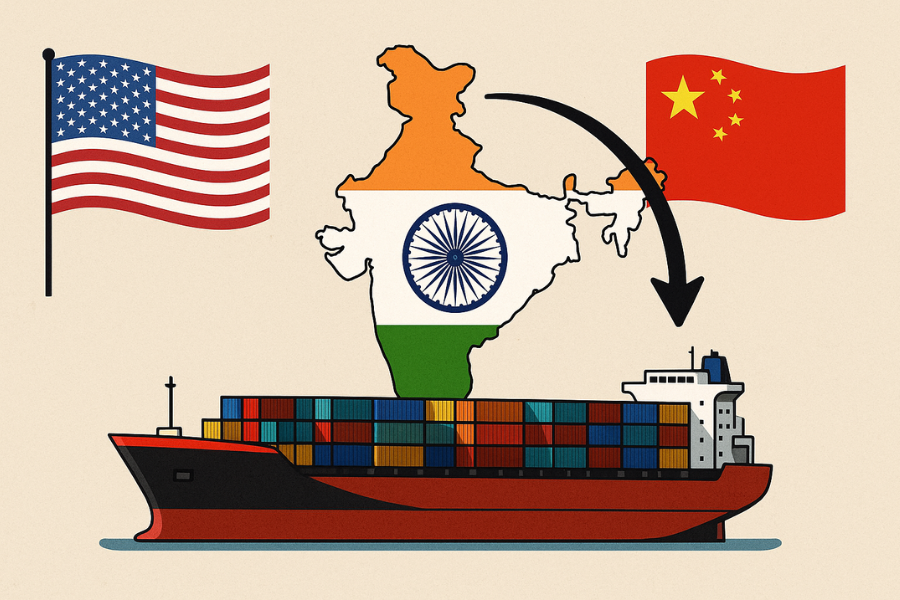
While Chinese exports are being hit with steep tariffs in the U.S. reaching up to 145% on some products, India, however, continues to enjoy far lower duties under its “normal trade relations” status. Most Indian goods enter the American market facing tariffs of just 0–10%. This stark contrast has quietly sparked a question with major implications: Could Chinese manufacturers use India as a strategic detour to reach U.S. consumers?

If Chinese firms can route goods through India, they could bypass many of the harsh penalties imposed by the ongoing U.S.-China trade war. But the reality is more complex. U.S. customs law doesn’t allow mere transshipment to count as a change in origin. Simply slapping an Indian label on a Chinese-made product isn’t enough. For a product to legally qualify as “Made in India,” it must undergo what’s known as “substantial transformation.”

In practical terms, that means a significant part of the manufacturing or final assembly must happen in India. This is where things get interesting. India, under its ambitious “Make in India” campaign, is actively courting global manufacturers to set up shop within its borders. For Chinese companies under pressure from U.S. tariffs, this could present a win-win. They can set up joint ventures with Indian partners, license production processes, or send components to India for final assembly. The result: a finished product legally classified as Indian and eligible for far lower tariffs at American ports.

While there’s no public evidence yet of this happening at scale, the incentives are aligned. India wants to boost its manufacturing output and attract foreign investment. Chinese firms need a way to stay competitive in the American market. And global consumers, squeezed by inflation and eager for more affordable alternatives, are unlikely to care whether a product was made in Guangdong or Gujarat—as long as the price is right.

What began as a traditional trade war is evolving into something far more nuanced. As factories go live on TikTok and expose the inner workings of luxury goods, the battle is no longer just about tariffs or treaties. It’s about who owns the narrative, who controls access, and who gets credit.

Chinese manufacturers aren’t simply finding new routes—they’re rewriting the rules. And if India becomes the next leg in this supply chain pivot, the line between economic strategy and content strategy may blur even further.

For luxury brands and Western retailers, the threat is no longer hidden. The very factories that once stayed silent are now on camera, calculating costs, naming clients, and offering the same goods at factory-direct prices. And with the potential of an Indian bridge to the U.S. market, they may soon be closer to American consumers than ever before.

This isn’t just a workaround. It’s a warning shot. And the message is clear: tariffs may close one door, but in a globalized world, there’s always another way in. For decades, branding dictated value. Now, transparency might be the new currency. As Chinese factories go live and peel back the layers of luxury, it’s now playing out in the hands of consumers.

But this isn’t just a digital rebellion, it’s a strategic recalibration and it’s not over. As the U.S. considers a pause on new tariffs, it’s unclear whether it signals a turning point or just a temporary ceasefire. Meanwhile, Chinese manufacturers have already found new tools of resistance: content, connection, and direct-to-consumer commerce.

Will more factories expose global brands? Will cross-border partnerships like potential India workarounds reshape the flow of global trade? One thing is clear: the old rules are breaking. And in a world where every factory has a phone and every consumer has a choice, the next chapter won’t be written in boardrooms. It’ll be streamed.

Previous Post
Next Post

Most Recent Posts

  • All Post
  • 8th Pay Commission
  • Aadhar
  • Aditya Birla Capital
  • Advertising Standards
  • Affordable Housing
  • Agriculture
  • Agriculture & Food
  • AI in Healthcare
  • AI Technology
  • Airlines
  • alcohol industry
  • Android
  • APEDA
  • Apple
  • Artificial Intelligence
  • Ashwini Vaishnaw
  • Asset Management
  • Atmanirbhar Bharat
  • Audio Devices
  • Audio Products
  • Auto Industry
  • Automobile
  • Automobiles
  • Automotive
  • Automotive Industry
  • Aviation
  • Bain Healthcare Report 2026
  • Bank
  • Banking
  • Banking Technology
  • Battery Industry
  • Beverage Industry
  • Beverages
  • Bihar
  • biotechnology
  • Bitcoin
  • BMW Group India
  • Brand Insight
  • BRICS
  • Bullion Market
  • Business
  • Business & Economy
  • Business & Trade
  • Business Leadership Post COVID-19
  • Business News
  • Business Terminology
  • Business Utilities
  • Buyback
  • Capital Goods
  • Capital Markets
  • CarsBusiness
  • CBIC
  • CCI
  • Child Investment
  • China
  • China technology news
  • Citizen Services
  • Clean Energy
  • Clean Technology
  • Cloud Computing
  • coal
  • Commerce
  • Commerce and Industry
  • Commercial Real Estate
  • Commercial Vehicles
  • Commodities
  • Communications
  • Companies
  • Competition Law
  • Compliance
  • Computer Accessories
  • connected cars
  • Consumer
  • Consumer Affairs
  • Consumer Electronics
  • Consumer Finance
  • Consumer Goods
  • Consumer Health
  • Consumer Markets
  • Consumer News
  • Consumer Protection,
  • Consumer Rights
  • Consumer Spending
  • Consumer Trends
  • Content Creation
  • Copper
  • Corporate
  • corporate affairs
  • Corporate Earnings
  • Corporate Governance
  • Corporate News
  • Corporate Social Responsibility
  • Cost of Living
  • Country
  • CRED
  • Credit Cards
  • CREDIT RATING
  • Crude Oil
  • Cryptocurrency
  • CSR
  • Culture
  • Currency
  • Customs Duty
  • Cyber Security
  • Cybersecurity
  • Dairy Industry
  • Data & Analytics
  • Defence
  • Delhi Government
  • Delhi-NCR
  • Demographics
  • Derivatives
  • DGCA
  • DGFT
  • DigiLocker
  • Digital Assets
  • Digital Economy
  • Digital Health India
  • Digital Identity
  • Digital India
  • Digital Infrastructure
  • Digital passport for robots
  • Digital Payments
  • Digital Platforms
  • digital services
  • Diplomacy
  • Dixon Technologies
  • DPIIT
  • E Commerce
  • E-commerce
  • E-Governance
  • Ease of Doing Business
  • Economic Growth
  • Economy
  • Edible Oil Industry
  • Editor Choice
  • EdTech
  • Education
  • Electric Mobility
  • Electric Vehicles
  • Electronics
  • Employment
  • ENERGY
  • Engineering
  • Entertainment
  • Environment
  • EPFO
  • Ethanol Economy
  • EV Industry
  • EV Technology
  • Exports
  • EXTER
  • Farmers
  • Fashion
  • FINANCE
  • Finance Ministry,
  • Financial Marketing
  • Financial Markets
  • Financial News
  • Financial Planning
  • Financial Results
  • Financial Services
  • Fintech
  • FnTech
  • Food & Beverage
  • Food & Beverages
  • Food Exports
  • Food Industry
  • Food Manufacturing
  • Food Processing
  • Food Regulations
  • food safety
  • Foreign Exchange
  • Foreign Investment
  • Foreign Policy
  • Foreign Trade
  • Forex Reserves
  • fssai
  • FTA
  • Fuel
  • Fuel Prices
  • Future Energy
  • Gadgets
  • Gadgets & Apps
  • Gaming
  • GDP
  • Generative AI Healthcare
  • Geopolitics
  • GI Products
  • Global Brand Alliance
  • Global Economy
  • Global Markets
  • Global Politics
  • Global Tech
  • Global Trade Policy
  • Global Trends\
  • Gold
  • Gold Market
  • Gold Prices
  • Gols & Silver
  • Government
  • Government & Policy
  • Government Affairs
  • Government Bonds
  • Government Data
  • Government Initiatives
  • Government Policy
  • Government Policy & Regulation
  • Government Scheme
  • Government Schemes
  • Government Services
  • Green Energy
  • Green Mobility
  • GroupGlobal
  • GST
  • GST Council
  • GST Counsil
  • Hair Care
  • Hardware
  • Hatchback Segment
  • Health Supplements,
  • Horticulture
  • Housing
  • HSBC
  • Human Resources
  • humanoid robot market
  • Hyundai
  • IBT Infographics
  • iinvestment
  • Imports & Exports
  • Income Tax
  • India
  • India Auto Market
  • India Business News
  • India Inc
  • India News
  • India Retail
  • India-Canada Relations
  • India-China
  • India-Japan Relations
  • India-Russia Relations
  • India-South Korea Relations
  • India-US Relations
  • Indian Economy
  • Indian Navy
  • Industrial Pollution
  • Inflation
  • Infra
  • Infrastructure
  • Innovation
  • Instagram
  • Insurance
  • international
  • International Affairs
  • International Cooperation
  • International Relations
  • International Trade
  • Internet & Connectivity
  • Internet Policy
  • Internet Regulation
  • Interview
  • Investing
  • Investment News
  • Investments
  • iPhone News
  • IPO
  • IT Industry
  • Jewellery
  • Jio Platforms
  • JioBlackRock
  • Jobs & Careers
  • Joint Ventures
  • Kim Kardashian
  • Labour
  • Latest
  • Launches
  • Leadership
  • Leaderspeak
  • Lending
  • Lifestyle
  • Lifestyle Tech
  • List
  • Loans & Credit
  • Local News
  • Logistics
  • LPG
  • Luxury Cars
  • Machinery
  • Macroeconomics
  • Macroeconomy
  • maharashtra
  • Maharashtra News
  • Make in India
  • Makhana
  • Manufacturing
  • Market Outlook
  • Markets
  • Maruti Suzuki
  • Mergers & Acquisitions
  • Meta
  • Microsoft
  • Middle East
  • Mobile Apps
  • Mobile Industry
  • Mobile Launch
  • Mobility
  • Monetary Policy
  • Monsoon
  • MoSPI
  • MSME
  • Mutual Funds
  • Nano Tech
  • National
  • National news
  • NEET 2026
  • NewsElectric
  • NewsTata
  • NPCI
  • NPS Vatsalya
  • Office Market
  • Oil & Gas
  • Oil and Gas
  • Others
  • OTT
  • Packaged Drinking Water
  • Packaged Foods
  • Packaging Industry
  • Packaging Innovation
  • Passenger Vehicles
  • Paytm
  • Pension & Retirement
  • Pensions
  • Personal Care
  • Personal Finance
  • Perspectives
  • Petroleum
  • PFRDA
  • Pharmaceuticals
  • PM Modi
  • PMAY-G
  • PMAY-U
  • PMAY,
  • PMI
  • policy
  • Population
  • PORTS
  • Positive News
  • PPF
  • Precious Metals
  • Pricing
  • Product Labeling
  • Product Labelling
  • Product Launch
  • Property Market
  • PSU
  • PSU Banks
  • Public Health
  • Public Policy
  • Public Safety
  • Public Sector
  • Public Services
  • Public Welfare
  • Quarterly Results
  • Railways
  • Rajasthan
  • Raksha Bandhan
  • Raksha Bandhan Gifts
  • Rare Earths
  • RBI
  • Real Estate & Realty Sector
  • Recycling
  • Regulation
  • Regulatory Action
  • Regulatory Affairs
  • Regulatory Updates
  • REIT
  • Reliance Industries
  • Renewable Energy
  • RERA
  • Research
  • Retail
  • Retirement Planning
  • Road Infrastructure
  • Robotics & Automation
  • robotics standards
  • Rupee
  • Rural Development
  • Rural Housing
  • SAIL
  • Salaries
  • Samsung
  • Savings
  • Science & Technology
  • Sebi
  • Security
  • Semiconductor
  • Services Sector,
  • SHIPPING
  • Silver Prices
  • Skill Development
  • Skills Development
  • Small Business
  • Smart Devices
  • Smart Home
  • Smart Mobility
  • Smartphones
  • Social Impact
  • Social Media
  • Society
  • Software Development
  • Solar Energy
  • Space Technology
  • Startups
  • Statistics
  • Steel Industry
  • Stock Market
  • stocks
  • streaming
  • Sugar Industry
  • Sukanya Samriddhi Yojana
  • Sustainability
  • SUV
  • Tamil Nadu Pollution Board
  • Tariffs
  • Tariffs & Duties
  • Tata Group
  • Tata Motors
  • Tata Sons
  • Tax Planning
  • Taxation
  • Tech
  • Tech Branding
  • Technology
  • Telecom & Technology
  • Telecom Industry
  • Top Story
  • Tourism
  • Trade
  • Trade Agreement
  • Trade Basket
  • Trade Partner
  • Trade Policy,
  • Transportation
  • Travel
  • Trending
  • Two-Wheelers
  • UIDAI
  • UPI
  • Urban Development
  • US-Iran Conflict Economic Impact
  • US–India Relations
  • Uttar Pradesh
  • VehiclesLuxury
  • vivo
  • Wastewater Management
  • Water Quality,
  • Wealth Management
  • Wearables
  • Wellness
  • WhatsApp
  • Wheat
  • Workplace
  • World
  • World News
  • Worldview
  • Yamaha
  • zLead Slider
    •   Back
    • Healthcare
    • Auto
    • Fmcg
    • Hospitality
    •   Back
    • Cash Crop
    • Organic
    • New Era Agri
    • Processed Food
    •   Back
    • Construction
    • Power
    • Mining
    • Telecom
    •   Back
    • ENERGY
    •   Back
    • Export/Import
    • Trade Deal
    • Trade Fair
    •   Back
    • Policies
    • Industry
    • Finance
    •   Back
    • Others technology
    • Mobile phone
    • Gadgets
    •   Back
    • Manufacturing
    • Services
    • Startup

India Business & Trade is a national media platform decoding the ideas, decisions and shifts shaping India’s growth story—across plicy, business, global commerce and a rapidly evolving marketplace.

Reach Us

India Business & Trade
M-62, Saket, New Delhi-110064, India

Subscribe To Newsletter

Stay ahead in the dynamic world of trade and commerce with India Business & Trade’s weekly newsletter.

Copyright © 2026 India Business & Trade. All Rights Reserved


Fatal error: Uncaught TypeError: Unsupported operand types: string * int in /var/www/sites/indiabusinesstrade.in/wp-content/plugins/royal-elementor-addons/admin/includes/wpr-templates-modal-popups.php:192 Stack trace: #0 /var/www/sites/indiabusinesstrade.in/wp-content/plugins/royal-elementor-addons/admin/includes/wpr-templates-modal-popups.php(128): WprAddons\Admin\Includes\WPR_Templates_Modal_Popups::get_template_settings() #1 /var/www/sites/indiabusinesstrade.in/wp-content/plugins/royal-elementor-addons/admin/includes/wpr-templates-modal-popups.php(106): WprAddons\Admin\Includes\WPR_Templates_Modal_Popups::render_popup_content() #2 /var/www/sites/indiabusinesstrade.in/wp-content/plugins/royal-elementor-addons/admin/includes/wpr-templates-modal-popups.php(64): WprAddons\Admin\Includes\WPR_Templates_Modal_Popups::display_popups_by_location() #3 /var/www/sites/indiabusinesstrade.in/wp-includes/class-wp-hook.php(341): WprAddons\Admin\Includes\WPR_Templates_Modal_Popups->render_popups() #4 /var/www/sites/indiabusinesstrade.in/wp-includes/class-wp-hook.php(365): WP_Hook->apply_filters() #5 /var/www/sites/indiabusinesstrade.in/wp-includes/plugin.php(522): WP_Hook->do_action() #6 /var/www/sites/indiabusinesstrade.in/wp-includes/general-template.php(3224): do_action() #7 /var/www/sites/indiabusinesstrade.in/wp-content/plugins/royal-elementor-addons/admin/templates/wpr-canvas.php(64): wp_footer() #8 /var/www/sites/indiabusinesstrade.in/wp-includes/template-loader.php(132): include('...') #9 /var/www/sites/indiabusinesstrade.in/wp-blog-header.php(19): require_once('...') #10 /var/www/sites/indiabusinesstrade.in/index.php(17): require('...') #11 {main} thrown in /var/www/sites/indiabusinesstrade.in/wp-content/plugins/royal-elementor-addons/admin/includes/wpr-templates-modal-popups.php on line 192