The Centre’s fiscal deficit touched 18.2% of the full-year target in the first quarter of FY27. Higher government expenditure pushed the deficit above last year’s level.
Highlights
- Fiscal deficit stood at Rs 3.1 lakh crore in April-June FY27.
- Deficit reached 18.2% of the full-year target of Rs 16.96 lakh crore.
- Government expenditure rose to Rs 13.6 lakh crore from Rs 12.2 lakh crore a year ago.
- Fiscal deficit was Rs 2.8 lakh crore in the same period of FY26.
- The Centre has targeted a fiscal deficit of 4.3% of GDP for FY27.
- Higher spending reflects continued investment in welfare and infrastructure.
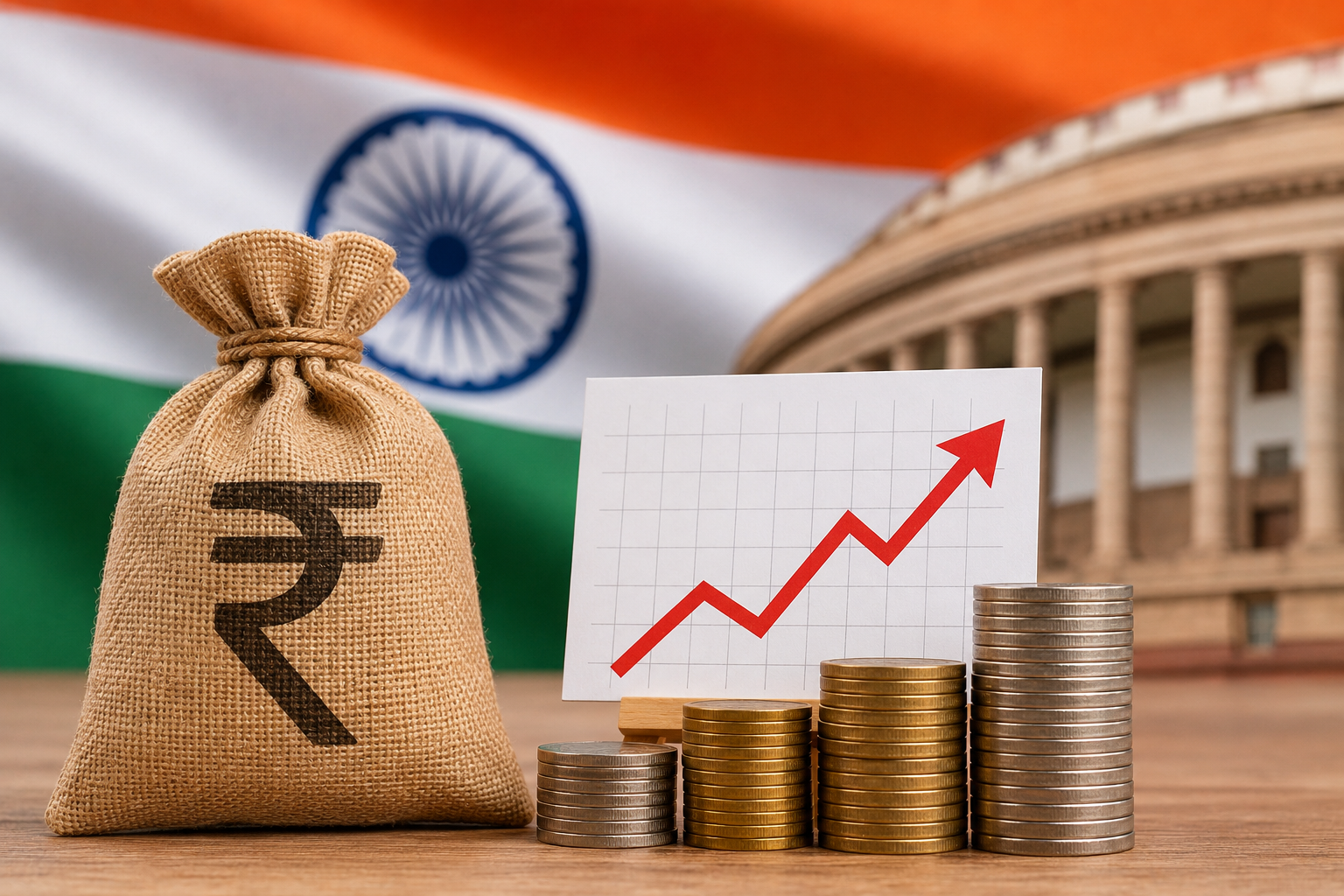
India’s fiscal deficit rose to Rs 3.1 lakh crore during the April-June quarter of the 2026-27 financial year, accounting for 18.2% of the government’s full-year fiscal deficit target, according to official data released by the Centre.
The fiscal deficit during the first three months of the current financial year was higher than the Rs 2.8 lakh crore recorded in the corresponding period of the previous fiscal year. Fiscal deficit refers to the gap between the government’s total expenditure and its total revenue, excluding borrowings.
For FY27, the government has set a fiscal deficit target of Rs 16.96 lakh crore, equivalent to 4.3% of India’s Gross Domestic Product (GDP). Maintaining the deficit within this target remains a key objective of the government’s fiscal consolidation strategy.
Government spending witnessed a notable increase during the quarter. Total expenditure rose to Rs 13.6 lakh crore, compared with Rs 12.2 lakh crore in the April-June period of FY26. The increase reflects continued spending on infrastructure projects, welfare schemes and other development programmes aimed at supporting economic growth.
Economists generally expect government expenditure to remain strong during the first half of the financial year, as ministries accelerate capital expenditure and implement budget announcements. However, sustained revenue collections and tax receipts will play a crucial role in ensuring that the fiscal deficit remains within the annual target.
A controlled fiscal deficit is considered essential for maintaining macroeconomic stability, managing inflation and keeping government borrowing under check. It also helps preserve investor confidence and strengthens the country’s overall financial position.
The government will continue to monitor expenditure and revenue trends over the coming quarters to ensure that its fiscal management remains on track. Analysts will closely watch tax collections, capital spending and economic growth to assess whether the Centre can successfully achieve its fiscal deficit target of 4.3% of GDP by the end of March 2027.