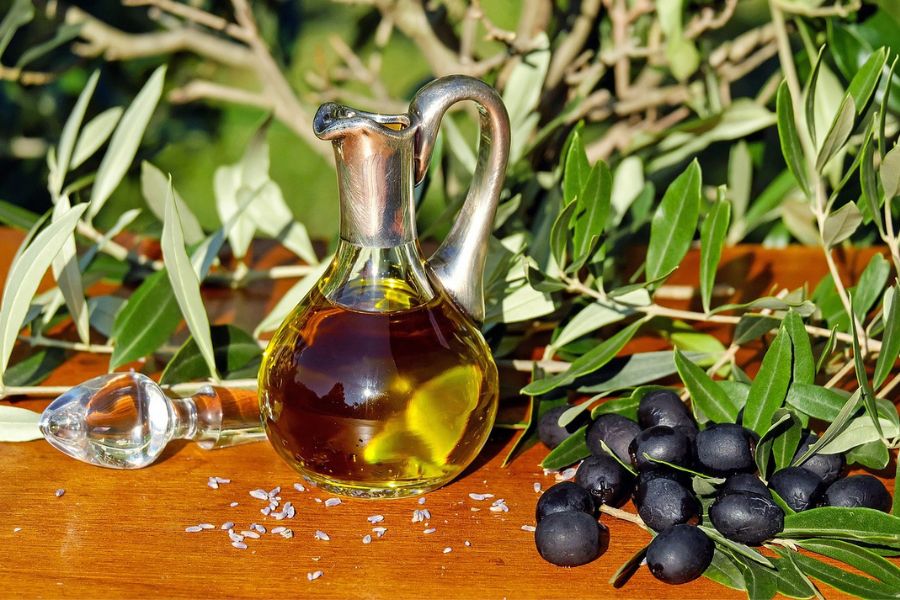
The first olive trees were transported from Seville, Spain, to the West Indies and later to the Americas. By 1560, olive groves had taken root in Mexico and later spread to Peru, California, Chile, and Argentina. Over the centuries, the olive tree has travelled far from its origins, now flourishing across North and South America, South Africa, New Zealand, Australia, and even Japan.
Today, olive oil production continues to be dominated by Spain, Italy, Greece, and Portugal. In the 2024–25 crop year, the EU produced around 2.1 million tons of olive oil, with Spain contributing approximately 1.41 million tons — nearly 40% of global output. Spain remains the world’s leading supplier and is India’s primary source as well, accounting for nearly 86% of India’s olive oil imports. Italy follows as the second-largest supplier, contributing around 10%. India, in turn, exports a limited quantity of olive oil to markets such as Egypt, the United States, and Bhutan.
The global rise in health consciousness has further fuelled demand. Olive oil is valued for its high monounsaturated fat content and antioxidants, and is associated with reduced cardiovascular risk, lower cholesterol levels, and overall wellness benefits. Extra virgin olive oil — the purest and least processed form — is witnessing the fastest growth due to its chemical-free extraction, superior flavour profile, and lower oleic acid content. Its richness in vitamins D and K, monounsaturated fats, and antioxidants enhances its appeal among health-focused consumers.
Marketing has also played a pivotal role in positioning olive oil in the global market. Early strategies focused on differentiating varieties by region, highlighting their quality, authenticity, and geographical identity. Over time, branding evolved into sophisticated storytelling that tied olive oil to heritage, terroir, and culinary excellence. Its association with gourmet food — from salads and dressings to marinades, baking, and light frying — cemented its place in modern kitchens and elevated it within premium price segments.
Beyond food, olive oil is gaining traction in the cosmetics and personal care industries due to its antioxidant and anti-inflammatory properties. It is increasingly used as a natural alternative to synthetic cosmetic ingredients, helping exfoliate dead skin cells, remove impurities, and provide hydration and nourishment for both skin and hair. The Personal Care & Cosmetics category is projected to grow at the fastest pace, with a CAGR of around 7.60% between 2026 and 2033, driven by rising clean-label preferences, skin-conditioning benefits, and the shift toward natural formulations. Companies like Pompeian Inc. are broadening their portfolios to include cosmetic-grade olive oil to meet increasing demand in skincare and haircare applications.
Olive oil market: Regional overview
The North American olive oil market continues to expand, supported by rising health awareness, growing interest in the Mediterranean diet, and increasing demand for premium and extra virgin varieties. Strong retail and e-commerce channels, along with innovation in flavored and organic offerings, further strengthen market growth. While the U.S. remains the dominant market, Canada is emerging with notable pockets of opportunity. In the U.S., growth is expected to accelerate due to greater consumer understanding of health benefits, deeper Mediterranean diet penetration, premiumization of extra virgin products, and regulatory measures that enhance product quality and consumer trust.
Asia Pacific is poised for the fastest regional growth, projected at around 9%, driven by rising disposable incomes, an expanding middle class, and heightened health consciousness. Urbanization, westernized eating habits, and stronger e-commerce penetration are making imported extra virgin products more accessible. China leads the region, with a growing base of affluent consumers willing to pay for high-quality, imported olive oil, supported by rapid urban growth and increased awareness of health and nutrition.
Europe continues to hold the largest share of the global market at over 48%, rooted in longstanding cultural preferences, mature Mediterranean olive farming, and well-integrated value chains. Spain leads the region with the world’s largest olive cultivation area, high production volumes, strong export networks, and established PDO/PGI certifications, keeping it ahead of Germany, France, the U.K., and Italy in consumption and global exports.
In the Middle East & Africa, the UAE dominates due to high incomes and strong demand for premium imported oils. In Latin America, Brazil leads growth, driven by rising disposable incomes, the adoption of Mediterranean dietary habits, and expanding retail and e-commerce channels.
Future growth
As global consumers continue to prioritise health, authenticity, and premium culinary experiences, olive oil stands at the intersection of tradition and modern wellness. Its journey from ancient Mediterranean groves to supermarket shelves and cosmetic formulations worldwide reflects both its enduring cultural value and its evolving commercial potential. With rising demand across food, beauty, and wellness segments—and robust growth prospects in emerging markets—the olive oil industry is entering a new era of innovation, diversification, and global reach. As producers, exporters, and brands adapt to shifting consumer preferences and regional market dynamics, olive oil is poised to strengthen its position as a staple of healthy living and a high-value commodity in the global F&B landscape.