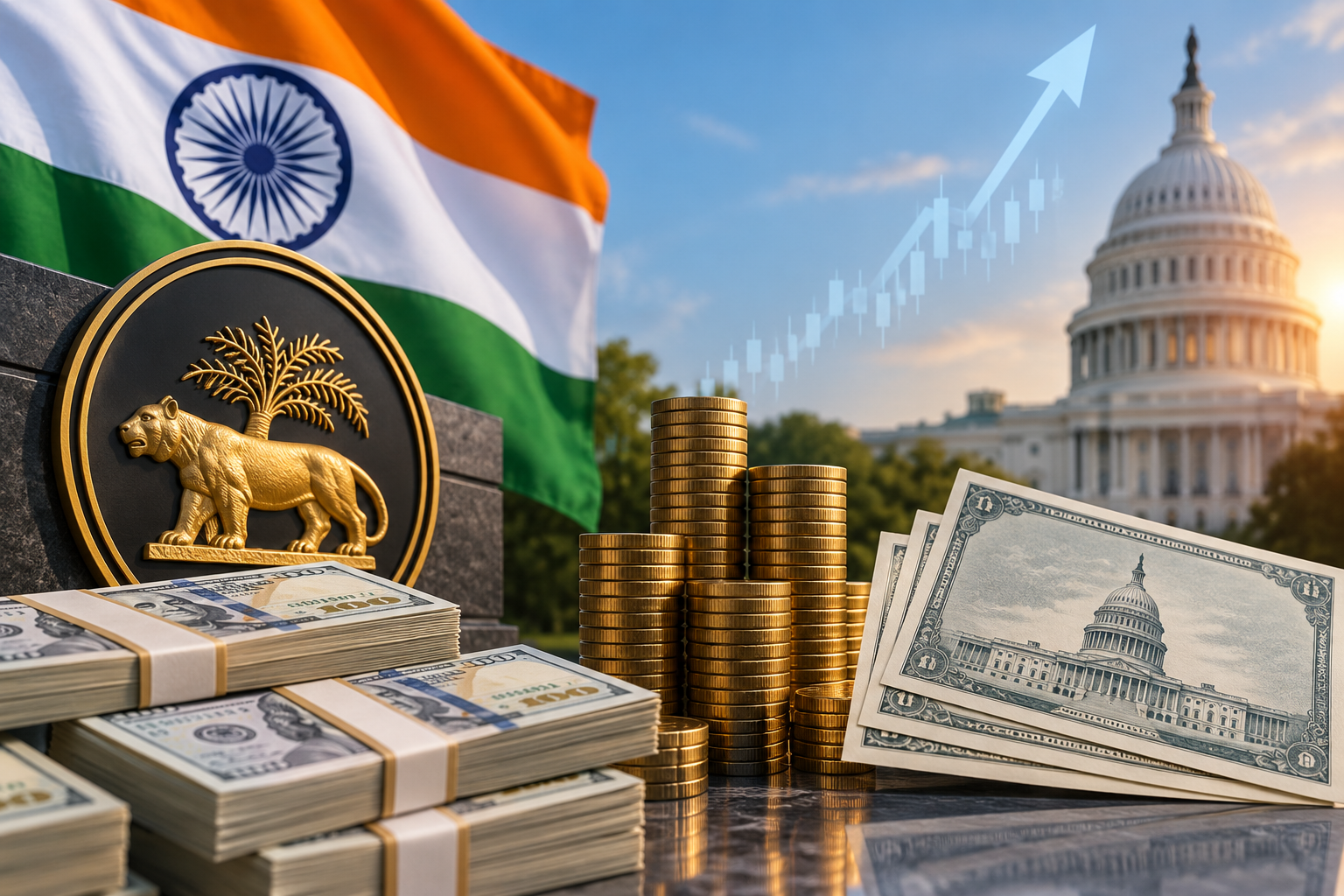
Draft law may allow MDR on high-value UPI transactions
Key Highlights
- Government introduces payment law amendment in Parliament.
- Proposal creates legal framework for UPI merchant fees.
- MDR may apply only to high-value transactions.
- Small merchants and consumers may remain exempt.
- UPI processed 23.6 billion transactions in July.
- Payments industry says fees are needed for sustainability.
- Final MDR rates have not been decided yet.
New Delhi: The Indian government has taken a significant step toward reintroducing merchant fees on Unified Payments Interface (UPI) transactions by introducing proposed amendments to the Payment and Settlement Systems Act in Parliament.
The proposed legal changes would create the framework for charging a Merchant Discount Rate (MDR) on digital payments, although the government has not yet finalized whether the charges will be implemented or how they will be structured.
Currently, UPI transactions are free for both consumers and merchants, making the platform one of the world’s fastest-growing real-time payment systems. According to official data, the UPI network processed 23.6 billion transactions worth ₹29.9 trillion in July 2026, highlighting its dominant role in India’s digital economy.
Industry stakeholders have long argued that the zero-MDR policy has limited the ability of payment service providers and banks to invest in expanding and strengthening the digital payments ecosystem. Unlike credit and debit card payments, where merchants pay processing charges, UPI transactions currently generate no merchant fee.
Two MDR Models Under Consideration
According to sources familiar with the discussions, policymakers are evaluating two possible approaches for introducing merchant charges.
One proposal suggests imposing MDR only on UPI transactions above ₹2,000, while another considers linking the charges to a merchant’s annual turnover. Under the current discussions, merchants with annual turnover exceeding ₹1.5 crore could face MDR ranging between 0.3% and 0.5% on eligible transactions.
The government is also considering exempting small businesses and consumers, ensuring that everyday digital payments remain free while larger commercial transactions contribute to the payment infrastructure.
Industry Sees Major Revenue Opportunity
Financial services firms believe the move could significantly strengthen India’s digital payment ecosystem.
Market estimates suggest that transactions above ₹2,000 account for only around 4% of merchant payment volumes but contribute nearly 67% of the total transaction value. Analysts estimate that introducing MDR on these transactions could generate ₹5,000 crore to ₹10,000 crore annually for banks, fintech companies and payment service providers.
The additional revenue could help companies invest in fraud prevention, cybersecurity, payment infrastructure and innovation.
No Immediate Change for Users
Despite the proposed legal amendment, the government has not announced any immediate implementation of MDR.
Officials are expected to hold further consultations with the Reserve Bank of India (RBI), the National Payments Corporation of India (NPCI), banks and payment companies before taking a final decision.
If approved, the revised framework is expected to strike a balance between maintaining India’s rapid digital payment adoption and ensuring the long-term financial sustainability of the UPI ecosystem.