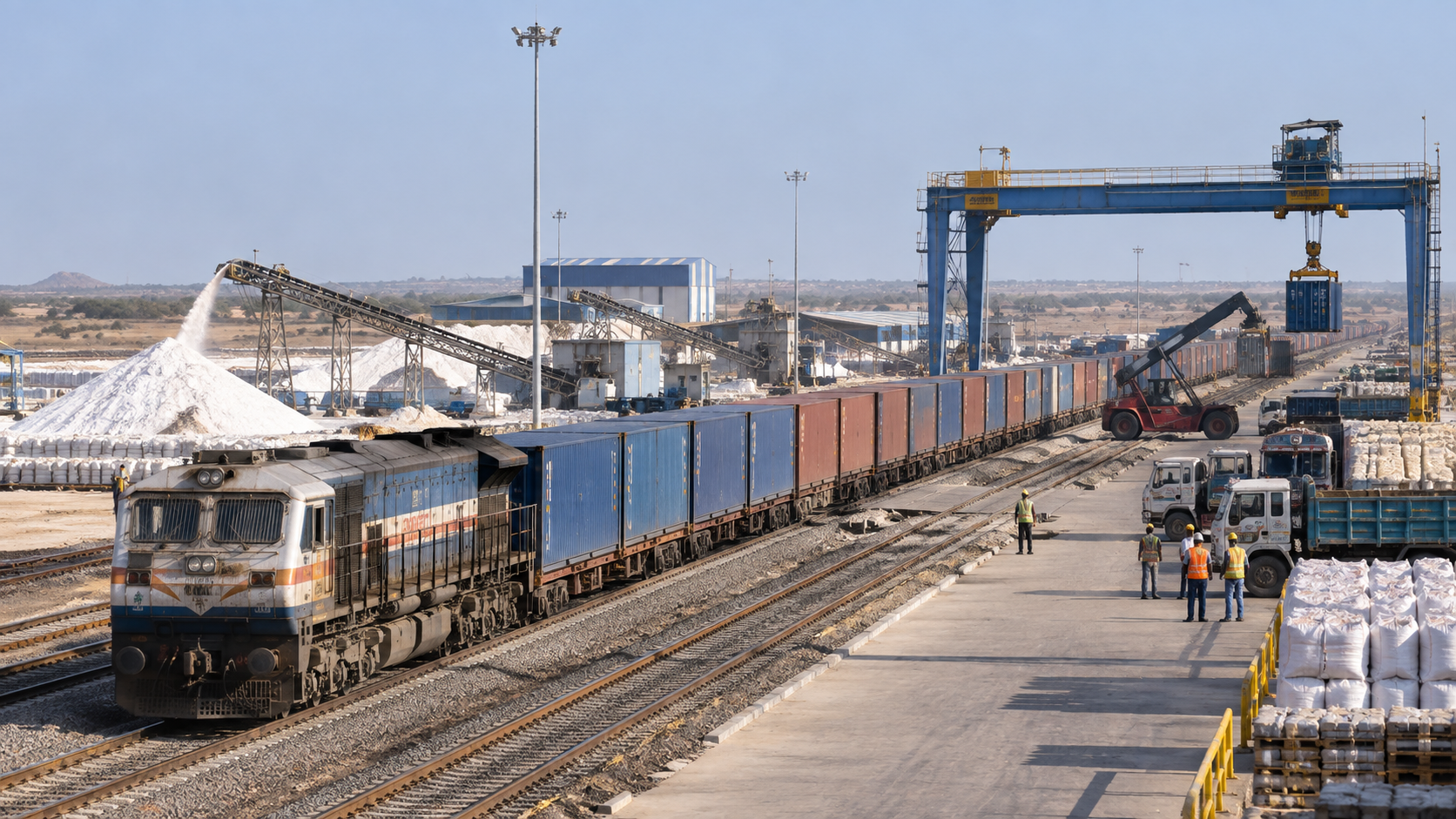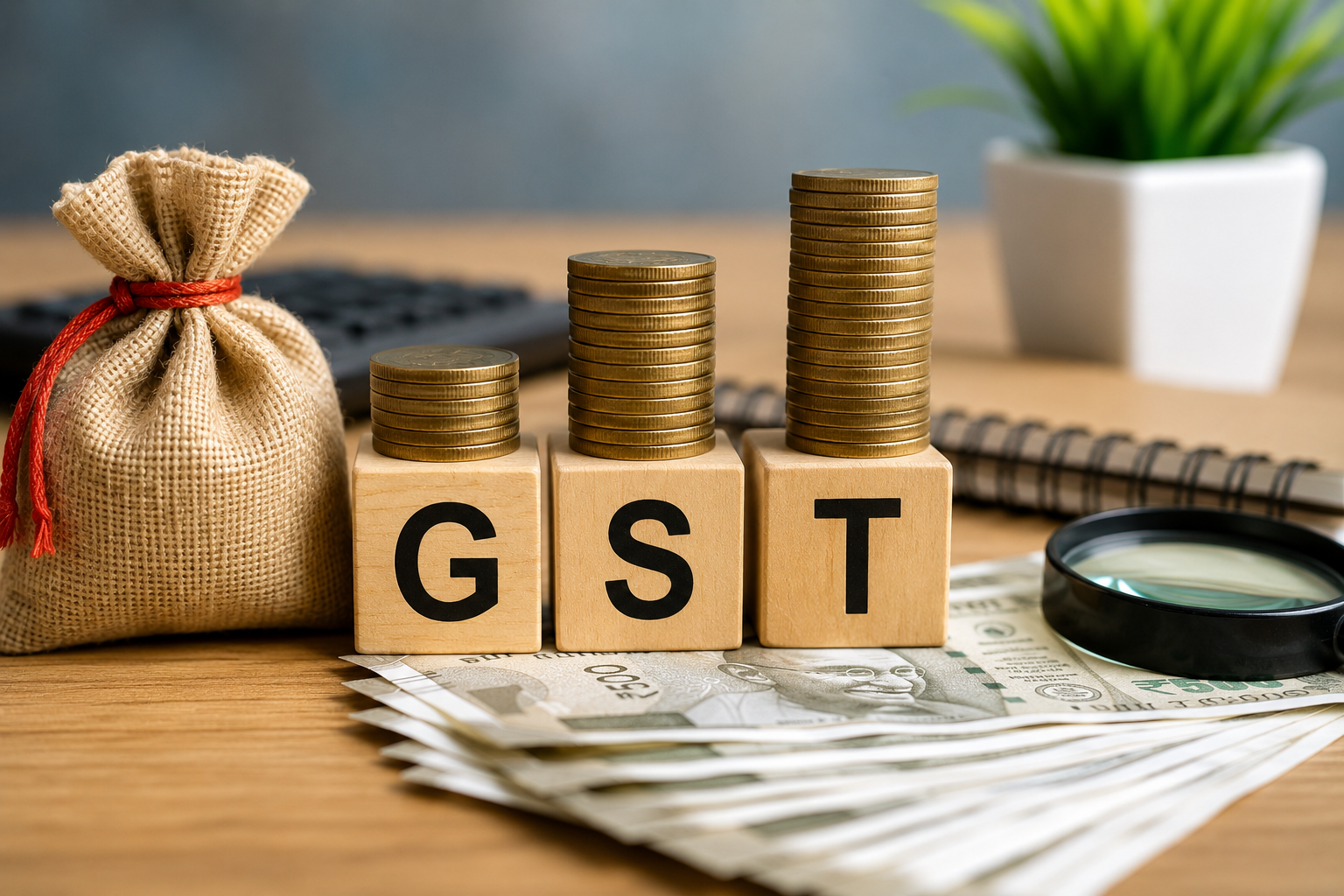
Higher tax collection from domestic transactions and imports pushed gross GST revenue above ₹2.11 lakh crore.
After refunds, the government’s net GST collection stood at more than ₹1.81 lakh crore.
Highlights
- Gross GST collection rose 15.4% year-on-year in July.
- Total collections crossed ₹2.11 lakh crore during the month.
- Gross GST revenue was ₹1.83 lakh crore in July 2025.
- CGST collection stood at ₹39,835 crore.
- SGST revenue reached ₹47,881 crore, while IGST crossed ₹1.23 lakh crore.
- Net GST revenue after refunds was over ₹1.81 lakh crore.
Story
India’s gross Goods and Services Tax collection increased 15.4% year-on-year to more than ₹2.11 lakh crore in July 2026, supported by stronger revenue from domestic business activity and imports.
The latest collection was significantly higher than the ₹1.83 lakh crore recorded in July 2025. It was also above the nearly ₹1.95 lakh crore collected in the previous month, indicating continued strength in tax receipts.
According to the latest government data, Central Goods and Services Tax collection stood at ₹39,835 crore during July. State GST revenue reached ₹47,881 crore, while Integrated GST collection crossed ₹1.23 lakh crore.
IGST is mainly collected on interstate transactions and imports. The strong rise in this category suggests higher movement of goods across states and increased tax collection from imported products.
Gross GST collection includes the total tax received before refunds are issued to businesses and exporters. During July, total refunds increased 13.1% to ₹29,968 crore.
After adjusting these refunds, net GST revenue stood at more than ₹1.81 lakh crore. Net collections represent the amount that remains with the government after eligible refunds have been paid.
The growth in GST revenue is an important indicator of economic activity, formalisation and tax compliance. Higher collections generally reflect stronger consumption, better enforcement and increased reporting of transactions through the GST system.
GST was introduced in July 2017 to replace several indirect taxes imposed by the Centre and states. The system includes CGST, SGST and IGST, depending on whether a transaction takes place within a state or across state borders.
A sustained rise in collections gives the government more fiscal space to fund infrastructure, welfare schemes and other public expenditure. It also helps improve the revenue position of state governments, which receive a share of GST collections.
The July figures indicate that domestic transactions and import-related revenue remained strong despite uncertainty in global markets. Continued growth in collections in the coming months will depend on consumer demand, industrial activity, imports and overall economic conditions.