Merchandise exports rise 17% during April-July FY27 as African and Latin American markets emerge as faster-growing destinations for Indian goods
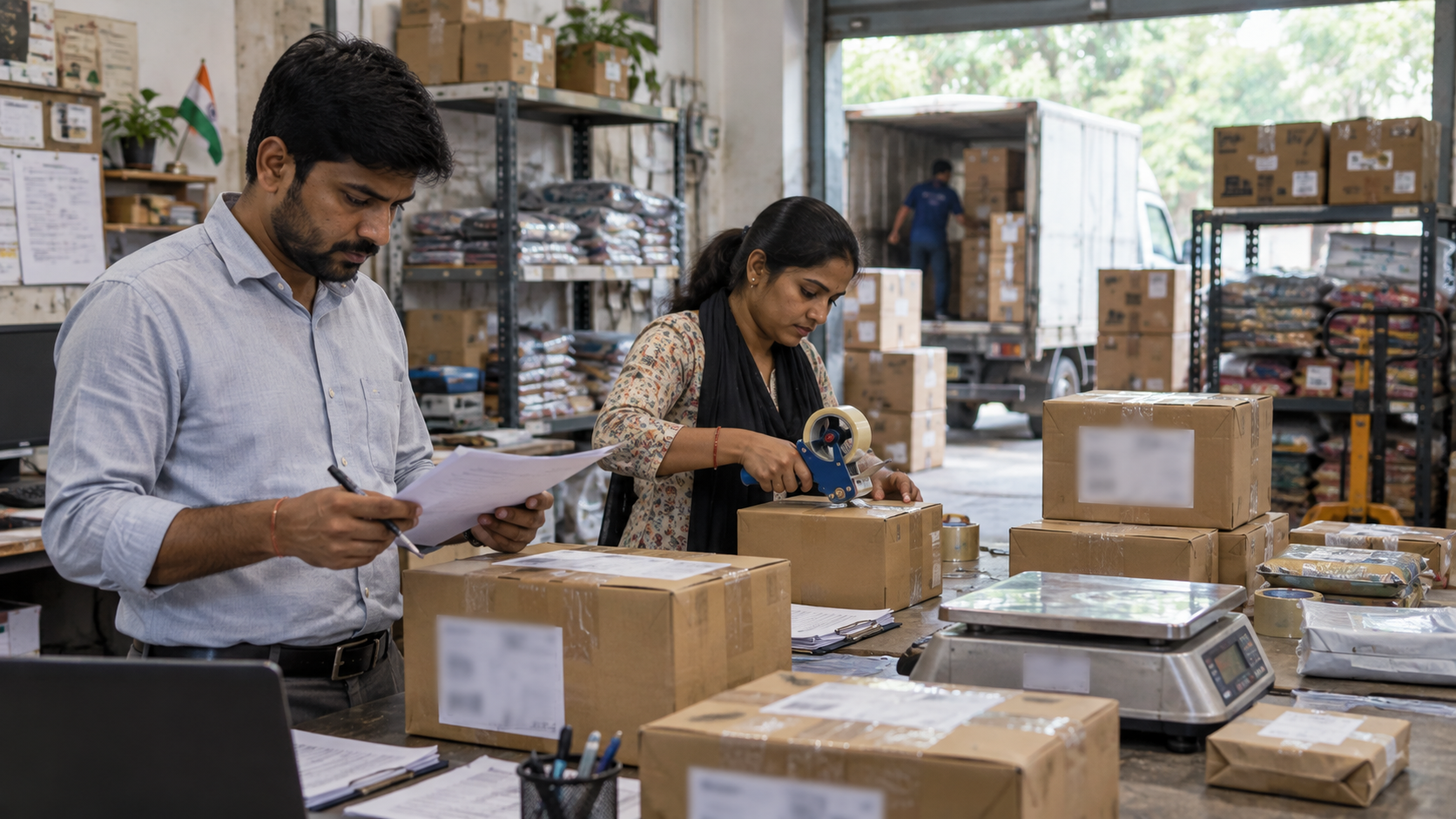
New Delhi: India’s merchandise exports recorded 17% year-on-year growth during April-July FY 2026-27, with several African and Latin American markets registering significantly faster expansion than traditional destinations such as the United States and major European economies.
Exports to the US increased 3% during the four-month period, while shipments to key European markets grew between 2.5% and 13%. In comparison, several emerging markets recorded substantially stronger growth, highlighting a gradual widening of India’s global export footprint.
The trend comes as India seeks to diversify overseas demand amid geopolitical tensions, changes in US trade policy and broader disruptions affecting global commerce.
Africa Emerges as High-Growth Market
Africa recorded some of the strongest increases for Indian exporters. Shipments to Tanzania surged 131% year-on-year during April-July, while exports to Mozambique increased 89%. Kenya recorded 81% growth and South Africa saw shipments from India rise 69%.
Exports to Egypt increased 33.5%, while Nigeria and Ghana each registered growth of 27.7%.
Despite the rapid increases, Africa continues to offer substantial room for expansion. China currently accounts for around 20% of the continent’s total imports, compared with approximately 6% for India, indicating the potential for Indian businesses to capture a larger share of African demand.
Latin America Adds Momentum
Latin American markets are also becoming increasingly relevant to India’s diversification strategy. Exports to Mexico increased 24% during April-July, while shipments to Chile rose 12%. Other regional markets, including Brazil and Peru, recorded growth of more than 50%, according to the data.
India is simultaneously pursuing greater trade integration with countries including Peru, Chile and Brazil, which could improve market access and create additional opportunities for Indian exporters.
Efforts to identify alternative export destinations have gained importance following changes in US trade policy. Indian diplomatic missions have stepped up efforts to identify commercial opportunities and promote Indian products in overseas markets.
The strategy also builds on diversification efforts undertaken since the COVID-19 period, when disruptions to international supply chains highlighted the risks associated with excessive dependence on a limited number of destinations.
While Africa and Latin America still account for a smaller share of Indian exports than established markets, their recent growth indicates increasing potential. Deeper trade agreements, stronger commercial engagement and improved market access could help Indian companies expand further across these regions and build a more diversified global export base.