India and the United States have completed two days of high-level trade talks, making substantial progress toward an interim bilateral trade agreement ahead of a key US tariff deadline on July 24.
Highlights:
- India and US review progress on interim trade agreement.
- Talks focused on market access, digital trade, and supply chains.
- Both countries aim to finalize a deal before July 24 tariff deadline.
- Trade pact expected to benefit businesses, farmers, and consumers.
- Bilateral trade expansion remains a shared strategic priority.
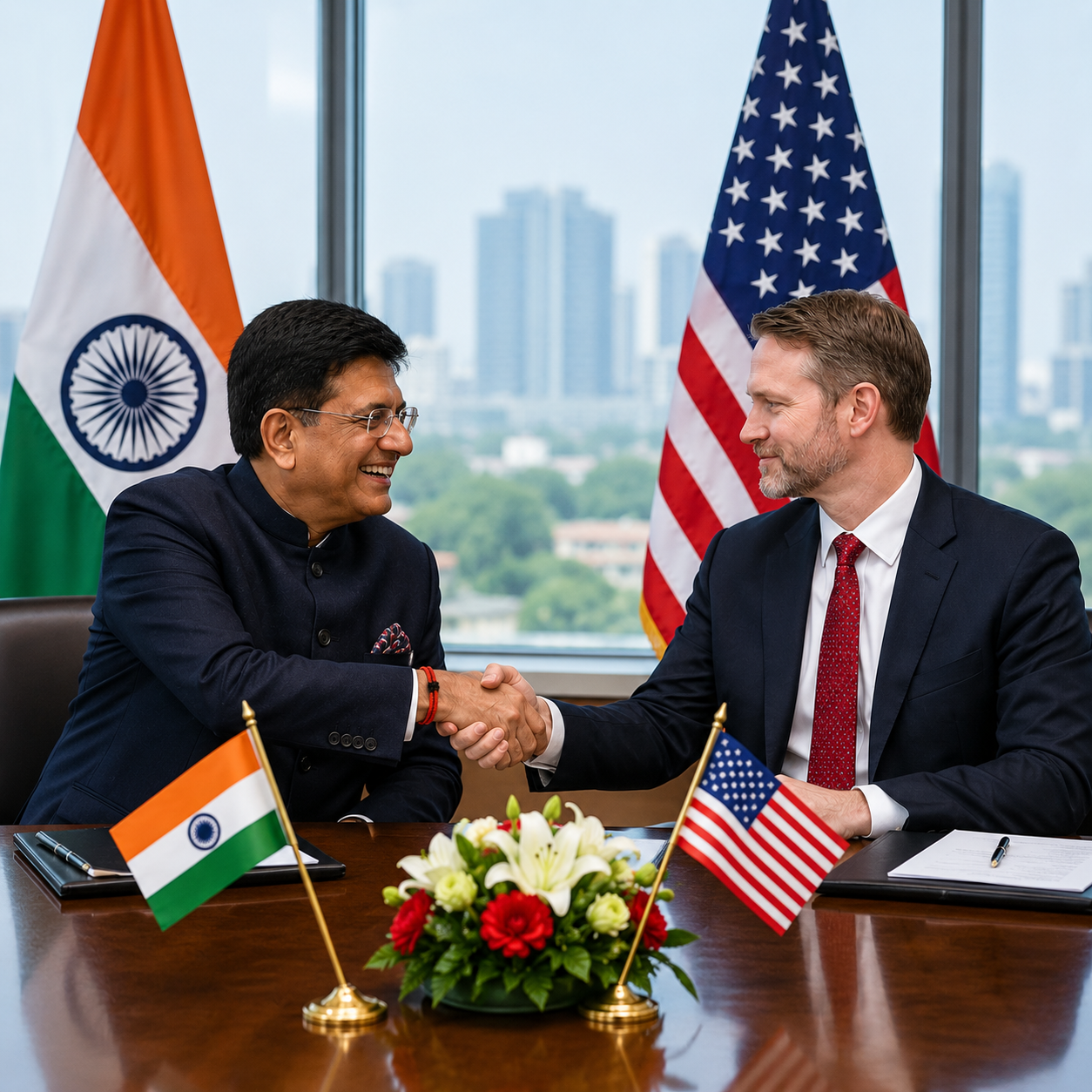
India and the United States have concluded a crucial two-day round of ministerial-level trade negotiations in New Delhi, bringing both countries closer to an interim bilateral trade agreement (BTA) that could significantly boost economic ties and improve market access for businesses on both sides.
US Trade Representative Jamieson Greer visited India from June 22 to 24 and held extensive discussions with Commerce and Industry Minister Piyush Goyal. The talks focused on advancing the first phase of the proposed trade agreement and reviewing progress made by negotiating teams in recent months.
According to the Commerce Ministry, the discussions covered several core elements of the proposed pact, including enhanced market access, digital trade, reduction of non-tariff barriers, supply chain resilience, and greater cooperation in strategic sectors. Officials described the progress achieved so far as “substantial,” indicating that both sides are actively working to conclude an interim agreement in the coming weeks.
The timing of the negotiations is particularly important. Both countries are seeking to finalize the deal before July 24, when a temporary 10 percent US tariff on imports from all countries is scheduled to expire. Reaching an agreement before that deadline could help provide greater certainty to exporters and importers while preserving preferential trade benefits.
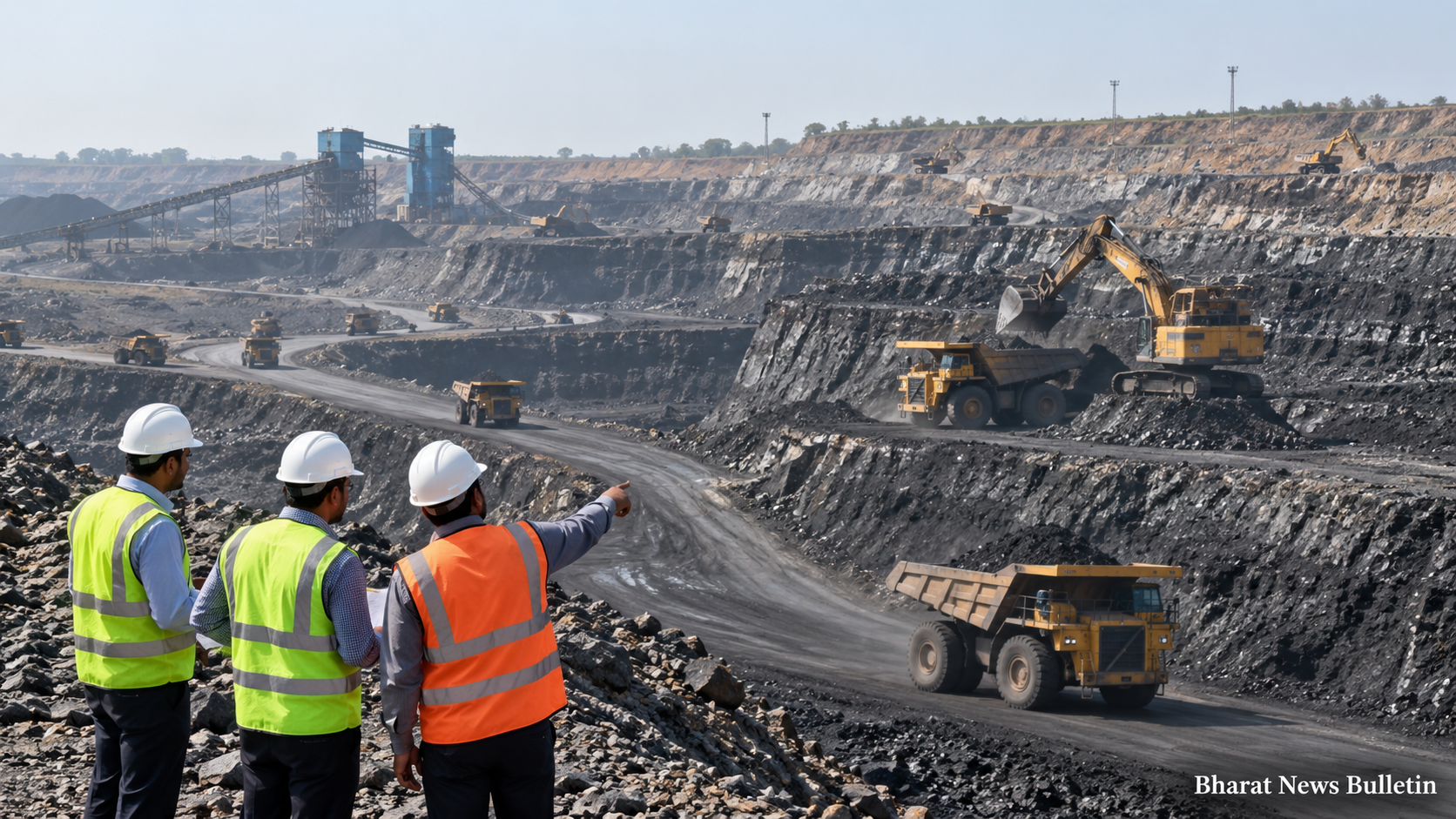
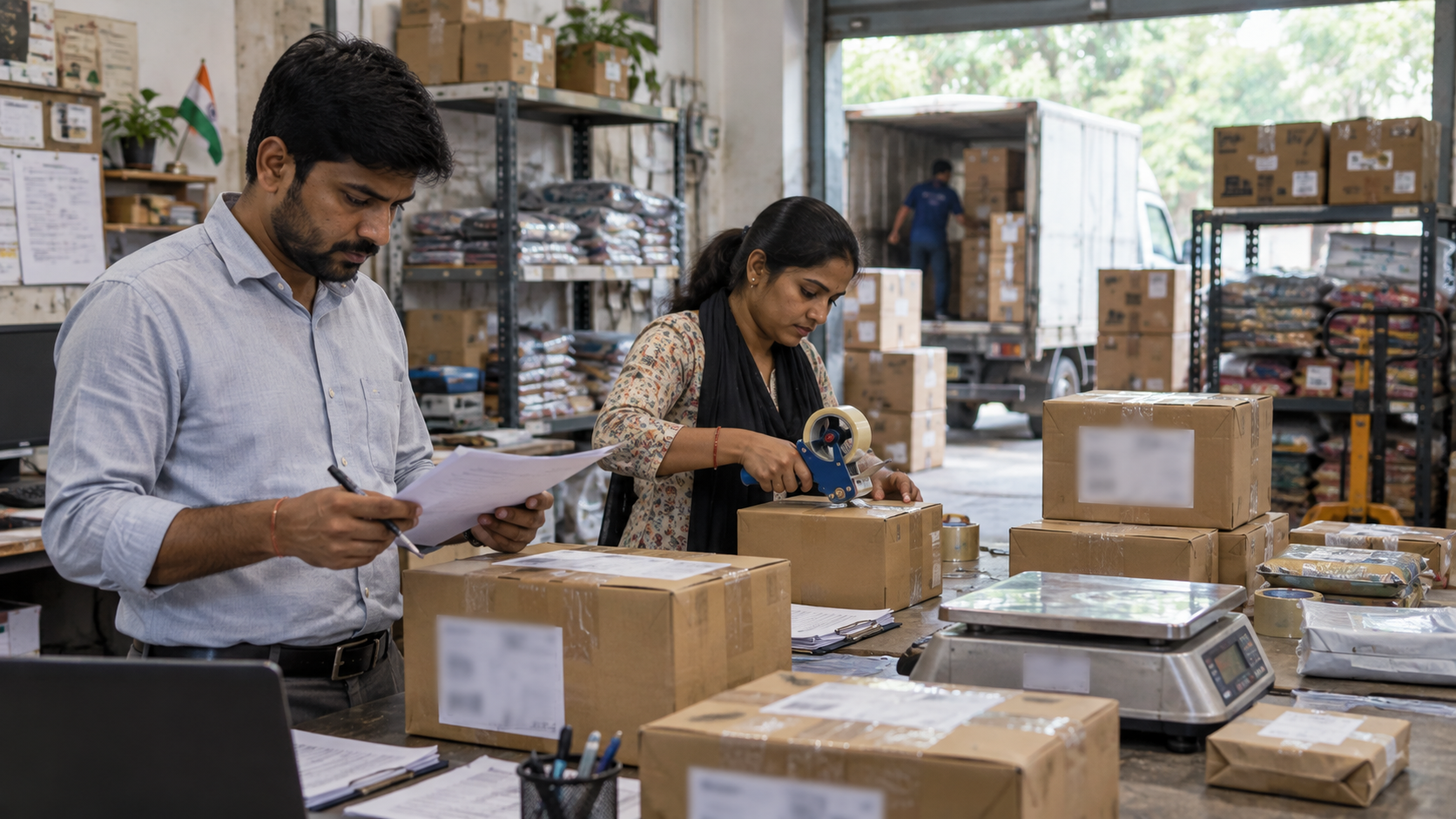
For Indian businesses, the agreement could improve access to the world’s largest consumer market and help maintain competitiveness against countries such as Vietnam and other ASEAN economies. Meanwhile, American companies could benefit from reduced barriers and improved access to India’s fast-growing market of more than 1.4 billion consumers.
The proposed framework also includes discussions on agricultural trade, industrial goods, energy cooperation, technology products, and critical supply chains. India has expressed interest in increasing purchases of US energy products, aircraft, technology equipment, and other strategic imports over the next five years.
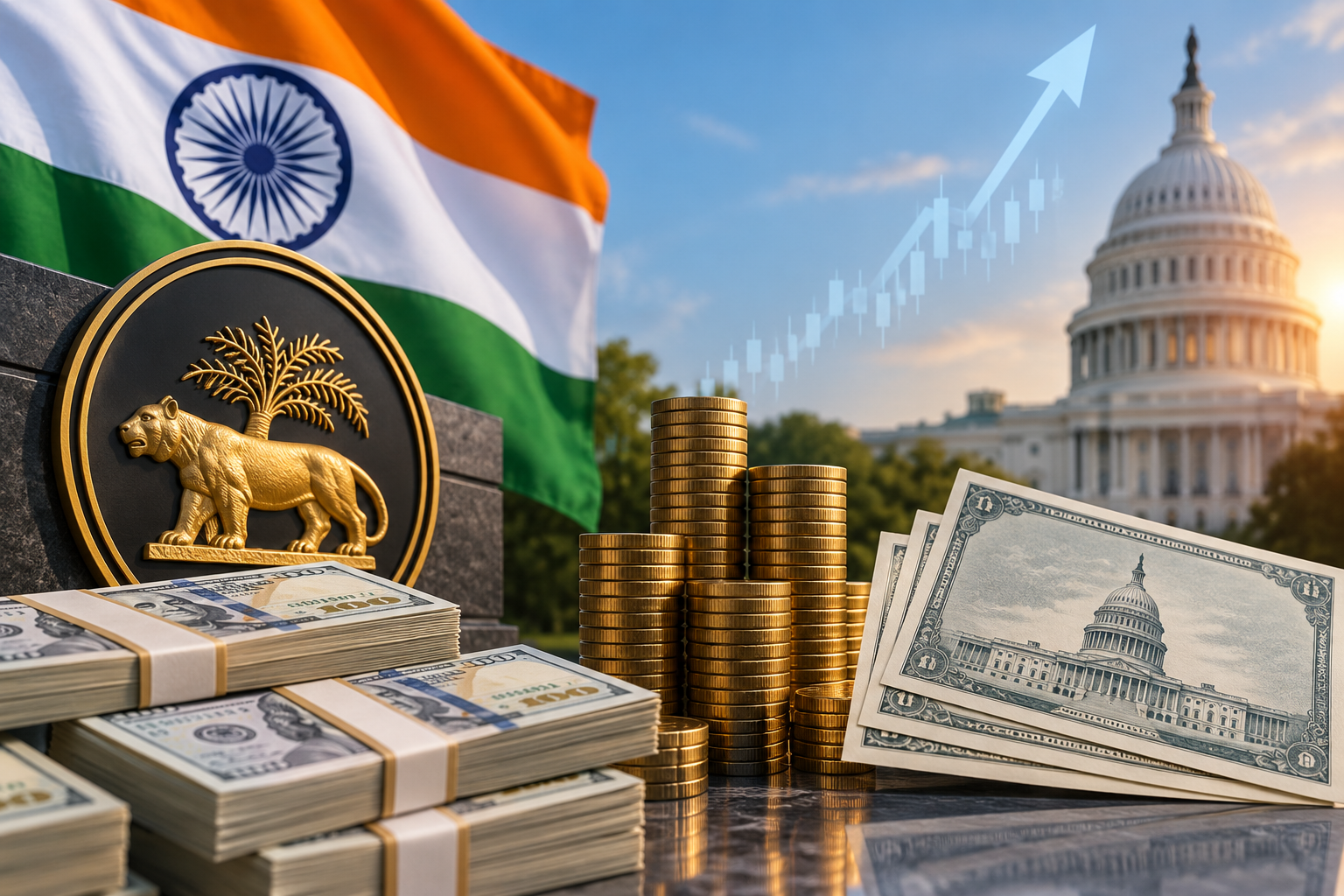
Trade between the two nations remains strong despite global economic uncertainties. During 2025-26, India’s exports to the US rose to USD 87.3 billion, while imports from America increased nearly 16 percent to USD 52.9 billion. The US remains one of India’s most important trading partners and a key destination for Indian goods.
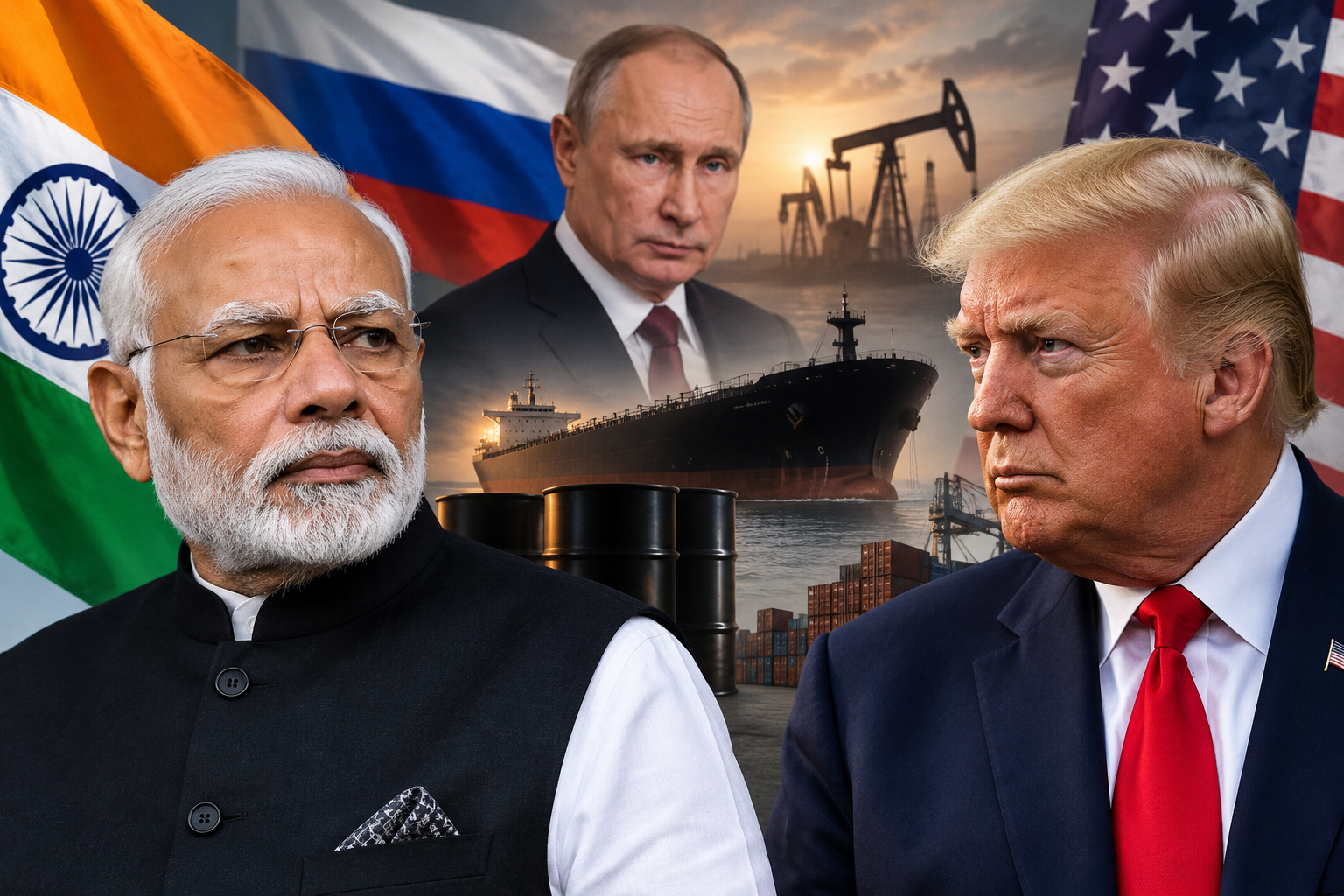
With political support from both governments and fresh momentum following recent meetings between Prime Minister Narendra Modi and President Donald Trump, expectations are growing that the interim trade pact could be finalized before the July deadline, paving the way for a broader and more comprehensive trade agreement in the future.