AI Demand Drives Memory Costs
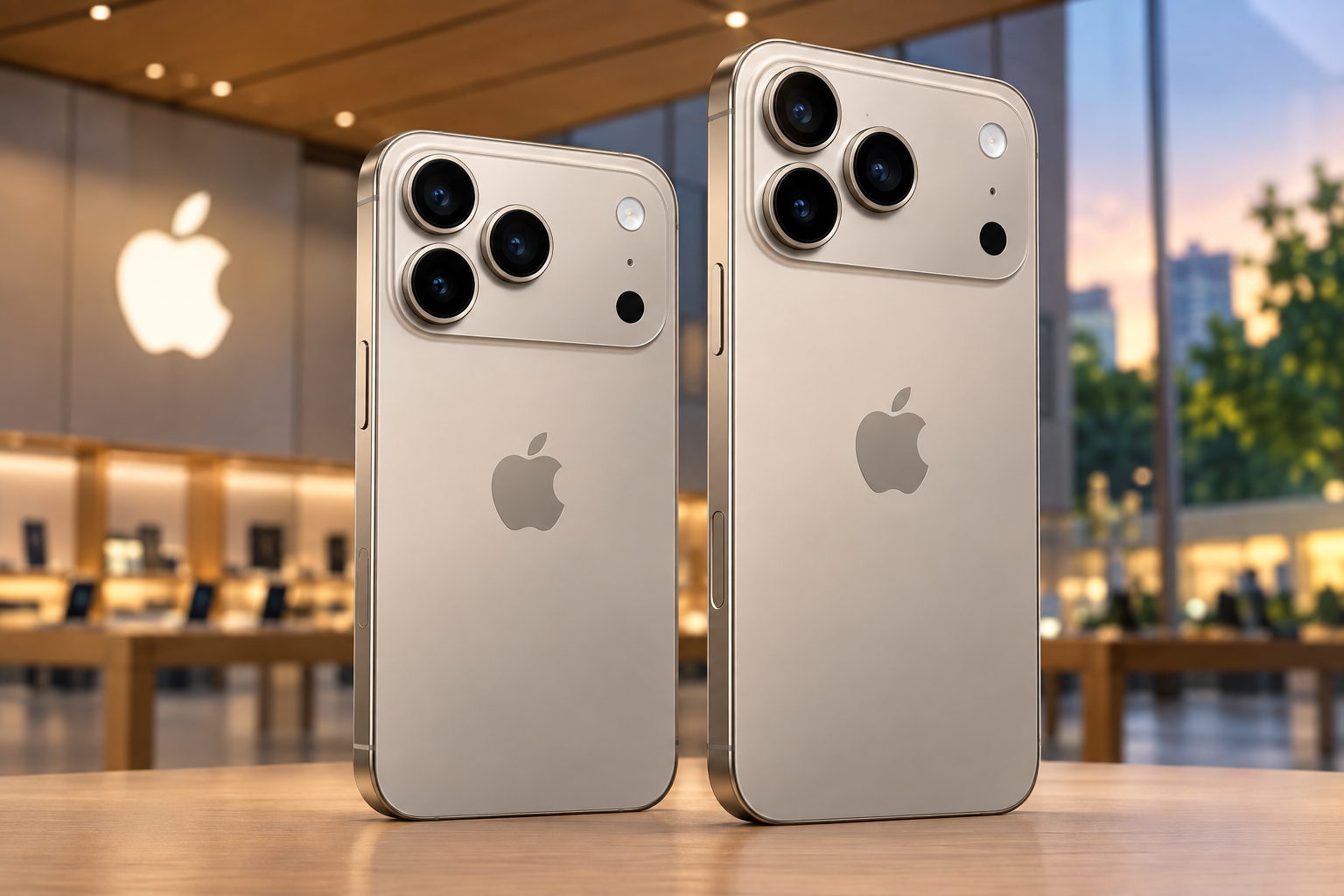
New Delhi, September 5, 2026: Indian consumers could face higher prices for smartphones and laptops as rising artificial intelligence (AI) demand continues to tighten global memory-chip supplies.
The growing use of memory-intensive AI servers has increased demand for DRAM and other memory components, putting pressure on supplies available for consumer electronics. According to Counterpoint Research’s August 2026 Memory Price Tracker, mobile DRAM prices are expected to rise by around 10% quarter-on-quarter in Q3 2026.
The increase is already affecting smartphone manufacturing costs. Counterpoint said higher memory prices pushed the bill of materials (BOM) for low-end smartphones up 70% year-on-year in Q2 2026. Low- and mid-range devices have been particularly affected, forcing manufacturers to raise prices or modify specifications to manage higher component costs.
India’s smartphone market is also showing signs of pressure. Smartphone shipments declined 10% year-on-year during the April-June 2026 quarter, marking the steepest decline in a June quarter in six years. Counterpoint had earlier reported that the average smartphone launch price in India rose 11% year-on-year to INR 37,200 in Q1 2026, partly reflecting higher BOM costs.
The personal computer market is facing similar cost concerns. IDC reported that PC shipments in India increased 12.1% year-on-year to 3.9 million units in Q2 2026. Retailers and online sellers have been building inventory ahead of anticipated price increases and the festive shopping season.
Despite rising costs, consumers could still find promotional offers during the festive period. Smartphone and laptop brands are expected to avoid aggressive price increases during the key shopping season in an effort to protect demand. Bank offers, exchange schemes and discounts may therefore provide some relief.
However, higher component costs could limit the size of these promotions compared with previous years. Brands will need to balance consumer demand with increasing memory expenses.
The memory market is expected to remain tight in the near term. Counterpoint expects conditions to gradually improve as additional production capacity becomes available, with a broader recovery projected toward late 2027.
For Indian consumers, the festive season is likely to offer a mixed scenario: underlying device prices remain under pressure, while manufacturers continue promotional campaigns to sustain sales.