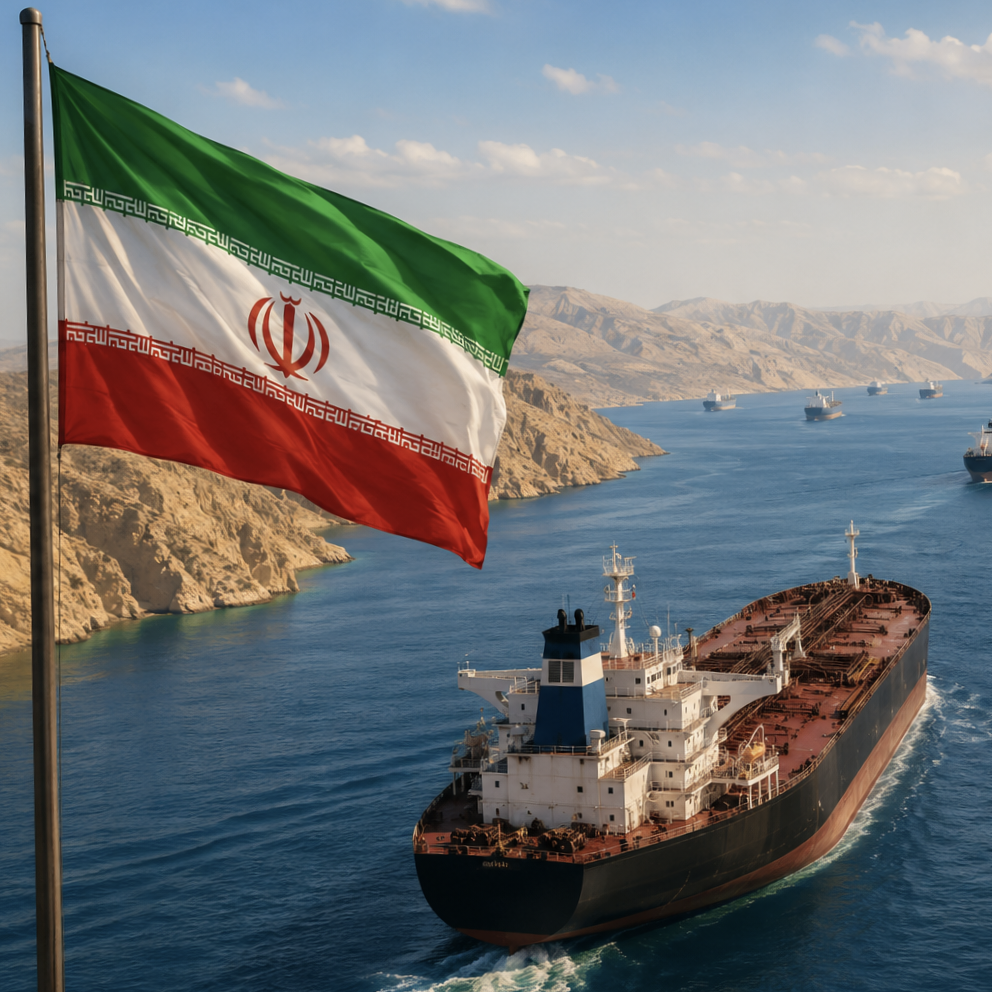
Iran proposes service charges for commercial ships passing through the Strait of Hormuz, while promising concessions for friendly nations, raising fresh concerns over global energy trade.
Key Highlights
- ➤ Iran plans to levy service fees on commercial ships using the Strait of Hormuz.
- ➤ Charges will cover security, vessel monitoring and environmental protection, not a toll tax.
- ➤ Friendly countries that supported Iran may receive fee concessions.
- ➤ The move could influence global oil shipping costs as nearly 20% of the world’s oil and LNG trade passes through the route.
- ➤ Details on fee structure and beneficiary countries are yet to be announced.
Story (400 Words)
New Delhi, July 5: Iran has unveiled plans to introduce service fees for commercial vessels passing through the strategically vital Strait of Hormuz, a move that could have significant implications for global energy markets and international shipping.
Speaking at the World Peace Forum in China, Iran’s Ambassador Abdolreza Rahmani Fazli said the proposed charges would not be a traditional toll tax. Instead, they would compensate Iran for services such as maritime security, vessel monitoring, navigation support and environmental protection in the busy waterway.
Iran considers the Strait of Hormuz part of its territorial waters and believes countries using the route should contribute to maintaining its safety and operations. The new framework is reportedly being developed in coordination with Oman, which shares control of the narrow maritime passage.
One notable feature of the proposal is preferential treatment for countries that maintained friendly ties with Iran during recent geopolitical tensions. While Tehran has confirmed that such nations could receive discounts or exemptions, it has not disclosed which countries will qualify or how much the service fees will be.
The announcement comes after a temporary 60-day arrangement reached following recent tensions between Iran and the United States, under which commercial ships were allowed to pass through the Strait without additional charges. With that period nearing its end, Iran is now preparing a long-term mechanism for regulating vessel movement through the region.
The Strait of Hormuz remains one of the world’s most critical maritime chokepoints. Around one-fifth of global crude oil and liquefied natural gas (LNG) supplies transit through this narrow passage connecting the Persian Gulf with international waters. Any disruption or increase in shipping costs along the route has the potential to impact global energy prices.
During the recent Middle East conflict, concerns over possible restrictions in the Strait led to sharp volatility in crude oil prices as markets feared disruptions to global supplies. Although navigation has since resumed following diplomatic efforts, Iran’s latest proposal signals that geopolitical developments in the region will continue to influence global trade and energy markets.
Shipping companies, oil importers and governments are now expected to closely monitor further announcements from Tehran, particularly regarding the fee structure and implementation timeline, as these could affect freight costs, insurance premiums and ultimately fuel prices worldwide.
SEO Keywords
Iran, Strait of Hormuz, Hormuz service fee, Global oil trade, Crude oil prices, LNG shipping, Maritime security, Middle East energy, Iran shipping charges, Global shipping routes