Does India share WTO’s concerns on EU’s CBAM?

The European Union’s (EU) Carbon Border Adjustment Mechanism (CBAM) is poised to have a substantial impact on India’s exports, particularly in industries such as steel, aluminium, cement, and fertilizers. This policy aims to mitigate carbon leakage while addressing carbon costs faced by EU industries.

IBT looks into the aspects that should raise concerns for India in the context of this trade issue. Additionally, it highlights the specific concerns raised by the World Trade Organization (WTO) regarding this matter.

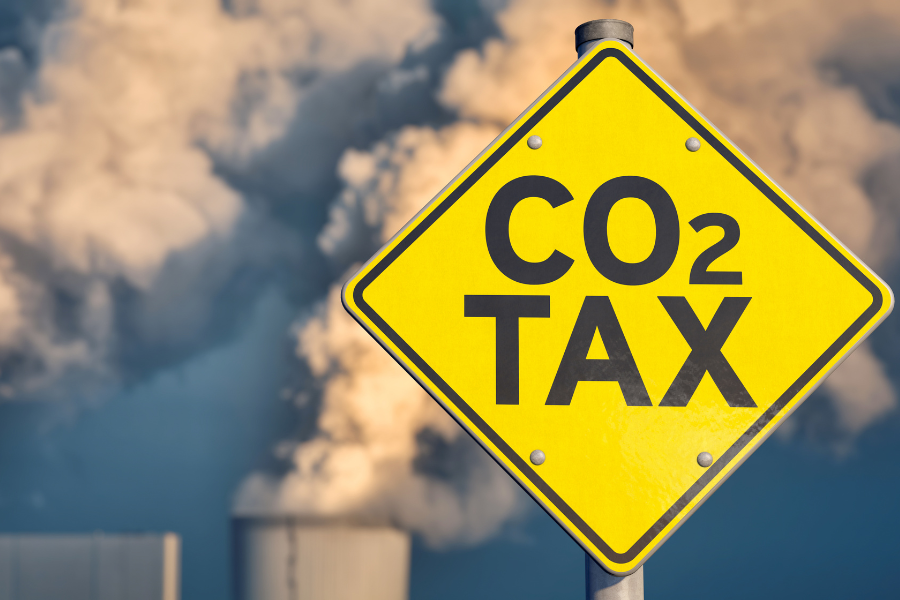
CBAM

Source: Shutterstock

What is the Carbon Border Adjustment Mechanism(CBAM)?

The Carbon Border Adjustment Mechanism (CBAM), which addresses the carbon costs paid by EU facilities that adhere to the EU Emissions Trading System (ETS), as well as imported goods, aims to promote fair competition. It operates by levying a tax on carbon emissions in a subset of imports that is equal to the tax levied under the ETS on domestic goods. By doing this, CBAM aids in preventing carbon leakage, which occurs when businesses move their manufacturing operations outside of the EU in order to save money by not having to comply with environmental standards.

The transitional phase of CBAM will simply call for quarterly reports on the greenhouse gas emissions of specific products imported into the EU, encompassing both direct and indirect emissions, from October 1, 2023, until December 31, 2025. But starting in 2026, purchasing CBAM certificates will be required to cover GHG emissions, and the price of these certificates will be determined by carbon prices under the EU ETS. CBAM will increase the cost of exporting to the EU market, which will be borne equally by the exporter or manufacturer and may have an effect on their marketing plans. It is anticipated that more nations will implement CBAM-like policies.

CBAM Roadmap

Source: India Briefing 

WTO’s concerns 

The World Trade Organization (WTO) has raised concerns about certain trade-related issues. These include environmental rules, like those from the European Union (EU) and the US Inflation Reduction Act.

These worries come before the European Union’s CBAM takes effect on October 1. The CBAM could mean a 20-35% tax on some imports to the EU starting from January 1, 2026. While the EU says this is for the environment, some countries like India will have it more on trade.

WTO chief economist Ralph Ossa said, “Countries are taking the climate challenge seriously… it is crucial that whatever policy matters they have, shouldn’t be contradictory to the multilateral trading system.” 

According to the WTO report, some countries fear the CBAM could make others adopt European standards and cost a lot to follow. They also talk about trade measures used for economic pressure, like Indonesia limiting exports and China restricting certain materials. The report also highlighted concerns about unilateral trade measures that are allegedly used for “economic coercion.” Examples of these include Indonesia’s export restrictions on raw materials and China’s export restrictions on gallium and germanium.

The organization that oversees international trade has expressed concerns about security issues affecting trade policies, which could result in more obstacles to international trade. According to officials from the World Trade Organization (WTO), many countries are using security concerns as a reason to impose restrictions on trade.

According to officials from the World Trade Organization (WTO), many countries are using security concerns as a reason to impose restrictions on trade.

“There is a risk that this could lead to fragmentation in the global economy as economies resort to re-shoring and friend-shoring,” it said in the report titled ‘Re-globalization for a secure, inclusive and sustainable future’.  

The WTO noted that trade is shifting due to geopolitics, with trade between certain groups of countries growing 4-6% slower than trade within these groups since the Ukraine conflict in February 2022.

Additionally, the report mentions a change in how countries cooperate on trade. They’re not always making formal trade agreements. For example, there’s a group called the Indo-Pacific Economic Framework (IPEF), which includes countries representing 40% of the world’s economy. This group focuses on trade, digital matters, supply chains, clean energy, and other areas, not just trade agreements.

Lastly, the WTO pointed out that it’s more expensive for businesses to trade in developing countries, especially in agriculture, where costs are 30% higher compared to high-income countries. In agriculture, costs are 50% higher than in manufacturing.

Why should India be concerned?

A prerequisite for India to become a US$ 5 trillion economy is to expand its exports and the EU is India’s second-largest trading partner, accounting for US$ 74 billion in exports in 2022-23, or 15.39% of total Indian exports according to the Department of Commerce and Industry.

The implementation of the EU’s CBAM will impact India’s exports of steel, aluminium, cement, and fertilizers. Indian companies selling these products to the EU are expected to face higher prices, reducing their competitiveness and potentially lowering demand in the EU market.

The steel industry is a significant contributor to global emissions, accounting for nearly eight per cent of total emissions. According to the International Energy Agency (IEA), carbon emissions from iron and steel production have increased in the past decade due to rising steel demand and the energy-intensive nature of its production.

As per a recent report from the Global Trade Research Initiative (GTRI), the introduction of the Carbon Border Adjustment Mechanism (CBAM) is anticipated to present a substantial challenge to India’s metal sector. In 2022, India exported iron, steel, and aluminium products valued at US$8.2 billion to the European Union (EU), constituting 27 percent of its total exports in these categories. Beginning on January 1, 2026, the EU will impose a carbon tax on every shipment of steel and aluminium, resulting in Indian companies having to pay an amount equivalent to 20-35 percent of the tariffs.

S. No Sectors covered under CBAM Number of India’s tariff lines affected India’s exports
(US$ million)
EU’s share (%) Impact on India’s exports
World

European Union (EU)
1 Iron ore, concentrates 16 1619.6 322.9 19.9 High
2 Steel Products 163 7316.9 1460.7 20
3 Iron and Steel 473 11770.3 3696.4 31.4
4 Aluminium, Products 85 9866.4 2734.2 27.7
5 Cement 14 93 5.7 6.1 Low
6 Fertilizer 24 92 0.6 0.7
7 Hydrogen 1 0 0 0
8 Electrical Energy 1 647.9 0 0
Total of above 777 31406.1 8220.4 26.2
India’s Total Goods Exports 453325.7 73670.2 16.3
Share of CBAM products (%) 6.9 11.2

Source: GTRI Report March 2023

ICRA said that CBAM compliance requirements could pull down the profits of Indian steel exports to the EU by US$ 60-165/MT between CY 2026 and CY 2034. CBAM to impact between 15-40 per cent of India’s annual steel exports which are made to Europe. Failure to reduce the carbon footprint may result in lower profits in EU markets.

The effect of CBAM on India will vary based on the carbon emissions of the products they export and whether there are similar, low-carbon alternatives available in the EU market. Products with high carbon emissions might have to pay higher fees, which could make them less competitive. However, if there are no low-carbon alternatives for Indian products in the EU market, then CBAM may not have a significant impact on India’s exports.

Conclusion 

In conclusion, the CBAM introduced by the European Union (EU) is poised to have a significant impact on India’s exports, particularly in sectors such as steel, aluminium, cement, and fertilizers. This policy aims to address carbon costs faced by EU industries while also preventing carbon leakage.

It’s crucial for India to recognize the potential consequences of CBAM, especially given that the EU is a significant trading partner. India’s ability to achieve its economic goals, including reaching a 5 trillion-dollar economy, relies on expanding exports. Therefore, navigating the challenges posed by CBAM and adapting to shifting global trade dynamics will be paramount for Indian industries and policymakers.

Moreover, the steel industry, a major contributor to global emissions, faces a substantial challenge. The industry’s carbon footprint and its vulnerability to CBAM underscore the need for India to focus on sustainable and environmentally friendly production processes.

Previous Post
Next Post

Most Recent Posts

  • All Post
  • 8th Pay Commission
  • Aadhar
  • Aditya Birla Capital
  • Advertising Standards
  • Affordable Housing
  • Agriculture
  • Agriculture & Food
  • AI in Healthcare
  • AI Technology
  • Airlines
  • alcohol industry
  • Android
  • APEDA
  • Apple
  • Artificial Intelligence
  • Ashwini Vaishnaw
  • Asset Management
  • Atmanirbhar Bharat
  • Audio Devices
  • Audio Products
  • Auto Industry
  • Automobile
  • Automobiles
  • Automotive
  • Automotive Industry
  • Aviation
  • Bain Healthcare Report 2026
  • Bank
  • Banking
  • Banking Technology
  • Battery Industry
  • Beverage Industry
  • Beverages
  • Bihar
  • biotechnology
  • Bitcoin
  • BMW Group India
  • Brand Insight
  • BRICS
  • Bullion Market
  • Business
  • Business & Economy
  • Business & Trade
  • Business Leadership Post COVID-19
  • Business News
  • Business Terminology
  • Business Utilities
  • Buyback
  • Capital Goods
  • Capital Markets
  • CarsBusiness
  • CBIC
  • CCI
  • Child Investment
  • China
  • China technology news
  • Citizen Services
  • Clean Energy
  • Clean Technology
  • Cloud Computing
  • coal
  • Commerce
  • Commerce and Industry
  • Commercial Real Estate
  • Commercial Vehicles
  • Commodities
  • Communications
  • Companies
  • Competition Law
  • Compliance
  • Computer Accessories
  • connected cars
  • Consumer Affairs
  • Consumer Electronics
  • Consumer Finance
  • Consumer Goods
  • Consumer Health
  • Consumer Markets
  • Consumer News
  • Consumer Protection,
  • Consumer Rights
  • Consumer Spending
  • Consumer Trends
  • Content Creation
  • Copper
  • Corporate
  • corporate affairs
  • Corporate Earnings
  • Corporate Governance
  • Corporate News
  • Corporate Social Responsibility
  • Cost of Living
  • Country
  • CRED
  • Credit Cards
  • CREDIT RATING
  • Crude Oil
  • Cryptocurrency
  • CSR
  • Culture
  • Currency
  • Customs Duty
  • Cyber Security
  • Cybersecurity
  • Dairy Industry
  • Data & Analytics
  • Defence
  • Delhi Government
  • Delhi-NCR
  • Demographics
  • Derivatives
  • DGCA
  • DGFT
  • DigiLocker
  • Digital Assets
  • Digital Economy
  • Digital Health India
  • Digital Identity
  • Digital India
  • Digital Infrastructure
  • Digital passport for robots
  • Digital Payments
  • Digital Platforms
  • digital services
  • Diplomacy
  • Dixon Technologies
  • DPIIT
  • E Commerce
  • E-commerce
  • E-Governance
  • Ease of Doing Business
  • Economic Growth
  • Economy
  • Edible Oil Industry
  • Editor Choice
  • EdTech
  • Education
  • Electric Mobility
  • Electric Vehicles
  • Electronics
  • Employment
  • ENERGY
  • Engineering
  • Entertainment
  • Environment
  • EPFO
  • Ethanol Economy
  • EV Industry
  • EV Technology
  • Exports
  • EXTER
  • Farmers
  • Fashion
  • FINANCE
  • Finance Ministry,
  • Financial Marketing
  • Financial Markets
  • Financial News
  • Financial Planning
  • Financial Results
  • Financial Services
  • Fintech
  • FnTech
  • Food & Beverage
  • Food & Beverages
  • Food Exports
  • Food Industry
  • Food Manufacturing
  • Food Processing
  • Food Regulations
  • food safety
  • Foreign Exchange
  • Foreign Investment
  • Foreign Policy
  • Foreign Trade
  • Forex Reserves
  • fssai
  • FTA
  • Fuel
  • Fuel Prices
  • Future Energy
  • Gadgets
  • Gadgets & Apps
  • Gaming
  • GDP
  • Generative AI Healthcare
  • Geopolitics
  • GI Products
  • Global Brand Alliance
  • Global Economy
  • Global Markets
  • Global Politics
  • Global Tech
  • Global Trade Policy
  • Global Trends\
  • Gold
  • Gold Market
  • Gold Prices
  • Gols & Silver
  • Government
  • Government & Policy
  • Government Affairs
  • Government Bonds
  • Government Data
  • Government Initiatives
  • Government Policy
  • Government Policy & Regulation
  • Government Scheme
  • Government Schemes
  • Government Services
  • Green Energy
  • Green Mobility
  • GroupGlobal
  • GST
  • GST Council
  • GST Counsil
  • Hair Care
  • Hardware
  • Hatchback Segment
  • Health Supplements,
  • Horticulture
  • Housing
  • HSBC
  • Human Resources
  • humanoid robot market
  • Hyundai
  • IBT Infographics
  • iinvestment
  • Imports & Exports
  • Income Tax
  • India
  • India Auto Market
  • India Business News
  • India Inc
  • India News
  • India Retail
  • India-Canada Relations
  • India-China
  • India-Japan Relations
  • India-Russia Relations
  • India-South Korea Relations
  • India-US Relations
  • Indian Economy
  • Indian Navy
  • Industrial Pollution
  • Inflation
  • Infra
  • Infrastructure
  • Innovation
  • Instagram
  • Insurance
  • international
  • International Affairs
  • International Cooperation
  • International Relations
  • International Trade
  • Internet & Connectivity
  • Internet Policy
  • Internet Regulation
  • Interview
  • Investing
  • Investment News
  • Investments
  • iPhone News
  • IPO
  • IT Industry
  • Jewellery
  • Jio Platforms
  • JioBlackRock
  • Jobs & Careers
  • Joint Ventures
  • Kim Kardashian
  • Labour
  • Latest
  • Launches
  • Leadership
  • Leaderspeak
  • Lending
  • Lifestyle
  • Lifestyle Tech
  • List
  • Loans & Credit
  • Local News
  • Logistics
  • LPG
  • Luxury Cars
  • Machinery
  • Macroeconomics
  • Macroeconomy
  • maharashtra
  • Maharashtra News
  • Make in India
  • Makhana
  • Manufacturing
  • Market Outlook
  • Markets
  • Maruti Suzuki
  • Mergers & Acquisitions
  • Meta
  • Microsoft
  • Middle East
  • Mobile Apps
  • Mobile Industry
  • Mobile Launch
  • Mobility
  • Monetary Policy
  • Monsoon
  • MoSPI
  • MSME
  • Mutual Funds
  • Nano Tech
  • National
  • National news
  • NEET 2026
  • NewsElectric
  • NewsTata
  • NPCI
  • NPS Vatsalya
  • Office Market
  • Oil & Gas
  • Oil and Gas
  • Others
  • OTT
  • Packaged Drinking Water
  • Packaged Foods
  • Packaging Industry
  • Packaging Innovation
  • Passenger Vehicles
  • Paytm
  • Pension & Retirement
  • Pensions
  • Personal Care
  • Personal Finance
  • Perspectives
  • Petroleum
  • PFRDA
  • Pharmaceuticals
  • PM Modi
  • PMAY-G
  • PMAY-U
  • PMAY,
  • PMI
  • policy
  • Population
  • PORTS
  • Positive News
  • PPF
  • Precious Metals
  • Pricing
  • Product Labeling
  • Product Labelling
  • Product Launch
  • Property Market
  • PSU
  • PSU Banks
  • Public Health
  • Public Policy
  • Public Safety
  • Public Sector
  • Public Services
  • Public Welfare
  • Quarterly Results
  • Railways
  • Rajasthan
  • Raksha Bandhan
  • Raksha Bandhan Gifts
  • Rare Earths
  • RBI
  • Real Estate & Realty Sector
  • Recycling
  • Regulation
  • Regulatory Action
  • Regulatory Affairs
  • Regulatory Updates
  • REIT
  • Reliance Industries
  • Renewable Energy
  • RERA
  • Research
  • Retail
  • Retirement Planning
  • Road Infrastructure
  • Robotics & Automation
  • robotics standards
  • Rupee
  • Rural Development
  • Rural Housing
  • SAIL
  • Salaries
  • Samsung
  • Savings
  • Science & Technology
  • Sebi
  • Security
  • Semiconductor
  • Services Sector,
  • SHIPPING
  • Silver Prices
  • Skill Development
  • Skills Development
  • Small Business
  • Smart Devices
  • Smart Home
  • Smart Mobility
  • Smartphones
  • Social Impact
  • Social Media
  • Society
  • Software Development
  • Solar Energy
  • Space Technology
  • Startups
  • Statistics
  • Steel Industry
  • Stock Market
  • stocks
  • streaming
  • Sugar Industry
  • Sukanya Samriddhi Yojana
  • Sustainability
  • SUV
  • Tamil Nadu Pollution Board
  • Tariffs
  • Tariffs & Duties
  • Tata Group
  • Tata Motors
  • Tata Sons
  • Tax Planning
  • Taxation
  • Tech
  • Tech Branding
  • Technology
  • Telecom & Technology
  • Telecom Industry
  • Top Story
  • Tourism
  • Trade
  • Trade Agreement
  • Trade Basket
  • Trade Partner
  • Trade Policy,
  • Transportation
  • Travel
  • Trending
  • Two-Wheelers
  • UIDAI
  • UPI
  • Urban Development
  • US-Iran Conflict Economic Impact
  • US–India Relations
  • Uttar Pradesh
  • VehiclesLuxury
  • vivo
  • Wastewater Management
  • Water Quality,
  • Wealth Management
  • Wearables
  • Wellness
  • WhatsApp
  • Wheat
  • Workplace
  • World
  • World News
  • Worldview
  • Yamaha
  • zLead Slider
    •   Back
    • Healthcare
    • Auto
    • Fmcg
    • Hospitality
    •   Back
    • Cash Crop
    • Organic
    • New Era Agri
    • Processed Food
    •   Back
    • Construction
    • Power
    • Mining
    • Telecom
    •   Back
    • ENERGY
    •   Back
    • Export/Import
    • Trade Deal
    • Trade Fair
    •   Back
    • Policies
    • Industry
    • Finance
    •   Back
    • Others technology
    • Mobile phone
    • Gadgets
    •   Back
    • Manufacturing
    • Services
    • Startup

India Business & Trade is a national media platform decoding the ideas, decisions and shifts shaping India’s growth story—across plicy, business, global commerce and a rapidly evolving marketplace.

Reach Us

India Business & Trade
M-62, Saket, New Delhi-110064, India

Subscribe To Newsletter

Stay ahead in the dynamic world of trade and commerce with India Business & Trade’s weekly newsletter.

Copyright © 2026 India Business & Trade. All Rights Reserved


Fatal error: Uncaught TypeError: Unsupported operand types: string * int in /var/www/sites/indiabusinesstrade.in/wp-content/plugins/royal-elementor-addons/admin/includes/wpr-templates-modal-popups.php:192 Stack trace: #0 /var/www/sites/indiabusinesstrade.in/wp-content/plugins/royal-elementor-addons/admin/includes/wpr-templates-modal-popups.php(128): WprAddons\Admin\Includes\WPR_Templates_Modal_Popups::get_template_settings() #1 /var/www/sites/indiabusinesstrade.in/wp-content/plugins/royal-elementor-addons/admin/includes/wpr-templates-modal-popups.php(106): WprAddons\Admin\Includes\WPR_Templates_Modal_Popups::render_popup_content() #2 /var/www/sites/indiabusinesstrade.in/wp-content/plugins/royal-elementor-addons/admin/includes/wpr-templates-modal-popups.php(64): WprAddons\Admin\Includes\WPR_Templates_Modal_Popups::display_popups_by_location() #3 /var/www/sites/indiabusinesstrade.in/wp-includes/class-wp-hook.php(341): WprAddons\Admin\Includes\WPR_Templates_Modal_Popups->render_popups() #4 /var/www/sites/indiabusinesstrade.in/wp-includes/class-wp-hook.php(365): WP_Hook->apply_filters() #5 /var/www/sites/indiabusinesstrade.in/wp-includes/plugin.php(522): WP_Hook->do_action() #6 /var/www/sites/indiabusinesstrade.in/wp-includes/general-template.php(3224): do_action() #7 /var/www/sites/indiabusinesstrade.in/wp-content/plugins/royal-elementor-addons/admin/templates/wpr-canvas.php(64): wp_footer() #8 /var/www/sites/indiabusinesstrade.in/wp-includes/template-loader.php(132): include('...') #9 /var/www/sites/indiabusinesstrade.in/wp-blog-header.php(19): require_once('...') #10 /var/www/sites/indiabusinesstrade.in/index.php(17): require('...') #11 {main} thrown in /var/www/sites/indiabusinesstrade.in/wp-content/plugins/royal-elementor-addons/admin/includes/wpr-templates-modal-popups.php on line 192