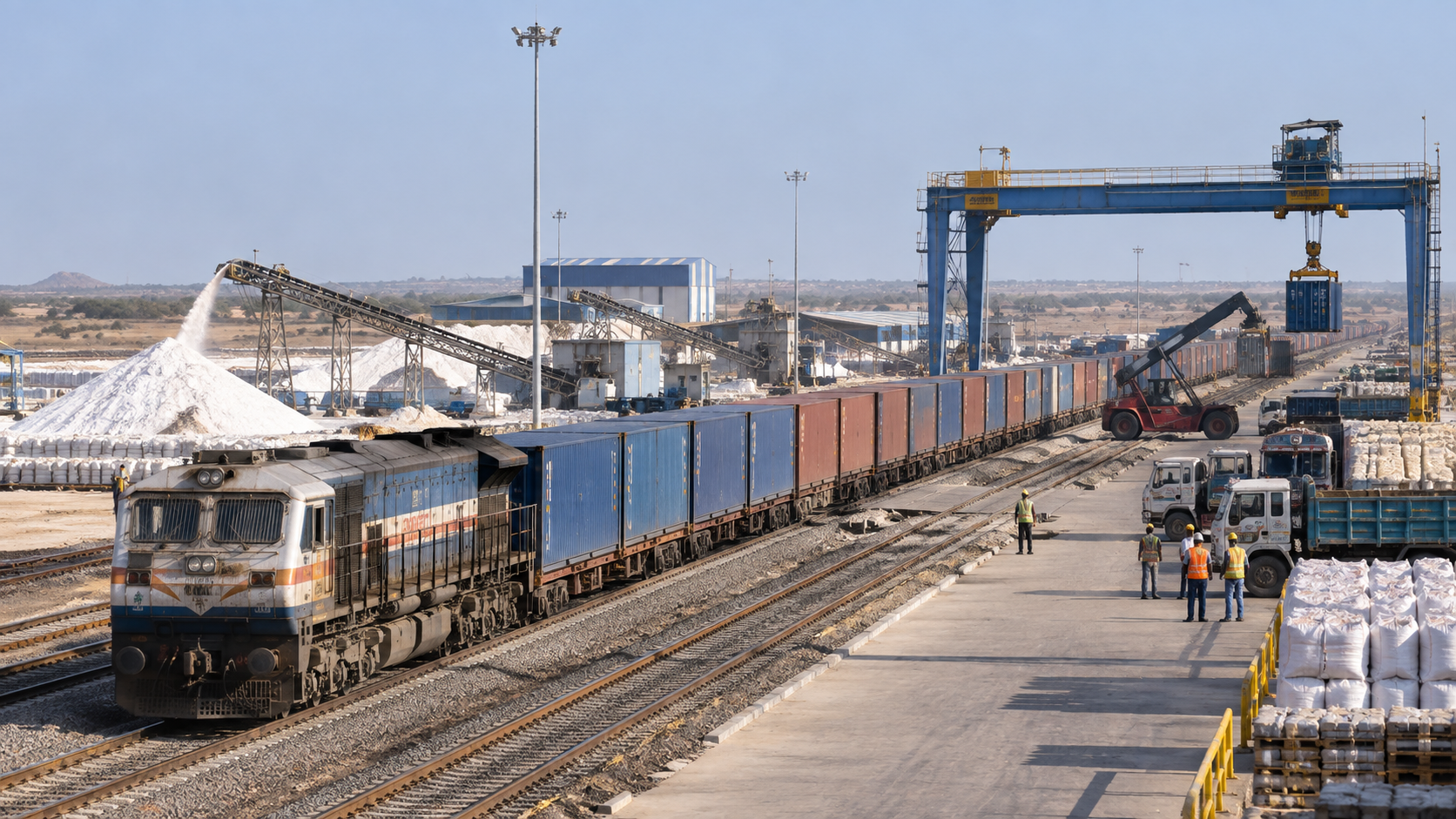
Non-tariff measures and recovery from COVID-19

The advent of the COVID-19 pandemic and its continued presence urged countries to turn inward and primarily safeguard national interests and impose immediate export and import controls through non-tariff measures. Going forward, as economies recover, such international trade policy approaches needs to be deeply scrutinized and further streamlined.

  • Non-tariff measures are critical trade policy instruments often imposed to counter market failures such as asymmetric information and negative externalities.
  • However, with evolving markets and shifts in the business environment, these measures pose challenges to exporters, importers, and policymakers.
  • As the world transitions into a new normal with strict social distancing protocols in place, international trade policy measures need to be deeply scrutinized and further streamlined to ensure the resilient recovery of economies.
  • It becomes significant to ensure that these measures be lifted to move the economies to a stable recovery with cooperation and integration of economies. A transparent network based on cooperation and integration among the countries is essential.

Non-tariff barriers_TPCI

Image source: Shutterstock

Non-tariff measures are critical trade policy instruments often imposed to counter market failures such as asymmetric information and negative externalities. These policy instruments include technical and regulatory standards for non-trade-related goals such as health and environmental protection. These measures are of two types:

(i) Sanitary and Phytosanitary (SPS) measures and

(ii) Technical Barriers to Trade (TBT)

However, with evolving markets and shifts in the business environment, these measures pose challenges to exporters, importers, and policymakers. As an exporter or importer, the ability to gain from international markets and trade arrives only with compliance to these standards and restrictions. For a policymaker, on the other hand, considerations regarding the restrictive nature of these measures are pivotal.

The difference in such imposed technical measures in varying countries is noteworthy. These differences often lead to increased compliance requirements, trade costs, and logistical arrangements. Medium and small exporters of developing nations are adversely and disproportionately affected by this phenomenon. Instances of exporters’ exclusion from the trade scenario have also been cited.

The advent of the COVID-19 pandemic and its continued presence has urged countries to turn inward and primarily safeguard national interests. Imposed to achieve essential and legitimate objectives, they have impacted the volume and speed of export and import in the world market.

UNCTAD[1] identified four objectives for imposing urgent export and import restrictions. These included:

(i) To ensure adequate and affordable domestic supplies of essentials and medical goods for combatting the virus;

(ii) To eliminate entry of potential disease carriers into the national borders;

(iii) To ensure product quality and safety;

(iv) To pursue economic objectives (Protect domestic industries − COVID financial relief for businesses/ otherwise − Manage domestic demand and supply & Relieve pressure on national currency).

These measures continue to have both positive and negative implications on domestic and world markets. To achieve these objectives, an exponential increase in licensing, packaging, and labelling requirements was witnessed. In addition to this, the countries impose several quality assessments to ensure entry of efficient products in times of crisis. Furthermore, given the associated losses and economic downturn that the global economy continues to face, countries deemed it essential to safeguard their industries and enterprises by promoting domestic products and maintaining incomes.

However, as the world transitions into a new normal with strict social distancing protocols in place, international trade policy measures need to be deeply scrutinized and further streamlined. This is pivotal to ensure the resilient recovery of the economies, as the interdependence could contribute extensively in regaining the momentum of these developed and developing nations as they move out of isolation and lockdowns.

It is imperative to note that while some of these restrictions continue to be necessary and pivotal to maintain public health & safety standards in the home countries, others have severe negative implications on the economic and developmental scenarios of the countries and also their trading partners.

For instance, the global shortage of medical equipment, testing kits, and remedies during the first and the second waves of the pandemic justified countries’ urge to impose restrictions on the export of such critical supplies[2]. This is particularly distressing for the status of global value chains, particularly in times of a global crisis like COVID. However, the restrictions on food exports appeared superfluous and indicated a reaction to immediate storage and panic buying.

These trade measures were implemented with an understanding that they would be temporary to safeguard the nations’ immediate interests. Therefore, it becomes significant to ensure that these measures be lifted to move the economies to a stable recovery with cooperation and integration of economies. If mishandled, these can transition into market-distorting measures[3].

Simultaneously, countries may also contemplate converting these temporary regulations into permanent measures, given that they bring more gain to the economies and global markets at large. For example, tariff reductions or exemptions for medical supplies, and trade bans of wildlife have more positive implications than negative ones. Therefore, to achieve this, a transparent network based on cooperation and integration among the countries is essential.

Options could be to streamline NTMs and trade regulations between industries; to make information on industry-specific NTMs accessible and understandable even by outsiders, or to build the capacity of producers to quickly adapt to NTMs of other industries. Moreover, countries should prepare policies and regulations to cope with the situation in the future when vaccines against COVID-19 are developed or another crisis comes, so that they can smoothen the production and distribution of the vaccines.

Also, trade measures that facilitate the sourcing of quality information, communication equipment and devices and that promote the digital economy will buffer the shock of another crisis. Efforts to eliminate or replace measures such as quantity control measures and contingent trade protective measures should be made to counter the extensive trade-distorting effects that these policies have.

For instance[4], tariff quotas and import licensing requirements should be replaced with tariffs and the ex-post reporting of imports based on customs entries, respectively. Technical measures such as Sanitary and Phyto-Sanitary and product standards should be streamlined or unified with international standards to reduce their trade-distorting effects, while maintaining the non-trade policy objectives such as protecting human, animal, and plant health.

Given the disproportionate impact on least developed countries as an aftermath of the pandemic, the need to simplify and harmonise requirements from non-tariff measures has come to the forefront. This can be achieved only through an established cooperative and transparent regulatory framework. As the Director General of WTO cited[5] “trade through value chains has helped countries access food and essential medical supplies during the crisis”, turning inwards would be a threat to the lives and livelihoods of millions as we navigate our way out of this crisis.

Further, it can fuel protectionist sentiments over the longer term. Exceptional circumstances often require innovative policy discourses and immediate responses. These initiatives are best formulated and implemented in collaboration with all the relevant stakeholders, rather than in isolation. This alone will help engender confidence in the ability of the international community to achieve sustainable trade policy outcomes.

Such an outcome could be manifested in economies mutually accepting assessment procedures and certifications, or adhering solely to the international standards of regulation. This eliminates the less significant trade requirements[6]. The European Union and the Eurasian Economic Union regional bloc have made significant strides in this regard through creating bilateral mutual recognition agreements (MRAs), regional trade agreements, and public-private forums for further coordinated actions.

Another example can be found in Africa’s response to the COVID-19 crisis. A report[7] highlights that discussions regarding the rules of origin for import of PPE-related textile commodities were undertaken as a part of meetings and negotiations for the finalisation of African Continental Free Trade Area (AfCFTA) negotiations.

Therefore, formulating cooperative and collaborative measures to simplify trade requirements is pertinent. As a foundational step, enhancing collaboration on different perspectives, establishing forums for exchange of ideas, encourage discourses and policy dialogue. Such cooperated efforts among departments, regulators and agencies will prove efficient.


[1] UNCTAD (2020). Assessing cost-effectiveness of non-tariff measures: A toolkit. UNCTAD/DITC/TAB/INF/2020/7. Assessing cost-effectiveness of non-tariff measures: A toolkit

[2] Ranney et al (2020). Critical Supply Shortages — The Need for Ventilators and Personal Protective Equipment during the Covid-19 Pandemic. The New England Journal of Medicine. https://www.nejm.org/doi/full/10.1056/NEJMp2006141 

[3]  OECD (2020b). COVID-19 and international trade: Issues and actions. OECD Policy Responses to Coronavirus (COVID-19). Paris. COVID-19 and international trade: Issues and actions (oecd.org) 

[4] Suvannaphakdy and Kevin (2021). Why ASEAN Needs to Reduce Its Non-Tariff Measures on Agri-Food Imports. The Diplomat.  https://thediplomat.com/2021/07/why-asean-needs-to-reduce-its-non-tariff-measures-on-agri-food-imports/

[5] https://www.wto.org/english/news_e/pres21_e/pr876_e.htm

[6] Fiorini  M  et  al.  (2020).  COVID-19:  Expanding  access  to  essential  supplies  in  a  value  chain  world.  Why Turning  Inwards  Won’t  Work.  VoxEU  CEPR  Press.  London. 

[7] OECD  (2020c).  Africa’s  Response  to  COVID-19:  What  roles  for  trade,  manufacturing  and  intellectual property?  OECD  Policy  Responses  to  Coronavirus  (COVID-19).  Paris.
Previous Post
Next Post

Most Recent Posts

  • All Post
  • 8th Pay Commission
  • Aadhar
  • Aditya Birla Capital
  • Advertising Standards
  • Affordable Housing
  • Agriculture
  • Agriculture & Food
  • AI in Healthcare
  • AI Technology
  • Airlines
  • alcohol industry
  • Android
  • APEDA
  • Apple
  • Artificial Intelligence
  • Ashwini Vaishnaw
  • Asset Management
  • Atmanirbhar Bharat
  • Audio Devices
  • Audio Products
  • Auto Industry
  • Automobile
  • Automobiles
  • Automotive
  • Automotive Industry
  • Aviation
  • Bain Healthcare Report 2026
  • Bank
  • Banking
  • Banking Technology
  • Battery Industry
  • Beverage Industry
  • Beverages
  • Bihar
  • biotechnology
  • Bitcoin
  • BMW Group India
  • Brand Insight
  • BRICS
  • Bullion Market
  • Business
  • Business & Economy
  • Business & Trade
  • Business Leadership Post COVID-19
  • Business News
  • Business Terminology
  • Business Utilities
  • Buyback
  • Capital Goods
  • Capital Markets
  • CarsBusiness
  • CBIC
  • CCI
  • Child Investment
  • China
  • China technology news
  • Citizen Services
  • Clean Energy
  • Clean Technology
  • Cloud Computing
  • coal
  • Commerce
  • Commerce and Industry
  • Commercial Real Estate
  • Commercial Vehicles
  • Commodities
  • Communications
  • Companies
  • Competition Law
  • Compliance
  • Computer Accessories
  • connected cars
  • Consumer Affairs
  • Consumer Electronics
  • Consumer Finance
  • Consumer Goods
  • Consumer Health
  • Consumer Markets
  • Consumer News
  • Consumer Protection,
  • Consumer Rights
  • Consumer Spending
  • Consumer Trends
  • Content Creation
  • Copper
  • Corporate
  • corporate affairs
  • Corporate Earnings
  • Corporate Governance
  • Corporate News
  • Corporate Social Responsibility
  • Cost of Living
  • Country
  • CRED
  • Credit Cards
  • CREDIT RATING
  • Crude Oil
  • Cryptocurrency
  • CSR
  • Culture
  • Currency
  • Customs Duty
  • Cyber Security
  • Cybersecurity
  • Dairy Industry
  • Data & Analytics
  • Defence
  • Delhi Government
  • Delhi-NCR
  • Demographics
  • Derivatives
  • DGCA
  • DGFT
  • DigiLocker
  • Digital Assets
  • Digital Economy
  • Digital Health India
  • Digital Identity
  • Digital India
  • Digital Infrastructure
  • Digital passport for robots
  • Digital Payments
  • Digital Platforms
  • digital services
  • Diplomacy
  • Dixon Technologies
  • DPIIT
  • E Commerce
  • E-commerce
  • E-Governance
  • Ease of Doing Business
  • Economic Growth
  • Economy
  • Edible Oil Industry
  • Editor Choice
  • EdTech
  • Education
  • Electric Mobility
  • Electric Vehicles
  • Electronics
  • Employment
  • ENERGY
  • Engineering
  • Entertainment
  • Environment
  • EPFO
  • Ethanol Economy
  • EV Industry
  • EV Technology
  • Exports
  • EXTER
  • Farmers
  • Fashion
  • FINANCE
  • Finance Ministry,
  • Financial Marketing
  • Financial Markets
  • Financial News
  • Financial Planning
  • Financial Results
  • Financial Services
  • Fintech
  • FnTech
  • Food & Beverage
  • Food & Beverages
  • Food Exports
  • Food Industry
  • Food Manufacturing
  • Food Processing
  • Food Regulations
  • food safety
  • Foreign Exchange
  • Foreign Investment
  • Foreign Policy
  • Foreign Trade
  • Forex Reserves
  • fssai
  • FTA
  • Fuel
  • Fuel Prices
  • Future Energy
  • Gadgets
  • Gadgets & Apps
  • Gaming
  • GDP
  • Generative AI Healthcare
  • Geopolitics
  • GI Products
  • Global Brand Alliance
  • Global Economy
  • Global Markets
  • Global Politics
  • Global Tech
  • Global Trade Policy
  • Global Trends\
  • Gold
  • Gold Market
  • Gold Prices
  • Gols & Silver
  • Government
  • Government & Policy
  • Government Affairs
  • Government Bonds
  • Government Data
  • Government Initiatives
  • Government Policy
  • Government Policy & Regulation
  • Government Scheme
  • Government Schemes
  • Government Services
  • Green Energy
  • Green Mobility
  • GroupGlobal
  • GST
  • GST Council
  • GST Counsil
  • Hair Care
  • Hardware
  • Hatchback Segment
  • Health Supplements,
  • Horticulture
  • Housing
  • HSBC
  • Human Resources
  • humanoid robot market
  • Hyundai
  • IBT Infographics
  • iinvestment
  • Imports & Exports
  • Income Tax
  • India
  • India Auto Market
  • India Business News
  • India Inc
  • India News
  • India Retail
  • India-Canada Relations
  • India-China
  • India-Japan Relations
  • India-Russia Relations
  • India-South Korea Relations
  • India-US Relations
  • Indian Economy
  • Indian Navy
  • Industrial Pollution
  • Inflation
  • Infra
  • Infrastructure
  • Innovation
  • Instagram
  • Insurance
  • international
  • International Affairs
  • International Cooperation
  • International Relations
  • International Trade
  • Internet & Connectivity
  • Internet Policy
  • Internet Regulation
  • Interview
  • Investing
  • Investment News
  • Investments
  • iPhone News
  • IPO
  • IT Industry
  • Jewellery
  • Jio Platforms
  • JioBlackRock
  • Jobs & Careers
  • Joint Ventures
  • Kim Kardashian
  • Labour
  • Latest
  • Launches
  • Leadership
  • Leaderspeak
  • Lending
  • Lifestyle
  • Lifestyle Tech
  • List
  • Loans & Credit
  • Local News
  • Logistics
  • LPG
  • Luxury Cars
  • Machinery
  • Macroeconomics
  • Macroeconomy
  • maharashtra
  • Maharashtra News
  • Make in India
  • Makhana
  • Manufacturing
  • Market Outlook
  • Markets
  • Maruti Suzuki
  • Mergers & Acquisitions
  • Meta
  • Microsoft
  • Middle East
  • Mobile Apps
  • Mobile Industry
  • Mobile Launch
  • Mobility
  • Monetary Policy
  • Monsoon
  • MoSPI
  • MSME
  • Mutual Funds
  • Nano Tech
  • National
  • National news
  • NEET 2026
  • NewsElectric
  • NewsTata
  • NPCI
  • NPS Vatsalya
  • Office Market
  • Oil & Gas
  • Oil and Gas
  • Others
  • OTT
  • Packaged Drinking Water
  • Packaged Foods
  • Packaging Industry
  • Packaging Innovation
  • Passenger Vehicles
  • Paytm
  • Pension & Retirement
  • Pensions
  • Personal Care
  • Personal Finance
  • Perspectives
  • Petroleum
  • PFRDA
  • Pharmaceuticals
  • PM Modi
  • PMAY-G
  • PMAY-U
  • PMAY,
  • PMI
  • policy
  • Population
  • PORTS
  • Positive News
  • PPF
  • Precious Metals
  • Pricing
  • Product Labeling
  • Product Labelling
  • Product Launch
  • Property Market
  • PSU
  • PSU Banks
  • Public Health
  • Public Policy
  • Public Safety
  • Public Sector
  • Public Services
  • Public Welfare
  • Quarterly Results
  • Railways
  • Rajasthan
  • Raksha Bandhan
  • Raksha Bandhan Gifts
  • Rare Earths
  • RBI
  • Real Estate & Realty Sector
  • Recycling
  • Regulation
  • Regulatory Action
  • Regulatory Affairs
  • Regulatory Updates
  • REIT
  • Reliance Industries
  • Renewable Energy
  • RERA
  • Research
  • Retail
  • Retirement Planning
  • Road Infrastructure
  • Robotics & Automation
  • robotics standards
  • Rupee
  • Rural Development
  • Rural Housing
  • SAIL
  • Salaries
  • Samsung
  • Savings
  • Science & Technology
  • Sebi
  • Security
  • Semiconductor
  • Services Sector,
  • SHIPPING
  • Silver Prices
  • Skill Development
  • Skills Development
  • Small Business
  • Smart Devices
  • Smart Home
  • Smart Mobility
  • Smartphones
  • Social Impact
  • Social Media
  • Society
  • Software Development
  • Solar Energy
  • Space Technology
  • Startups
  • Statistics
  • Steel Industry
  • Stock Market
  • stocks
  • streaming
  • Sugar Industry
  • Sukanya Samriddhi Yojana
  • Sustainability
  • SUV
  • Tamil Nadu Pollution Board
  • Tariffs
  • Tariffs & Duties
  • Tata Group
  • Tata Motors
  • Tata Sons
  • Tax Planning
  • Taxation
  • Tech
  • Tech Branding
  • Technology
  • Telecom & Technology
  • Telecom Industry
  • Top Story
  • Tourism
  • Trade
  • Trade Agreement
  • Trade Basket
  • Trade Partner
  • Trade Policy,
  • Transportation
  • Travel
  • Trending
  • Two-Wheelers
  • UIDAI
  • UPI
  • Urban Development
  • US-Iran Conflict Economic Impact
  • US–India Relations
  • Uttar Pradesh
  • VehiclesLuxury
  • vivo
  • Wastewater Management
  • Water Quality,
  • Wealth Management
  • Wearables
  • Wellness
  • WhatsApp
  • Wheat
  • Workplace
  • World
  • World News
  • Worldview
  • Yamaha
  • zLead Slider
    •   Back
    • Healthcare
    • Auto
    • Fmcg
    • Hospitality
    •   Back
    • Cash Crop
    • Organic
    • New Era Agri
    • Processed Food
    •   Back
    • Construction
    • Power
    • Mining
    • Telecom
    •   Back
    • ENERGY
    •   Back
    • Export/Import
    • Trade Deal
    • Trade Fair
    •   Back
    • Policies
    • Industry
    • Finance
    •   Back
    • Others technology
    • Mobile phone
    • Gadgets
    •   Back
    • Manufacturing
    • Services
    • Startup

India Business & Trade is a national media platform decoding the ideas, decisions and shifts shaping India’s growth story—across plicy, business, global commerce and a rapidly evolving marketplace.

Reach Us

India Business & Trade
M-62, Saket, New Delhi-110064, India

Subscribe To Newsletter

Stay ahead in the dynamic world of trade and commerce with India Business & Trade’s weekly newsletter.

Copyright © 2026 India Business & Trade. All Rights Reserved


Fatal error: Uncaught TypeError: Unsupported operand types: string * int in /var/www/sites/indiabusinesstrade.in/wp-content/plugins/royal-elementor-addons/admin/includes/wpr-templates-modal-popups.php:192 Stack trace: #0 /var/www/sites/indiabusinesstrade.in/wp-content/plugins/royal-elementor-addons/admin/includes/wpr-templates-modal-popups.php(128): WprAddons\Admin\Includes\WPR_Templates_Modal_Popups::get_template_settings() #1 /var/www/sites/indiabusinesstrade.in/wp-content/plugins/royal-elementor-addons/admin/includes/wpr-templates-modal-popups.php(106): WprAddons\Admin\Includes\WPR_Templates_Modal_Popups::render_popup_content() #2 /var/www/sites/indiabusinesstrade.in/wp-content/plugins/royal-elementor-addons/admin/includes/wpr-templates-modal-popups.php(64): WprAddons\Admin\Includes\WPR_Templates_Modal_Popups::display_popups_by_location() #3 /var/www/sites/indiabusinesstrade.in/wp-includes/class-wp-hook.php(341): WprAddons\Admin\Includes\WPR_Templates_Modal_Popups->render_popups() #4 /var/www/sites/indiabusinesstrade.in/wp-includes/class-wp-hook.php(365): WP_Hook->apply_filters() #5 /var/www/sites/indiabusinesstrade.in/wp-includes/plugin.php(522): WP_Hook->do_action() #6 /var/www/sites/indiabusinesstrade.in/wp-includes/general-template.php(3224): do_action() #7 /var/www/sites/indiabusinesstrade.in/wp-content/plugins/royal-elementor-addons/admin/templates/wpr-canvas.php(64): wp_footer() #8 /var/www/sites/indiabusinesstrade.in/wp-includes/template-loader.php(132): include('...') #9 /var/www/sites/indiabusinesstrade.in/wp-blog-header.php(19): require_once('...') #10 /var/www/sites/indiabusinesstrade.in/index.php(17): require('...') #11 {main} thrown in /var/www/sites/indiabusinesstrade.in/wp-content/plugins/royal-elementor-addons/admin/includes/wpr-templates-modal-popups.php on line 192