Crude oil prices rose slightly as optimism over US-Iran peace efforts supported market sentiment, while increased Gulf supplies limited further gains.
Key Highlights:
- Brent crude rose 0.64% to $72.26 per barrel.
- WTI crude gained 0.47% to $69.01 per barrel.
- Markets remained cautiously optimistic over US-Iran peace efforts.
- Shipping through the Strait of Hormuz has partially resumed.
- Gulf producers are increasing oil output as exports recover.
- Growing supply and easing geopolitical tensions are limiting further price gains.
Global crude oil prices edged higher on Friday as investors remained cautiously optimistic that peace efforts between the United States and Iran would help maintain stability in the Middle East and prevent fresh supply disruptions.
Brent crude futures gained 46 cents (0.64%) to $72.26 per barrel, while US West Texas Intermediate (WTI) crude rose 32 cents (0.47%) to $69.01 per barrel.
Despite Friday’s gains, both benchmark contracts had fallen to their lowest levels since before the US-Iran conflict escalated in late February, reflecting improving supply conditions and easing geopolitical concerns.
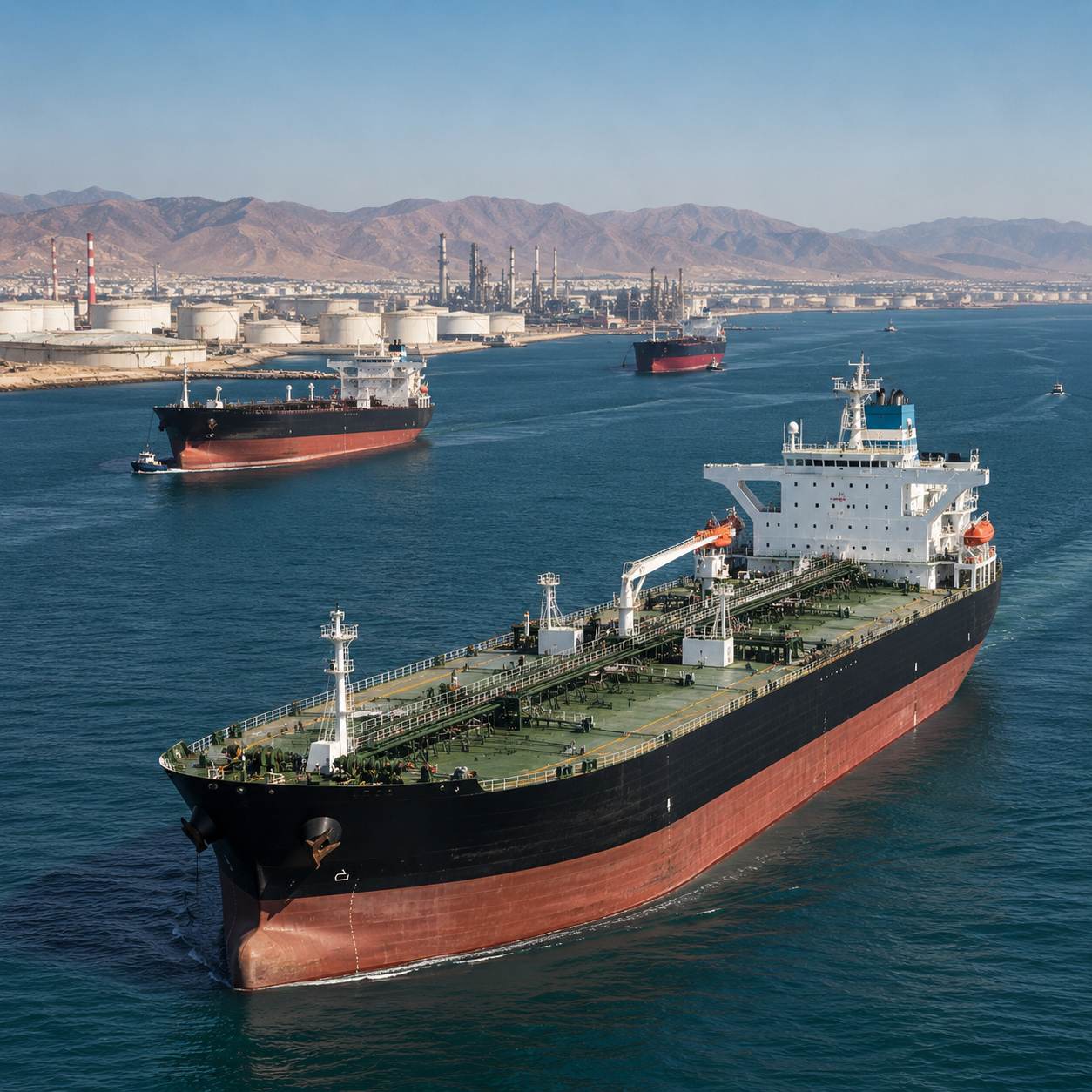
Market sentiment has been supported by the partial reopening of shipping through the Strait of Hormuz, a critical global energy trade route that handles nearly one-fifth of the world’s oil and liquefied natural gas supplies.
Oil production across the Gulf region has also started recovering. Kuwait significantly increased output during June, while several Saudi oil supertankers have resumed exports through the Strait of Hormuz following the interim peace agreement.
Analysts noted that increasing crude supplies, along with continued releases from the US Strategic Petroleum Reserve, are helping balance the market. The shift of Brent’s forward curve into contango also indicates expectations of improved near-term supply availability.
Although geopolitical risks remain, traders are closely monitoring developments in the Middle East to assess whether the current peace efforts will lead to sustained stability in global energy markets.