Car owners who drive only occasionally can significantly reduce their insurance costs through IRDAI’s Pay-As-You-Drive (PAYD) insurance model, where premiums are linked to annual vehicle usage instead of a fixed rate.
Highlights
- PAYD insurance is ideal for people who use their cars infrequently.
- Drivers can save up to 40% on the own-damage component of their premium.
- Premiums are calculated based on the annual distance driven.
- Insurers monitor vehicle usage through odometer readings, telematics devices, or mobile apps.
- Third-party insurance premiums remain unchanged as they are regulated.
- Exceeding the selected kilometre limit may require paying an additional premium.
Car owners who use their vehicles only occasionally may no longer have to pay the same insurance premium as those who drive every day. The Insurance Regulatory and Development Authority of India (IRDAI) has enabled insurers to offer Pay-As-You-Drive (PAYD) motor insurance plans, allowing customers to pay premiums based on how much they actually use their vehicles.
Under the PAYD model, policyholders choose an estimated annual kilometre slab while purchasing or renewing their motor insurance policy. If the vehicle’s usage remains within the selected limit during the policy period, the owner can enjoy a lower own-damage insurance premium compared to a conventional motor insurance policy.
The biggest advantage of the PAYD plan is cost savings for low-mileage drivers. According to insurers, customers may save up to 40% on the own-damage portion of their premium. This makes the policy particularly attractive for people who use their cars only on weekends, for occasional family outings, or for long-distance travel rather than daily commuting.
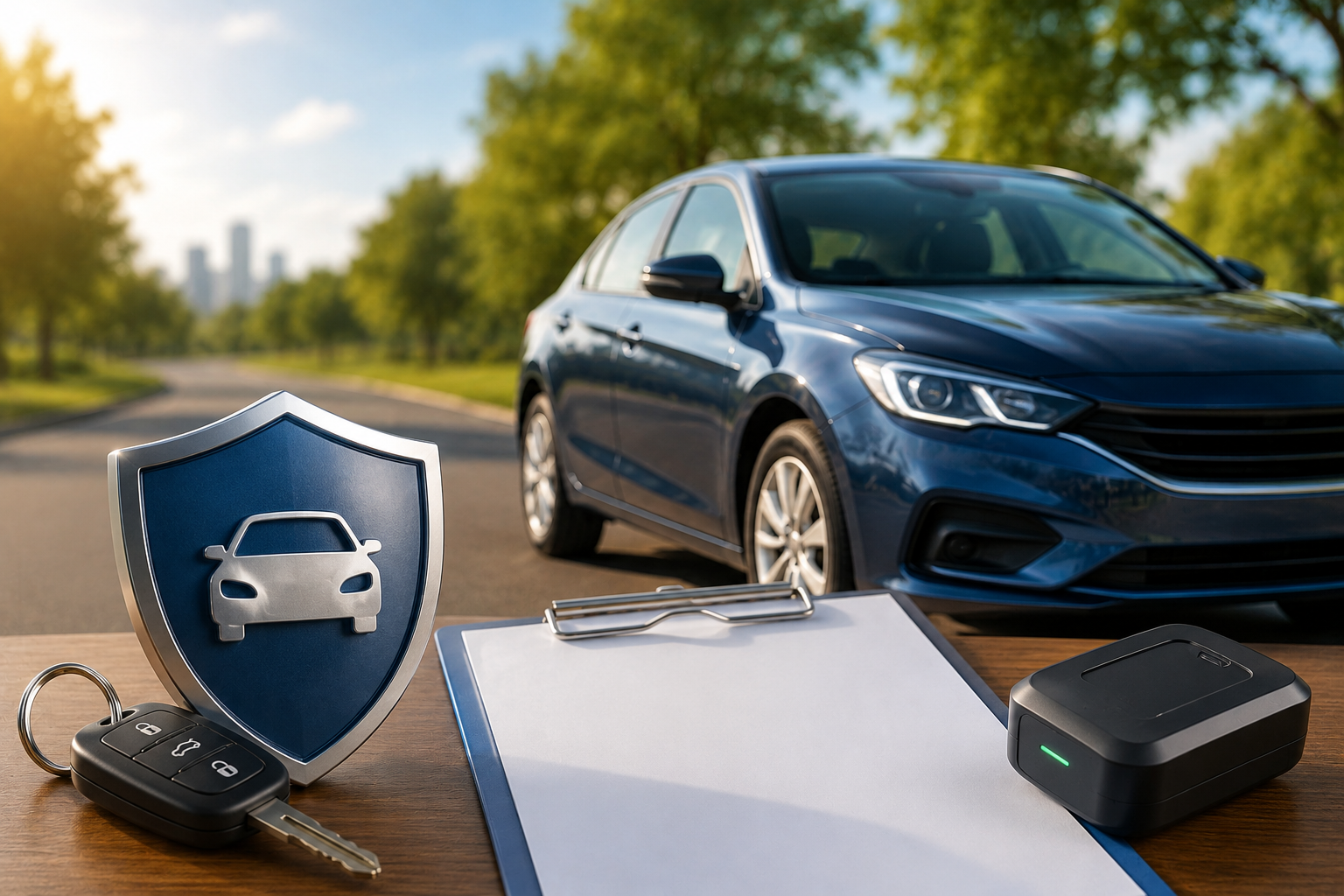
Insurance companies use different methods to monitor vehicle usage. Some rely on odometer readings recorded at the beginning and end of the policy period, while others use telematics devices installed in the vehicle or smartphone applications that track the total distance travelled. These technologies help insurers accurately calculate vehicle usage and determine eligibility for discounted premiums.
However, policyholders should note that the savings apply only to the own-damage component of the insurance policy. The third-party insurance premium is fixed by the regulator and remains the same regardless of how much the vehicle is driven.
Before opting for a PAYD policy, customers should carefully evaluate their driving habits. Those who use their vehicles daily may not benefit from such plans, as exceeding the selected kilometre limit could result in additional premium charges or policy adjustments. Prospective buyers should also understand how their insurer records mileage, whether the kilometre slab can be upgraded during the policy period, and what charges apply if usage exceeds the declared limit.
Experts believe PAYD insurance is a customer-friendly innovation that promotes fair pricing by aligning insurance costs with actual vehicle usage. As connected vehicle technology and telematics become more common in India, usage-based insurance products are expected to gain wider acceptance among urban consumers looking to reduce ownership costs without compromising insurance protection.