PhonePe Retains Lead As UPI Grows
Key Highlights
- PhonePe continued to lead India’s UPI ecosystem in July.
- The platform processed 10.86 billion UPI transactions during the month.
- PhonePe accounted for around 45.89% of total UPI transaction volume.
- Google Pay processed 7.65 billion transactions, maintaining its position as the second-largest player.
- Paytm processed around 1.90 billion transactions during July.
- PhonePe and Google Pay together processed more than three-fourths of UPI transactions.
- UPI continued to record strong growth in both transaction volume and value.
- Smaller players also continued to expand their presence in India’s digital payments market.
New Delhi, August 15: PhonePe continued to dominate India’s Unified Payments Interface (UPI) ecosystem in July, processing 10.86 billion transactions as digital payments maintained their strong growth momentum.
Data released by the National Payments Corporation of India (NPCI) showed that PhonePe remained comfortably ahead of its closest competitors, Google Pay and Paytm, in terms of transaction volumes.
The figures underline PhonePe’s continued dominance of India’s rapidly expanding digital payments market.
PhonePe Maintains UPI Leadership
PhonePe processed 10.86 billion UPI transactions in July, accounting for nearly 45.89% of the total UPI transaction volume.
The company’s position was significantly ahead of other major UPI platforms, highlighting the scale of its user base and merchant network across the country.
PhonePe’s strong performance comes as UPI continues to become an increasingly important part of everyday payments, from small retail purchases to larger digital transactions.
Google Pay Holds Second Position
Google Pay remained the second-largest UPI platform during the month.
The platform processed approximately 7.65 billion transactions in July, giving it a substantial share of India’s UPI market.
While Google Pay remained well behind PhonePe in transaction volumes, the two platforms together continued to account for the majority of UPI activity in the country.
The intense competition between the two leading platforms remains a defining feature of India’s digital payments landscape.
Paytm Remains Third
Paytm retained the third position among the leading UPI platforms, processing around 1.90 billion transactions during July.
Although its transaction volume was considerably lower than PhonePe and Google Pay, Paytm continued to maintain a significant presence in the UPI ecosystem.
The platform’s performance also reflects the continued importance of established fintech companies in India’s digital payments market.
UPI Transaction Value Remains Strong
Alongside transaction volumes, UPI continued to process a massive value of payments during the month.
PhonePe alone processed transactions worth around ₹14.44 lakh crore, according to the data highlighted in the report.
The scale demonstrates how UPI has moved beyond being primarily a platform for small digital payments and has become a major channel for transactions across India’s economy.
Smaller Players Expand
While PhonePe, Google Pay and Paytm continued to dominate the market, smaller UPI players also recorded meaningful transaction volumes.
The growing number of platforms participating in the ecosystem is helping expand consumer choice while increasing competition in India’s digital payments sector.
Banks and fintech companies are also continuing to develop UPI-based products and services as digital payments become more deeply integrated into everyday commerce.
Digital Payments Continue To Grow
The July figures highlight the continued strength of India’s digital payments ecosystem.
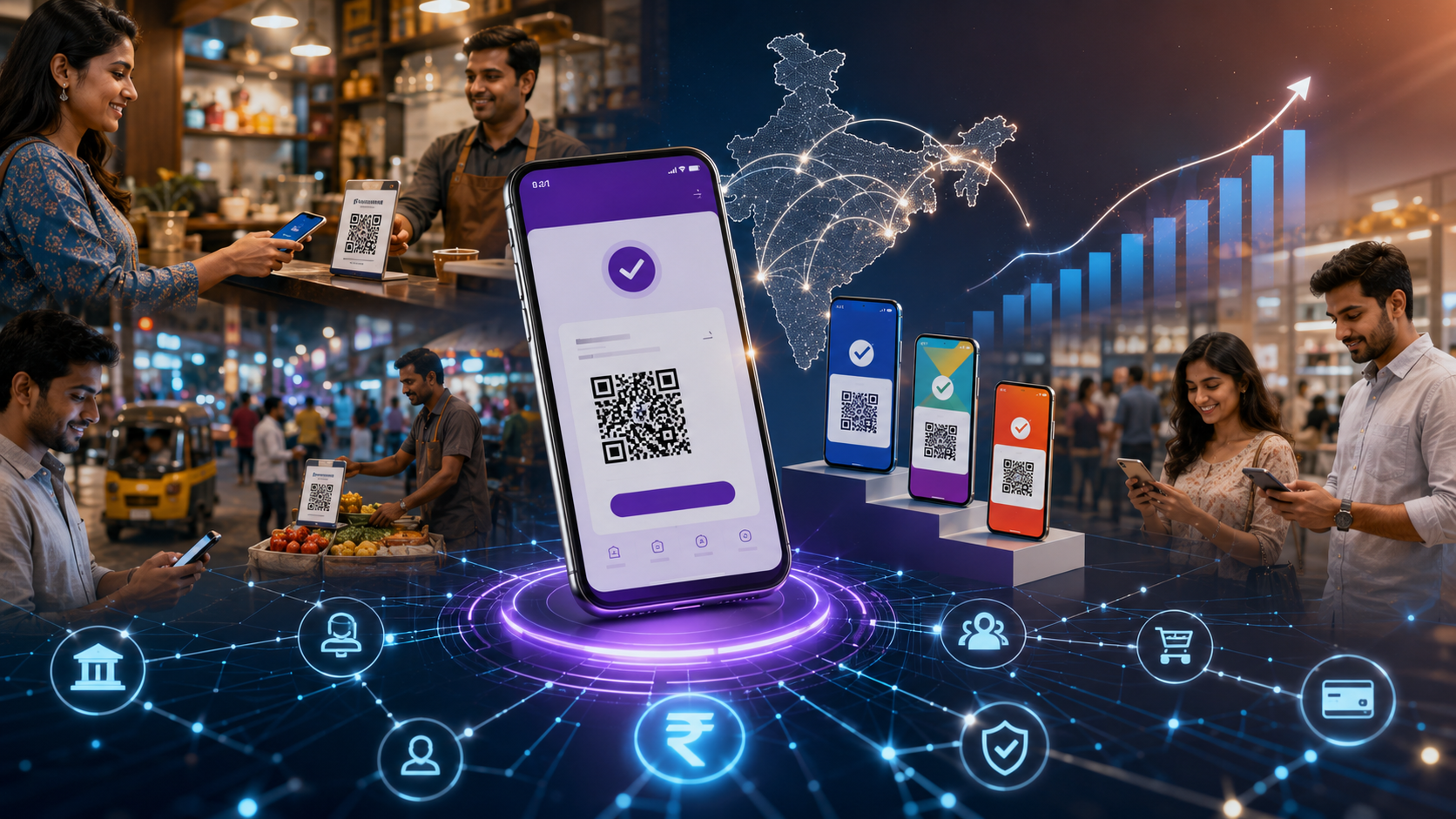
UPI’s rapid adoption has been supported by widespread smartphone usage, expanding internet access, QR-code payments and the growing acceptance of digital transactions among merchants.
PhonePe’s continued leadership shows the importance of scale and merchant reach in India’s competitive fintech market.
With transaction volumes continuing to rise, UPI is expected to remain one of the country’s most important digital infrastructure platforms, supporting India’s transition towards a more digitally connected payments economy.