Subheading
Modi highlights clean energy, nuclear power, AI and infrastructure as key areas for deeper India-Australia business ties.
Key Highlights
- Prime Minister Narendra Modi urged Australian businesses to expand investments in India.
- He highlighted opportunities in clean energy, nuclear power, AI, semiconductors and infrastructure.
- Modi said exports to Australia have doubled since the India-Australia ECTA came into force.
- India and Australia are working towards a Comprehensive Economic Cooperation Agreement (CECA).
- The Prime Minister invited Australian pension funds to invest in India’s long-term growth.
- He proposed stronger state-to-state and sector-specific partnerships between the two countries.
News Story
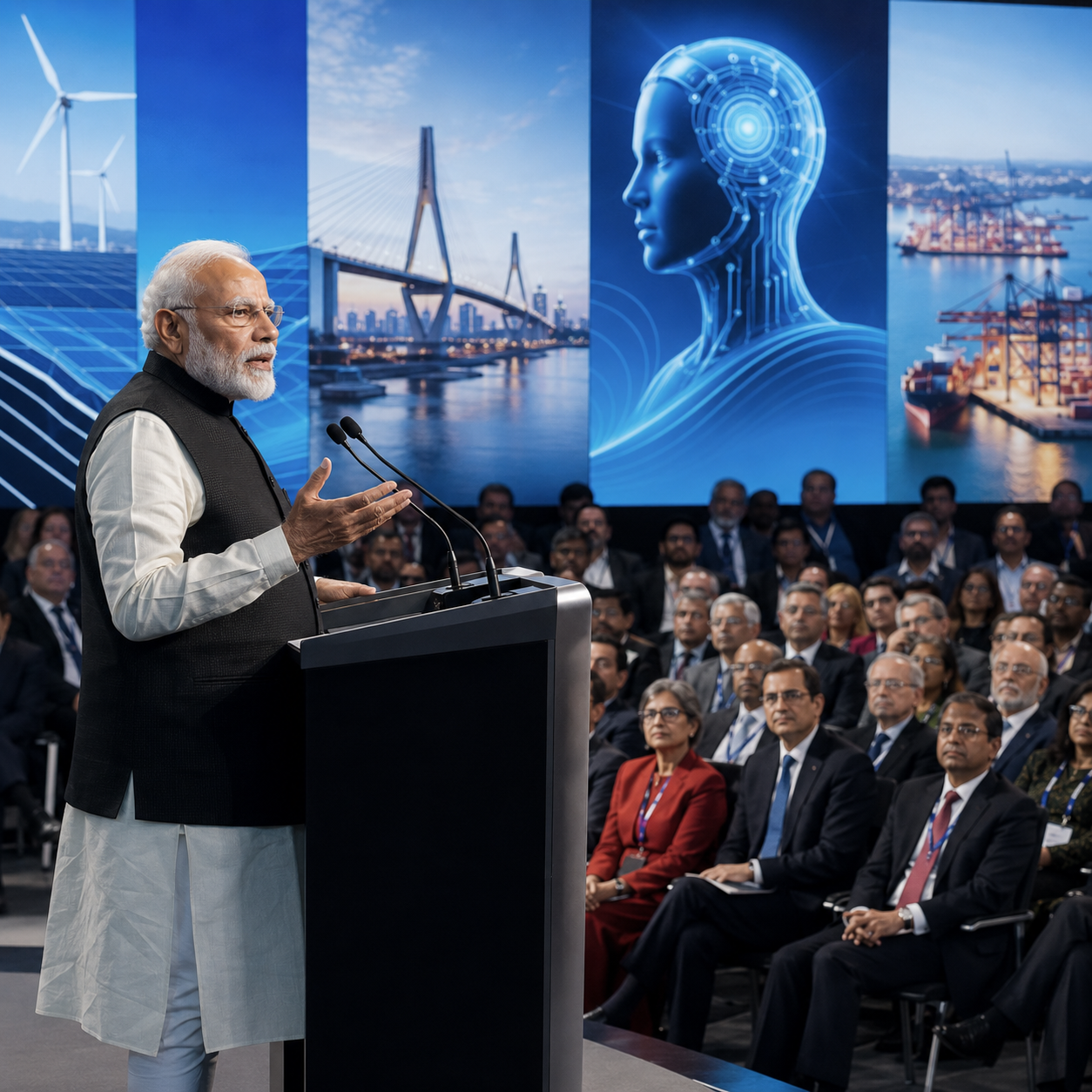
New Delhi: Prime Minister Narendra Modi called on Australian businesses to deepen investments in India, highlighting opportunities across clean energy, infrastructure, advanced technology and manufacturing during his address at the Economic Roadmap Business Reception.
Describing India and Australia as “natural and trusted partners,” the Prime Minister said the two countries are well-positioned to strengthen economic cooperation at a time when the global economy is facing uncertainty, supply chain disruptions and energy challenges.
Modi noted that the India-Australia Economic Cooperation and Trade Agreement (ECTA) has significantly boosted bilateral trade since its implementation in 2022, with India’s exports to Australia doubling. He added that both countries are now working towards concluding a broader Comprehensive Economic Cooperation Agreement (CECA).
Highlighting India’s clean energy ambitions, the Prime Minister said the country is building a manufacturing ecosystem for green hydrogen, solar modules, wind energy equipment and hydropower projects. He reiterated India’s targets of 500 GW of renewable energy capacity by 2030 and net-zero emissions by 2070, inviting Australian technology and investment to support the transition.
Modi also pointed to new opportunities in the nuclear energy sector, noting that recent policy reforms have opened the sector to private participation. He said Australia’s uranium reserves and India’s target of 100 GW of nuclear energy by 2047 create significant scope for collaboration.
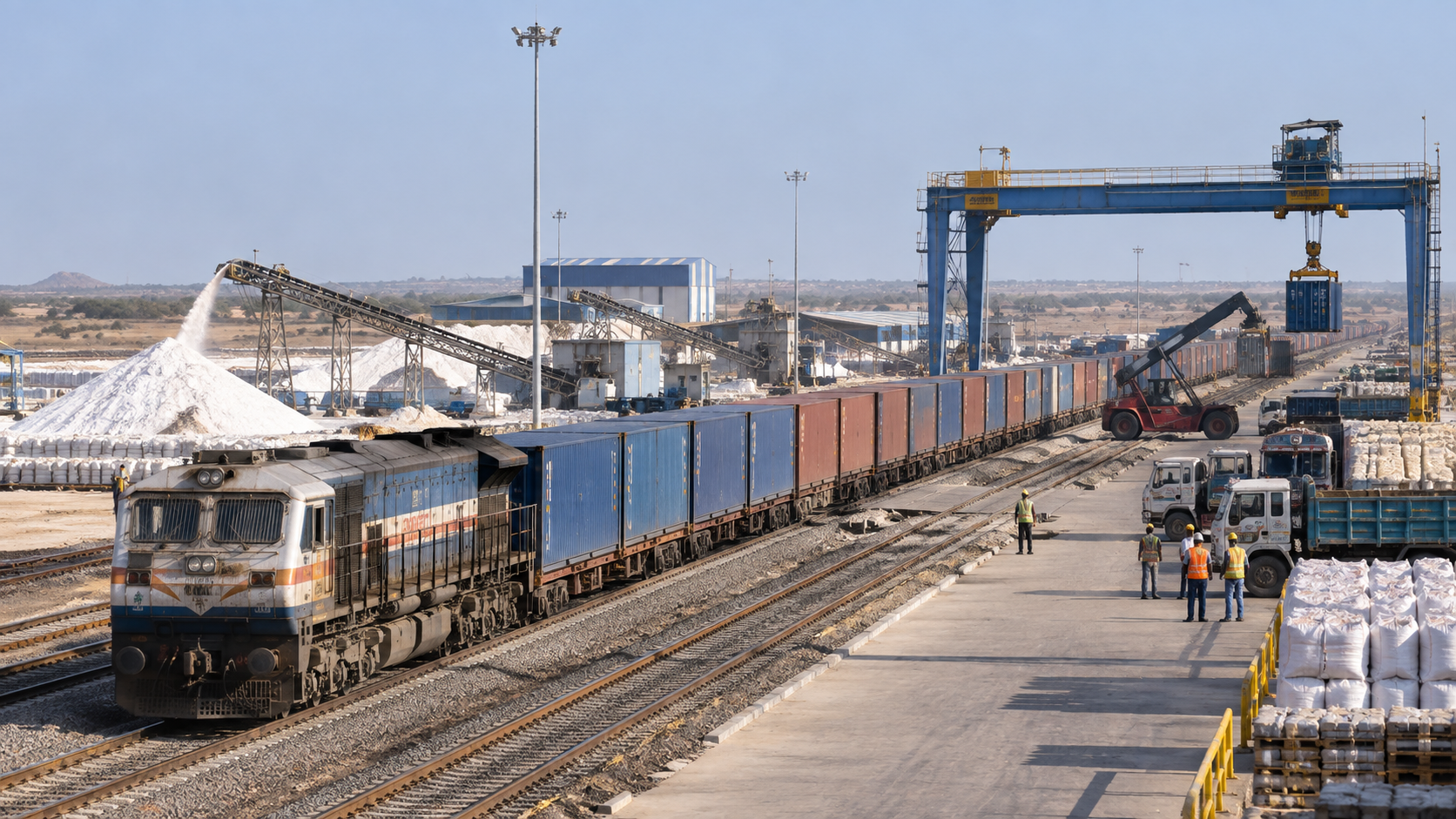
The Prime Minister showcased India’s infrastructure growth, citing rapid expansion in highways, railways, ports and airports, while encouraging long-term investments from Australian pension funds.
He further highlighted India’s push in artificial intelligence, quantum computing, semiconductors and digital public infrastructure, noting that the government has committed more than $10 billion to support these strategic sectors.
Calling for broader engagement beyond national governments, Modi proposed greater state-to-state and sector-to-sector partnerships, linking Australian strengths in critical minerals, education, finance, clean energy and defence with Indian states known for manufacturing, technology and industrial development.
He expressed confidence that closer business collaboration would generate new investments, innovation and long-term economic growth for both countries.