Reserve Bank Bulletin says foreign investment inflows reflect renewed confidence in India’s economy. Strong industrial activity, exports and FDI continue despite global uncertainties.
Highlights
- RBI says India remains among the world’s fastest-growing major economies.
- Foreign investment inflows indicate renewed confidence in the economy.
- FPIs invested USD 3.1 billion in equity and debt markets in July so far.
- FDI remained strong, led by Japan, Singapore and Mauritius.
- India-UK CETA expected to further boost exports and trade.
- CPI inflation rose to 4.4% in June, driven by food and fuel prices.
The Reserve Bank of India (RBI) has said that the return of foreign investments in recent months reflects growing confidence in the Indian economy, even as the global economy continues to face geopolitical tensions and supply chain disruptions.
In its July Bulletin, the RBI noted that India has remained one of the fastest-growing major economies in the world and continued to maintain strong economic momentum through June. The central bank said both industrial production and services sector activity remained robust, highlighting the resilience of domestic demand.
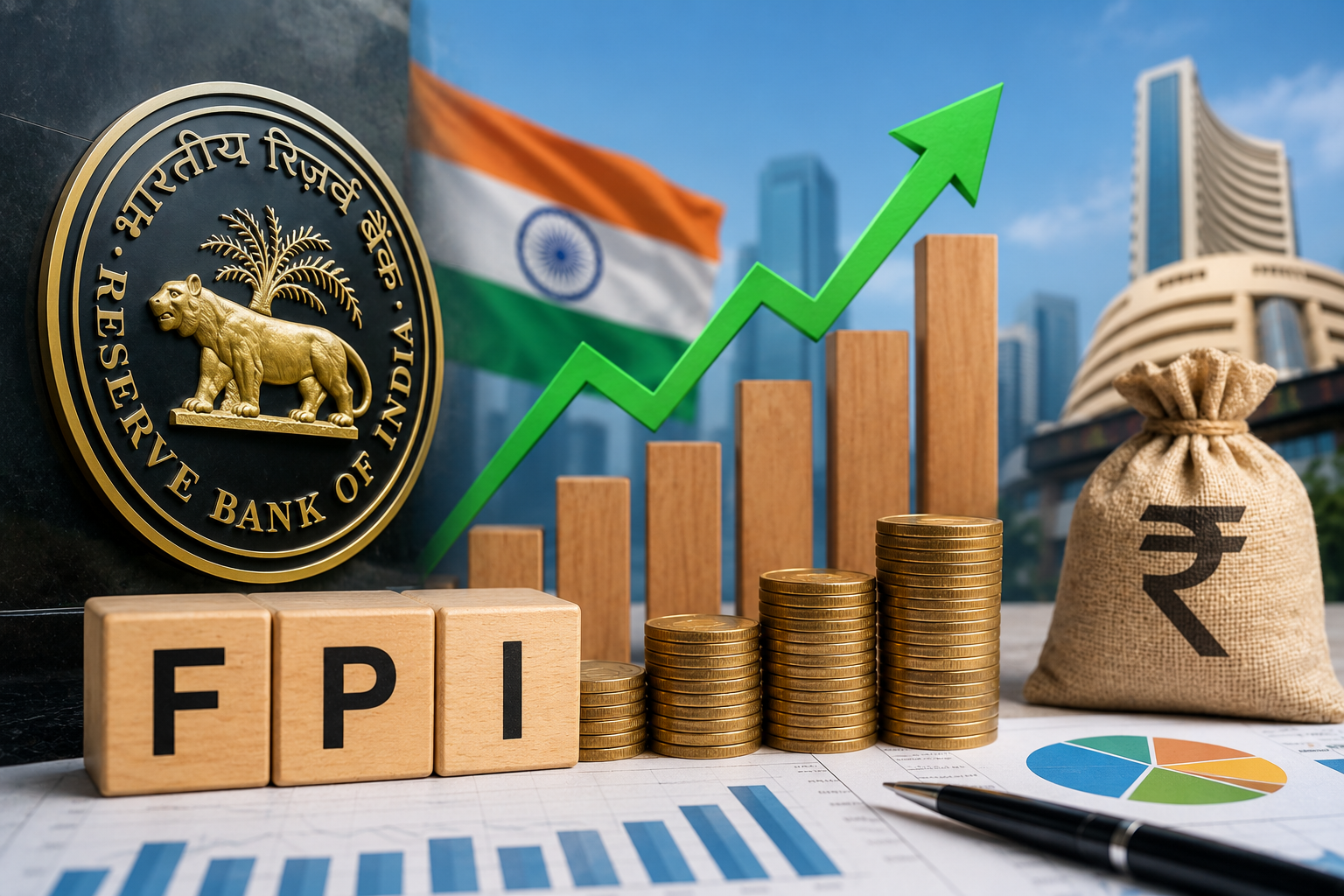
According to the Bulletin, foreign portfolio investment (FPI) flows turned positive in June 2026 due to supportive policy measures and easing geopolitical tensions. Overseas investors infused USD 3.1 billion into Indian equity and debt markets during July (up to July 20), signalling renewed confidence in India’s growth prospects.
Foreign direct investment (FDI) also remained healthy during April-May 2026. Japan, Singapore and Mauritius together accounted for around 74% of total equity inflows. Financial services, manufacturing, retail and wholesale trade, and computer services emerged as the biggest recipients of foreign investments.
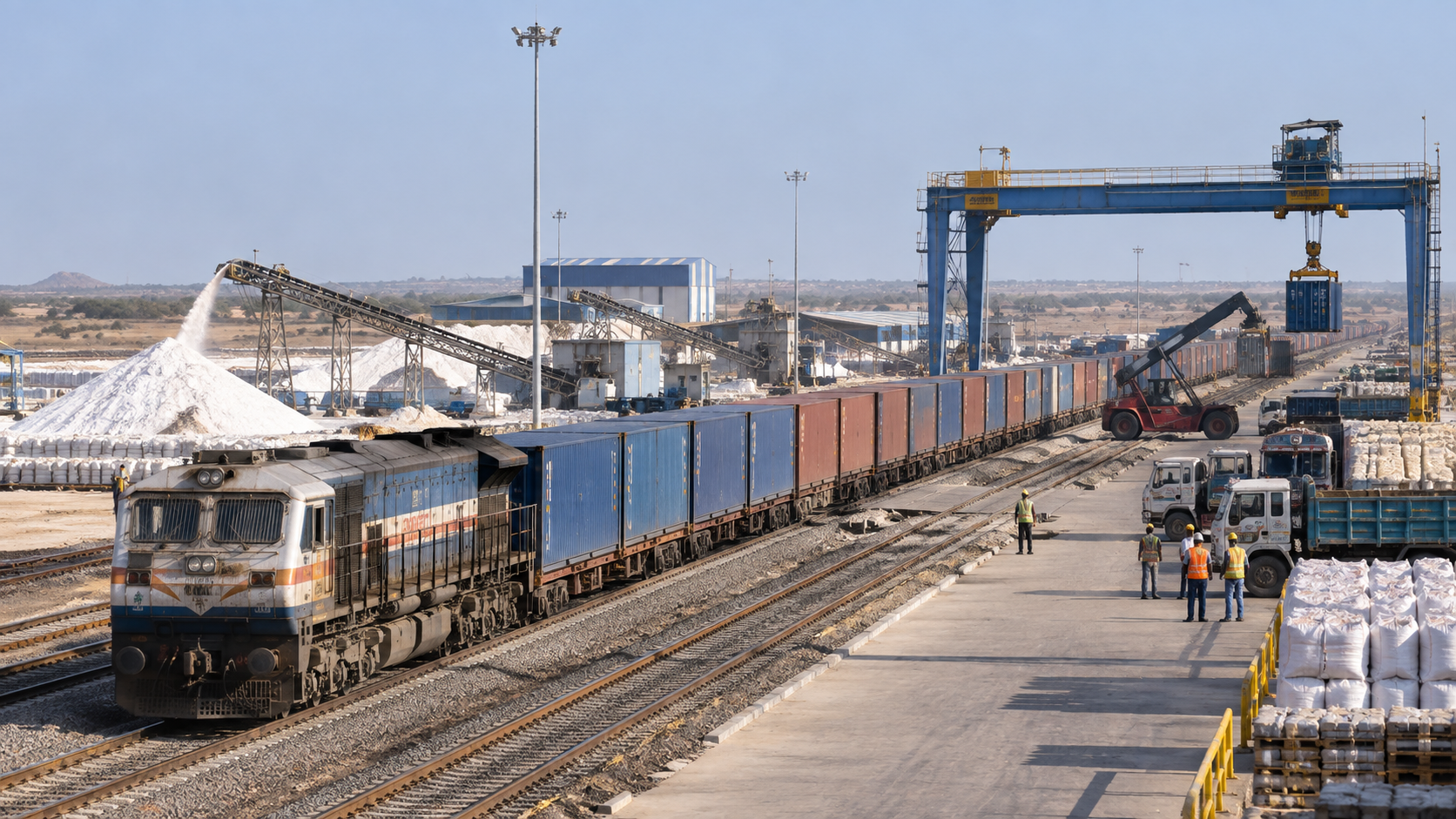
The RBI also highlighted that India’s external trade remained strong during the first quarter of FY27. It said the implementation of the India-UK Comprehensive Economic and Trade Agreement (CETA), along with progress on other bilateral trade agreements, is expected to further strengthen exports and imports.
On inflation, the Bulletin noted that Consumer Price Index (CPI) inflation rose to 4.4% in June, the highest level in 18 months, mainly due to rising food and fuel prices. Prices of vegetables, edible oils, rice and wheat have also increased in July, although comfortable foodgrain stocks are expected to help contain inflationary pressures.
The central bank, however, clarified that the views expressed in the Bulletin are those of the authors and do not necessarily represent the official position of the Reserve Bank of India.