Ten New Branches Targeted
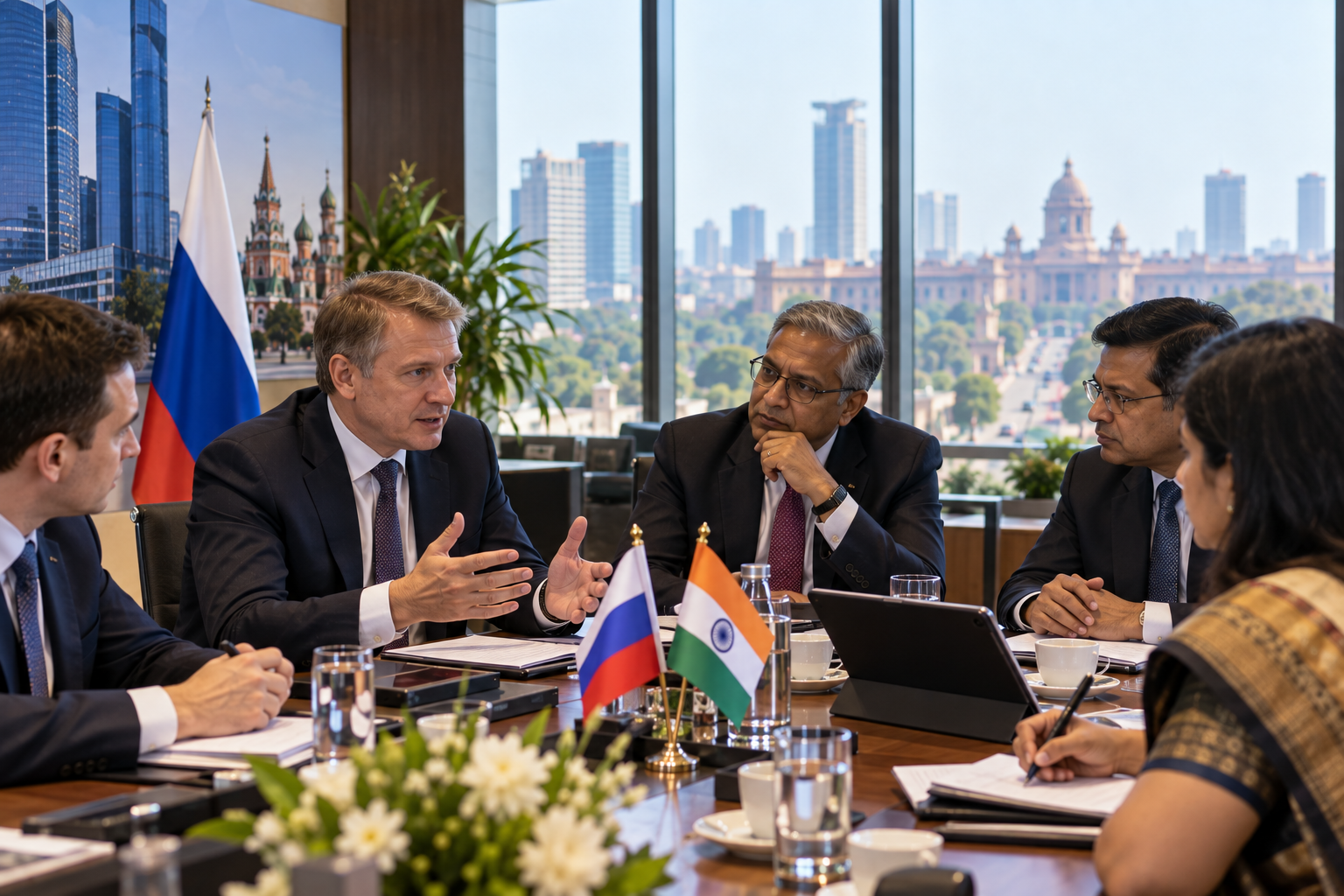
Russia’s largest lender, Sberbank, plans to expand its presence in India by opening 10 new branches as it seeks to support growing bilateral trade and investment between the two countries.
Sberbank currently operates in India through branches in New Delhi and Mumbai. The Russian lender has applied to the Reserve Bank of India for 10 additional branch licences, with the proposed branches expected to extend its reach into other Indian cities.
Sberbank CEO and Chairman of the Executive Board Herman Gref said the bank is awaiting approval from the Indian regulator.
The expansion reflects the bank’s broader strategy of strengthening its Indian operations as economic ties between India and Russia develop. Sberbank established its operations in India in 2010 and has increasingly focused on facilitating financial activity connected with bilateral trade.
Gref said there is currently no immediate plan to convert Sberbank’s Indian operation into a wholly owned subsidiary. The bank will instead continue operating under its existing branch model while seeking regulatory approval for expansion.
Sberbank has also invested in commercial real estate in the Indian capital. The lender has acquired two Summit Towers business centres in New Delhi, which are expected to be ready by 2028.
Gref said the acquisition would provide a foundation for the bank’s longer-term partnership and expansion strategy in India.
Rupee Settlement Improves
The Russian lender is also closely involved in managing the financial challenges associated with India-Russia trade settlement.
Gref said the bank’s rupee settlement system is now functioning more efficiently. Last year, banks and businesses involved in bilateral trade faced challenges related to accumulated rupee balances, but Sberbank does not see the same issue this year.
The bank has also invested in Indian government securities as part of its approach to managing currency-related risks.
The development comes as India and Russia continue to explore ways of expanding trade settlement in national currencies. Greater use of the rupee and rouble could reduce dependence on traditional international currencies and facilitate transactions between businesses in both countries.
Gref also described central bank-backed digital currencies as a potentially significant opportunity for cross-border payments. Digital currencies issued by central banks could eventually provide additional mechanisms for settling international transactions more efficiently.
Investment Cooperation Expands
Sberbank is also looking beyond conventional banking services. The lender has recently introduced a product that allows its account holders to invest in Nifty 50 stocks, reflecting its interest in expanding its financial offerings in India.
The bank also plans to seek local partners for investments in technology, education and healthcare.
Infrastructure represents another area of interest. Sberbank is exploring partnerships and participation in large-scale infrastructure projects in India, potentially creating opportunities for greater financial cooperation between the two economies.
India and Russia have set ambitious targets for their economic relationship, including bilateral trade of $100 billion and two-way investment of $50 billion by 2030.
Bilateral trade currently stands at around $60 billion, leaving considerable room for expansion if both countries can increase investment and diversify their trade relationship.
Sberbank’s planned branch expansion could help support this growth by providing businesses with greater access to Russian banking services in India.
The lender’s strategy also highlights the changing financial architecture of India-Russia trade, with local-currency settlement, government securities, digital currencies and direct investment increasingly becoming part of the relationship.