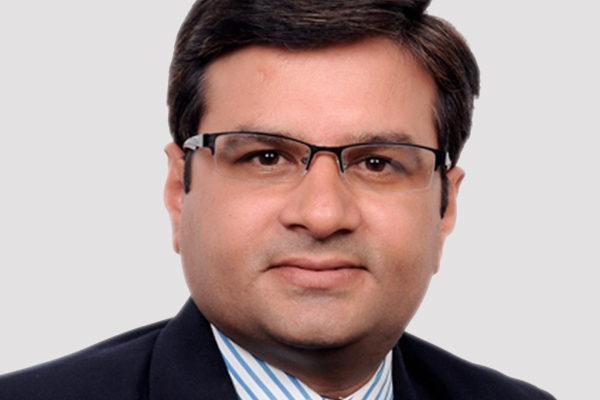
Dr. Pralok Gupta, Associate Professor, Centre for WTO Studies, IIFT and an international trade expert, believes that granting the seventh freedom of air is a mixed bag. While it may be beneficial for traders by promoting greater trade & commerce, it may be a threat to domestic carriers as it augments stiff international competition.
IBT: China has recently decided to offer seventh freedom of the air on a trial basis at the Hainan Free Trade Port. Which other countries have offered this level of agreement and how does it impact their trade growth?
Dr. Pralok Gupta: The ICAO defines five freedoms, which were recognized under the Chicago Convention. In that sense, the seventh freedom is something very new.
If I remember correctly, only one airport, the Pulkovo airport in St. Petersburg, Russia has initiated this very recently in January. A few selected countries in Europe were talking about implementing this, however, it got paused due to the pandemic and the following lockdown. Therefore, it is very difficult to assess at this stage, whether it will make a big impact on trade growth.
In China, the seventh freedom of air was initiated on a small scale with only seven flights per week for both cargo and passenger flights – that’s a very modest number. So, it is still quite early to say whether it will impact economic growth in a significant way. China’s main aim of implementing the seventh freedom is to encourage cargo flights for export and import rather than passenger flights. But considering the ongoing lockdown and related restrictions in most of the countries, I do not think that it will have a significant effect any time soon.
However, it can definitely be a success for China in the long term as it has a lot of capacity in the manufacturing and export sectors. I do not think that there is much scope for other countries regarding this, but China may be an exception because once recovery starts, countries dependent on China will resume their business. China has a lot to offer to such countries unlike others, including India.
IBT: India is trying to develop its ports. Do you think we are ready to leverage free trade and eventually become a trade hub because the country has the advantage of location and the potential to develop world class ports?
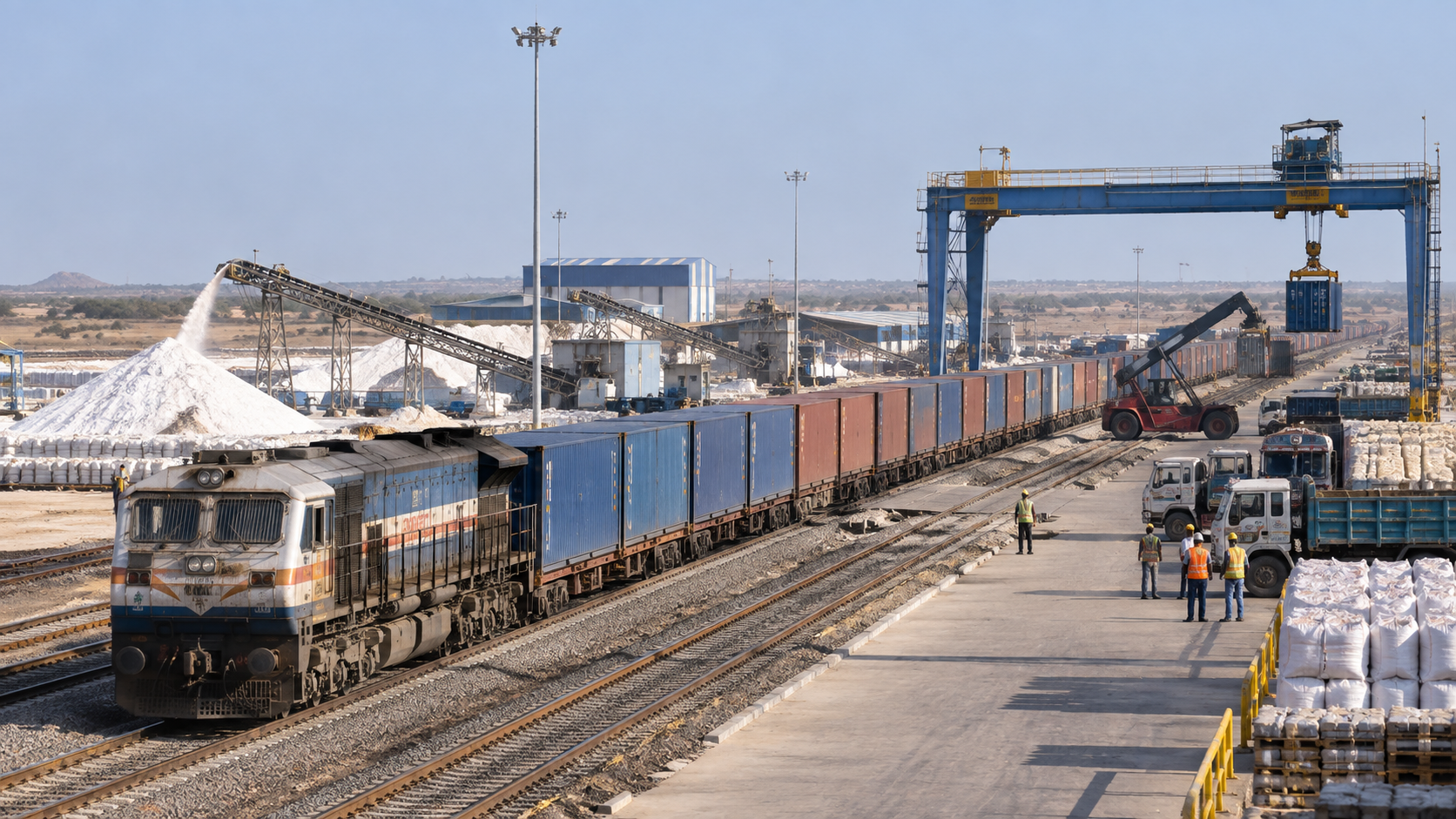
Dr. Pralok Gupta: Theoretically, yes. We are strategically located. But if we were to be practical, there are several infrastructural and procedural constraints that will raise the transaction costs of operating in or from India. As a result, the final costs of transportation are likely to be much higher as compared to ports in Singapore and Hong Kong. To take an example, the turnaround time in Singapore is 12 hours, whereas in India it is 2.7 days. The time for which the inventories are held at the ports in India is quite high which in turn increases the costs for companies.
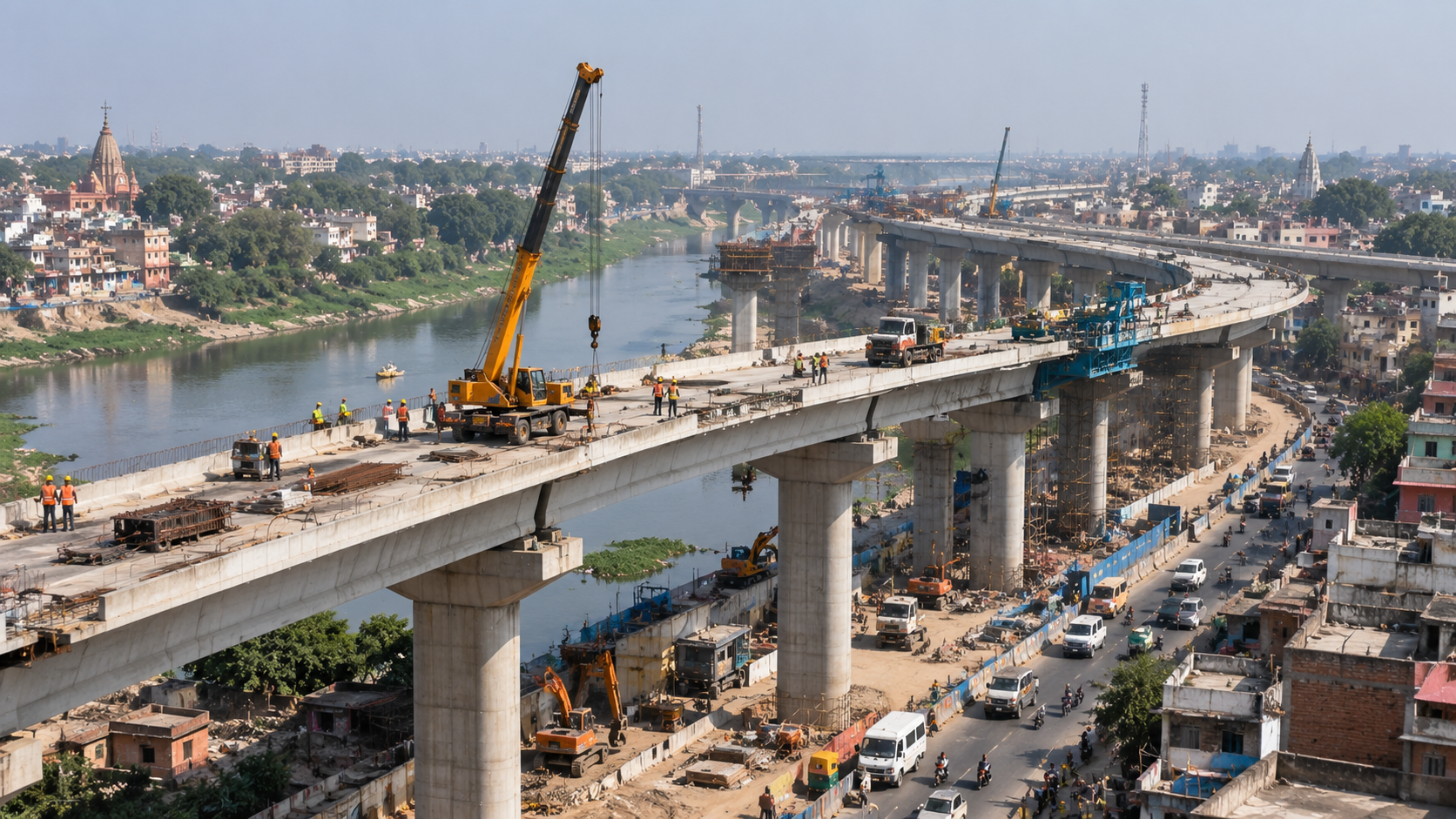
Major ports like Chennai Port or Jawaharlal Nehru Port are not able to handle even domestic operations fully. No doubt, there have been a number of improvements over the years, such as computerization and other infrastructural improvements, which have increased efficiency and handling capacity of Indian ports. However, there are still issues, which are affecting efficiency of Indian ports and in turn will affect transformation of India into a global trading hub.
IBT: Recently the Government has been trying to push for related programs to boost port infrastructure, more specifically the Sagarmala project. How do you see its progress, especially in the post-COVID scenario?
Dr. Pralok Gupta: This is an ambitious project involving huge investment. There has been progress, but the pace may need to be reassessed, particularly in the aftermath of COVID-19, Out of 500 identified projects, 143 projects have been completed and 190 projects are under implementation. The strategy for the remaining 167 projects needs to be reworked.
IBT: What are the main advantages of the seventh freedom? As in how does it help traders, exporters, and businesses? And how does it increase the desirability of that port? What impact can allowing seventh freedom rights to foreign airlines have on the Indian aviation sector?
Dr. Pralok Gupta: This can be a good short-term option for exporters as they will have choice of more carriers which will bring in competition and improve the overall efficiency of air transportation.
However, in the long run we might have to face problems with such a decision. The key challenge is the lack of a significant number of domestic carriers. There is a major possibility that international carriers will monopolize the market due to the absence of domestic carriers. Eventually, the entire industry will become dependent on these international corporations. So strategically, implementing this may not be the best idea.
It might be helpful for us, but the problem is that we do not have any significant or major airlines in India. This is true both in the case of cargo planes and passenger planes. For example, if tomorrow, Lufthansa starts operating a cargo service, they will provide exporters with numerous benefits, which domestic carriers may not be able to offer. As a result, exporters will prefer international carriers, which will ultimately cause huge loss to the domestic industry.
We need to be cognizant of the fact that it takes a considerable amount of time to set up and grow an airline company, but it can go bankrupt almost overnight. And this is not a hypothetical situation. We have seen this in the past. Therefore, sustainability of domestic carriers also needs to be kept in mind and should not be compromised for short-term efficiency gains.
IBT: What would you say are the ideal market conditions required to implement the seventh freedom? And from an industry point of view, when is it feasible for a country ready to implement it?
Dr. Pralok Gupta: I think the best way to do it is to form a sharing agreement between the parties concerned. In such arrangements, the gains of the freedom are shared more or less equally by the parties. That way, both domestic and international airlines will benefit from it. They will be able to grow and compete parallelly in the market. This will be advantageous to exporters and passengers alike.
IBT: Is this reciprocal arrangement applicable to all countries? Maybe, India and UAE? What role can establishing bilateral travel bubbles have on spurring the post-COVID recovery of the country’s aviation sector? What obstacles could these pacts face?
Dr. Pralok Gupta: It may or may not be reciprocal. As I mentioned before, this is a very new initiative and only a few airports have started this. It may not be applicable to all countries and all airports. Suppose, China offers this freedom to some other country, but the other country is unwilling to offer this to China. In that case, will China put a stop to the agreement? Probably not. These reciprocal travel arrangements may not always work as it is subjective to each country.
IBT: To what extent has India been able to leverage existing freedom of the air agreements with other countries?
Dr. Pralok Gupta: We have not been able to leverage much due to the fact that Indian domestic carriers have capacity issues. The foreign carriers gain and leverage more from the existing freedoms of air in India. For example, majority of passengers to UAE fly via Emirates or to Abu Dhabi by Qatar. Recently, some passengers have started flying Indian carriers like Indigo and Spice Jet because of the cost considerations. Otherwise most of the passengers are flying through international carriers.
Another example is of Bangkok. Dubai, Singapore, Bali and Bangkok are popular holiday destinations for Indian travelers, but amongst them Bangkok (including Pattaya and Phuket) is the most popular as it is preferred both by organizations and individual travelers. This is a route where we have huge traffic round the year, tickets are very cheap. However, here also, the majority of passengers prefer to fly with Thai Airways and that means the freedom of air advantage is going more to a foreign carrier.
This happens due to a combination of multiple factors, such as competition and the quality of service provided. Passengers usually prefer an airline with a good brand name unless the cost difference is huge. For example, most corporate travellers generally prefer to travel by international airlines of repute rather than national airlines.
Moreover, perception is a very important factor in deciding choice of carrier. The perception seems to be that Indian carriers are not as good as foreign carriers, Vistara may be an exception here. Foreign airlines are very much focussed on their processes and because of their service quality, they have a reputation of being a good airline.
IBT: According to empirical studies there has been an increase in passenger traffic and reduction in air fare due to liberalization of air. So, how do you view the relevance of freedom of the air framework in the post-COVID period? Or will there be more restriction or more protection in this sector?
Dr. Pralok Gupta: As of now, many countries have put a temporary ban on international passenger flights after the spread of COVID-19. Only limited flights are allowed, primarily for cargo and rescuing purposes. This will certainly affect the heath of airlines across the world including in India. There will also be indirect repercussions, which will affect the industry, and which are going to be there for at least for a year or so.
There will be a cut down in all non-important travels. When flights will resume, it will be limited by the government only to the urgent and non-avoidable travel requirements. Even if allowed, there will be very less travel for pleasure or tourism. Official travels will also be limited to unavoidable meetings only.
IBT: Given the current diplomatic relations and politico-military realities that India has with some of its neighbours, do you think that India will ever be able to embrace an open skies policy? If not, which are some of the other countries with which India can explore this proposal?
Dr. Pralok Gupta: Currently, there is no utility for open sky policy. This policy gives unlimited number of flights between the contracting countries. Enhancing the number of flights will make sense only when there is enough traffic. In the current scenario, not much traffic will be there and hence having the open sky agreement will not make any sense.
IBT: Aviation companies across the globe are asking for bailout. Do you have any suggestions for India? How can the industry survive this period and what kind of support should be given?
Dr. Pralok Gupta: Government support is definitely required as we do not many domestic airlines. Maybe one or two domestic carriers will be able to sustain on their own but others may not be able to do so. This will be strategically very harmful for India. Government aid should be given with long term view. At the same time, it is imperative that the bail out or any other packages provided by the Government are not misused. Care should be taken to monitor that the private players should not misappropriate the money to invest elsewhere. Money should be released based on step-by-step targets taking key efficiencies into consideration. It should not be a one-time allocation.
Dr. Pralok Gupta is currently working as Associate Professor (Services and Investment) at the Centre for WTO Studies, Indian Institute of Foreign Trade, New Delhi since May 2012. Earlier, he has served in the UP State Government and Industrial Finance Corporation of India. Dr. Gupta has a Ph.D. in Economics and Social Sciences from Indian Institute of Management (IIM), Bangalore and has also been a visiting and full-time faculty to various institutions in India. The views expressed here are his own.